
Table of Contents
Remember Jinja Main Hall? Ahhh, abange mwe — our times! We truly danced. Not the quiet night-time hiding of today, but open daytime dancing under a hot afternoon sun. That is the spirit of the latest reflection by Joseph Mbazzi Muguluma, writing as the Oracle of Kifuuta.
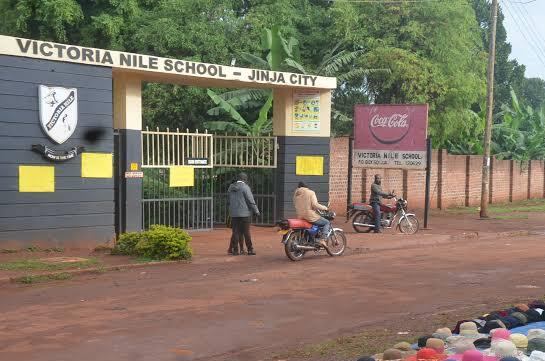
In Times We Danced — Jinja Main Hall, Victoria Primary Hall, Jinja, he takes readers back to the days when Jinja Main Hall and Victoria Primary Hall were the centres of joy, music and community. The piece is full of memory, sweat, laughter and the pure excitement of a generation that walked to the disco and danced until their shirts were soaked.
What made Jinja Main Hall and Victoria Primary Hall special?
These two halls were more than buildings. The Oracle calls them cathedrals, parliament and heaven. On Saturdays, young people from Walukuba, Mafubira, Bugembe and Main Street prepared carefully: ironed bell-bottom trousers with a charcoal iron, polished Bata Ngatto shoes until they shone, combed Afros high, and applied Brut or Old Spice. Then they walked. No bodas, no traffic. Just clean roads, jacaranda flowers and friends laughing together.
Segico would already have set up the big speakers and amplifiers. When the needle dropped, the whole hall trembled and dust fell from the roof. The Oracle writes that people did not just dance — they flew. They sweated like morning rain filling the River Nile.
How did people dance in those days?
The dancing was free and full of energy. At Victoria Primary Hall, which was smaller and sweeter, break-dancing arrived. A boy from the army would place cardboard on the floor and spin on his head while the hall shouted. Then came ragga and attempts at Michael Jackson’s moonwalk, with many falling down and laughing until tears came.
Sweat was a badge of honour. The more you sweated, the better you had danced. Your wet shirt was proof that you had paid for real joy.
Which songs and artists filled the halls?
The Oracle lists the music that moved the crowds. International hits included Bob Marley’s “No Woman No Cry,” Peter Tosh’s “Get Up Stand Up,” Jimmy Cliff, Lucky Dube, Michael Jackson’s “Billie Jean” and “Thriller,” Yvonne Chaka Chaka’s “Umqombothi,” Boney M, Don Williams, Kenny Rogers, ABBA, Tina Turner, Tracy Chapman and Lionel Richie.
Congolese and East African sounds were equally powerful: Franco and TP OK Jazz, Papa Wemba, Kanda Bongo Man, Mbilia Bel, Yondo Sister, Awilo Longomba and Remmy Ongala.
Local legends received special praise. Jimmy Katumba and The Ebonies, Moses Matovu and Afrigo Band (playing since 1975), Philly Lutaaya, Fred Masagazi, Elly Wamala, Herman Basudde, Paul Kafeero, Fred Ssonko and others filled the halls with Ugandan soul. When Afrigo played at Jinja Main Hall or the Sailing Club, even the chairs seemed to dance. Headmasters danced with students, policemen with smugglers, Muslims with Catholics. Music erased tribe and class.
What does the Oracle say about love in those times?
One of the strongest parts of the reflection is about pure love without fear. The Oracle notes that people lived without the constant worry of plastic protectors advertised everywhere today. Love was open-hearted. If a young man liked a girl, he walked to her during a slow song and offered his hand. If she accepted, it felt like winning the World Cup. If she refused, he respected it and went home. Letters written on scented paper were left in school desks. There was no begging through phones or inboxes.
“You loved a girl with real heart, with real body, with trust,” he writes. “Your morning after was good morning, not morning full of worries and clinic queues.”
What is the main message of Times We Danced?
The piece is both celebration and gentle advice. The Oracle tells the younger generation to stop pleading for love and to enjoy what makes them happy. If someone loves you, they will dance near you. If not, let them go. The spirit of Jinja Main Hall still lives inside those who were there.
He ends with a call to action: play Bob Marley, Afrigo and Yvonne Chaka Chaka loud today. Dance even alone in your sitting room, whether in Kampala, Jinja or Kyotera. Dance like it is Saturday at 2 p.m. at Victoria Primary Hall in 1982.
The gods of Kifuuta, Kyotera and Buddu, and the spirit of the River Nile that once received their sweat, are still watching. Long live Jinja Main Hall. Long live Victoria Primary Hall. Long live Segico. Long live real music.