
Table of Contents
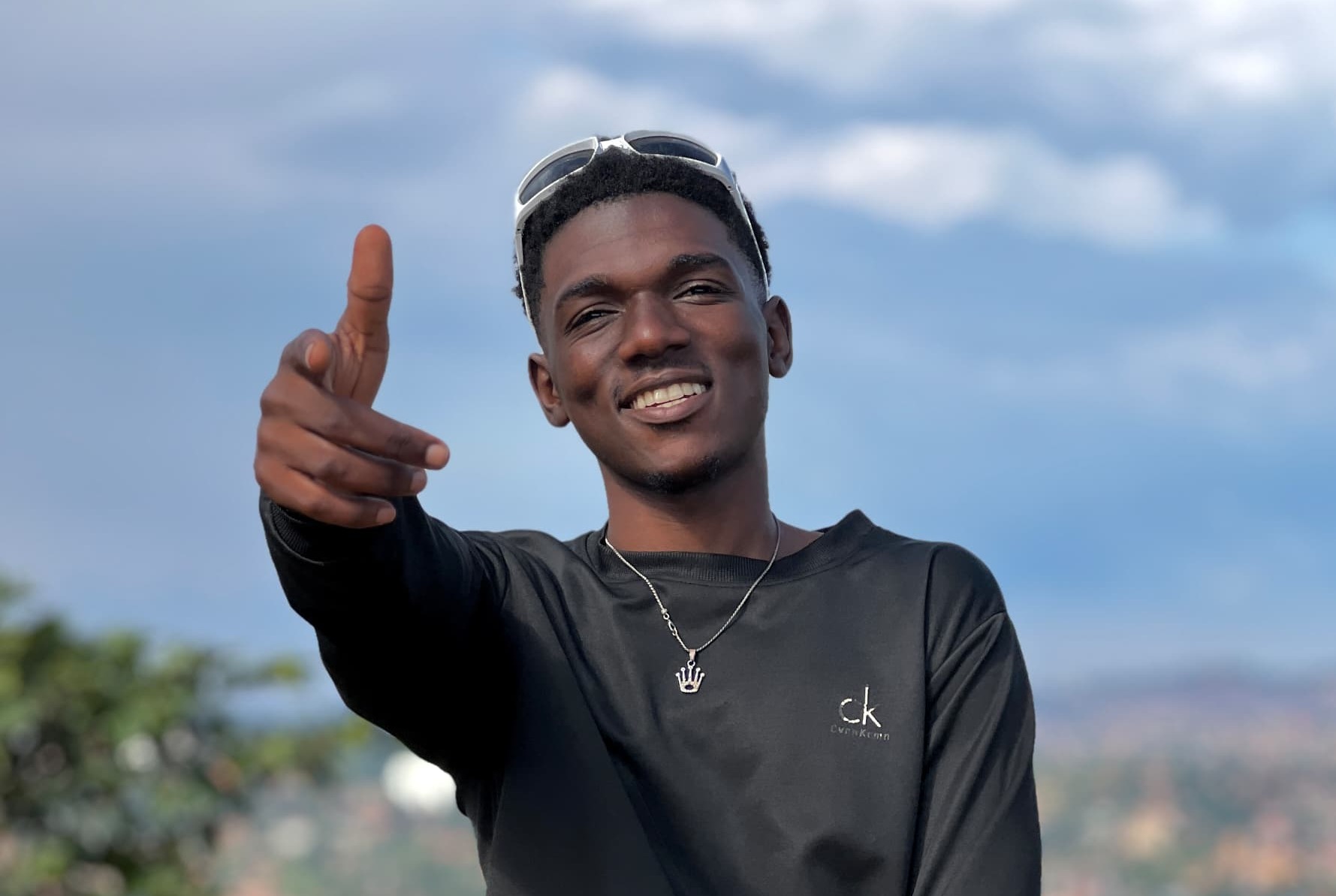
Meet Shadow Savage | The Ugandan music industry is a relentless, fast-moving battleground where hundreds of young dreamers pick up microphones every single year hoping to stake their claim. Yet, only a select few possess the raw self-awareness, vocal discipline, and grounded philosophy needed to survive the climb from underground hustler to established act.
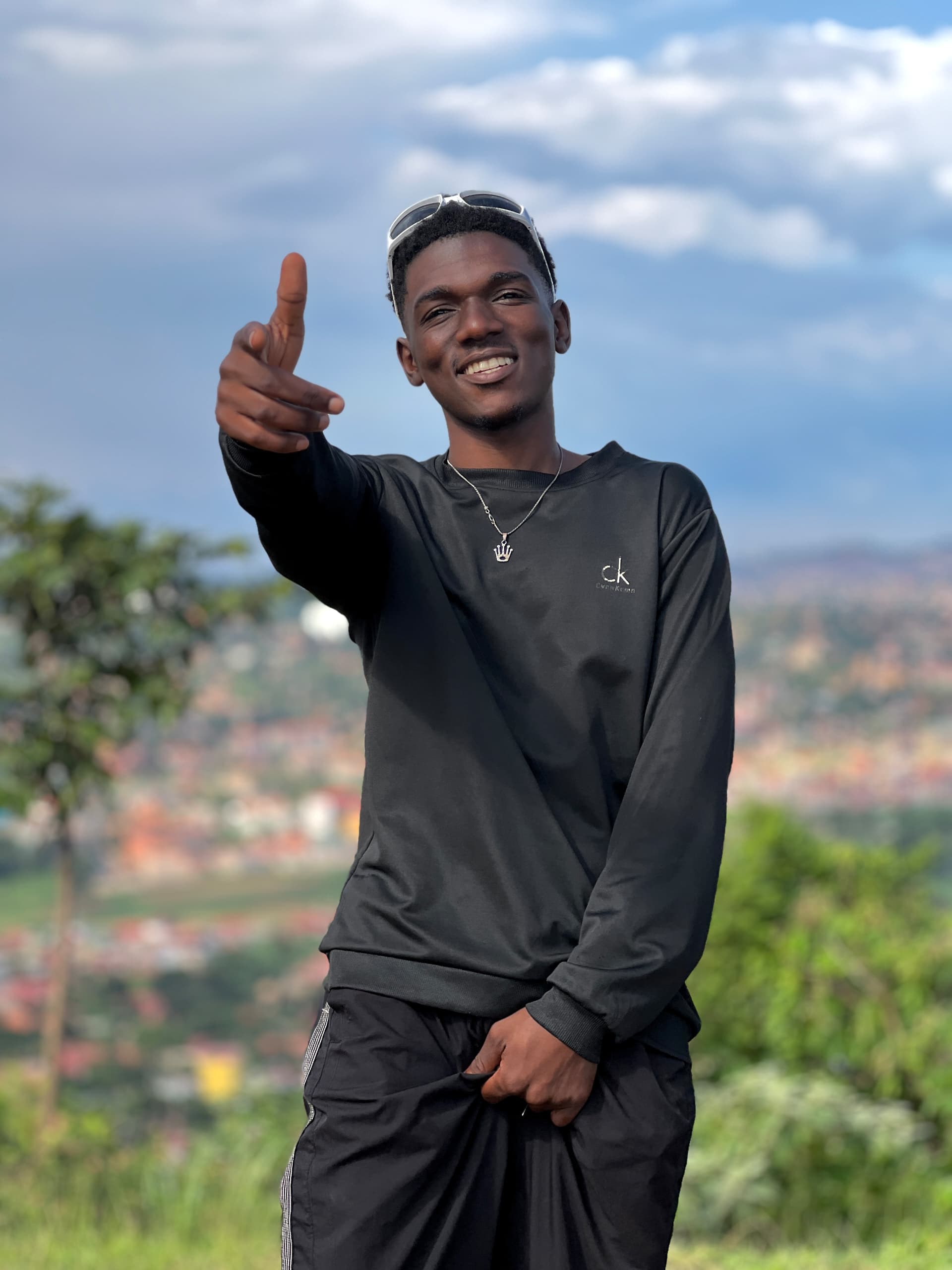
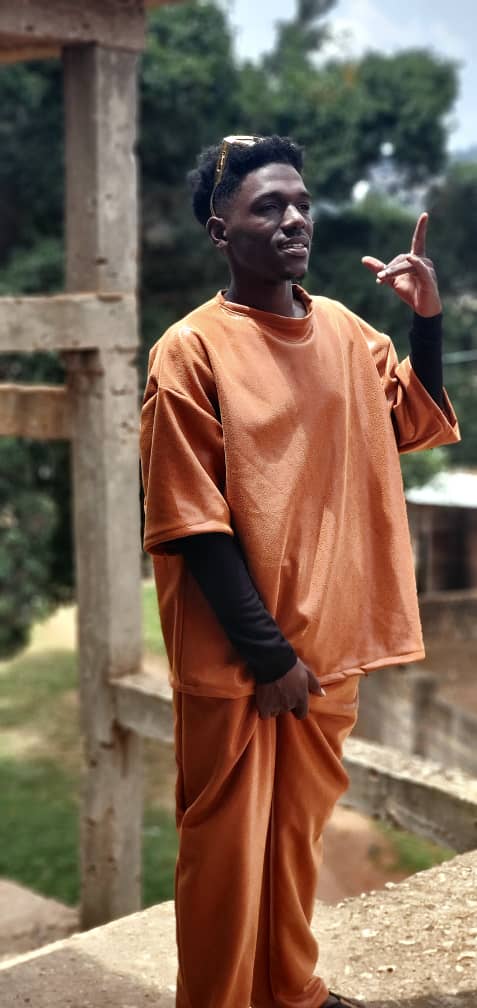
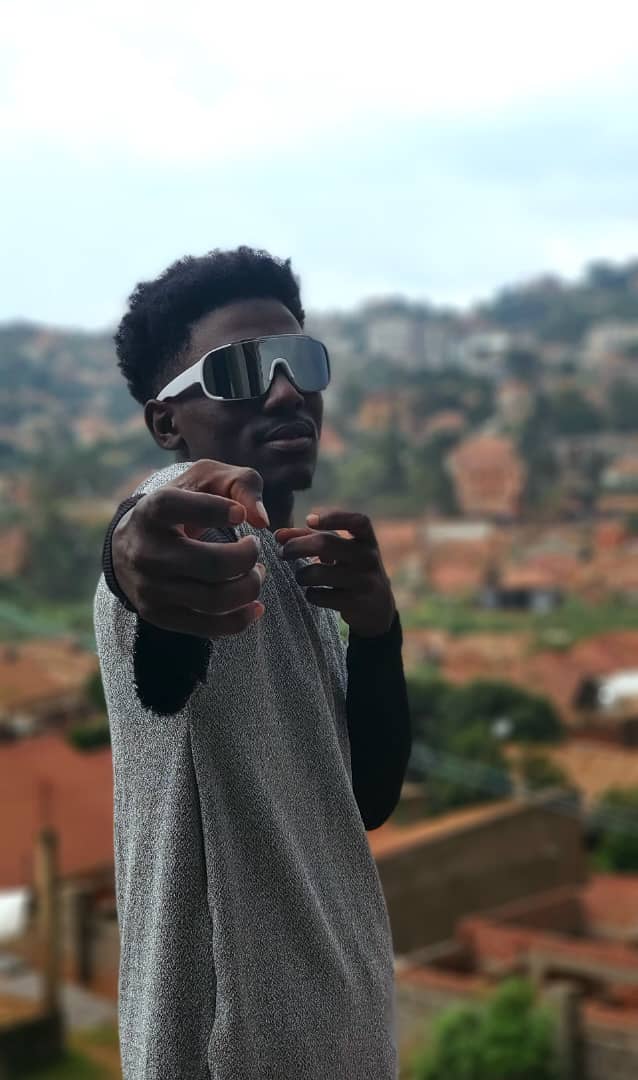
One of those promising young talents is Shadow Savage. Sitting down with him for an intimate one-on-one conversation, it becomes immediately clear that behind the bold stage moniker lies an articulate, deeply reflective young man who understands the harsh economics of the Ugandan music business better than many veterans twice his age.
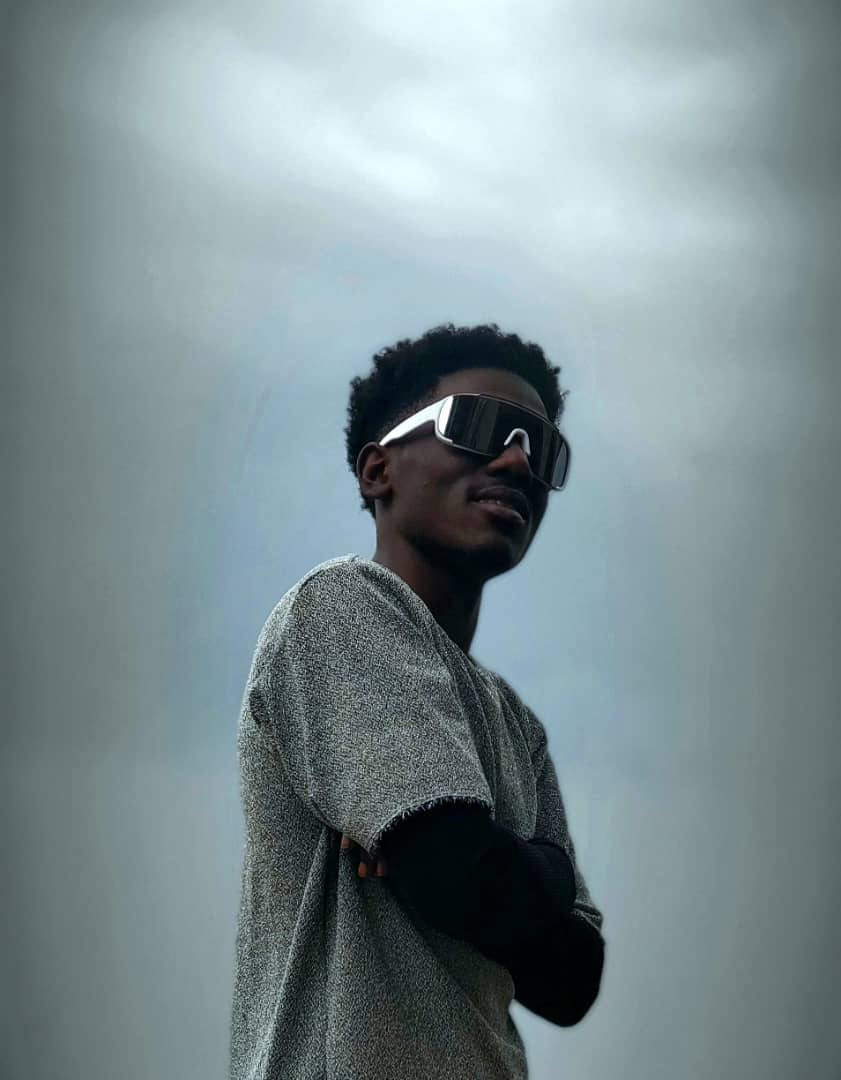
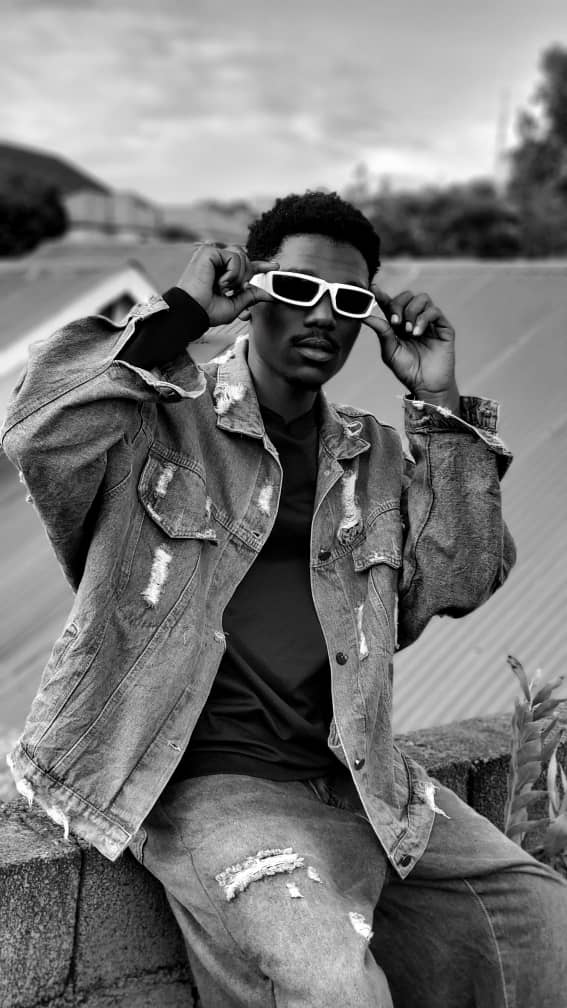


Who is Shadow Savage? Real Name, Age, and Family Background
While fans are rapidly getting accustomed to his stage name—a moniker that almost leads to humorous tongue-twisters during casual introductions—his legal identity carries deep roots.
“My stage name is Shadow Savage,” he tells me with a grin, clearing up any accidental mispronunciations. “My real name is BaaleSharif.”
Born on October 6, 2002, at Mulago National Referral Hospital in Kampala, BaaleSharif stems from a heritage that connects royal Mugwanya lineage to humble upbringing.
“Baale Sharif was born on 6th October 2002 in Mulago Hospital,” Shadow Savage reveals. “The mother is Mirembe Grace, and the father is Kigongo Mickey Daddy Ssekaka, of Mugwanya Prince lineage.”
Discography & Popular Releases
Shadow Savage continues to expand his musical catalogue with soul-stirring tracks that resonate deeply with fans across Uganda. His music blends relatable life experiences, spiritual reflection, and catchy urban rhythms.
Key Tracks to Stream:
- “Maama Nsabira” – A powerful, reflective track centered on maternal prayers and personal perseverance. Listen on YouTube.
- “Batusomeko” – One of his latest releases showcasing dynamic lyricism and street appeal.
- “Twalina Ebiroto” – An inspirational anthem touching on dreams, ambition, and resilience.
- “Tebamanya” – A standout track addressing life’s silent struggles and victory over adversity.
- “Don’t Deny” – A smooth melodic single highlighting his vocal versatility.
- “Big God” – An uplifting song celebrating faith, gratitude, and triumph.
Connect with Shadow Savage Online
Stay updated with Shadow Savage’s latest releases, studio sessions, and live performances across his official digital platforms:
- YouTube Channel: @shadowsavage256
- TikTok: @shadow..savage
- Instagram: @shadow_savage.ug
Despite shedding light on his lineage and parents, Shadow Savage remains intentionally protective of his broader family circle, opting to shield his home life from the harsh glare of public scrutiny as his celebrity profile begins to take shape. When asked about his siblings and home dynamic, he politely draws a firm boundary:
“My family, I won’t bring it into the limelight—not now, maybe later.”
Where did Shadow Savage study? Educational Journey from Primary to S6
Unlike many aspiring artists who abandon formal education at the first taste of artistic passion, Shadow Savage has methodically built his academic foundation alongside his creative growth. His primary and secondary school journey spans some of Kampala’s most recognized learning institutions:
- Primary Education: Bright Angel Junior School, situated along Salama Road, where he completed his Primary Leaving Examinations (PLE).
- Ordinary Level (O-Level): Began Senior One at City Campus High School before transferring to Cornerstone High School, where he sat for his Uganda Certificate of Education (UCE).
- Advanced Level (A-Level): Completed his Senior Five and Senior Six at Cornerstone High School, officially joining the rank of Senior Six vacists.
Reflecting on his time in A-Level, a period notorious for intense academic pressure and national exams, Shadow Savage expresses quiet pride in making it through unscathed:
“S6 was cool, it was fine. We passed through it very well,” he shares with a sense of relief.
How did Shadow Savage start his music career? From Phone Rap Recordings to Vocal Artistry
Shadow Savage’s entry into the music scene was sparked not in a sleek commercial recording studio, but within the vibrant, competitive dormitories and schoolyards during his Higher Secondary Certificate (HSC) years.
“I started singing in my Senior Five, in HSC,” Shadow Savage recalls. “We started singing, freestyling, and that’s when I found myself… That’s when I knew that I got talent.”
Like many Ugandan urban youths coming of age in the late 2010s, his musical journey opened on a hip-hop note. He started out as a pure rapper, engaging in fierce freestyle battles with classmates. However, a major catalyst occurred when Ugandan hip-hop icon Feffe Bussi released his seminal 2018 diss track, “Who Is Who”. The song kicked off a massive nationwide trend where every underground rapper jumped on the instrumental to drop their own verses.
“The rapper who made me love the rap style is Feffe Bussi,” Shadow Savage admits warmly. “For me to concentrate on music, it’s when Feffe Bussi released a song called ‘Who Is Who’. That period when every rapper jumped onto the track, I was among the underground rappers.”
Lacking the financial capital to pay for professional studio time, the young artist adapted with pure grit:
“By that time I had no money for studio, but as you know, I recorded using a phone, dropped the beat on top, and started jazzing,” he explains with a nostalgic chuckle.
What inspired Shadow Savage? From Feffe Bussi’s “Who Is Who” to Radio and King Saha
While hip-hop provided his initial entry point, Shadow Savage quickly realized that his vocal artistry extended far beyond fast-paced bars and cypher verses. Over time, he began transforming his style toward rich vocal melodies, Afro-pop, and soulful Ugandan harmonies.
When discussing the vocalists who shaped his artistic evolution, two legendary names dominate his perspective: the late Mowzey Radio (Moses Nakintije Ssekibogo) and current vocal powerhouse King Saha (Mansour Ssemanda).
“The late Mowzey Radio was a good example,” Shadow Savage notes with reverence. “But currently, my main guy is King Saha, ’cause he’s the one leading.”
When challenged on the fact that neither Mowzey Radio nor King Saha are hip-hop rappers, Shadow Savage explains that true artistic growth requires fluidity:
“They are not rappers, and me also—just that I started as a rapper, but as I went on, I changed the style.”
What course does Shadow Savage want to study at university?
Now standing at a pivotal crossroads as an S6 vacist awaiting university entry, Shadow Savage is carefully weighing his higher education options. Rather than treating university as a distraction from his creative career, he views higher education as a strategic asset.
Initially torn between corporate administration and performing arts, his decision-making process firmly tilts toward sharpening his creative craft:
“First of all, I had like two options: I wanted to do Business Studies, but then since I’m more interested in music, Music, Dance and Drama (MDD) would be better,” Shadow Savage reveals.
Pursuing a degree in Music, Dance, and Drama at the university level will provide him with formal music theory, stage management skills, and theatrical presence—giving him a distinct competitive edge over self-taught contemporaries in Kampala’s music scene.
What is Shadow Savage’s biggest achievement and saddest moment so far?
In an industry often obsessed with superficial flexes, flash cars, and rented luxury, Shadow Savage approaches the concept of success with grounding humility. For him, survival, education, and health take precedence over premature vanity.
When asked to highlight his biggest achievement to date, his response is refreshingly realistic:
“My dreams are still big,” he reflects. “For now, since I completed my S6, that is an achievement. Being healthier at this age is also an achievement. Right now, that’s it.”
Conversely, his journey has not been without painful realities. The transition from recorded tracks on a phone to navigating public release cycles brought him face-to-face with the emotional isolation that plagues underground artists.
Recalling his saddest experience in the music industry, Shadow Savage opens up about the sting of indifference from those closest to him:
“The saddest moment? There is a time when I released a song, and none of my friends even cared,” he recounts quietly. “You share the link, nobody opens. Yeah, man… That was the saddest moment.”
“Feed the Music Before It Feeds You”: Shadow Savage’s Advice to Young Artists and Vacists
As a young artist standing shoulder-to-shoulder with thousands of fellow S6 vacists navigating life after high school, Shadow Savage offers pragmatic, business-minded advice to his peers. Rather than encouraging blind leaps into full-time music without financial backing, he stresses the critical necessity of building an independent income stream first.
“What I can encourage the vacists is that you should concentrate more on your dreams, but look for money,” Shadow Savage emphasizes passionately. “Even if you are a musician, music won’t sustain you at the beginning. You have to first set ground roots—like you should get a business or a job.”
He synthesizes his perspective into a golden rule for any rising creative in Africa’s evolving entertainment landscape:
“Because in music, what I know is that you first feed it before it feeds you.”
With a clear head, a transition from rap to melodic Afropop, and plans to formalize his craft through university studies in Music, Dance, and Drama, Shadow Savage represents a new wave of pragmatic, disciplined Ugandan musicians. As he prepares to step out of the vacist phase and onto bigger national stages, his journey serves as a compelling reminder that talent is only the beginning—endurance, financial discipline, and authentic vocal evolution are what truly build a legacy.