
Table of Contents
The 2026 FIFA World Cup has shattered the historical glass ceiling for African football. With the expansion to a 48-team format, the continent didn’t just show up; it asserted a new level of tactical maturity and competitive grit. As we enter the knockout stages, the narrative of the tournament has been irrevocably altered by the performance of the 9 African nations that have redefined what it means to be a global challenger.
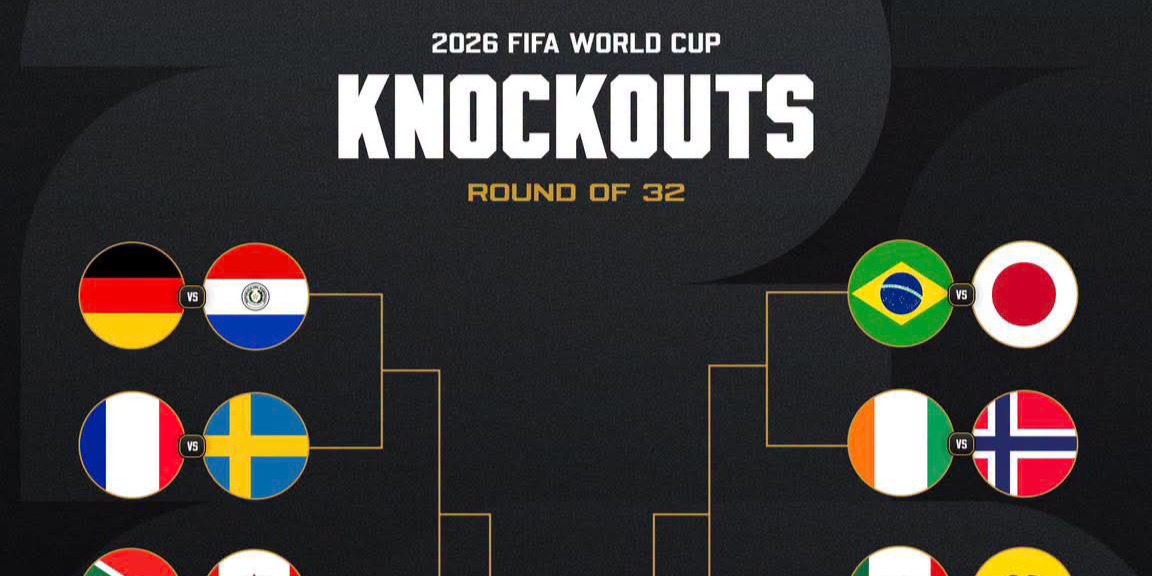
As of June 28, 2026, nine African nations have officially punched their tickets to the Round of 32, shattering previous continental records and forcing the global establishment to recalculate its hierarchies.
This is not the “surprising” performance of underdogs; it is the calculated, systematic execution of a new era of African football. From the grit of DR Congo’s decisive victory over Uzbekistan to the tactical redemption of Algeria securing their place, the continent is no longer just participating—it is dominating.
Is the 2026 World Cup the definitive turning point for African football?
The numbers provide an objective answer: Yes. Prior to 2026, the cumulative history of African football at the World Cup was defined by isolated moments of brilliance. In this edition, we are witnessing a structural consolidation.
With nine of ten teams—Morocco, Egypt, South Africa, Côte d’Ivoire, Cabo Verde, Senegal, Ghana, DR Congo, and Algeria—securing knockout berths, the continent has fundamentally altered the math of the tournament.
”It’s a matter of time before an African team wins a World Cup.” — Peter Crouch, FOX Sports Analyst.
This success is rooted in the evolution of federation-level investment and the proliferation of African talent within the world’s most demanding leagues. The transition is not merely athletic; it is logistical. The “fluke” narrative is dead. In its place sits a new, relentless reality where European and South American giants are struggling to cope with the physical intensity and tactical versatility of these African squads.
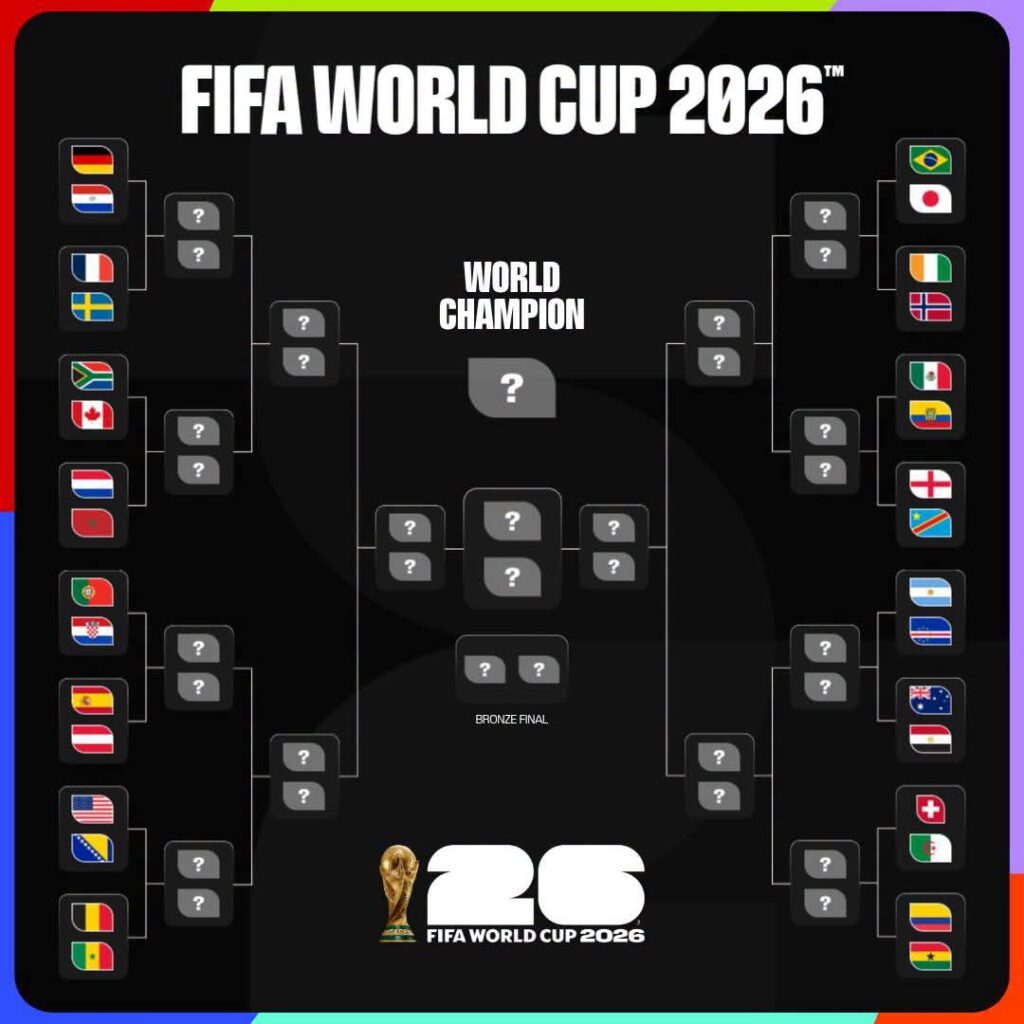
Which of the 9 African Nations have officially advanced to the Round of 32?
The qualification landscape is a testament to the continent’s depth. While giants like Morocco continue to project authority, the rise of nations like Cabo Verde—who remained unbeaten against heavyweight opposition like Spain and Uruguay—demonstrates a closing gap between traditional powerhouses and emerging forces.
| Nations | Qualification Content | Key Narratives |
| Morocco | Constant Dominance | The standard-bearer, building on 2022 momentum. |
| South Africa | Historical Breakthrough | First-ever knockout berth in the modern era. |
| Côte d’Ivoire | Resilient Campaign | Clinical navigation of Group E. |
| Egypt | Tactical Discipline | Unbeaten form through the group stages. |
| Cabo Verde | Fairytale Run | Remained unbeaten against European/SA pedigree. |
| Senegal | High Scoring Efficiency | Dominated the final group match with a 5-0 win. |
| Ghana | Early Progression | Secured status with a game to spare. |
| DR Congo | Late Stage Surge | Decisive 3-1 victory secured qualification. |
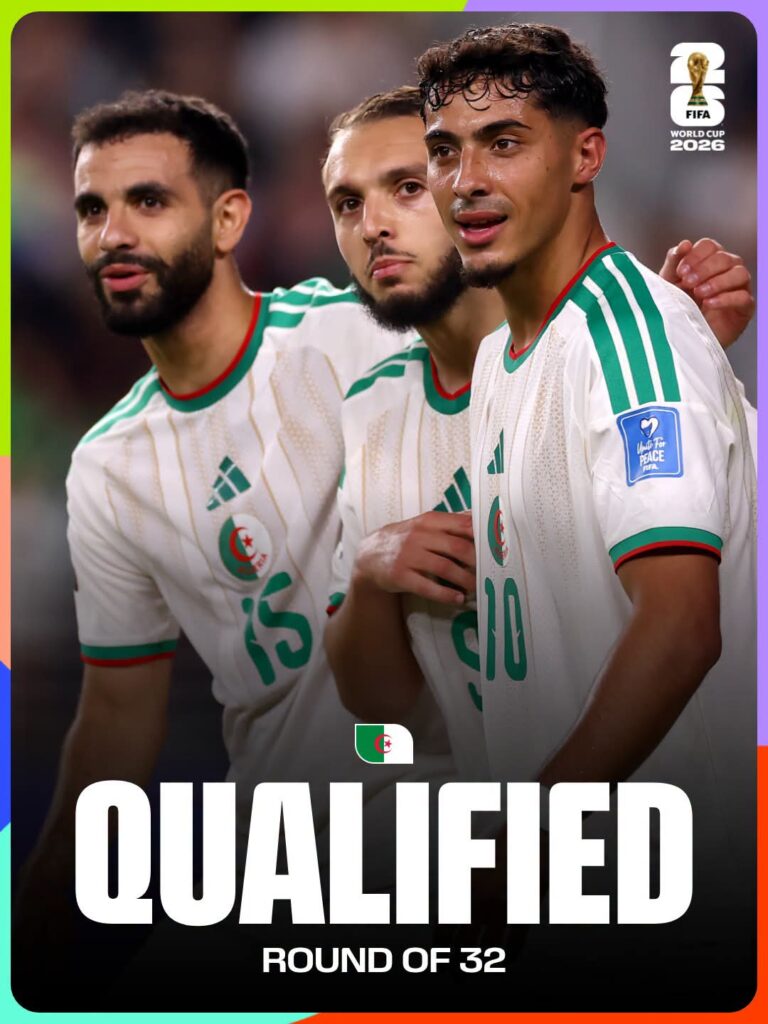
| Algeria | Hard Fought Response | Bounced back from early setbacks to clinch progress. |
Also Read: Shakib Cham vs Arrow Bwoy: Shakib Vows to Quit Boxing If Defeated
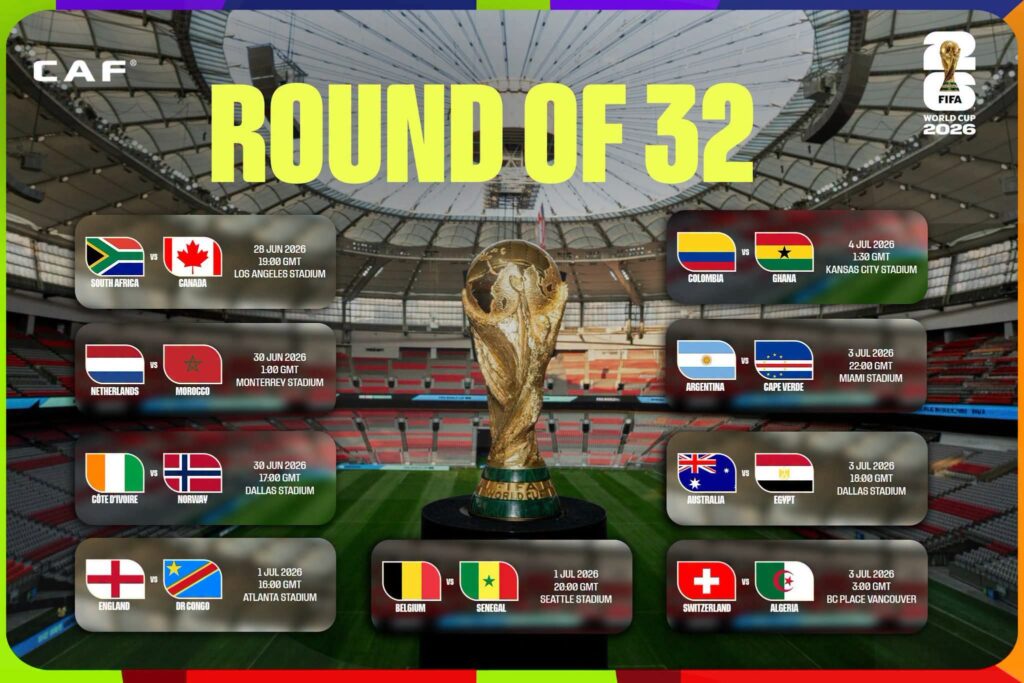
What are the high-stakes Round of 32 matchups for the 9 African nations?
The bracket has set the stage for monumental clashes. The fixture list is not a list of “hopes”; it is a list of direct challenges to the existing global elite.
- South Africa vs. Canada: Hosted at the Los Angeles Stadium on June 28, this match is more than a game—it is a battle against the host-nation environment. Bafana Bafana enter with the momentum of history-making form.
- Netherlands vs. Morocco: Scheduled for June 30 in Monterrey, this clash pits the Atlas Lions’ defensive iron against a potent Dutch attack. It is the defining test of Morocco’s title credentials.
- Egypt vs. Australia: The Pharaohs head to Dallas to face a physical Australian side.
- Cabo Verde vs. Argentina: A David-vs-Goliath encounter in Miami. The Islanders’ ability to hold Spain and Uruguay suggests they will not be intimidated by the defending champions.
The progress of these nine nations signals a permanent shift. The traditional bottlenecks—financial instability, late preparation, and administrative friction—are being systematically eroded by a new generation of players and administrators. As we move into the single-elimination phase, the focus shifts from qualification to consolidation.
For Kampala Edge Times™ readers and the broader African diaspora, the dream of an African world champion has moved from a vague aspiration to a statistical probability.