
Table of Contents
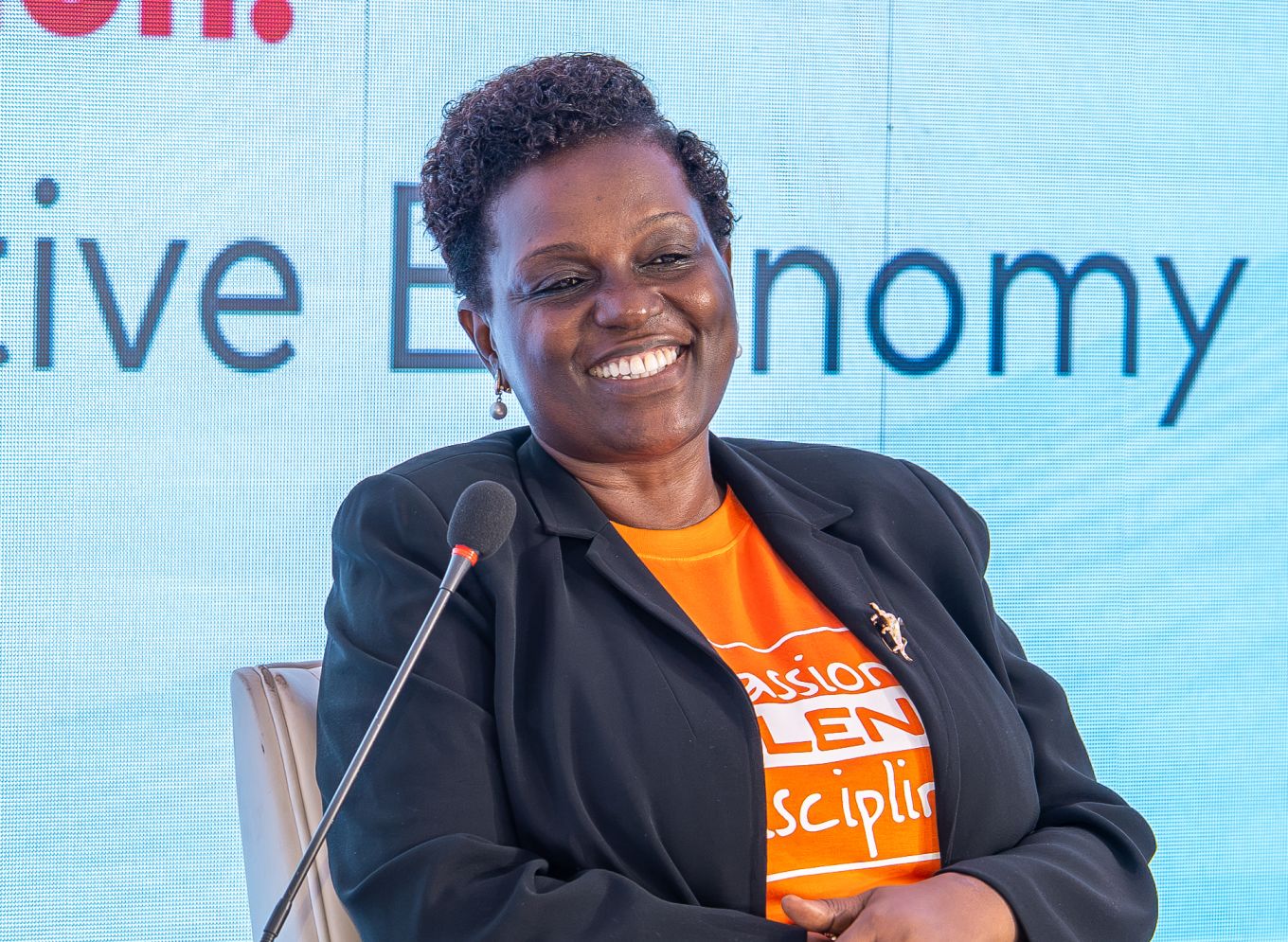
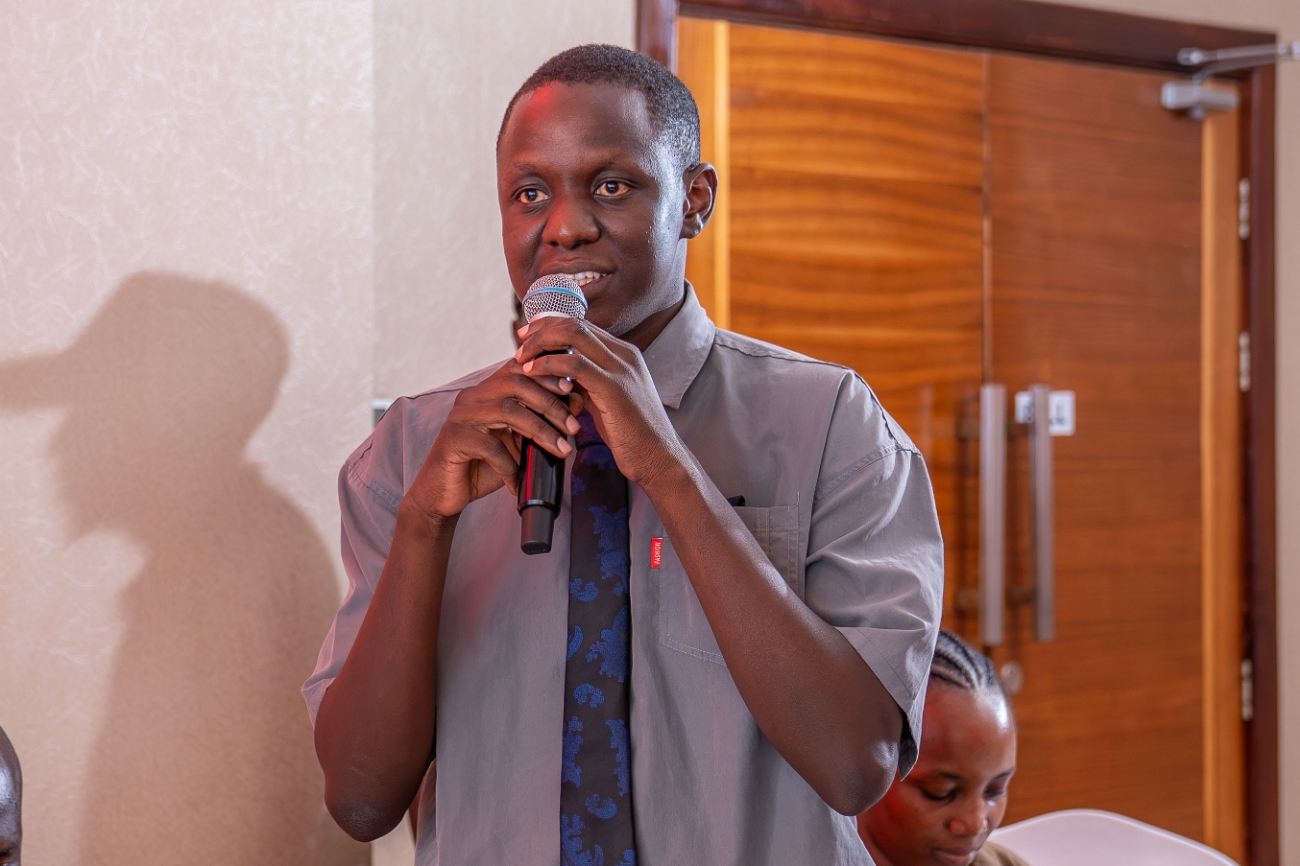
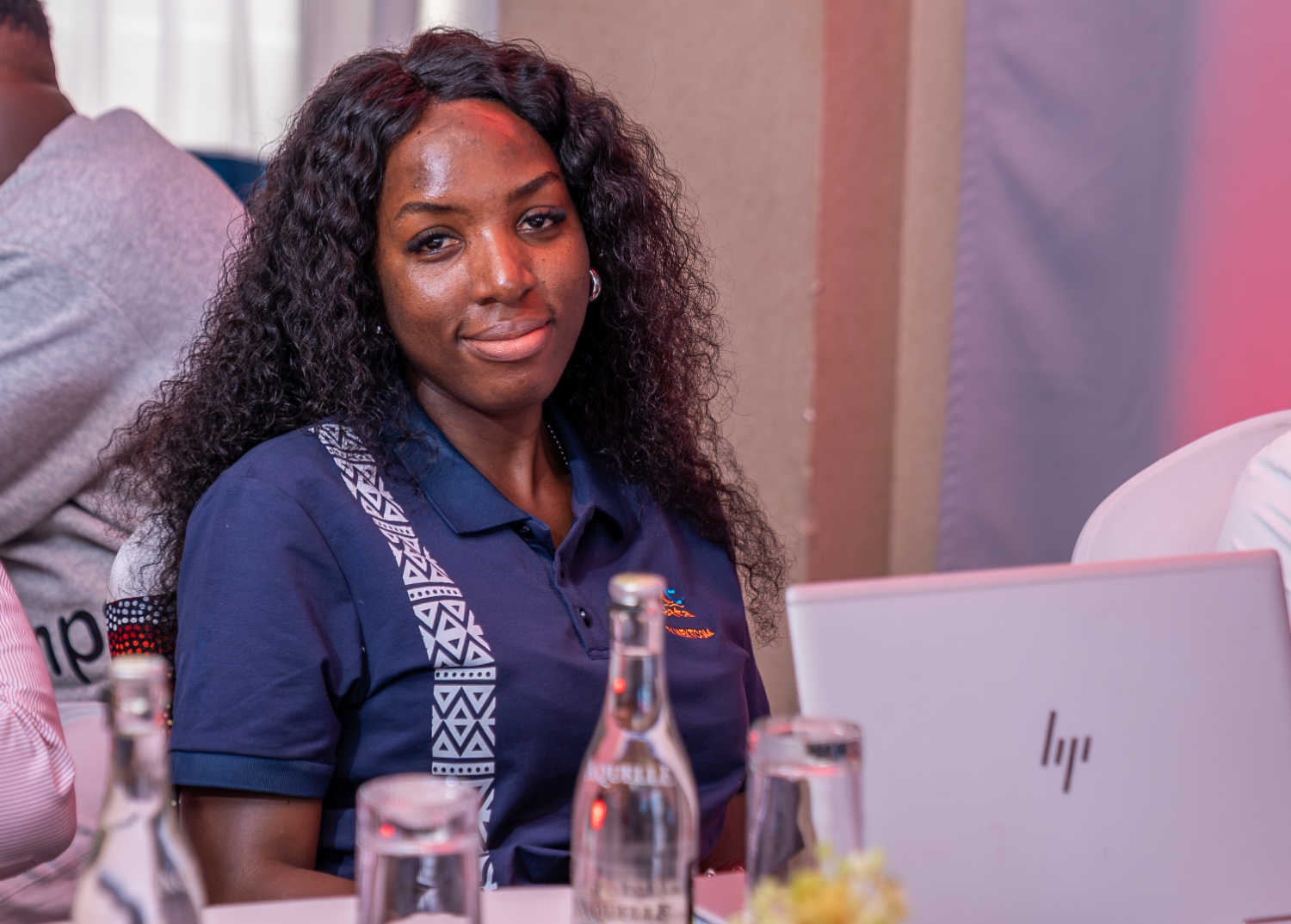
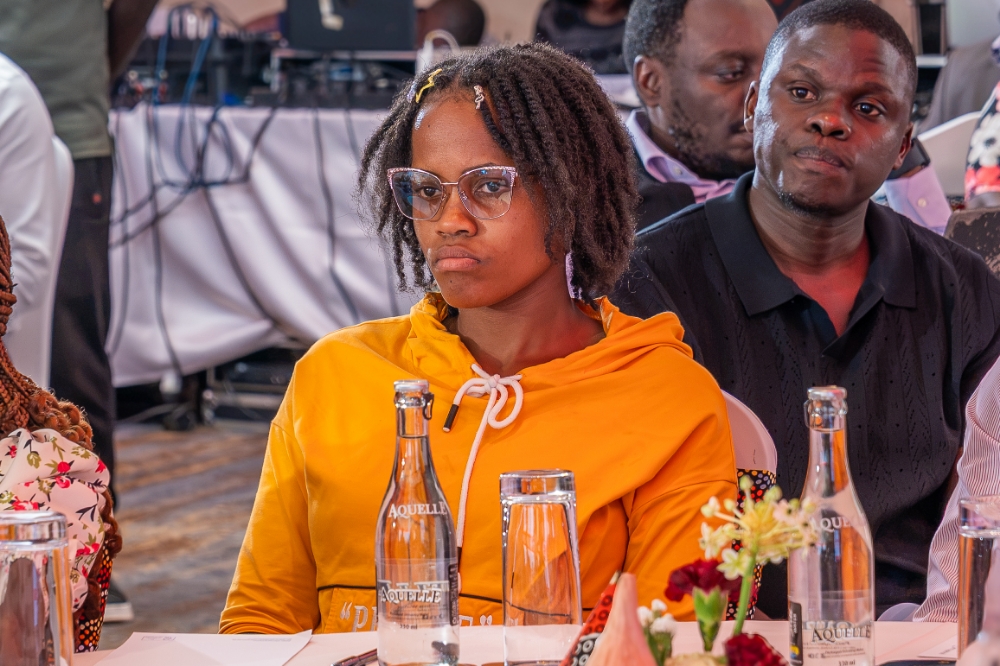
CREATE Media Café — On Monday, 26 October 2026, journalists, creatives, policymakers and development partners filled a conference room at Golden Tulip Hotel for an afternoon that refused to stay on the surface.
The CREATE Media Café, themed “Beyond the Spotlight: Reporting Uganda’s Creative Economy for Impact,” was never intended as another celebrity chat or red-carpet recap. It was a deliberate attempt to shift the national conversation from gossip and entertainment headlines to the businesses, jobs, skills gaps and young women who keep the industry running long after the lights go down.
Organised by the International Trade Centre (ITC) in partnership with Bayimba Foundation and the Mastercard Foundation under the Young Africa Works strategy, the event brought together the people who make the work and the people who tell the stories about it.
What Exactly Is CREATE and Why Does It Matter Now?
CREATE is a project under ITC for Enhancing Skills and Enabling Financial Inclusion for Young Women in the Creative Economy. It is a three-year pilot programme that began in October 2025.
The target is clear: reach 84,000 young women creatives across 13 districts and enable 40,000 of them to access dignified and fulfilling work. The programme focuses on three sub-sectors: audiovisual and digital media, performing arts and theatre, and fashion, textiles and handicrafts.
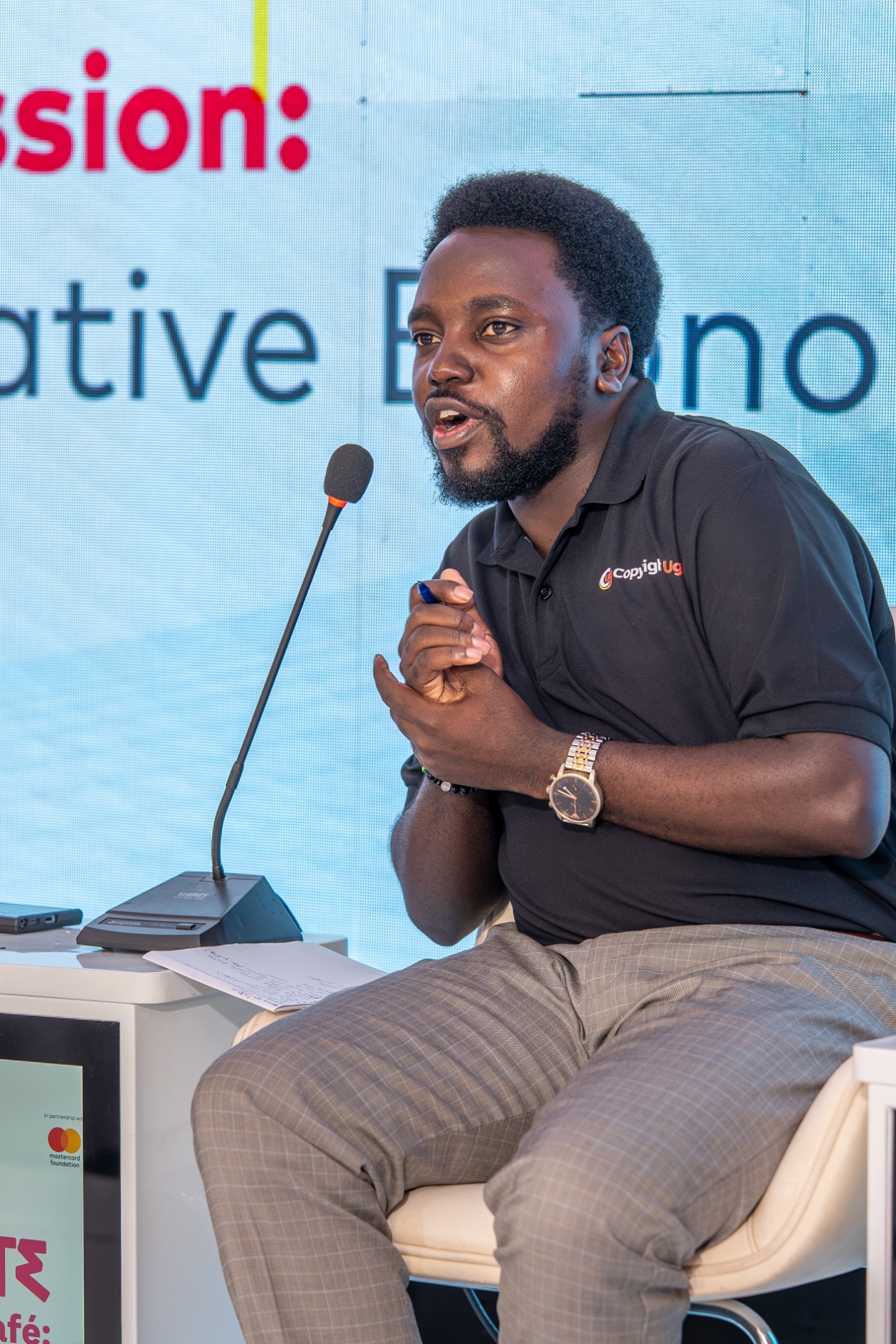
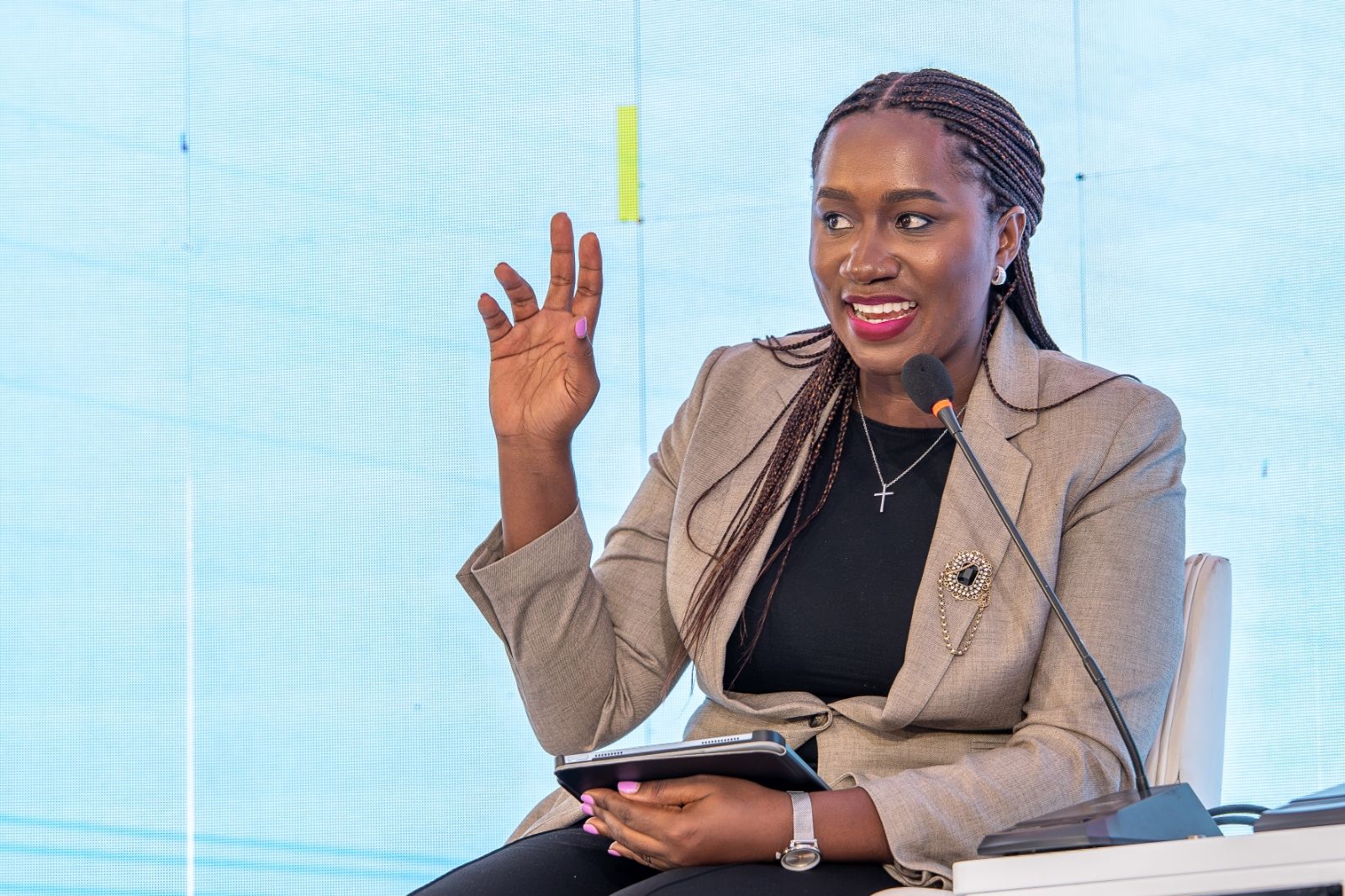
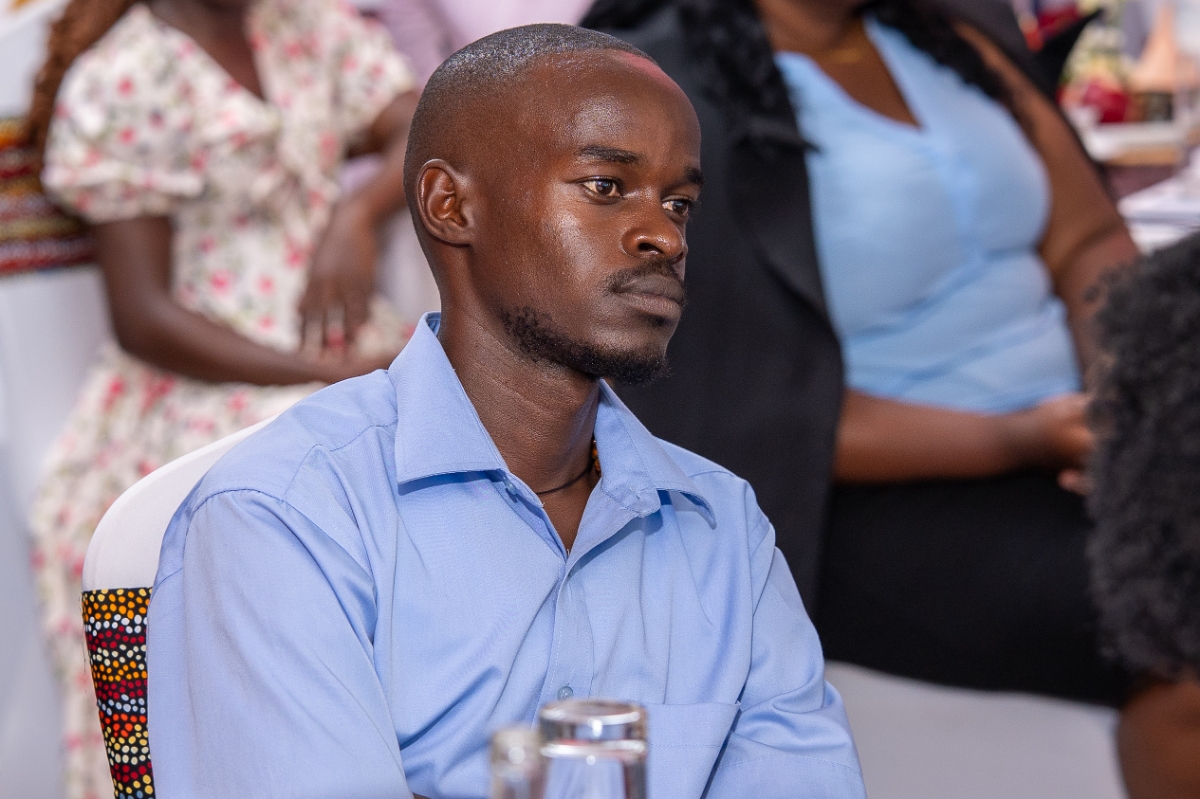
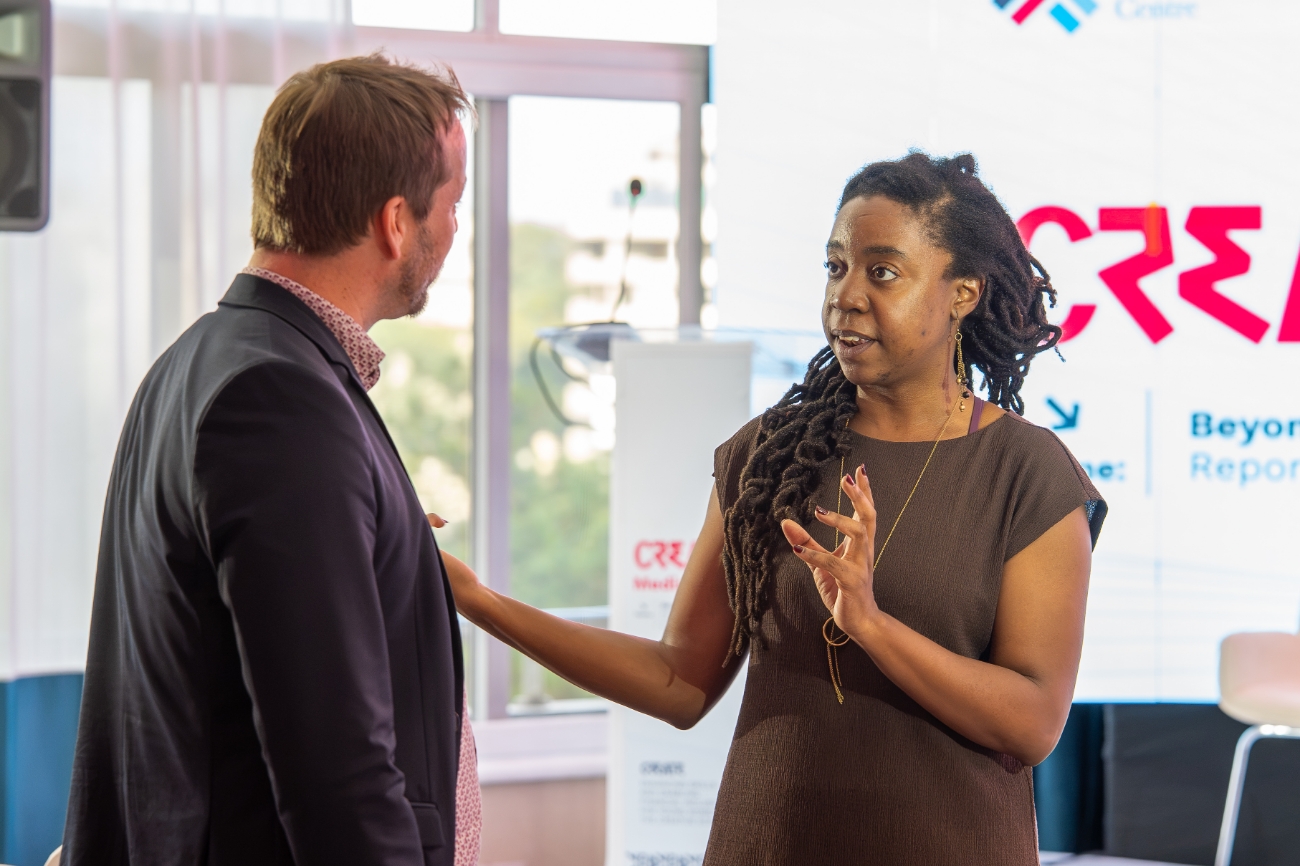
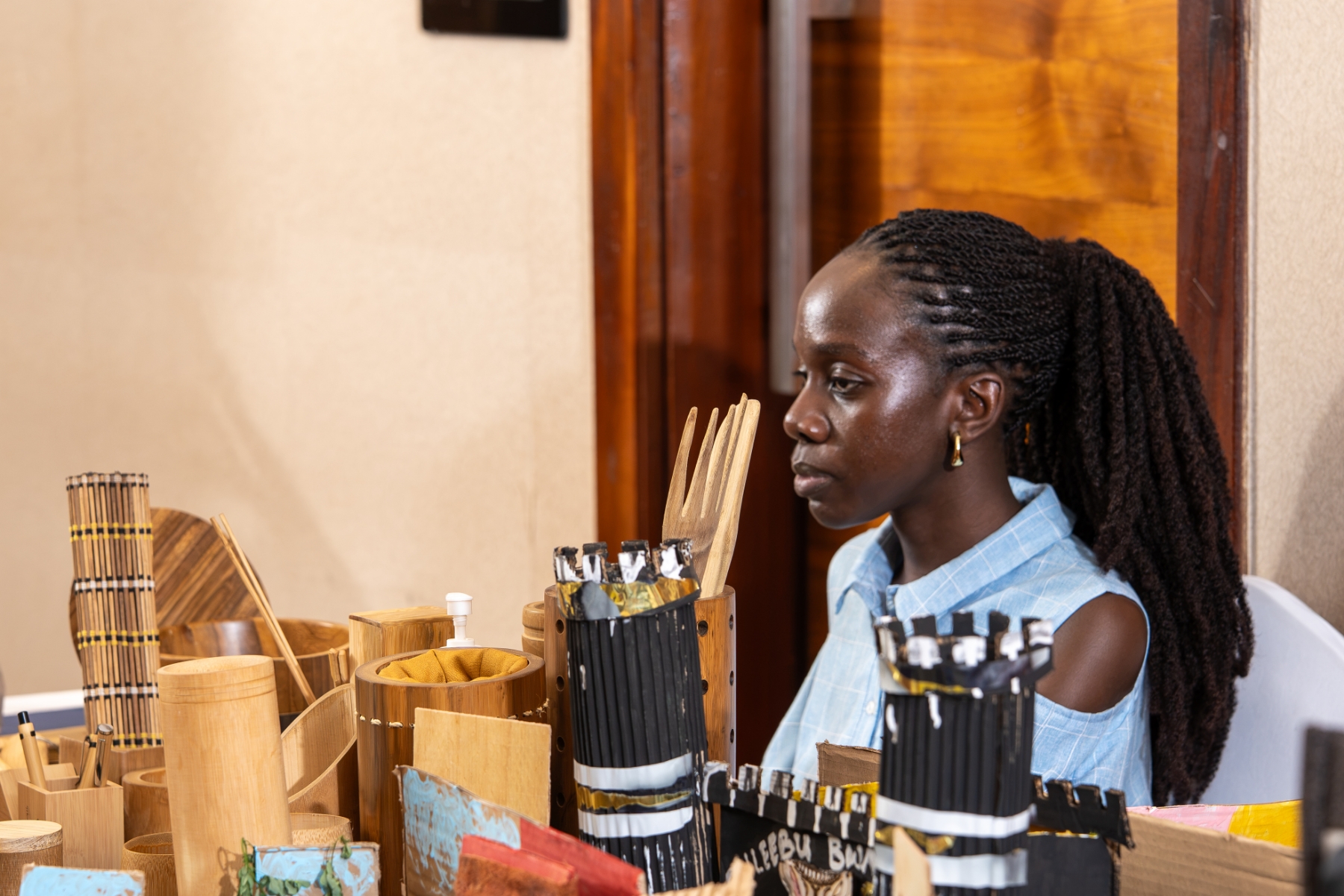
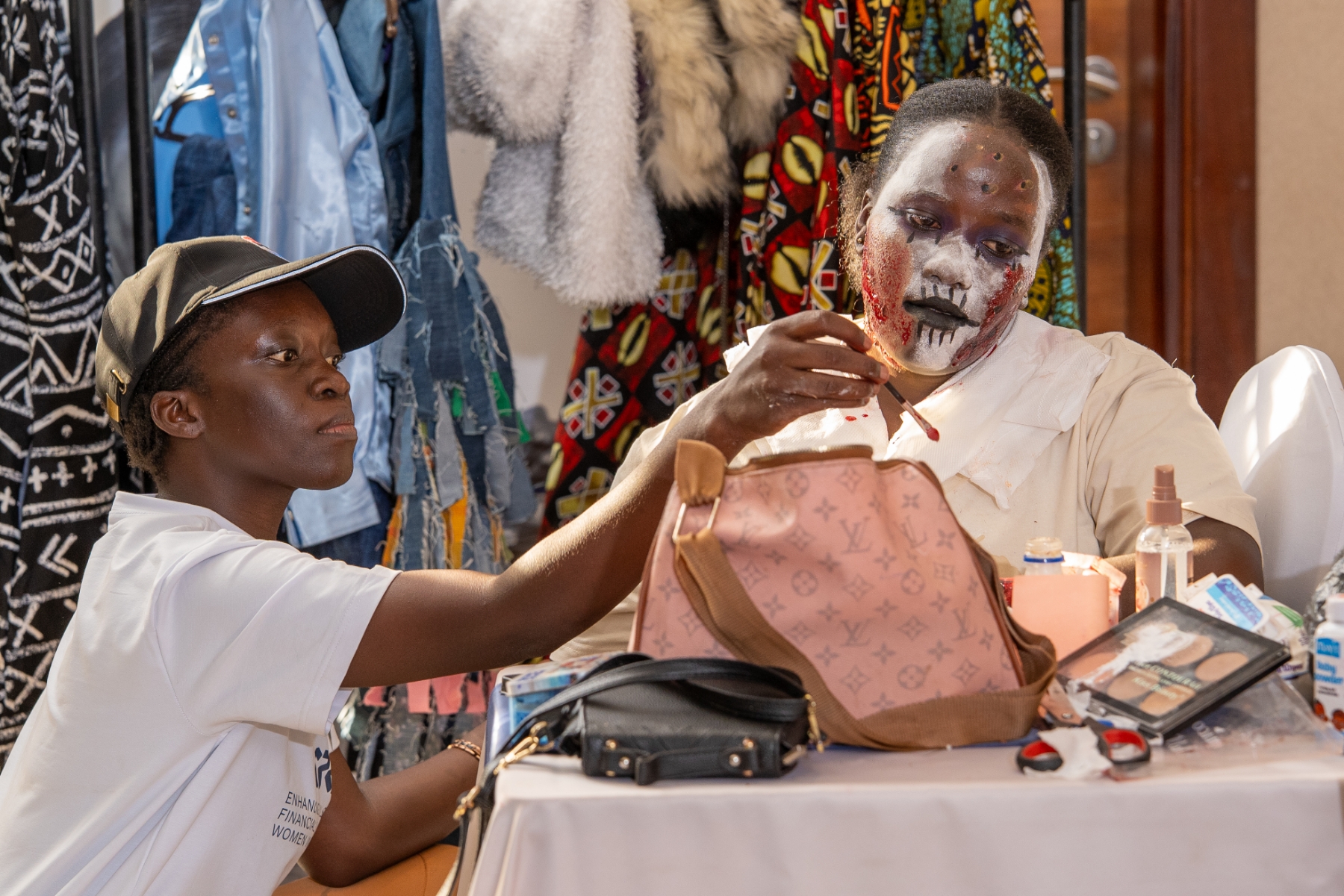
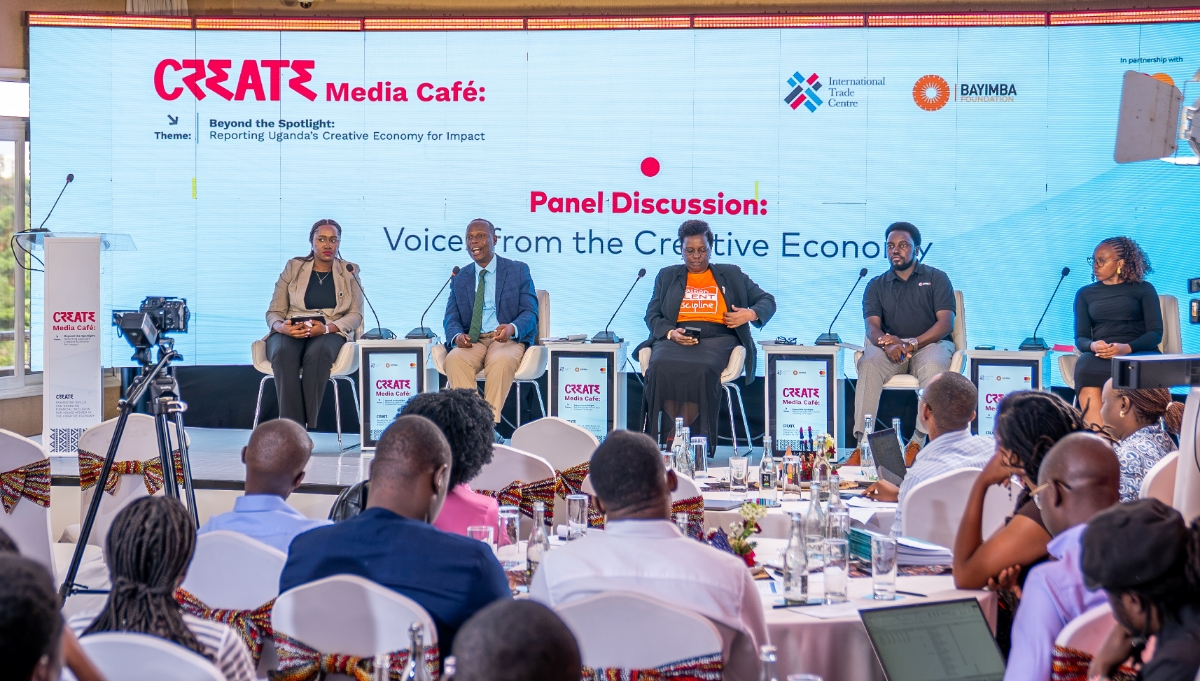
Deborah Asikeit, Project Manager at the International Trade Centre, set the tone early.
“Creative work is not a hobby. It is an economy,” she told the room. “Skilling alone is not sufficient. You can’t train me on how to make a beautiful dress if I cannot get it to the market, market it, or access finance.”
CREATE works through three pillars: skills and talent development, market linkages and business support, and inclusive finance. Participation is free. The only requirements are that applicants are young women aged 15 to 35. The programme deliberately targets 6 percent young refugees and 4 percent young persons with disabilities.
By the end of its first year, CREATE had already reached 5,521 young people through work-enabling outreach. Of these, 699 were already in work and 61 creative enterprises had received support to grow and formalise. A draft National Creative Industries Strategy had also been handed to the Ministry of Gender, Labour and Social Development.
Who Is Behind the Programme and Where Does It Operate?
The consortium is led by the International Trade Centre, with Bayimba Foundation as the local lead. Delivery partners include NextCom, Steadman Global, Seed, WaKaribu, QwaTesh, Rapatapa, Mariam Ndagire Foundation, African Writers Trust, Kitara Nation and Wowzi.
Urban and suburban centres covered include Kampala, Jinja and Mbarara. Rural districts include Buikwe, Mukono, Kayunga, Arua, Kitgum, Moroto, Butaleja, Mbale, Bundibugyo and Fort Portal.
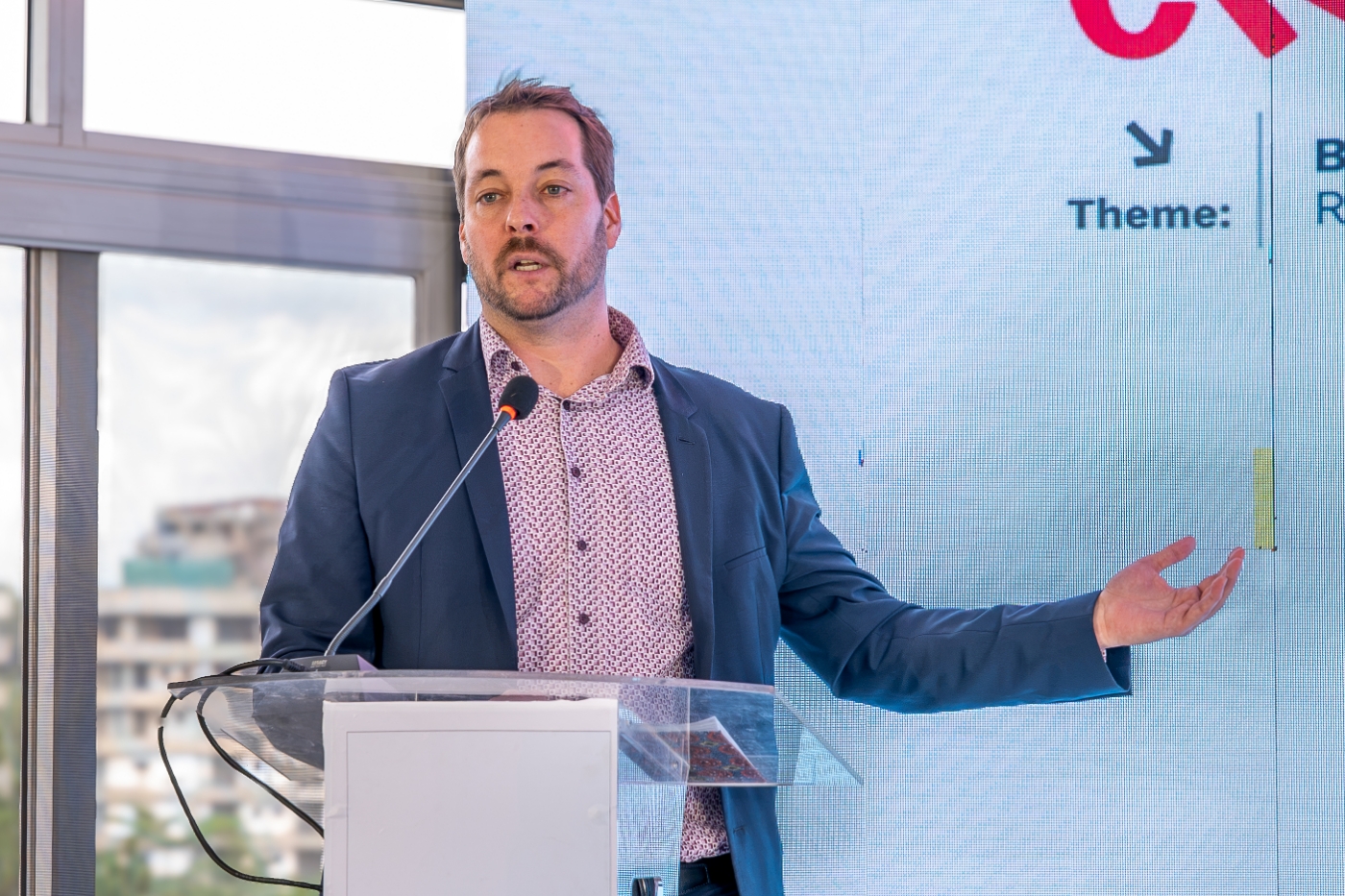
Raimund Moser, Chief of the Women, Youth and Vulnerable Communities Section at ITC, placed the programme in a wider global context.
“ITC is a joint organisation of the United Nations and the World Trade Organization. Our focus is on connecting micro, small and medium-sized enterprises to markets. CREATE takes a market-led approach so that training does not stop at knowledge but creates actual pathways to work.”
He noted that the creative industries are growing worldwide, barriers to entry can be lower than in other sectors, and the Government of Uganda has already signalled intention through the National Development Plan and the emerging creative industries strategy.
What Does Dignified and Fulfilling Work Actually Mean?
Asikeit was careful to define the term.
“It is not just getting the work. It must be work that one takes pleasure in doing, that one is satisfied in, and that one feels respected in.”
The programme therefore goes beyond short courses. Participants move from core training into business development services, graduation with a market-ready portfolio, internship placement, and then access to enterprise support and finance.
Safeguarding is treated as non-negotiable. Venues are assessed for accessibility. Sign language interpretation and assistive devices are provided where needed. Childcare support is considered for young mothers. Partners are required to develop and actualise safeguarding policies so that young women, especially those working at night or travelling for productions, feel safe.
How Are Young Creatives Already Benefiting on the Ground?
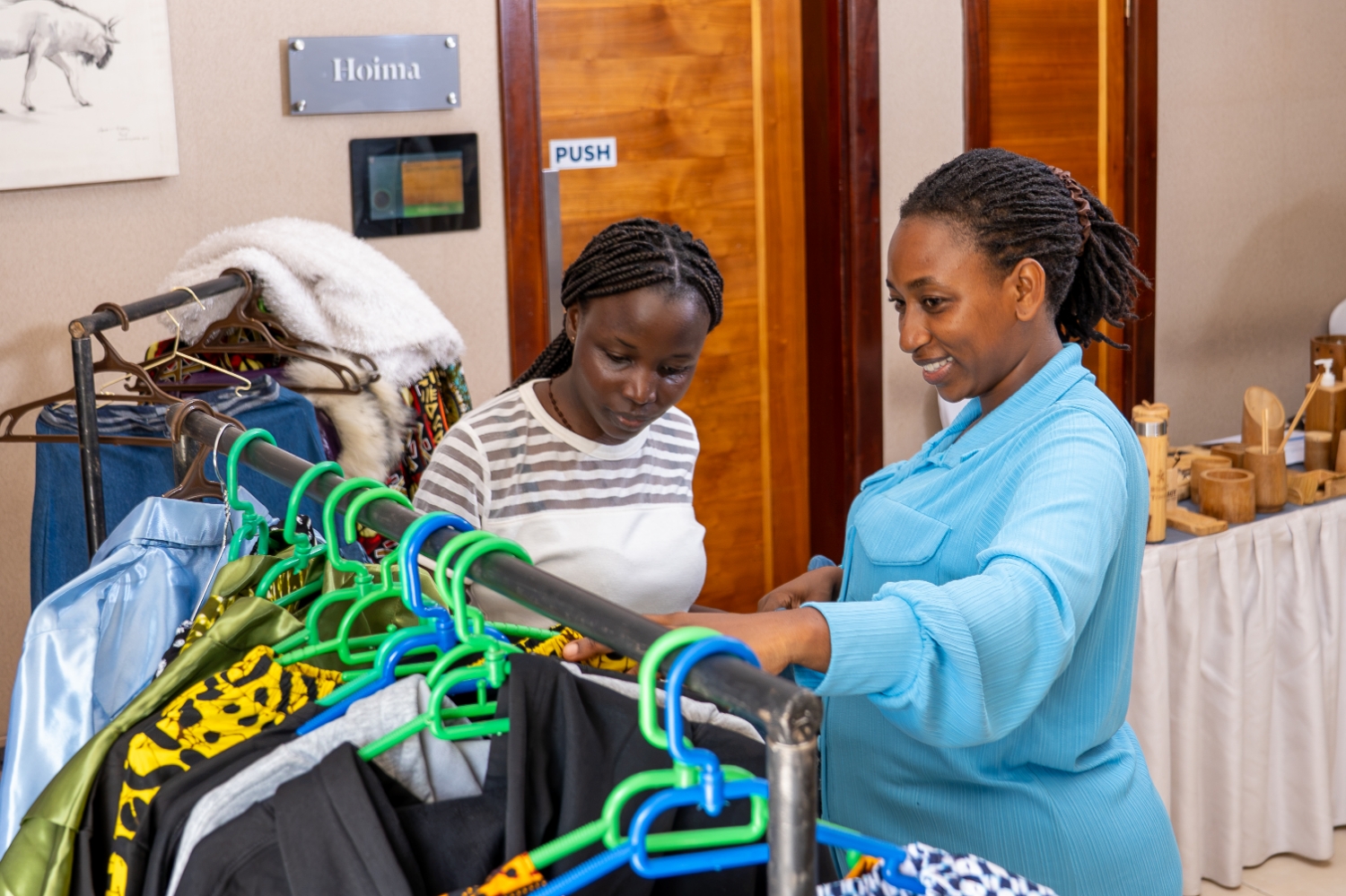
Dorothy Ntenyingi, founder of Kristy Creatives, offered a practical illustration. Her company turns bamboo into souvenirs and corporate gifts. In just two years the business has begun supplying almost half of the companies seeking sustainable products in Uganda.
“The bamboo industry is still very young here. That gap has been an advantage. We work with growers, manufacturers and other stakeholders under Bamboo Uganda. The interest in sustainable products has kept us in the market.”
Mariam Ndagire, veteran of more than three decades in theatre, music and film and founder of the Mariam Ndagire Foundation, pointed to the speed of transformation once structured training is available.
“I gambled my way through. But the girls we have nurtured in the theatre residency under CREATE are taking just a few months to get out there and do wonderful things. One of them was hired by Africa Magic for set design after only six weeks with us. If these girls are given direction, this industry is going to be changed.”
Why Has Media Coverage of the Creative Sector Remained Shallow?
Patrick Ssentongo, arts and culture journalist at Daily Monitor, diagnosed the problem from inside the newsroom.
“The newsroom is a fast-paced environment with deadlines and limited space. Gossip is easier to catch. A deep feature on a creative business requires interviewing multiple people, checking statistics, and understanding informal structures. Those statistics have historically been hard to find. There is no one-stop centre.”
He added that many institutions still invite general media or social media influencers for trend rather than specialised culture journalists who can ask harder, more useful questions.
Mariam Ndagire was more direct.
“Media has not been our friend. There are very good, inspiring stories that can be told, but they pick up the negatives mainly. These things pull down the artists. Please find the people, ask the questions, and get the right information before you put something out that destroys an artist who has worked so hard.”
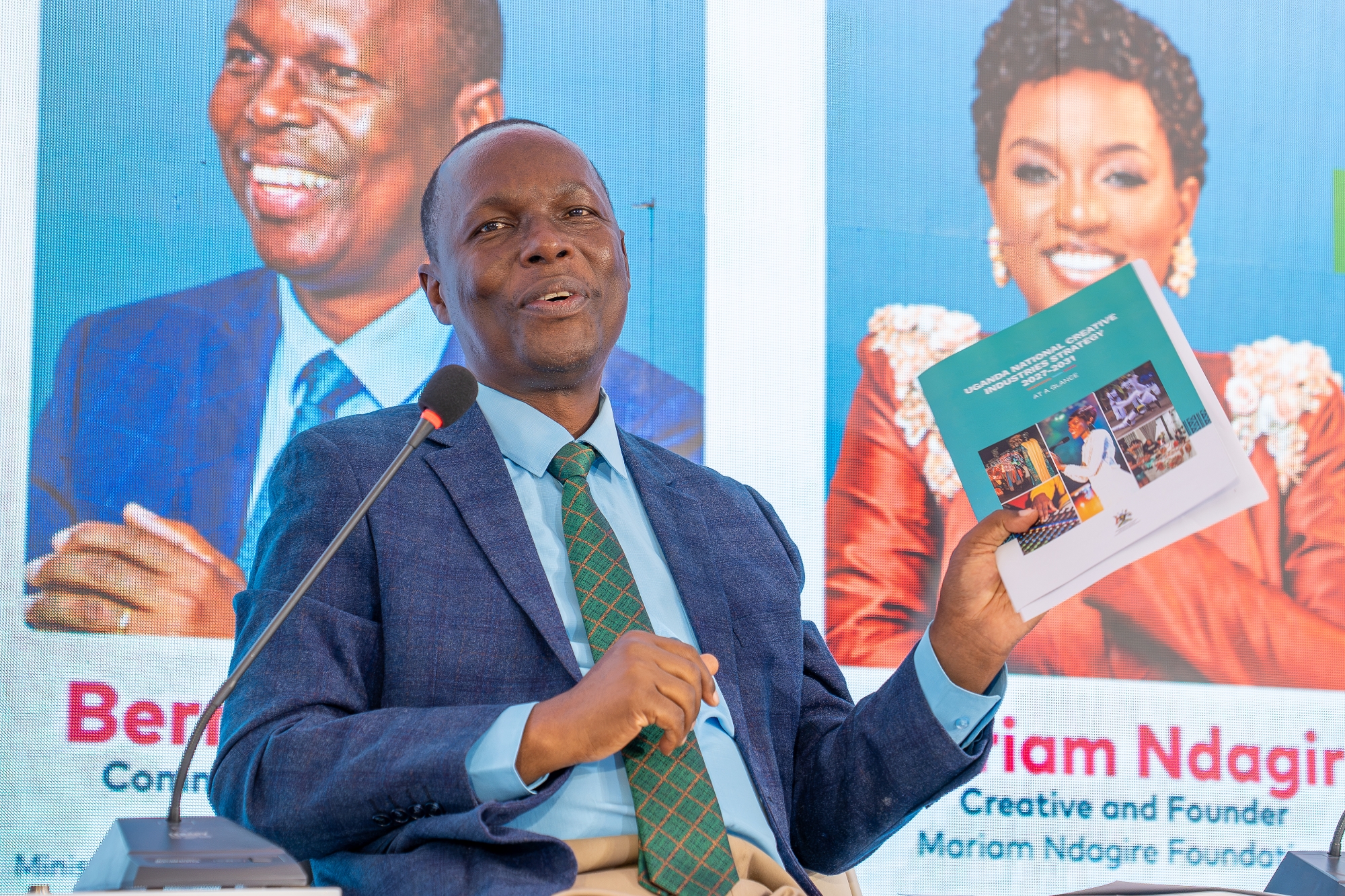
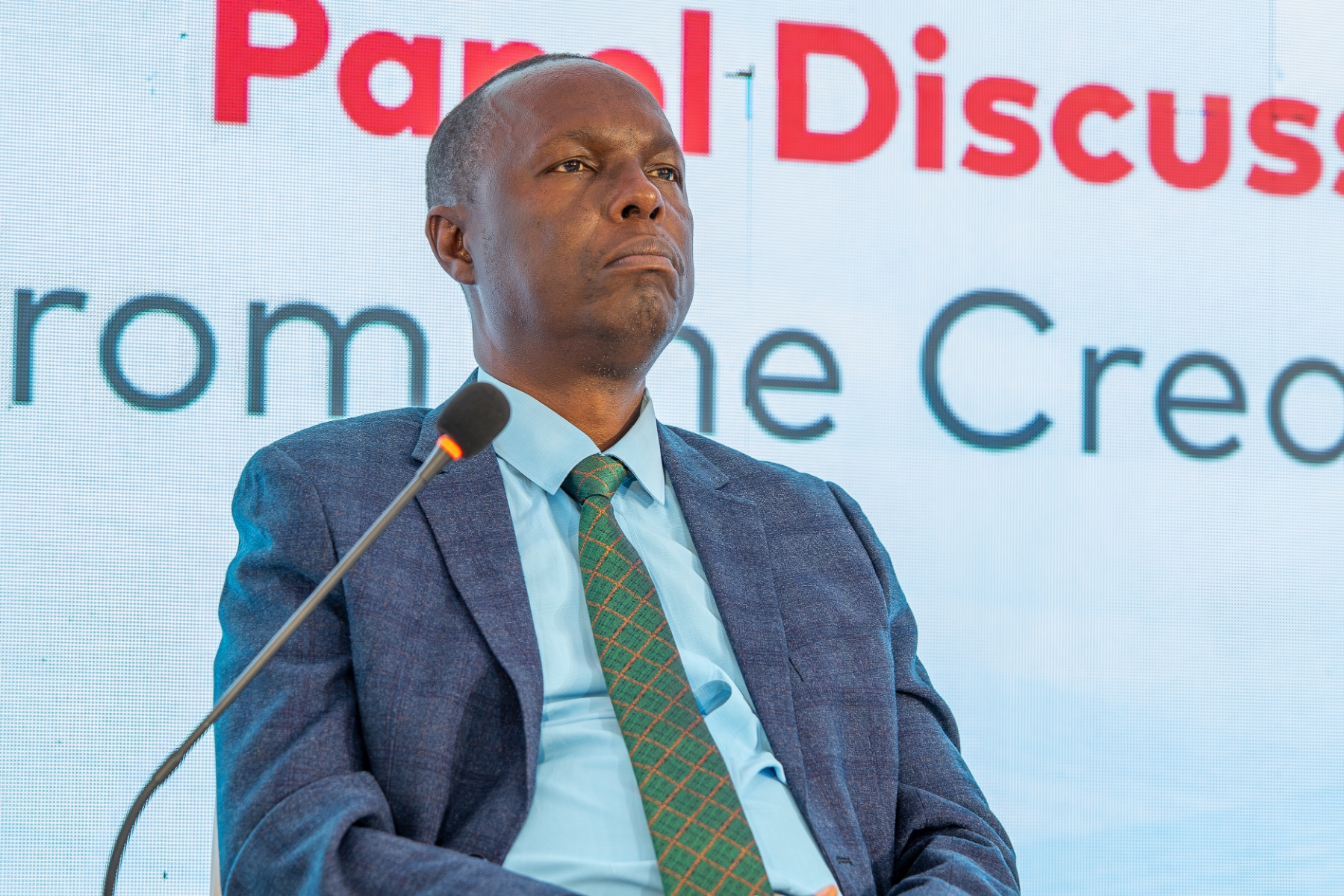
Commissioner Bernard Bakaye Lubega of the Ministry of Gender, Labour and Social Development illustrated the same problem with a story. When a senior official once asked for a cultural performance at a high-level event and balked at paying professional rates, Lubega refused to settle for “smelly costumes.”
“We must look at the creative sector as a strategic economic sector like others. Creativity is a resource that is transformed into businesses, cultural goods and services. People earn money out of it.”
He held up the draft National Creative Industries Strategy and explained its purpose: to end the fragmentation that forces a musician to be his own manager, gatekeeper and performer all at once, and to give every player — from scriptwriter to marketer — a clear professional space.
What Do Creatives, Journalists and Government Actually Want from Each Other?
The panel produced a clear list of asks.
Creatives want behind-the-scenes storytelling that follows the full value chain — from bamboo growers to finished souvenirs, from set designers to the final production. They want positive but accurate coverage that builds markets rather than destroys confidence.
Journalists want credible, timely data, access to verified sources, and year-round story opportunities rather than only product launches. They want creatives to pitch stories with a business, employment or sustainability angle so that culture can compete with politics and crime for space.
Government wants the media to treat the sector as an economy, to report the substance of performances and productions rather than only the scandals, and to help shift public consumption towards Ugandan content. Lubega noted that music has already moved further than film or fashion in this direction.
“Can you dress Uganda?” he asked fashion designers in the room. “If we said no more importation of clothes tomorrow, do you have the capacity? That is where we should be going.”
He also challenged filmmakers: if foreign films were banned, would Uganda produce enough quality local content to fill the screens for a full year?
How Is Finance Being Unlocked for Creative Businesses?
CREATE is preparing to issue grants to 750 businesses and concessional financing to 1,900 businesses. Lenders are being trained to understand creative enterprises so that a sound engineer or set designer is no longer an unrecognisable client.
Government has already allocated 28 billion Ugandan shillings for soft loans to the creative sector through regional SACCOs. An Arts Council is proposed to enforce quality standards and professional structures.
Asikeit was firm on one point: CREATE interventions are free. Any partner charging participants is committing a safeguarding violation.
What Headlines Do the Key Voices Want to Read in 2027?
Commissioner Lubega: “Uganda’s Creative Economy, the New Engine of Growth: Thousands of Youth Jobs Created as Local Talent Conquers Regional and Global Markets.”
Mariam Ndagire: An industry with proper infrastructure — film villages, theatres across the country, and co-production treaties that take Ugandan work global.
Dorothy Ntenyingi: A young creative from a programme like SEED running a sustainable business that inspires other startups beyond the idea stage.
Patrick Ssentongo: “How Uganda is Turning Creative Work into Sustainable Livelihoods” and a call for an independent Ministry or Arts Council for the creative sector.
Why This Conversation Matters for Every Ugandan Who Reads the News
The CREATE Media Café was not a one-off publicity event. It was the public opening of a longer relationship. ITC and its partners are inviting journalists to visit training sites, verify figures directly, and walk with the programme as it evolves. They are also asking media houses to allocate consistent space the same way sports receives daily coverage.
For young women already in the programme, the difference is practical. A set designer hired by Africa Magic after six weeks of structured training. A bamboo artisan whose products reach half the corporate gift market. Hundreds of young women who now have portfolios, internships and a clearer path to income.
For the rest of the country, the stakes are larger. Uganda’s creative industries already contribute an estimated 3 percent to GDP, placing them among the top economic sectors. With better skills, better finance, better safeguarding and better storytelling, that contribution can grow into thousands more dignified jobs.
The spotlight has always found the celebrity. On 26 October 2026 at Golden Tulip Hotel, the people behind the spotlight finally demanded, and began to receive, the attention their work deserves.