
“When in Rome, do as the Romans do” — and FIFA is following suit. For the first time in its history, the World Cup final will feature a halftime show, drawing inspiration from the long-standing tradition of the American NFL’s Super Bowl.
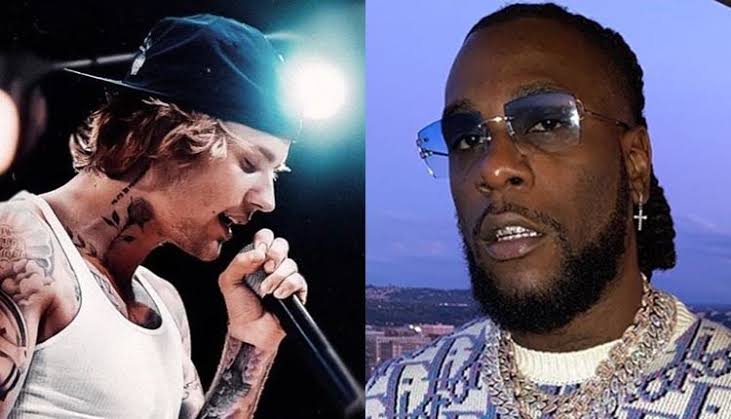
Initially, the lineup was announced without him, but in a welcome twist, Justin Bieber has been confirmed as a co-headliner. He joins an already star-studded roster that includes Shakira, Madonna, and BTS. Also taking the stage is Nigerian Afrofusion giant Burna Boy, rounding out what many are calling one of the most ambitious musical lineups in sports history.
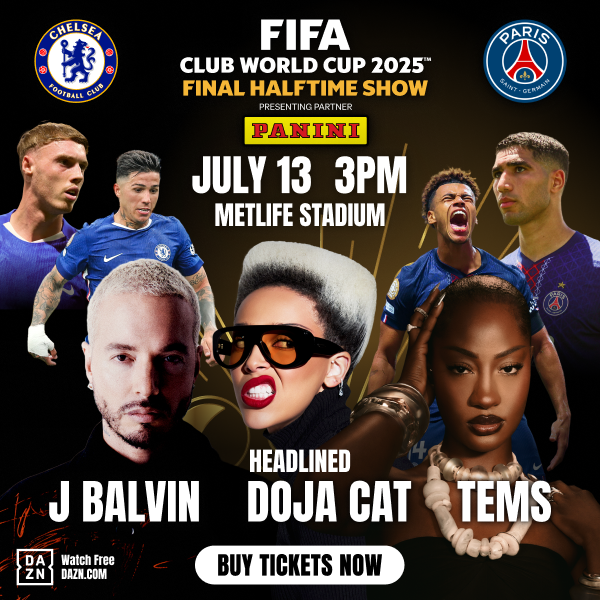
Curated by Coldplay’s Chris Martin, the World Cup Final Halftime Show performance will support the FIFA Global Citizen Education Fund, which aims to raise $100 million (£73 million) for children’s education worldwide. The show is set to be a spectacle, especially after last summer’s Club World Cup final in the U.S.—which featured Chelsea vs. Paris St-Germain—ran a halftime segment lasting over 24 minutes.
A Brief History of the Halftime Show
The Super Bowl Halftime Show has been a cultural staple since the 1990s. A major turning point came in 1993, when Michael Jackson headlined Super Bowl XXVII, elevating the event from marching bands and drill teams to a showcase for global superstars.
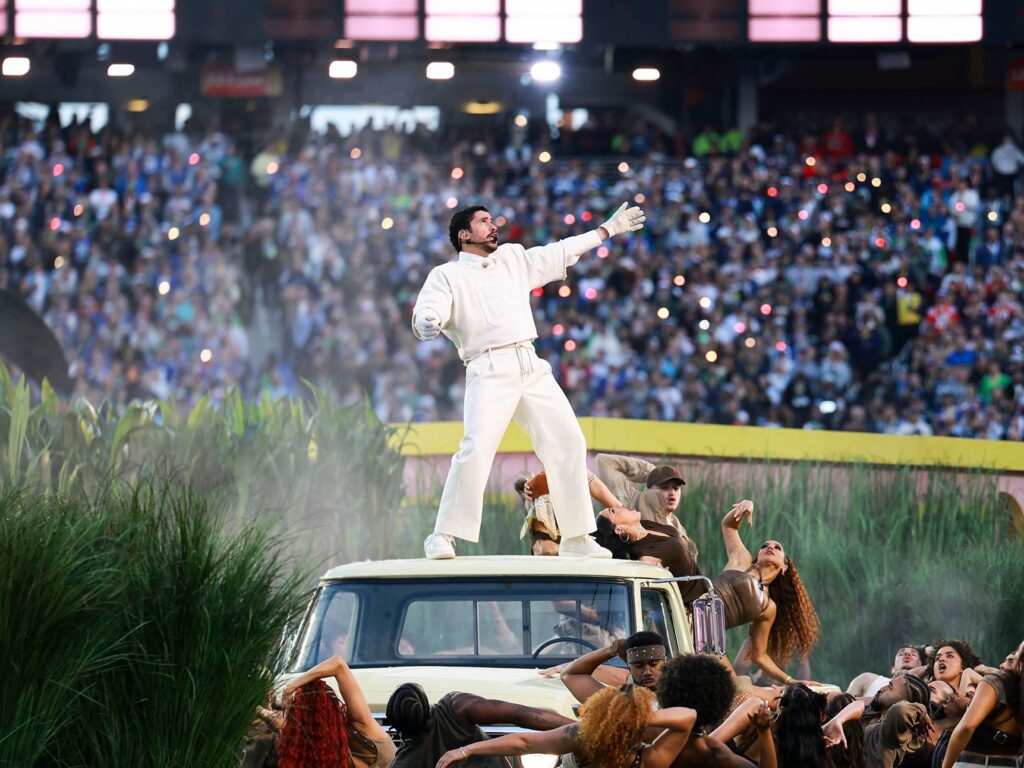
Fast forward to February 2026, and Bad Bunny headlined Super Bowl LX from Levi’s Stadium in Santa Clara, California, joined by Lady Gaga (who previously headlined Super Bowl LI in 2017). That performance currently holds the record as the most acclaimed halftime show ever, earning Bad Bunny nine Emmy nominations. The question now: Can FIFA’s debut effort rival—or even surpass—that legacy?
Mixed Reactions about the World Cup Final Halftime Show
While many fans are ecstatic—“Bieber, Madonna, Shakira, BTS, AND Burna Boy?! This lineup is insane”—not everyone is impressed. British media outlets have already announced they will not broadcast the show, with some critics dismissing it as unnecessary. Others have lamented that “the real World Cup died in 2018,” reflecting a broader nostalgia for the tournament’s traditionalist roots.
Whether this new halftime spectacle becomes a beloved tradition or a one-off experiment, one thing is certain: FIFA is betting big on music to make football history.