

Table of Contents
What had Keko said about Sheebah?
The Ugandan entertainment ecosystem has been thrown into a state of total frenzy following a blunt public declaration by legendary rapper Jocelyn Keko. Speaking yesterday during a recent tell-all interview on the entertainment platform Play It Loud, Keko formally confirmed for the first time that she was once in a multi-year romantic relationship with dancehall pop star Sheebah Karungi.
The revelation effectively ends over ten years of intense public speculation, rumor-mongering, and strategic public relations denials that surrounded the two artists during their mid-2010s mainstream peaks. According to Keko, the two musicians dated secretly for a solid two years before distinct differences regarding their personal career paths, professional choices, and corporate management alignments ultimately forced them down separate paths.
The admission has ignited an absolute firestorm of debate across X, TikTok, and various lifestyle blogs, pulling in commentary from top-tier socialites, media managers, and fan caucuses. It has triggered a massive, real-time reflection on how legacy music executives went to extreme lengths to manufacture and protect clean corporate images, and how the modern digital landscape completely strips away long-held industry secrets within a matter of minutes.
What did rapper Keko reveal about her past romance with Sheebah Karungi?
During her appearance on Play It Loud, Keko spoke with absolute candor regarding the timeline, operational dynamics, and eventual collapse of her intimate relationship with Sheebah. The rapper specified that the two were deeply involved for two years at a time when Keko was arguably the biggest mainstream hip-hop star in East Africa, having signed a historic continental deal with Sony Music.
We had a sit down interview with the rapper last year. Dig it here
Keko alleged that the early friction in their romance stemmed from professional insecurities, stating that Sheebah felt her own career was stagnating while Keko’s international profile was actively taking off.
“Yes, I did date Sheebah Karungi,” Keko stated flatly during the interview. “We were together for two years, but we eventually parted ways because she felt her career wasn’t progressing in the right direction. I think she was becoming a little desperate, while my career was taking off.”
According to Keko, the final, permanent fracture in their relationship occurred when Sheebah made the strategic move to sign under the management of powerful music executive Jeff Kiwa under Team No Sleep (TNS). Keko explicitly alleged that Jeff Kiwa viewed her presence as a direct threat to his absolute control over Sheebah’s brand and commercial direction.


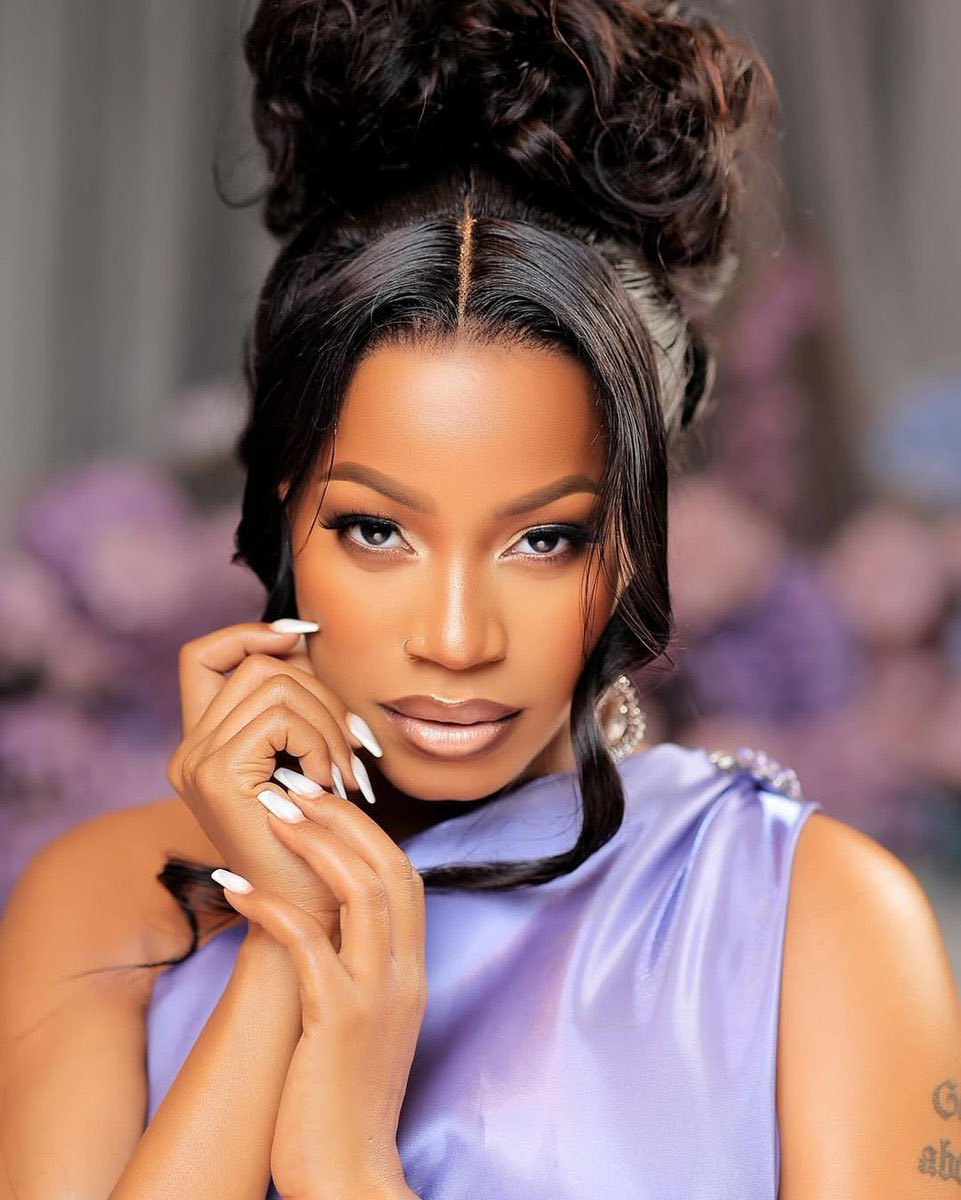

She claimed that the veteran manager actively worked behind the scenes to alienate the two artists, transform Sheebah into a corporate puppet, and launch targeted media campaigns designed to systematically sabotage Keko’s standing in the local music market.
How did Sheebah Karungi and her fans respond to the relationship confirmation?
Following the viral explosion of the interview clip, Sheebah Karungi took to her official social media platforms to address the trending topic. She posted a brief, cryptic statement: “It’s amazing how many people ‘know me’ now.”
The post immediately backfired, as the comment sections beneath her accounts were instantly flooded with thousands of mocking messages, viral memes, and direct interrogations. The iconic “Why are you geh?” meme from Ugandan television history became the dominant response across her timeline, alongside thousands of comments asking, “Can I call you mister or mistress?”
Because Sheebah has historically maintained a highly stylized, hyper-feminine physical aesthetic while Keko has consistently carried a distinctly masculine, tomboyish presentation, the public commentary quickly dissolved into crude debates over the internal dynamics of their past private life, with users aggressively asking “who ate the other” during their two-year relationship.
In total contrast to the mockery, Sheebah’s fiercely loyal fanbase, globally known as the Sheebaholics, immediately mobilized to form a protective digital shield around their artist. Rather than denying the relationship or engaging in arguments over sexuality, the Sheebaholics flooded the timelines with praises, treating Sheebah as a flawless, perfect goddess.
The core message from her fan base remained entirely supportive, with thousands declaring that they accept, love, and celebrate her exactly the way she is, regardless of her past private life or Keko’s sudden media declarations. They argued that her monumental musical contributions to Uganda’s music industry far outweigh her past relationship history.
What did Doreen Kabareebe and MC Kats say about the Keko and Sheebah drama?
The public confirmation has drawn sharp criticism from prominent entertainment industry figures who feel Keko’s declarations were entirely reckless and destructive to Sheebah’s hard-earned corporate brand. High-profile fashion model and social commentator Doreen Kabareebe released a direct, scathing public statement addressing Keko, pointing out that while Keko enjoys the legal protections and social acceptance of living in Canada, her comments have potentially damaged Sheebah’s standing in a highly conservative Ugandan society.
“Dear Keko, confirming past romance with Sheebah Karungi wasn’t necessary,” Kabareebe stated. “You live in Canada where being gay is OK and accepted. Did you think about her image before all this? Her former manager fought hard in the past to make all this go away then boom you bring it all back.”
Simultaneously, veteran media personality, emcee, and music producer MC Kats took to his platforms to deliver a wide-ranging, highly philosophical assessment of the drama. Rather than focusing purely on the sexuality aspect, Kats used the situation to address what he terms “rural-urban excitement”—a phenomenon where individuals move from the provinces into Kampala, acquire basic material possessions like cars and houses, and immediately attempt to act as if they have achieved elite financial status.
Kats argued that true wealth creation requires silent humility and long-term institutional building rather than loud, clout-chasing media statements. He noted that those who grew up around standard material comfort are completely used to these possessions, warning the younger generation of artists to stop acting rich based on temporary media hype and small material acquisitions.
Why are people mocking Sheebah Karungi over her new ‘Let’s Talk About It’ podcast?
The timing of Keko’s romantic confirmation has amplified a separate, ongoing wave of public mockery targeting Sheebah over the recent launch of her new digital audio platform, titled “Let’s Talk About It Podcast.” Stepping into the podcasting space under the self-appointed monikers “Mummy A” and “Mami Deb,” Sheebah designed the platform to serve as a space for raw honesty, maternal reflection, and personal healing.
However, her explicit declarations in the debut episodes have caused many people across the internet to openly laugh at her and make fun of her lifestyle philosophies.
The primary point of ridicule stems from a highly controversial segment where Sheebah opened up about her long-term plans for motherhood and family expansion. Despite spending over a decade branding herself as an entirely independent, fierce woman who does not require traditional marital structures, Sheebah shocked listeners by declaring that she intends to use a gestational surrogate to have her future children.
“I’m getting a surrogate, I can’t carry a baby in this billion-shilling body,” Sheebah stated during the podcast recording.
The comment has drawn immense public backlash and widespread sarcasm, with critics and commentators mocking her for vanity. Social media users have heavily trolled the singer, pointing out the irony of a public figure claiming her physical body is worth a billion shillings to avoid the natural process of pregnancy, while simultaneously attempting to brand her podcast as a grounded haven for authentic motherhood and emotional healing. The statement has alienated a large cross-section of her traditional audience, who now view her self-worth proclamations as completely out of touch with reality.
Who is Keko and why did her home district of Tororo struggle to support her?
To understand the tragic, complicated trajectory of Jocelyn Keko, one must analyze her journey as both a musical pioneer and a social outcast. Emerging out of Tororo District in Eastern Uganda, Keko completely revolutionized African hip-hop in the early 2010s. Her sharp English delivery, immense swagger, and historic breakout anthems—most notably the monumental “How We Do It” remix alongside legendary vocal duo Radio and Weasel—propelled her to international stardom, culminating in multi-million shilling corporate endorsement deals and a major recording contract with Sony Music Africa.
However, her career faced a severe, well-documented downward spiral driven by intense, public struggles with severe drug and alcohol addiction. As her substance abuse escalated, it derailed her international recording schedules, strained her professional relationships, and eventually forced her to take an extended creative break from music.
This addiction, combined with her early public hints regarding her attraction to fellow women, created an immense cultural barrier between Keko and her home district of Tororo. Tororo remains an extremely conservative, deeply religious region where traditional family structures and strict moral baselines are heavily enforced.
The moment Keko began openly falling for fellow women and publicly spiraling due to substance dependency, the elders and community members in Tororo found it incredibly difficult to continue showing her public love or celebrating her as a regional icon. For years, her story was treated back home with a mixture of cultural shame and deep regret over lost potential.
Although Keko has recently relocated back into active recording spaces, releasing a string of new independent singles in 2026 including tracks like “Dance” and “Do It,” her current musical footprint has failed to achieve the massive, chart-topping commercial success of her early career. The local music landscape has dramatically shifted, leaving the veteran rapper to navigate an entirely new, highly competitive digital space where her historic records are revered, but her current catalog struggles to find mainstream radio rotation.