
Table of Contents
When did Alan Kasujja talk about his short press release style which is trending on X?
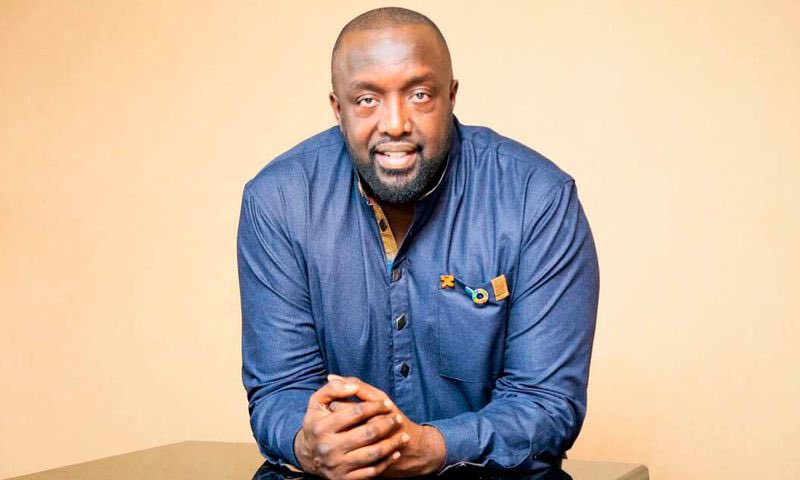
Renowned broadcaster and newly appointed Executive Director of the Uganda Media Centre, Alan Kasujja, recently appeared on 93.3 KFM’s flagship morning show, D’Mighty Breakfast, hosted by Beewol. The conversation offered a deep, unfiltered look into his operational philosophies, his transition from international journalism to state communications, and his uncompromising defense of the country’s reputation against external panic-inducing headlines.
As a veteran broadcaster who has dominated local and international airwaves for over three decades, Kasujja is using his new government mandate to challenge both traditional communication structures and the western media’s coverage of public health events in East Africa.
Why is Alan Kasujja writing single-sentence press releases on X?
A major talking point trending across Ugandan social media platforms is the remarkably short length of recent official public announcements shared on X (formerly Twitter). Rather than deploying the traditional, multi-page blocks of bureaucratic text that historically defined government public relations, Kasujja’s updates have frequently been as short as a single sentence. When questioned by Beewol about this unconventional approach, Kasujja defended the minimalist strategy as a deliberate tool for maximum clarity and immediate impact.
Rather than trying to completely rewrite the rules of communication for the sake of it, his focus is purely on straightforward execution.
“I write short press releases to get the job done, not necessarily to start a revolution or to change how things work,” Kasujja explained.
The strategy is aimed at helping corporate and public communication practitioners realize that a message can be highly condensed and still remain entirely sensible and effective in a fast-paced digital environment.
Also read about Hon Ssemujju who has joined X
What is Alan Kasujja’s professional philosophy on dealing with corporate clients?
During the radio engagement, Beewol pressed Kasujja to offer advice not as a detached executive sitting at the top of the state media apparatus, but as an insider who has navigated the strict limitations of the professional system. Kasujja revealed that his uncompromising standard for professional independence was established very early in his career, driven in part by his distinctive physical presence.
“I think I was the tallest baby to be born in Africa; I have always been very tall even in all the schools I attended,” Kasujja reminisced. “This pushed me to always do outstanding things instead of just fitting in.”
This refusal to merely blend into the background directly shaped his commercial work ethics. He revealed that during his younger years in corporate spaces, he routinely fired clients who refused to respect his operational boundaries or tried to micro-manage his creative execution.
“I believe in the idea that a client should give me the job and allow me to get the task done instead of controlling how I do it. How I do it doesn’t really matter,” Kasujja stated.
Addressing the public criticism and online pushback that occasionally follows his minimalist official briefs, he remained completely indifferent, noting: “I don’t even care about backlash, because that’s just people’s opinions.”
Is the international media exaggerating the Ebola crisis in Uganda?
A core segment of the interview focused on the ongoing frustration regarding how western media conglomerates, such as Al Jazeera, are portraying public health situations in East Africa. Kasujja expressed deep disapproval of international networks that are grouping statistical data from Uganda and the Democratic Republic of Congo (DRC) together, a practice that creates an inaccurate, toxic narrative that tarnishes the reputation of African nations.
Drawing on his extensive, firsthand experience working inside major western newsrooms, Kasujja explained that he understands the exact editorial criteria and sensationalist motives these houses use to manufacture panic-inducing headlines. He noted that during his time in international journalism, he often trashed poorly conceived press releases because they simply failed to make logical sense.
“I won’t allow these international media to tarnish the name of our country while I’m watching. There is no panic in Uganda; we are just taking preventative measures,” Kasujja asserted fiercely.
He clarified the true statistical baseline of the situation, confirming that Uganda remains safe. The actual cases documented are tied to cross-border dynamics from the Congo, totaling exactly nine individuals composed strictly of health officials and drivers, meaning no general Ugandan citizen has contracted the virus.
Kasujja went on to express strong confidence in the state’s historical capacity to handle health crises, drawing a direct parallel to the early years of the current administration. “Think about how M7 [President Museveni] found Uganda struggling with HIV, and he still cooled the situation down,” he noted, emphasizing that the country’s pandemic containment structures are proven and resilient.
How is Alan Kasujja adjusting to his new role at the Uganda Media Centre?
Transitioning from a free-thinking independent journalist to a high-ranking state spokesperson has introduced unique professional challenges for the veteran broadcaster. Kasujja admitted that managing his personal voice under a formal state mandate requires continuous self-filtering, an adjustment he is still navigating.
“I am the type of guy who works very hard because there’s no rest for people like me,” Kasujja admitted. “Additionally, I am finding a very hard time getting used to the fact that I am now a government person, not just Alan the individual. I find myself almost saying certain things and stopping myself because I’m now a team lead at the Uganda Media Centre, and it would contradict my role if I said certain things.”
Despite the heavy, round-the-clock demands of his executive position, Kasujja confessed to a deep nostalgia for his formative days in radio broadcasting. He revealed that he deeply misses the live radio booth, fondly recalling his historic stints at Sanyu FM and Capital FM. He paid tribute to the late legendary DJ Alex Ndawula, reminiscing about their collaborative years at Capital FM when Ndawula masterfully mixed the iconic Dance Force show.
When asked about his personal lifestyle preferences outside of governance and media monitoring, Kasujja shared that he finds his ultimate relaxation and spiritual grounding in faith-based music, naming American gospel icon Kirk Franklin as one of his favorite artists.
Who is Alan Kasujja?
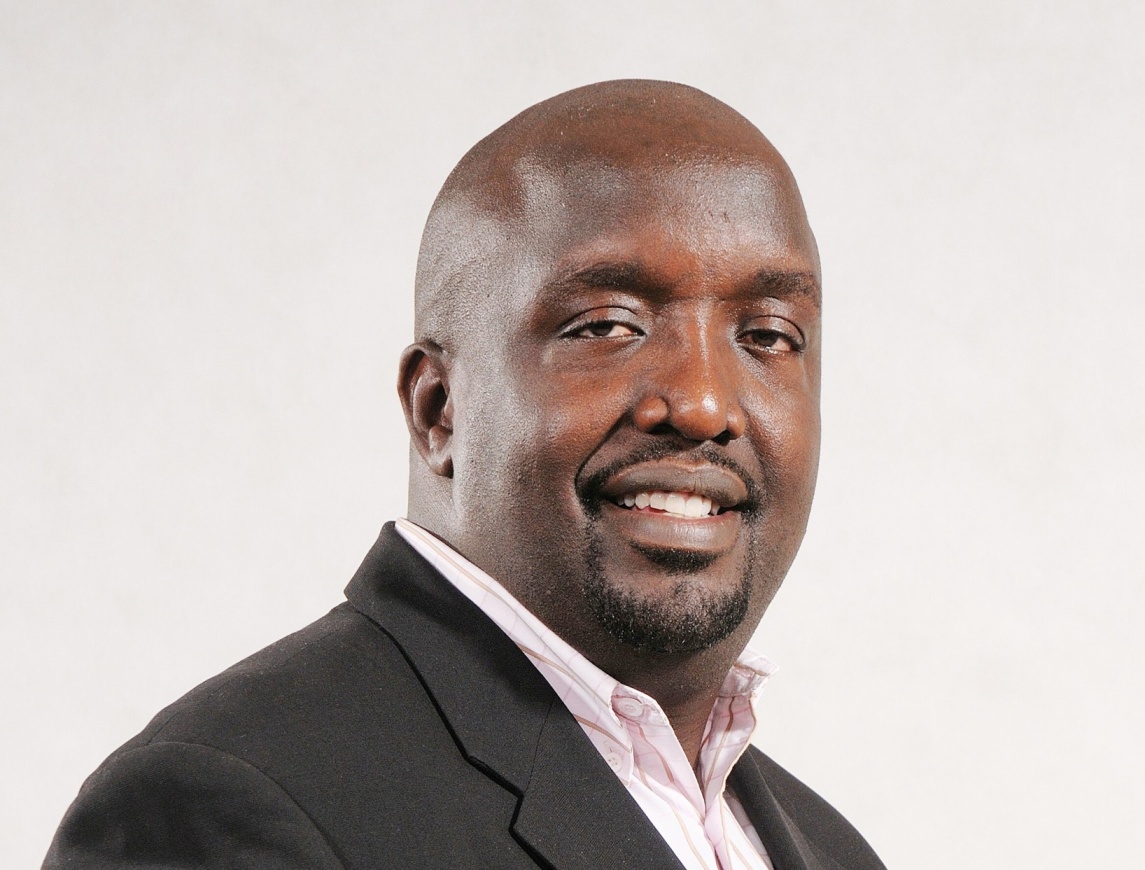
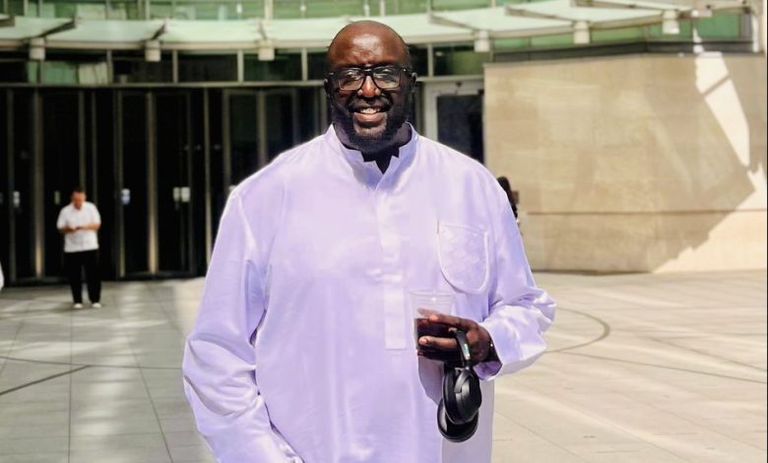
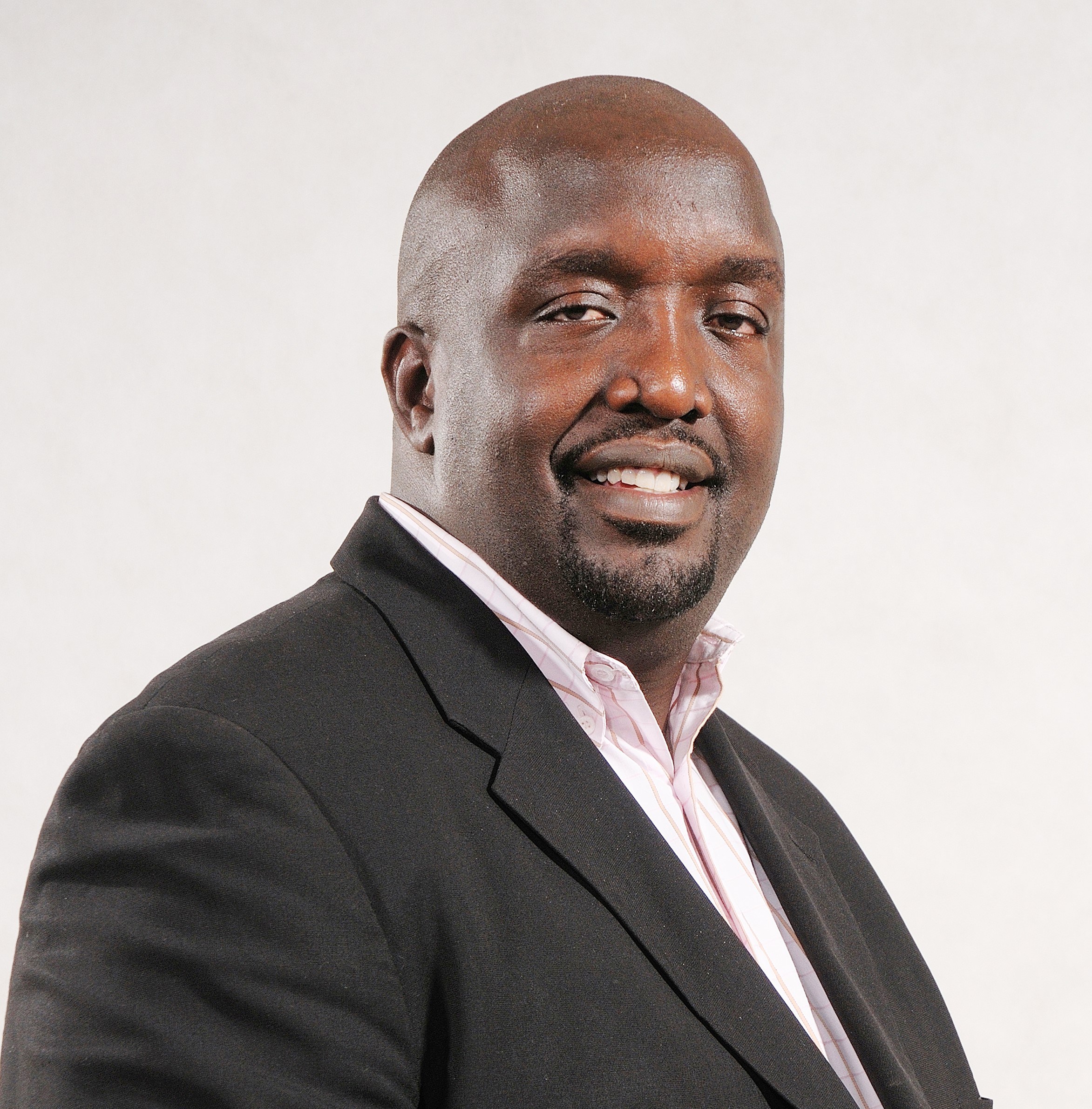
Alan Kasujja is a highly celebrated Ugandan international journalist, legal professional, and broadcaster who currently serves as the Executive Director of the Uganda Media Centre. In this high-profile state position, he acts as the official government spokesperson and lead anchor for state communications, carrying the direct responsibility to streamline, modernize, and unify the entire media and public relations framework of the country.
To fully understand his journey into steering Uganda’s current national narrative, it is necessary to look at his extensive biographical and professional background:
Early Life, Exile, and Legal Education
Alan Kasujja was born in Uganda in 1978. His early childhood was profoundly shaped by regional political upheavals; his family fled the country to escape the brutal dictatorship of Idi Amin, spending the first twelve years of his life living in exile in neighboring Kenya. He finally returned to his homeland around 1990 as a teenager, later enrolling at Makerere University in Kampala, where he successfully pursued a degree in Law (LL.B).
This legal training provided him with the sharp analytical reasoning and structural critique skills that would later define his broadcast career. In December 2003, Kasujja married Sara Shalita, the daughter of the late Anglican Bishop of Muhabura, Ernest Munyambabazi Shalita.
The Rise Through Ugandan Media
Kasujja’s entry into mainstream media began in the late 1990s as a freelance print journalist before quickly transitioning into commercial radio at Sanyu FM. He later moved to 91.3 Capital FM, where he hosted the highly popular morning show, The Big Breakfast. His versatility expanded into television, where he hosted The Fourth Estate, a highly influential political talk show, and served as the official Ugandan host for the international game show franchise Who Wants to Be a Millionaire?
In 2016, he achieved a historic broadcasting milestone by co-moderating Uganda’s first-ever televised live presidential debate alongside international journalist Nancy Kacungira.
The BBC World Service Tenure and Return to Public Service
In 2012, Kasujja was headhunted by the British Broadcasting Corporation (BBC), relocating to London to serve as one of the lead anchors for Newsday on the BBC World Service. During his distinguished 13-year tenure at the BBC, which concluded in August 2025, he became one of the most recognizable voices on the continent, eventually launching and hosting the widely followed Africa Daily podcast.
Following his departure from international broadcasting, President Yoweri Museveni directed his formal appointment in December 2025 as the new Executive Director of the Uganda Media Centre, officially taking over office in early 2026 to streamline, modernize, and unify the communication framework of the state.
Technical History: The Professional Trajectory of Alan Kasujja
| Timeline Period | Media Institution / Agency | Defined Role & Operational Focus |
| Late 1990s | Sanyu FM / New Vision | Early entry into print reporting and commercial FM radio hosting. |
| 2000s – Early 2010s | 91.3 Capital FM | Host of The Big Breakfast; anchor of The Fourth Estate political show. |
| 2011 – 2012 | Who Wants to Be a Millionaire? | Official television host for the Ugandan edition of the global game show. |
| 2012 – August 2025 | BBC World Service (London) | Main presenter of Newsday; creator and host of the Africa Daily podcast. |
| January 2016 | National Presidential Debate | Co-moderator of Uganda’s first-ever live televised presidential debate. |
| March 2026 – Present | Uganda Media Centre | Executive Director and Lead Anchor for government communications. |