

Table of Contents
When did iPhone 18 Pro leak to the public?
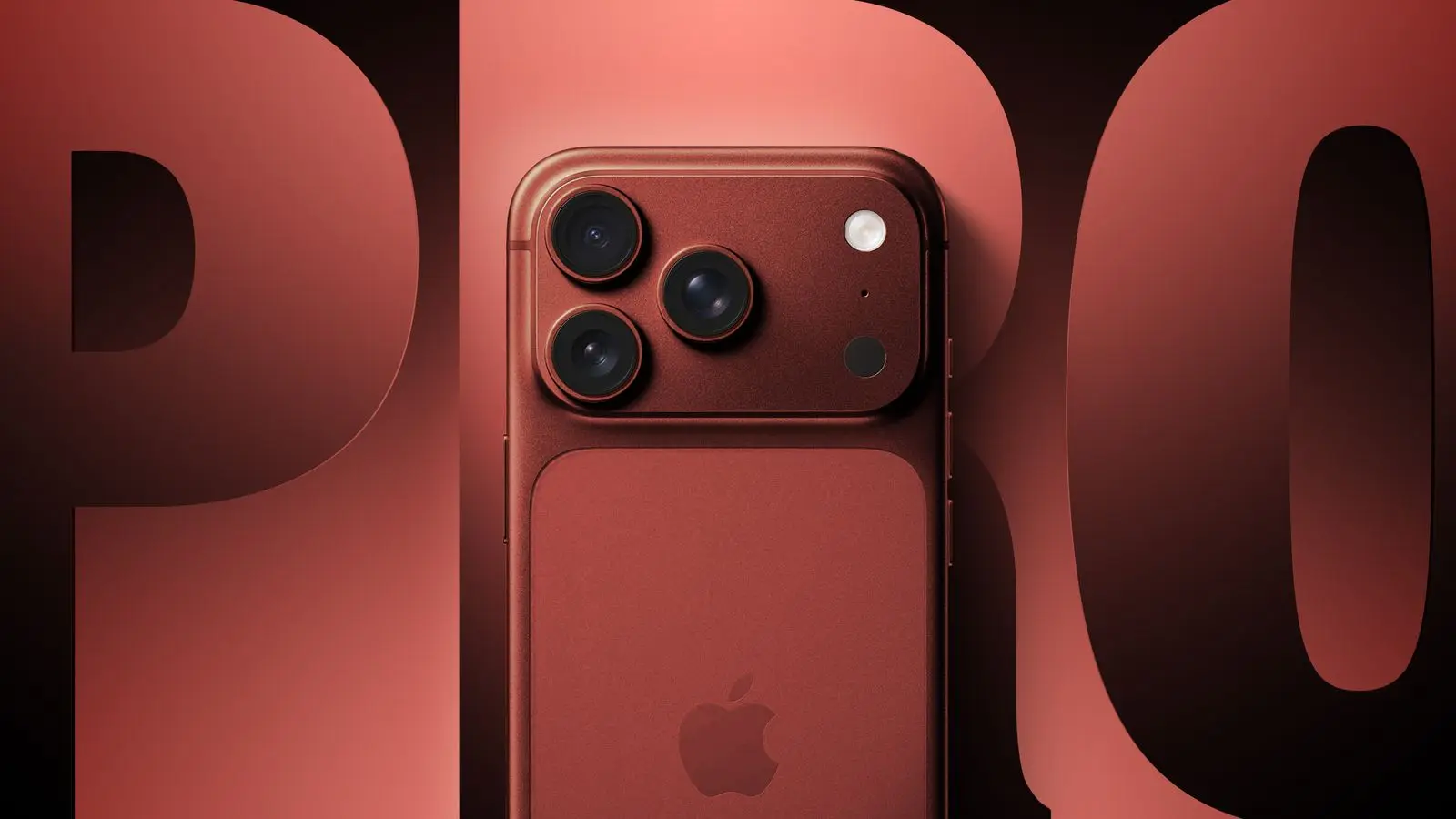
Details about iPhone 18 Pro have leaked into the internet today, July 14, 2026. This news has completely pulled back the curtain on Apple’s upcoming flagship series, the iPhone 18 Pro and iPhone 18 Pro Max. Widely positioned by supply chain analysts as Apple’s first “true AI-powered smartphone,” the upcoming generation represents the hardware transformation that the tech giant has been quietly preparing for years.
However, this cutting-edge leap into on-device artificial intelligence is coming with a major caveat for the global consumer market. Due to skyrocketing global memory costs and the immense manufacturing premiums of pioneering a brand-new silicon processor node, early component trackers indicate that Apple is facing an unprecedented production cost spike. As a result, the upcoming flagship generation is expected to hit consumer wallets harder than any premium smartphone line in history, triggering massive conversation across global tech communities.
When is the official iPhone 18 Pro release date?
Apple is heavily tipped to officially unveil the iPhone 18, iPhone 18 Pro, and iPhone 18 Pro Max during its traditional flagship hardware keynote in September 2026. This timeline lines up with Apple’s long-standing seasonal release strategy.
Production lines are already moving into baseline stabilization, and supply chain insiders confirm that the tech giant will launch global store shelves and shipping channels by mid-to-late September 2026. While shipping channels into East and West Africa typically see a slight one-to-two-week logistics delay for physical retail arrivals, independent tech vendors in Kampala, Nairobi, and Lagos will feature imported inventory within days of the global street release.
What are the full specifications of the iPhone 18 Pro Max?
The leaked hardware architecture confirms that the Pro models are shifting away from minor yearly iterations into an entirely new tier of heavy computing. To understand the full scale of what Apple is building, the leaked internal hardware specifications are laid out below:
| Feature Component | Leaked Technical Specifications (iPhone 18 Pro Max) |
| Display Panel | 6.9-inch LTPO Super Retina XDR OLED, 120Hz refresh rate, HDR10, Dolby Vision |
| Screen Resolution | 1320 x 2868 pixels, 19.5:9 ratio (~460 ppi pixel density) |
| Silicon Processor | Apple A20 Pro Chipset built on a cutting-edge 2-nanometer (2nm) process |
| CPU Architecture | Hexa-core (Next-gen 2x Performance Cores + 4x Efficiency Cores) |
| RAM Configuration | 12GB RAM integrated directly onto the chip via advanced packaging |
| Storage Options | 256GB, 512GB, 1TB, and a massive 2TB tier (NVMe, no external card slot) |
| Main Camera Lens | 48 MP wide angle, with advanced variable aperture scaling from f/1.6 to f/4.0 |
| Telephoto Lens | 48 MP periscope telephoto lens with 4x optical zoom and 3D sensor-shift OIS |
| Ultrawide Lens | 48 MP ultrawide sensor with 120-degree field of view and PDAF |
| Selfie Camera | 18 MP multi-aspect ultrawide camera, f/1.9 aperture with Face ID SL 3D optics |
| Battery Capacity | • 5,567 mAh (eSIM-only models) • 5,391 mAh (Physical Nano-SIM versions) |
| Physical Dimensions | 9.0 mm total chassis thickness |
| Chassis Weight | 240 grams (8.47 ounces) |
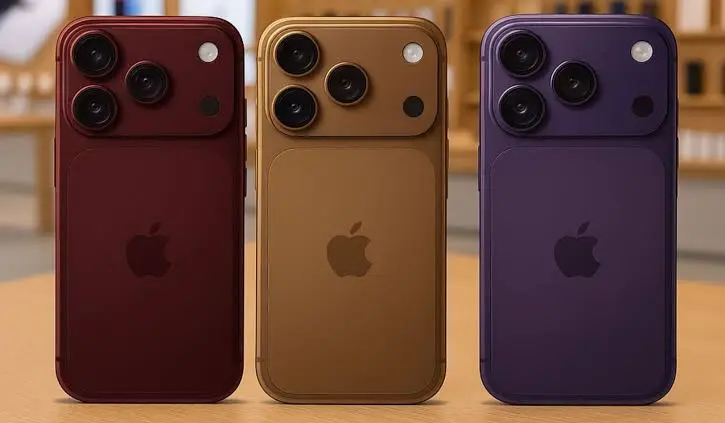
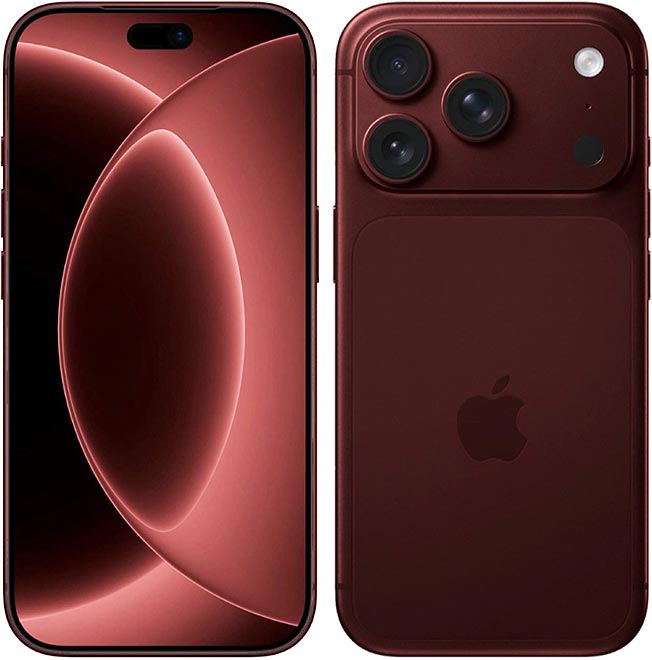
| Available Aesthetics | Coffee Brown, Deep Purple, and Crimson Burgundy |
Why is the iPhone 18 Pro Max price so high?
According to an official Bill of Materials (BoM) cost breakdown released by Counterpoint Research, the iPhone 18 Pro Max in its 12GB RAM and 1TB configuration costs Apple nearly $300 more to physically manufacture compared to previous configurations. This massive jump in production costs is primarily driven by two elite components: memory supply chains and advanced silicon wafers.
First, global memory prices have climbed sharply due to intense competition between smartphone makers and massive AI data centers, which are both fighting over the same DRAM and NAND flash supply. Apple has had to absorb this premium to scale the iPhone 18 Pro Max base RAM to 12GB. Second, moving to the world’s first 2-nanometer (2nm) A20 Pro processor introduces a steep cost premium in its initial manufacturing year.
Because higher storage variants (like the 1TB and 2TB versions) absorb the brunt of these rising memory costs, financial analysts warn that Apple will not raise prices evenly across the board. Instead, expect a steep pricing curve where the top-tier 1TB iPhone 18 Pro Max model will shatter the US$1,999 mark on global shelves as Apple seeks to protect its corporate profit margins.
How much will the iPhone 18 cost in Uganda, Kenya, and Nigeria?
Because Apple is dealing with an estimated $300 manufacturing cost increase, retail prices across East and West Africa will look drastically different depending on local shipping overheads, dealership markups, and currency valuations against the US Dollar.
Based on current exchange rates and typical regional luxury import trends, the estimated local market retail pricing models break down as follows:
1. Estimated iPhone 18 Price in Uganda (UGX)
- Base Pro Max (256GB Model): Expected to start around 5,380,000 UGX to 6,000,000 UGX from premium local electronics outlets in Kampala.
- Top-Tier Pro Max (1TB Model): Expected to scale anywhere from 7,410,000 UGX to 8,200,000 UGX after accounting for logistics and local retail dealer margins.
2. Estimated iPhone 18 Price in Kenya (KES)
- Base Pro Max (256GB Model): Expected to retail between 187,000 KES and 215,000 KES in major Nairobi tech hubs.
- Top-Tier Pro Max (1TB Model): Anticipated to reach 258,000 KES to 285,000 KES, heavily influenced by incoming shipping duties.
3. Estimated iPhone 18 Price in Nigeria (NGN)
- Base Pro Max (256GB Model): Starting estimates sit at 2,000,000 NGN to 2,400,000 NGN across elite digital markets in Lagos and Abuja.
- Top-Tier Pro Max (1TB Model): Expected to shatter records, landing between 2,760,000 NGN and 3,150,000 NGN depending on standard inflation curves and import clearing variables.
What is the biggest difference between the iPhone 18 Pro and older models?
The single defining feature that separates the iPhone 18 Pro series from every previous generation is its ability to handle complex AI tasks locally on the device, without needing a cloud server connection. Older iPhones rely heavily on sending data back and forth to external servers to process heavy AI tasks, which can introduce noticeable lag and raise privacy concerns.
The iPhone 18 Pro solves this by utilizing a processing upgrade called on-chip memory integration. By stacking the expanded 12GB RAM directly onto the cutting-edge 2nm A20 Pro chipset, Apple has vastly narrowed the physical distance that data has to travel within the phone. This architecture eliminates data latency, allowing the phone to run complex large language models (LLMs) and real-time generative photo and video editing completely locally.
Outside of artificial intelligence, the biggest physical hardware difference lies in the camera array. The main lens now features an advanced variable-aperture system scaling from f/1.6 to f/4.0. For mobile photographers, this means the camera can physically open and close its mechanical shutter blades, granting precise, professional-grade physical control over depth-of-field, background blur, and low-light performance rather than relying entirely on artificial software blurs.
Is the iPhone 18 Pro Max thicker and heavier than before?
Yes, users should prepare for a noticeably chunkier and more substantial device in hand. To comfortably feed the massive electrical demands of local AI processing, the 2nm chipset, and the mechanical variable-aperture camera system, Apple has completely re-engineered the phone’s interior layout to shoehorn in a massive battery.
The eSIM-only variations of the flagship iPhone 18 Pro Max will pack a huge 5,567 mAh battery (while physical Nano-SIM models carry a slightly smaller 5,391 mAh cell). To clear physical room for this battery expansion, the chassis profile has grown to a 9.0mm thickness while pushing the device’s overall weight up to 240 grams. This design shift means the phone will feel noticeably thicker and heavier in the pocket compared to previous sleek, lightweight models, prioritizing raw battery life and processing endurance over minimalist aesthetics.