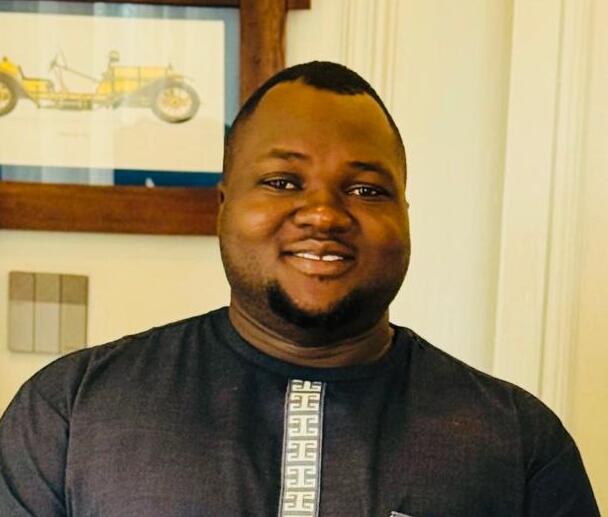

Independence Day, July 9th, is fundamentally supposed to be about freedom, deep-rooted democracy, and self-determination. But as the calendar hits July 9, 2026, a painful question looms over our nation: how can South Sudan celebrate when the very values our liberators fought for are being systematically undermined from within? Instead of progress, our anniversary has met a harsh reality check, exposing a governance framework fractured by internal conflict and elite polarization.
The words expressed in this article do not represent Kampala Edge Times, they represent the columnist
The Case of a Deepening Leadership Crisis
A healthy, functioning democracy naturally thrives on open competition, constructive dissent, and the regular renewal of political leadership. What we are witnessing today in Juba, however, is a dangerous, recurring pattern of sidelining and targeting senior government officials who are perceived as viable political alternatives. The ongoing house arrest, arbitrary detention, and military demotion of the former Vice President for the Economic Cluster and First Deputy Chairman of the ruling SPLM, Gen. Benjamin Bol Mel, stands as the most glaring modern symbol of this crisis.
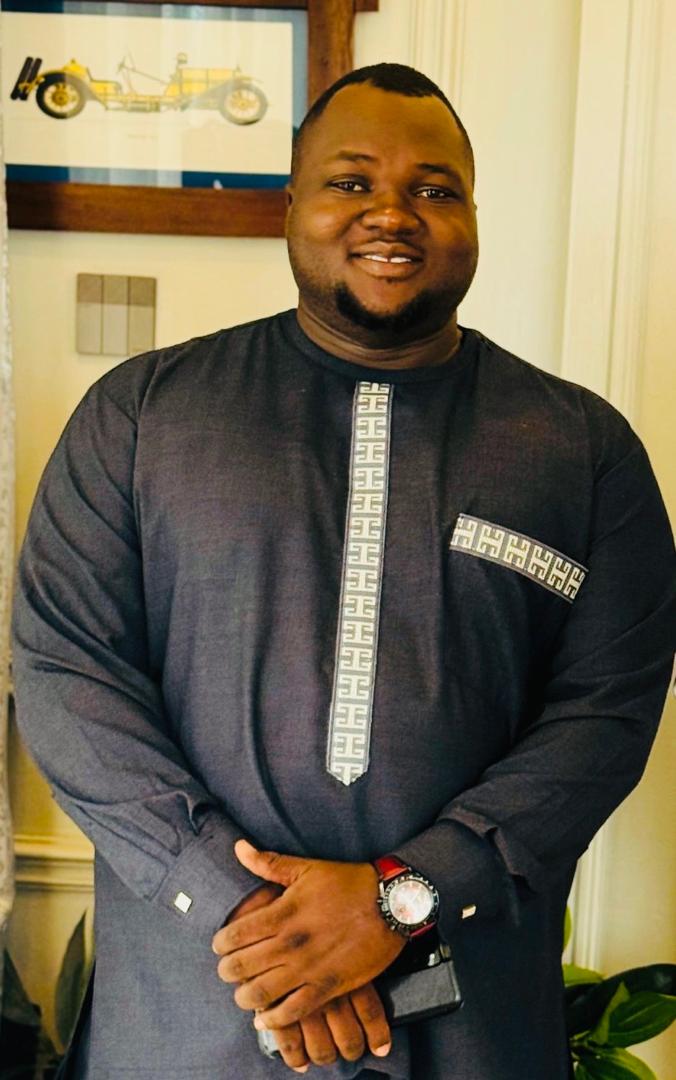
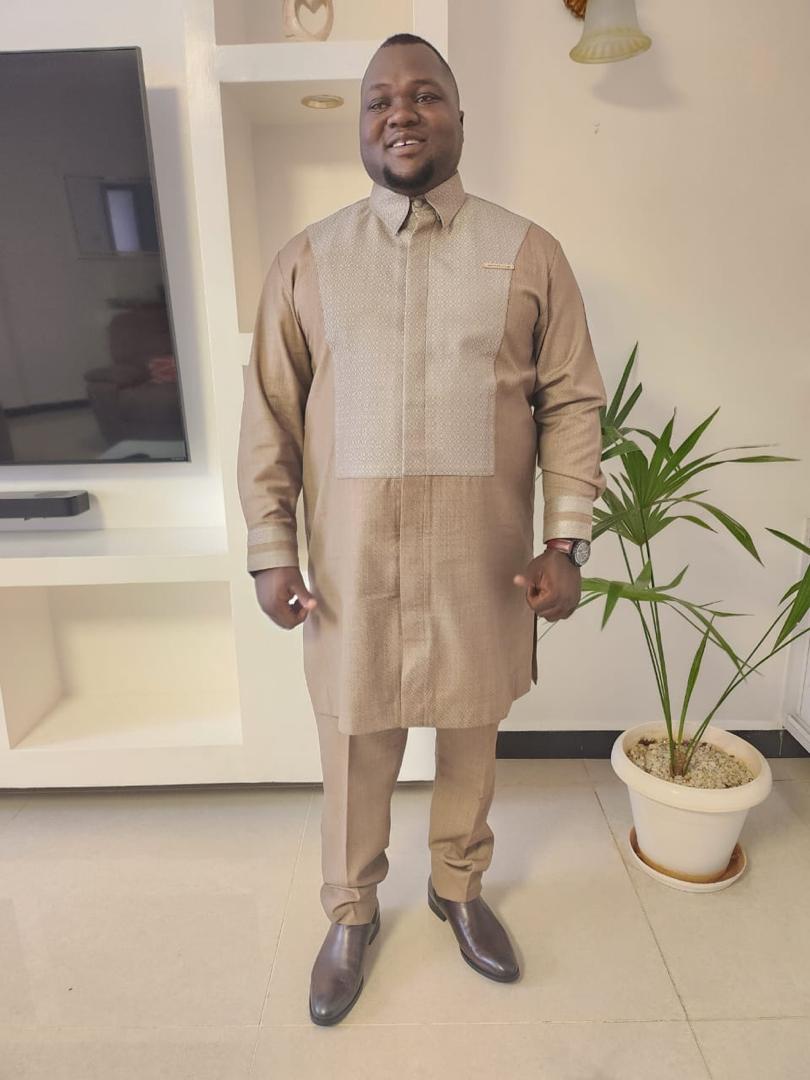
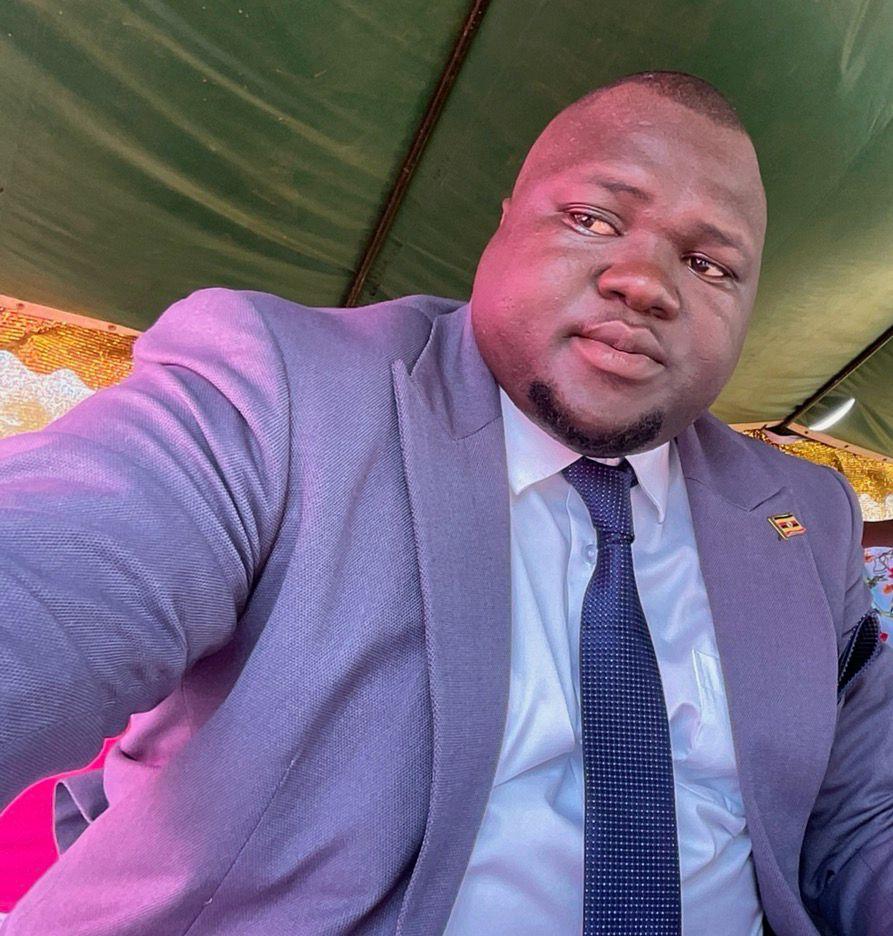
When an elite figure at the highest echelon of the state can be abruptly stripped of his security detail, demoted from a full General to a Private in the National Security Service (NSS), and placed under indefinite house arrest without transparent, constitutional due process, it sends a chilling message across the entire country.
It signals to citizens, civil society, and the next generation of young leaders that raising your hand to offer an alternative vision or harboring political ambition is a high-risk endeavor. This is not institutional leadership; it is a calculated political manhunt that aggressively closes the country’s civic and democratic space.
Why South Sudan’s Governance System is Not Democratic
True democracy dictates that independent public institutions—not individual personalities—hold the ultimate power. It means regular, transparent national elections determine who leads the republic, rather than unilateral presidential decrees and unexpected state television announcements.
South Sudan has now staggered through over a decade without conducting standard national elections, forcing the population to live under an endless loop of transitional political arrangements where dissent is routinely treated as outright disloyalty.
The prolonged legal limbo of Gen. Benjamin Bol Mel raises heavy institutional questions regarding the rule of law and the right to a fair trial. If a former Vice President can be detained for months without formal charges being presented in an open court of law, what realistic protections exist for an ordinary Member of Parliament, a grassroots activist, or a regular citizen? National independence without regular democratic elections, and without legally protected political expression, is simply independence in name only.
The Illusion of Independence Under Force
Genuine independence means national institutions function autonomously on behalf of the citizenry. Yet, as we look around us today, the baseline structural arms of our state remain deeply compromised:
- Security Apparatus: National security and military intelligence operations are consistently weaponized for internal political management and elite regime survival rather than comprehensive national protection.
- Economic Hostage Status: Major fiscal decisions remain completely hostage to volatile crude oil revenues, ballooning sovereign debt, and external financial mediation, with millions in state funds vanishing into opaque oil-for-roads schemes.
- Fragile Peace Architecture: The country’s primary peace agreements are not self-sustaining; they are kept on life support solely through constant external guarantees from IGAD, the African Union, and United Nations missions.
- Dismantled Judiciaries: Internal political disputes and party wrangles are regularly settled by military force, house arrests, and summary dismissals instead of being handled through parliament, independent courts, and the ballot box.
- Regional Instability: Growing domestic tensions and continuous political purges threaten to unravel elite alliances, raising alarm among international human rights groups that the nation risks slipping backward into widespread instability.
- The Rise of Family Dynasties: The sudden concentration of executive authority and the strategic deployment of family members into elite advisory slots indicate that power retention has completely bypassed formal institutional handovers.
- Silenced Population: While urban centers are forced into manufactured parades, rural communities are left grappling with severe economic inflation, a complete freeze on development, and minimal public services.
A Day for National Reflection, Not Parade Celebration
The dramatic rise and fall of political actors like Bol Mel is not merely about one individual; it is a profound symptom of a structural pathology. It proves that our national politics is fundamentally preoccupied with personal power retention rather than a peaceful, institutionalized transfer of power.
It shows that capable leaders with independent ideas are persistently viewed as existential threats rather than national assets.
Until South Sudan actively establishes a secure environment where genuine leaders are not hunted down for their ambitions, a robust democracy where the masses freely choose their government through the ballot, and a real independence where statutory laws stand above personal egos, July 9th should not be spent on superficial music and expensive parades. It must be treated as a sober day of national mourning, deep reflection, and an absolute recommitment to the values of our liberation struggle.
“The brave martyrs who paid the ultimate sacrifice in 2011 did not lay down their lives so that we could replace one form of external control with an oppressive internal structure. They died so that every South Sudanese citizen could be free to choose their destiny. Let us honor their memory by doing the hard work of fixing our broken house, rather than wasting resources celebrating its widening cracks.”