
Table of Contents
When did the US and Iran war end?
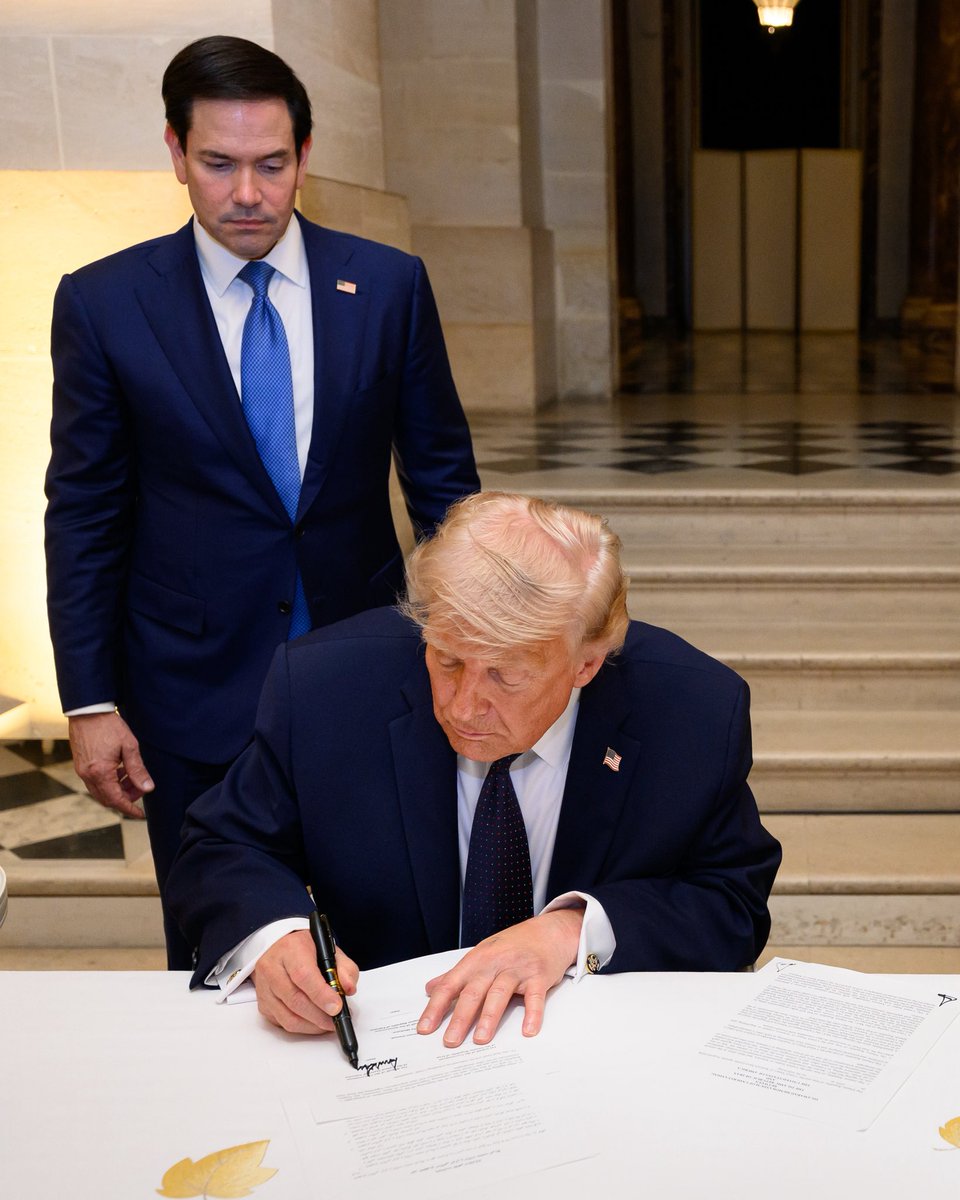
On June 18, 2026, the United States and the Islamic Republic of Iran officially entered into a historic 14-point Memorandum of Understanding (MoU). Signed electronically by Iranian President Masoud Pezeshkian and finalized by US President Donald Trump during a G7 summit gathering outside Paris at the Palace of Versailles, the interim agreement instantly triggered a 60-day diplomatic countdown aimed at permanently ending the destructive military conflict that erupted earlier this year.
The breakthrough has sparked an immediate rally on Wall Street, sent global crude oil prices tumbling, and set off intense debates across both Washington and the Middle East regarding the long-term cost of peace.
What is the US-Iran Memorandum of Understanding (MoU)?
The US-Iran Memorandum of Understanding is a performance-based framework designed to instantly halt active hostilities while establishing a formal 60-day window for dense technical negotiations. Far from a finalized, permanent peace treaty, the 14-point document functions as a conditional roadmap.

According to Vice President JD Vance, the agreement includes several written “gentleman’s agreements” alongside explicit military milestones. Under the strict terms of the deal, Iran will receive zero long-term sanctions relief or integration into the global economy unless it fully performs on its core obligations, which include allowing comprehensive international inspections and completely destroying its existing stockpile of enriched uranium.
Also read about the Trump laws against 3rd world countries
When does the 60-day negotiation period for the final Iran peace deal end?
The 60-day diplomatic clock officially began ticking on Thursday, June 18, 2026, locking in August 17, 2026, as the absolute deadline for both nations to secure a final, legally binding peace accord.
Face-to-face technical negotiations are scheduled to begin immediately this weekend at the Bürgenstock luxury lakeside resort near Lucerne, Switzerland. The high-stakes Swiss summit will bring together top-tier American and Iranian diplomatic teams alongside regional mediators from Pakistan and Qatar to iron out the highly complex details of the final treaty.
What changes immediately in the Strait of Hormuz and Iranian ports?
The signing of the Versailles agreement has brought immediate relief to global trade infrastructure through two massive maritime actions:
- End of the Naval Blockade: US Central Command (CENTCOM) officially terminated its ironclad naval blockade on all maritime traffic entering and exiting Iranian ports and coastal areas in the Arabian Gulf and Gulf of Oman. While American warships remain positioned in the general area to monitor compliance, all enforcement and boarding actions have completely ceased.
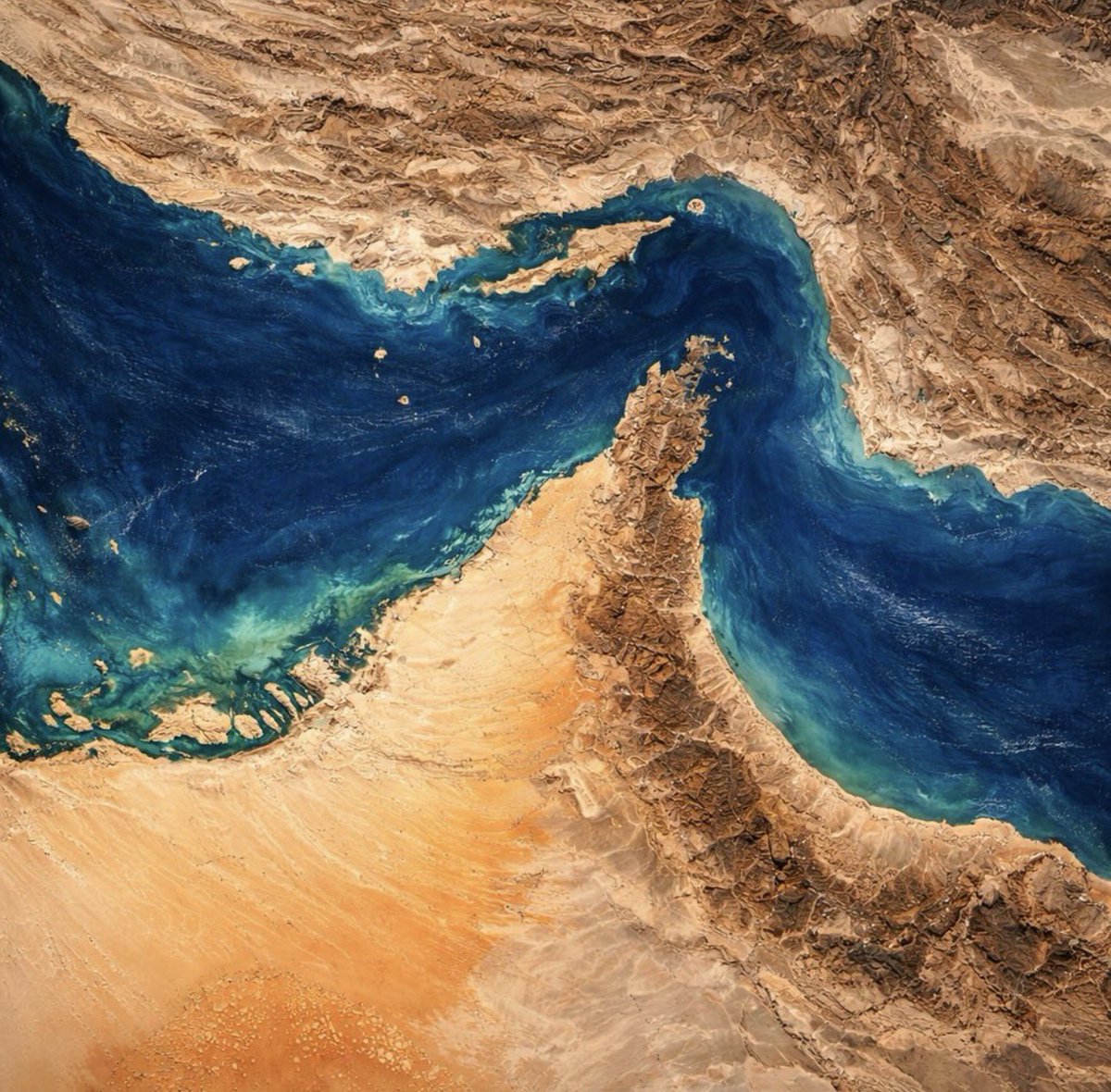
- Reopening the Strait of Hormuz: For the first time in 110 days, commercial shipping lines and massive oil tankers have safely begun transiting the vital waterway. While the central route remains temporarily restricted due to an estimated 80 naval mines left over from the conflict, commercial vessels—including QatarEnergy’s LNG carrier Mraikh and vessels owned by the Grimaldi Group—are successfully moving through the smaller northern (Iranian) and southern (Omani) channels.
This immediate resumption of maritime traffic caused domestic US fuel prices to drop below $4 per gallon for the first time since Operation Epic Fury commenced on February 28, throwing an immediate lifeline to global energy consumers.
How is the trapped shipping backlog clearing through the Strait of Hormuz?
The signing of the agreement has instantly set into motion an unprecedented maritime salvage and evacuation effort to clear hundreds of merchant and oil vessels that have been effectively marooned in the region since February. Marine intelligence firms estimate that roughly 550 merchant ships—including 160 crude oil tankers, 200 bulk carriers, 60 container ships, and 10 vehicle carriers—had been trapped behind the naval blockade lines for over three months.
To ensure safe passage around active minefields, international maritime forces have rapidly established enhanced security corridors. Shipping giants are moving swiftly to capitalize on these lanes; notably, on Thursday, three massive Saudi Arabian oil tankers carrying a combined 6 million barrels of crude oil flipped their tracking transponders back on after hiding their locations for weeks, charting an immediate exit course through the secure channels.
Will Iran be allowed to charge tolls in the Strait of Hormuz under the new deal?
The future administration and legal management of the Strait of Hormuz remain two of the most heavily contested issues of the ongoing peace talks, threatening to derail a permanent treaty. President Trump has dug in on a hardline position, fiercely insisting to world leaders at the G7 summit that the vital waterway must open and remain completely “toll-free” to protect global commerce from predatory maritime shipping rates.
“If Iran tries to propose tolls or user fees on international vessels passing through the strait, there is simply not going to be a final deal,” Vice President JD Vance warned firmly during a White House briefing.
However, international think tanks like Chatham House point out that achieving a truly toll-free guarantee will require intense diplomatic chess. Because the northern shipping channels run directly through Iranian territorial waters, Tehran has historically claimed regulatory administrative rights over local traffic. Active negotiations are currently underway between Iran, Oman, and the broader Gulf Coast Coalition to develop a mutually acceptable regional security framework that balances national sovereignty against unrestricted global energy transit.
Why is Israel refusing to withdraw its military forces from Lebanon?
The most volatile flashpoint threatening the stability of the peace process is the ongoing parallel conflict between the Israel Defense Forces (IDF) and the Iran-backed militant group Hezbollah in southern Lebanon. While the first clause of the US-Iran MoU explicitly mandates the “immediate and permanent termination of military operations on all fronts, including in Lebanon,” Israel is not a direct party to the text and is refusing to pull back.
The IDF formally announced that its combat troops will remain dug into a six-mile “security zone” extending from the shared border into Lebanese territory to continue dismantling Hezbollah infrastructure. This parallel conflict has claimed nearly 4,000 lives in Lebanon since major Israeli ground operations began on March 2.
The continuous friction has caused visible irritation inside the White House, with Vice President Vance openly warning critical members of the Israeli cabinet to respect the peace process.
“If I was in the cabinet of the Israeli government, I might not be attacking the only powerful ally that I have anywhere left in the entire world,” Vance stated during a press briefing, noting that American taxpayers funded and built two-thirds of the defensive weapons that protected Israel over the past three months.
How did Iran’s Supreme Leader Mojtaba Khamenei react to the deal?
In a highly anticipated written statement read aloud on state broadcaster IRIB, Iran’s Supreme Leader, Ayatollah Seyyed Mojtaba Khamenei, confirmed he personally authorized the agreement despite initially holding a completely different view on the diplomatic roadmap. The 56-year-old leader—who assumed power on March 8 after his father Ali Khamenei was killed in a joint US-Israeli airstrike at the start of the war—has not appeared in public due to security concerns and injuries sustained during that initial compound attack.
Khamenei carefully framed the development as a strategic victory, claiming that President Trump resorted to the agreement “out of desperation” after exhausting his economic and military leverage. He explicitly passed the administrative responsibility for the deal’s success to Iranian President Masoud Pezeshkian, warning that Tehran will instantly walk away from the table if the American side introduces “excessive demands.”
Is the US paying a $300 billion reconstruction fund to Iran?
The inclusion of a $300 billion reconstruction and economic development plan within the 14-point framework has drawn fierce bipartisan condemnation from hawks in the US Congress, though the White House insists American taxpayers will not be footing the bill.
[THE $300B RECONSTRUCTION FUND DISPUTE]
  |
  +---> SENATOR TED CRUZ: Slams the framework as "giving billions to theocratic lunatics."
  |
  +---> PRESIDENT TRUMP: Categorizes reports of direct US payouts as "Fake News."
  |
  +---> WHITE HOUSE PLAN: Fund will be driven entirely by private investors and regional Gulf partners.
Retiring Senators Ted Cruz and Bill Cassidy heavily criticized the clause, arguing that releasing frozen assets and offering sanctions relief essentially hands a multi-billion-dollar lifeline to a hostile regime. President Trump fiercely pushed back on Truth Social, clarifying that no direct US payouts are written into the deal, and that the $300 billion development fund will be entirely generated by private global investors and regional partners in the Gulf Coalition once behavior changes are independently verified.
Complete WordPress Tags for Search Engine Optimization