
Table of Contents
What have the clerics done wrong towards the Throne?
KAMPALA — In every civilized society across the globe, there are lines that wise leaders do not cross. Monarchies and traditional institutions carry the soul, history, and identity of a people—and when religious leaders step out of their lanes to publicly lecture a king on his private life, customs, or body, they cross a dangerous line.
Prominent sports administrator and public commentator Joseph Mbazzi Muguluma (Immanuel Ben Misagga) has issued a scathing response to Muslim cleric Sheikh Kiti and a growing wave of street preachers who have taken to public platforms to make provocative comments regarding Kabaka Ronald Muwenda Mutebi II.
In a fiercely worded reflection titled “The Throne is Sacred – Hands Off Kabaka,” Misagga warns that Baganda will not stand by quietly while self-appointed moralists degrade the 71-year-old monarch under the guise of preaching.
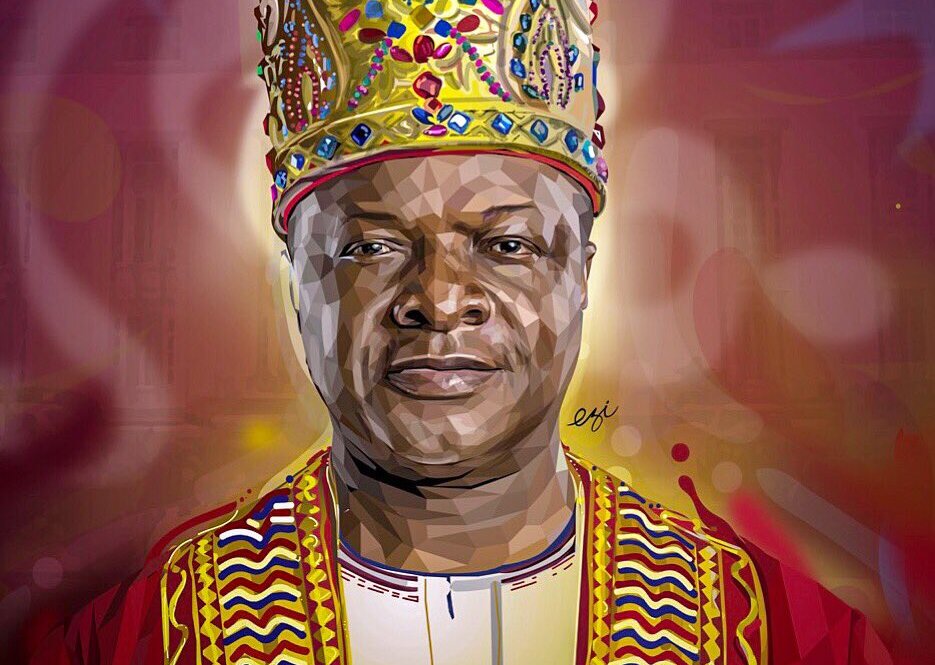
Why is Ben Misagga warning religious leaders against publicly discussing Kabaka Mutebi II?
The controversy stems from recent public remarks by Sheikh Kiti and other clerics who stepped onto microphones to lecture Kabaka Ronald Muwenda Mutebi II on personal matters, including making public demands regarding religious rituals like circumcision.
Misagga describes these public demands not as genuine faith or dialogue, but as pure disrespect and kamanyiro (over-familiarity) aimed at belittling Buganda’s supreme cultural leader.
“It is deeply hurtful, and an insult to our heritage, when someone picks up a mic and starts telling Kabaka Ronald Muwenda Mutebi II, at 71 years, what he should or shouldn’t do with life,” Misagga writes. “Let the mosque do its work. Let the church do its work. Let the palace do its work. Buganda stands because each stays in their lane.”
He reminds clerics that respect for the Kabaka is not open for political or religious negotiation. While religious doctrines can be debated, the Kabaka represents the unbreakable identity and heritage of the Baganda.
How do global monarchies like England, Spain, and the Zulu Kingdom protect royal protocol?
To show how far Ugandan street preachers have strayed from international standards of civility, Misagga draws sharp parallels with respected global institutions where religious figures strictly observe royal protocol:
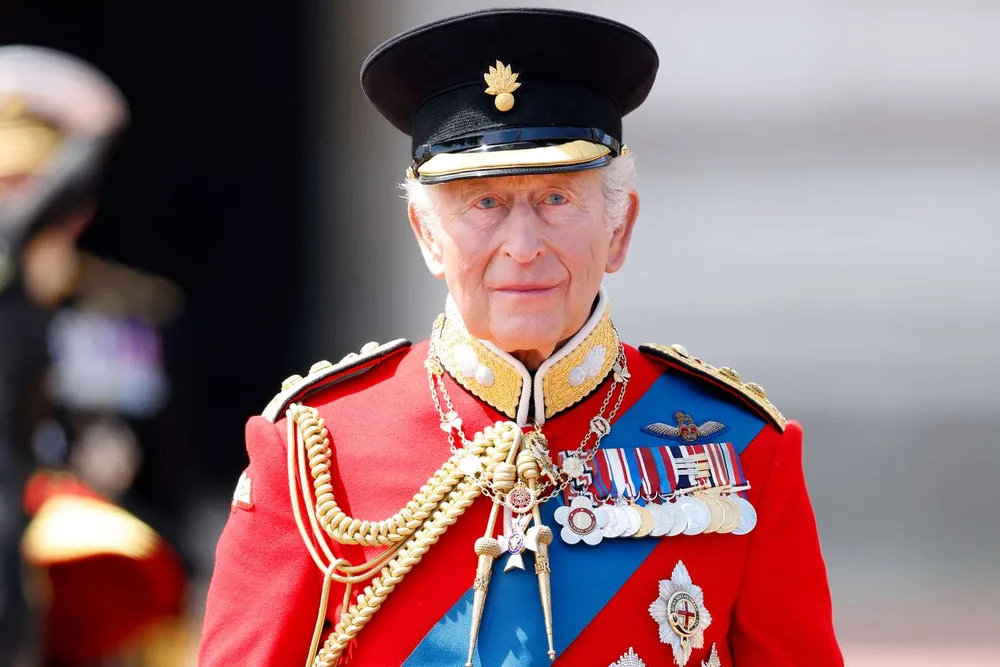
- The United Kingdom: When the Archbishop of Canterbury speaks, he does not grab a microphone to publicly lecture King Charles III at Buckingham Palace about his private life. The Crown and the Church maintain strict boundaries.
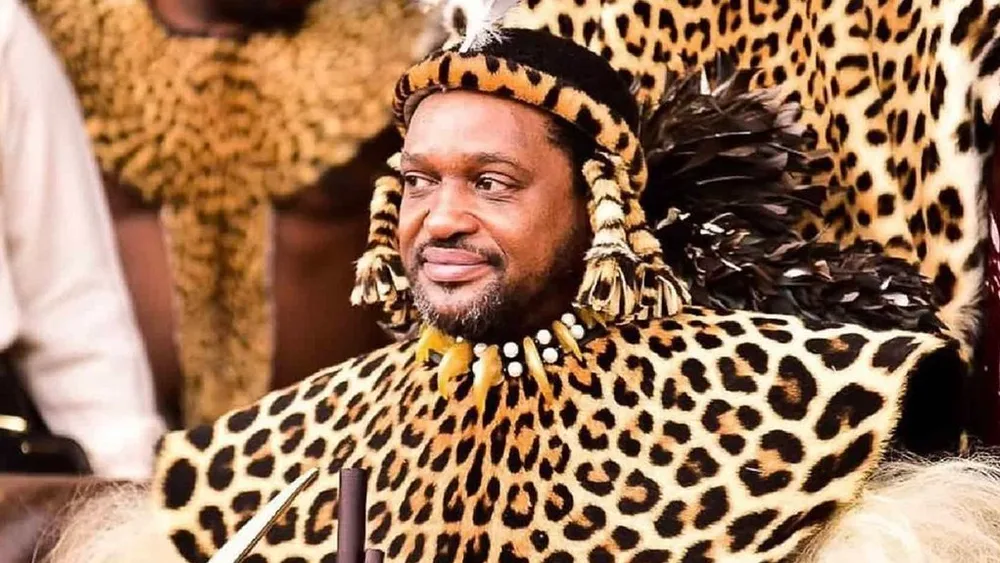
- The Zulu Kingdom (South Africa): As the custodian of Zulu culture, King Misuzulu sits in honor; local pastors and politicians do not summon him to public debates over his body or traditional customs.
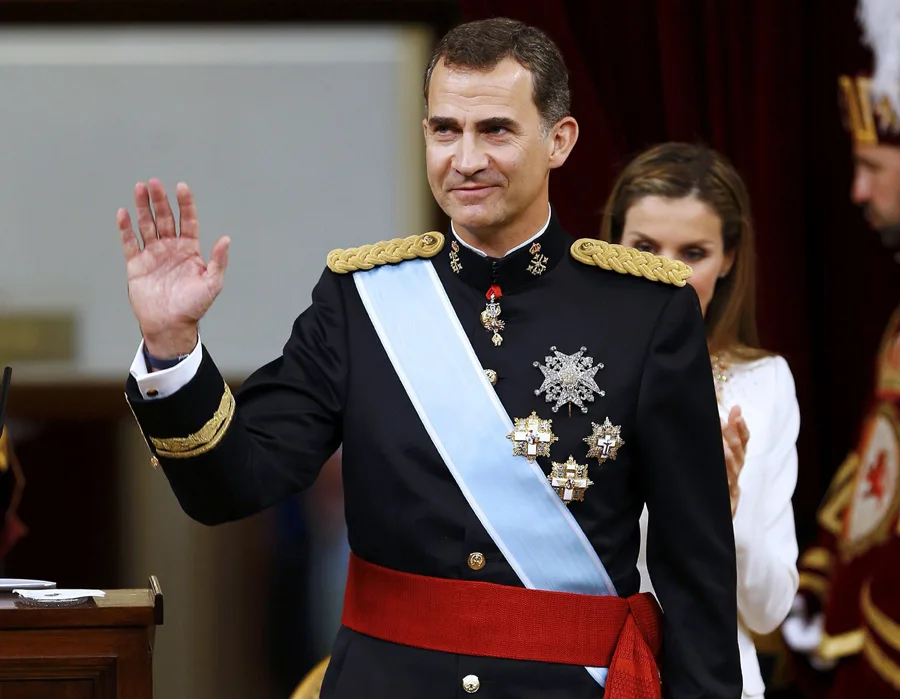
- Spain: King Felipe VI functions as Head of State and a national symbol of unity. Religious leaders engage through private, dignified dialogue—never public microphone attacks.
- The Catholic Church in Uganda: Vatican representatives and the Pope always maintain formal protocol when visiting Uganda, sitting for dignified audience with the Kabaka through Katikkiro Charles Peter Mayiga because they recognize that the throne is heritage, not partisan politics.
What is the cultural and spiritual significance of the Kabaka in Buganda tradition?
In Buganda, a leader is not merely elected or appointed—a Kabaka is born. He carries the spiritual lineage, language, and ancestral burden (omutwalo) of millions of Baganda worldwide.
Misagga invokes deep ancestral wisdom from elders and traditional oracles in Kifuuta, Kyotera, and Buddu to issue a firm warning against taking Baganda’s peaceful nature for granted:
“Ozanya ne Kaapa naye ogikwata mu kibatu kikujuntuka.”
(You can play near a hot coal, but the moment you grab it in your palm, it will burn you.)
“Endiga bwe koteka omutwe, eba emanyi gy’elaga.”
(When a sheep bows its head, do not mistake it for weakness; it knows exactly where it is heading.)
The message is clear: Baganda are maintaining peace, but that peace has boundaries. Attempting to drag the Kabaka into public religious spectacle burns the very fabric of national unity.
How does Misagga contrast modern street preachers with late icons like Sheikh Muzaata?
Misagga does not hold back in criticizing the current generation of online and street-corner clerics, contrasting them with past Muslim leaders who preached with immense wisdom, dignity, and deep cultural understanding.
Icons like the late Sheikh Ndirangwa, Sheikh Mulumba, and the outspoken Sheikh Nuhu Muzaata understood the delicate balance between Islamic theology and Buganda culture. They commanded respect without resorting to cheap publicity stunts targeting the Kabaka.
Quoting Karl Marx’s famous assertion that “religion is the opium of the masses” and echoing Shakespearean commentary on foolishness, Misagga laments that some Baganda sheikhs have allowed themselves to become tools for belittling their own heritage.
Religion belongs in the mosque and church; the Kabaka belongs to the throne. Buganda thrives only when everyone respects these ancient lanes.