
When did Beyond The Canvas host Nick Vujicic?
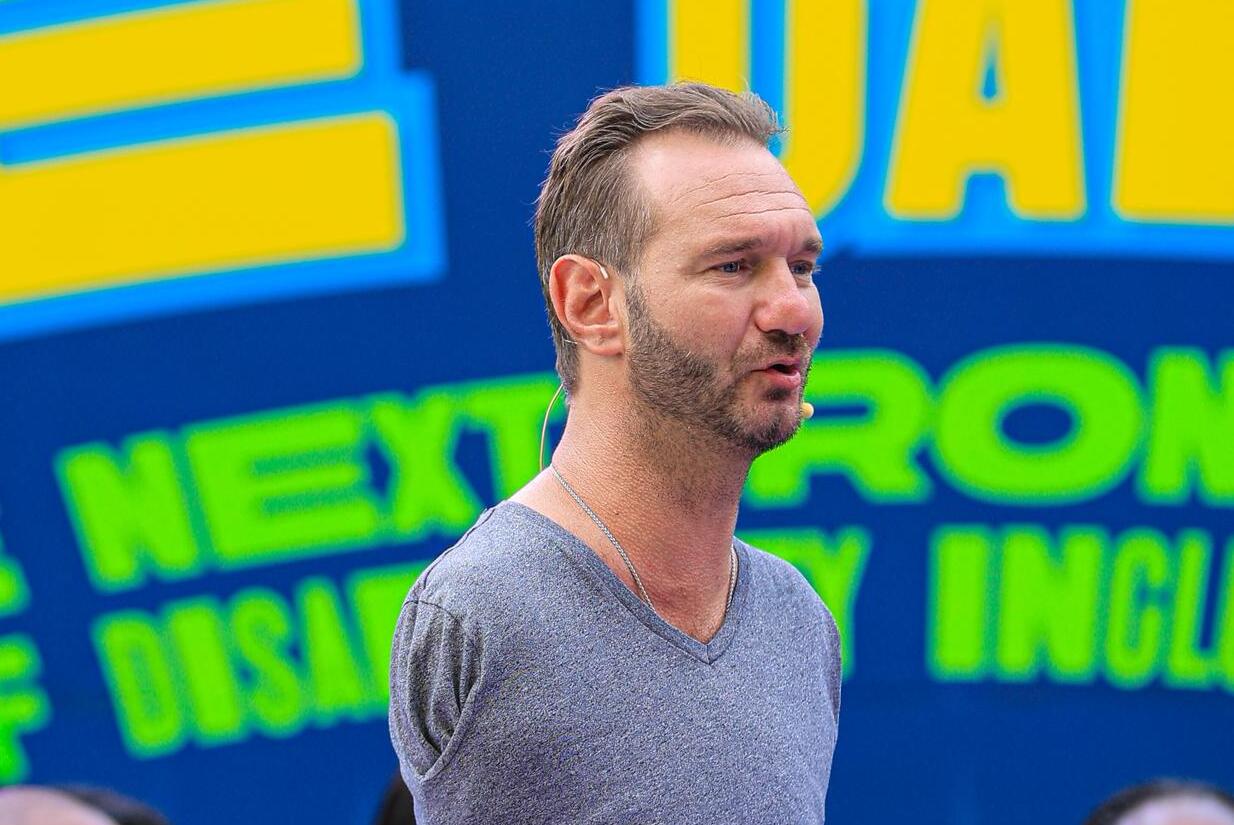
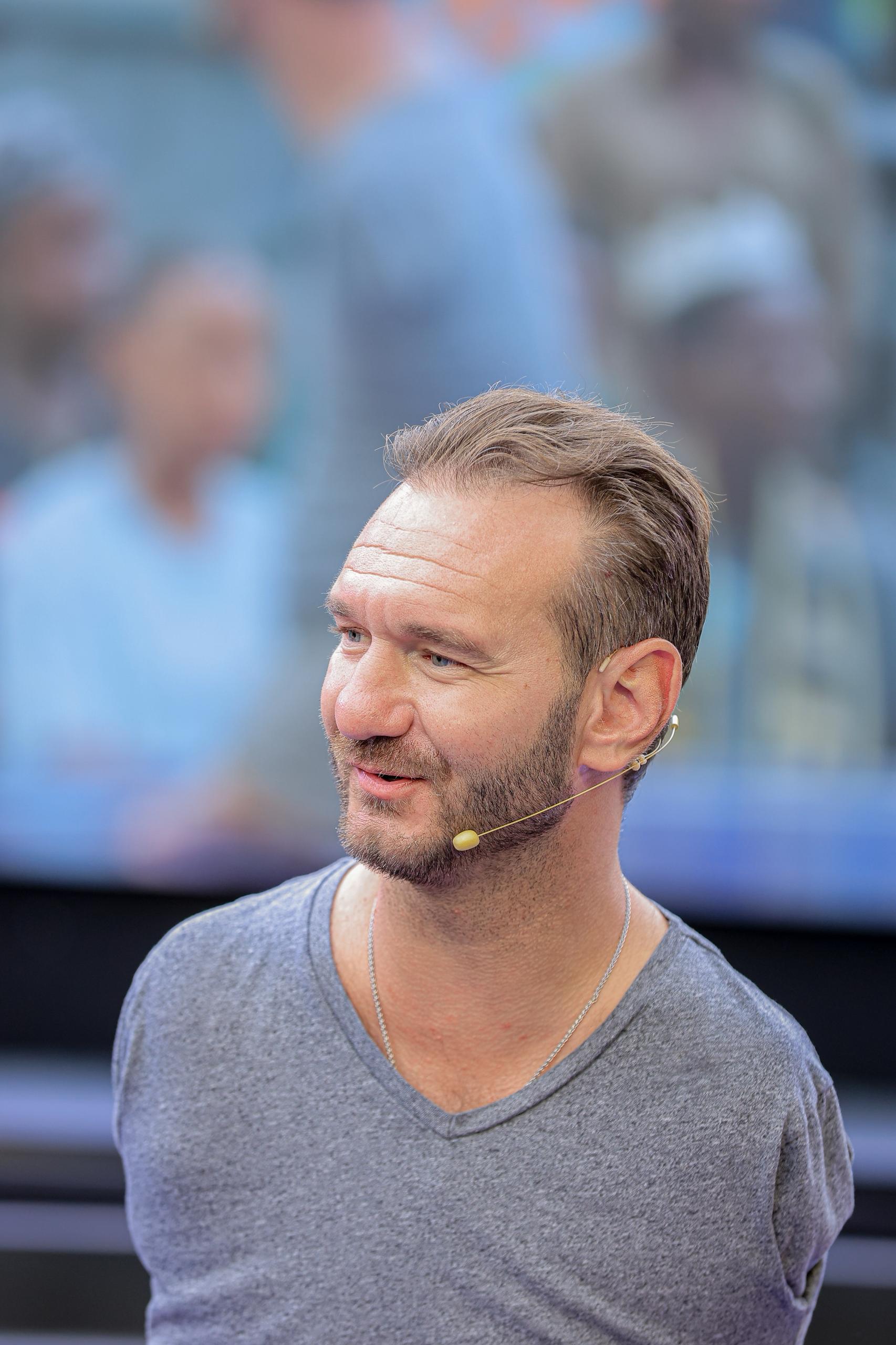
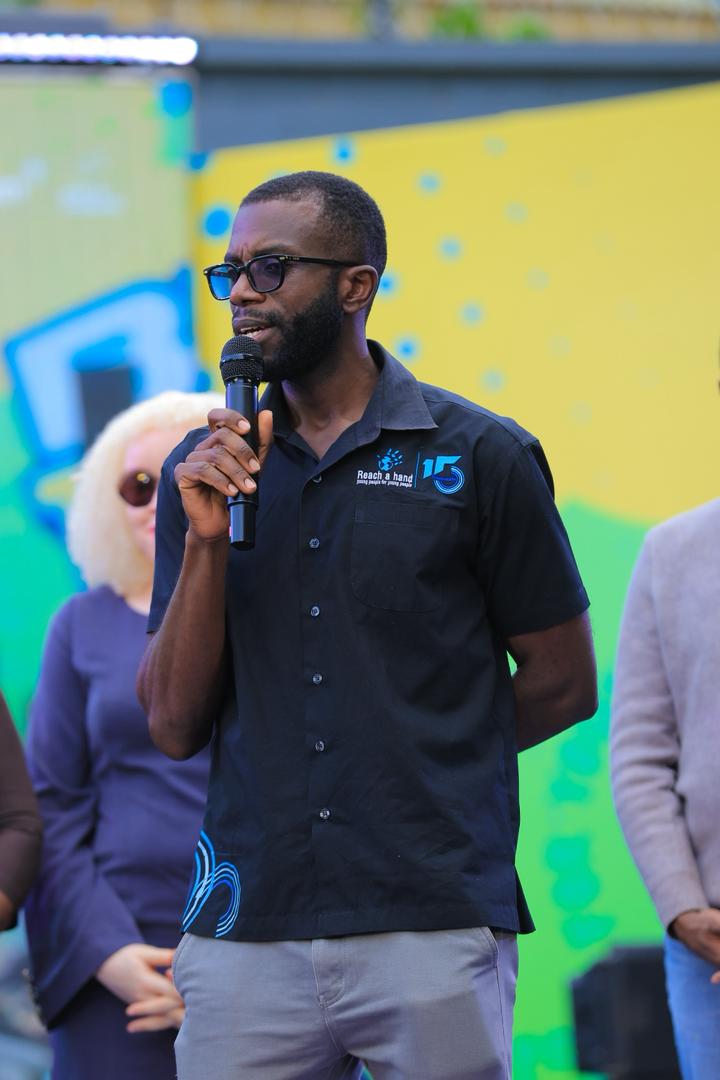
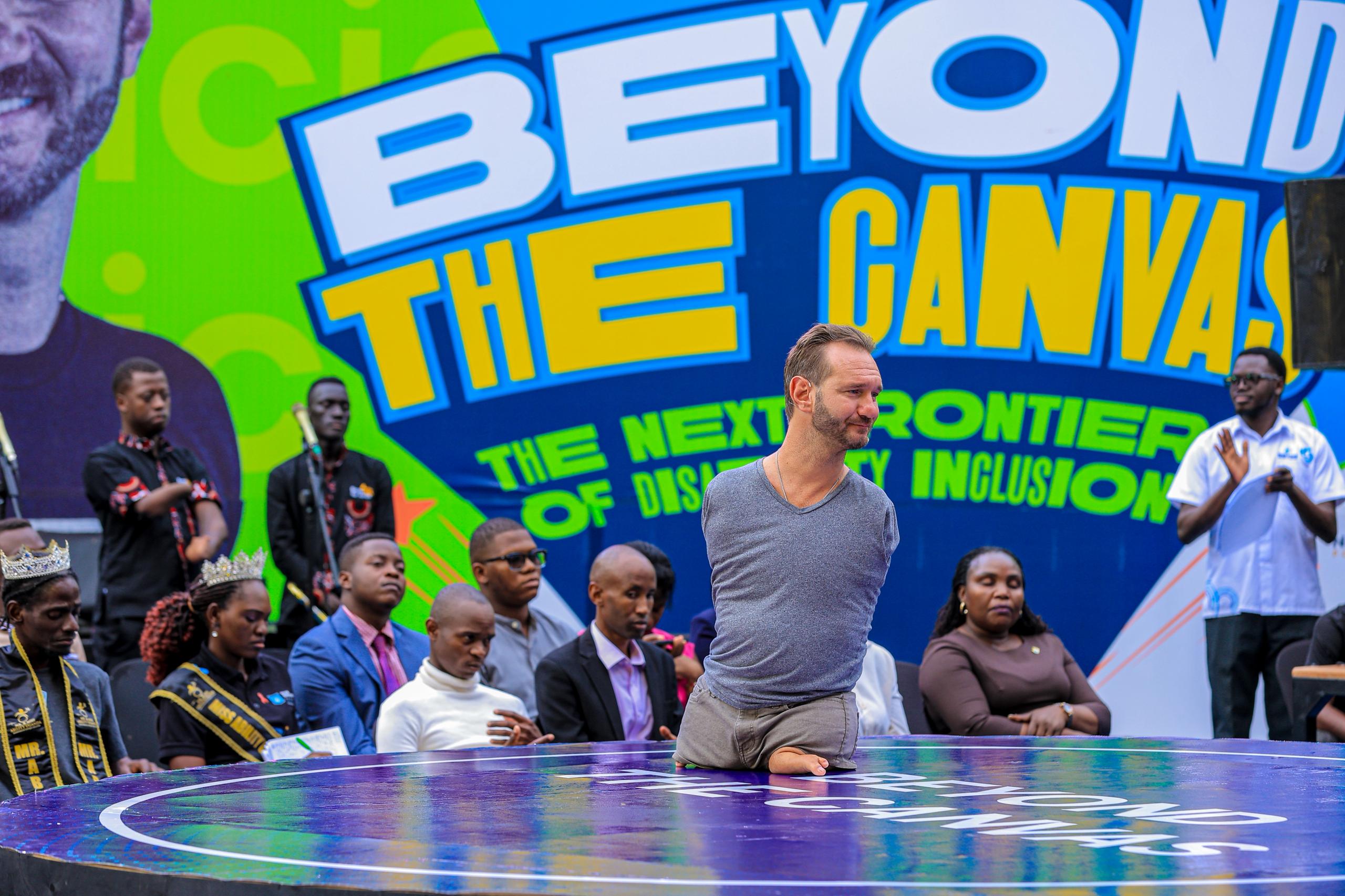
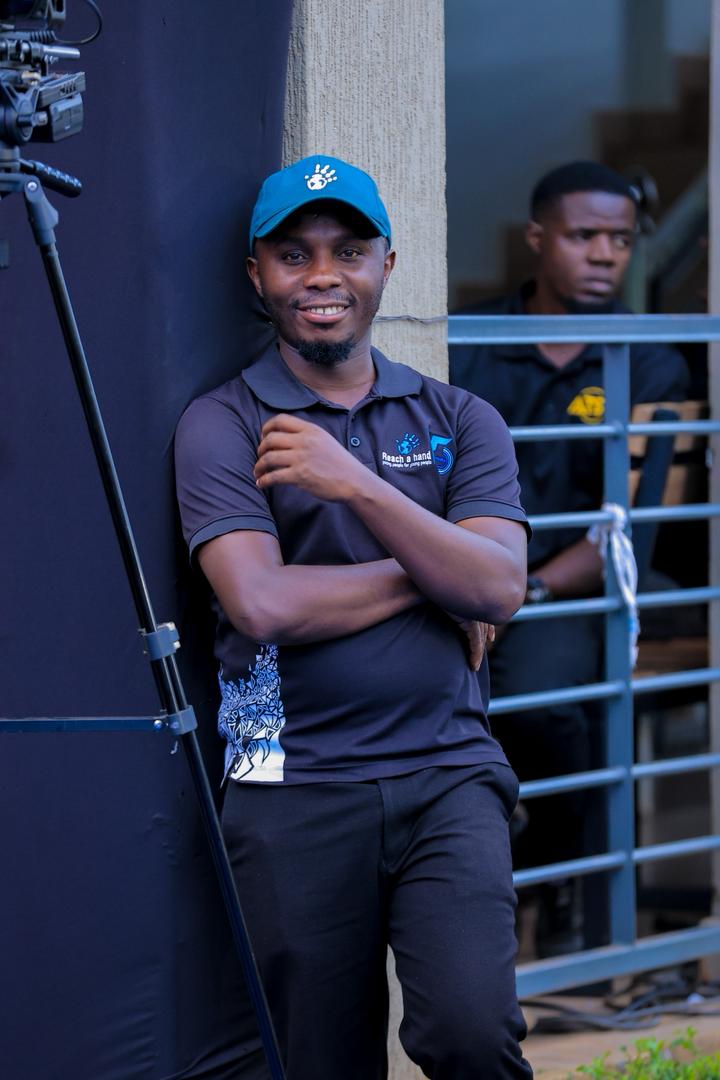
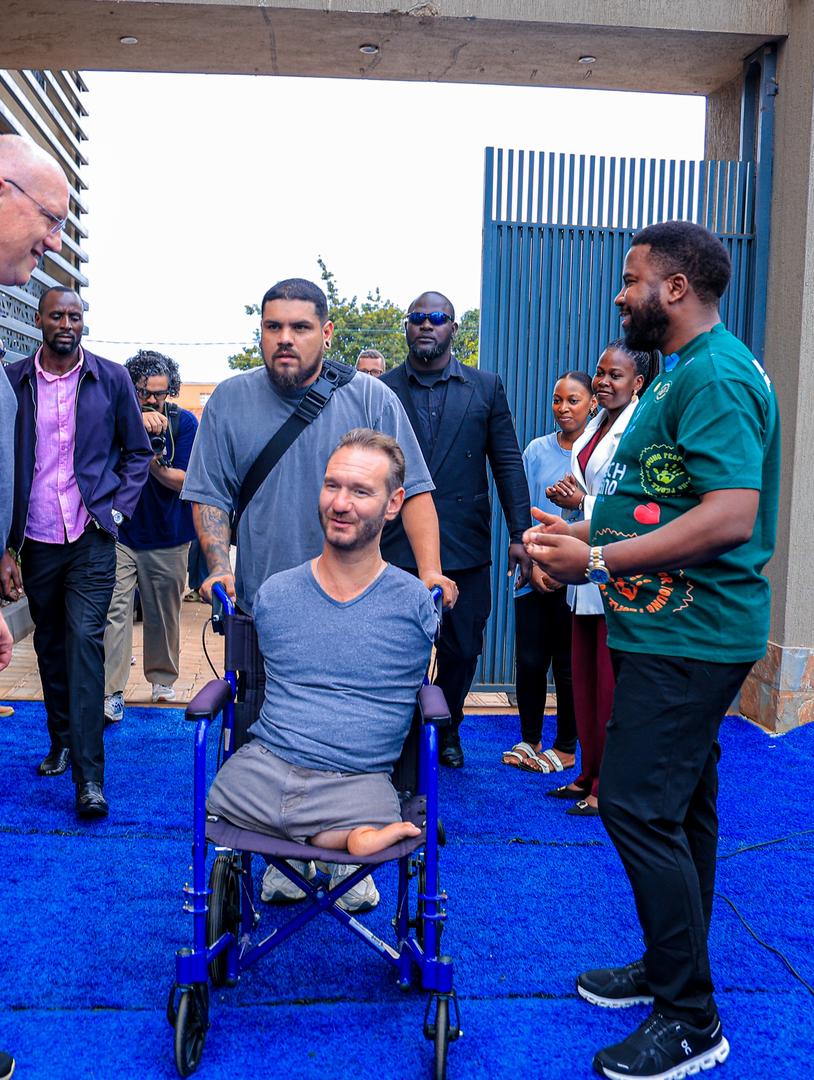
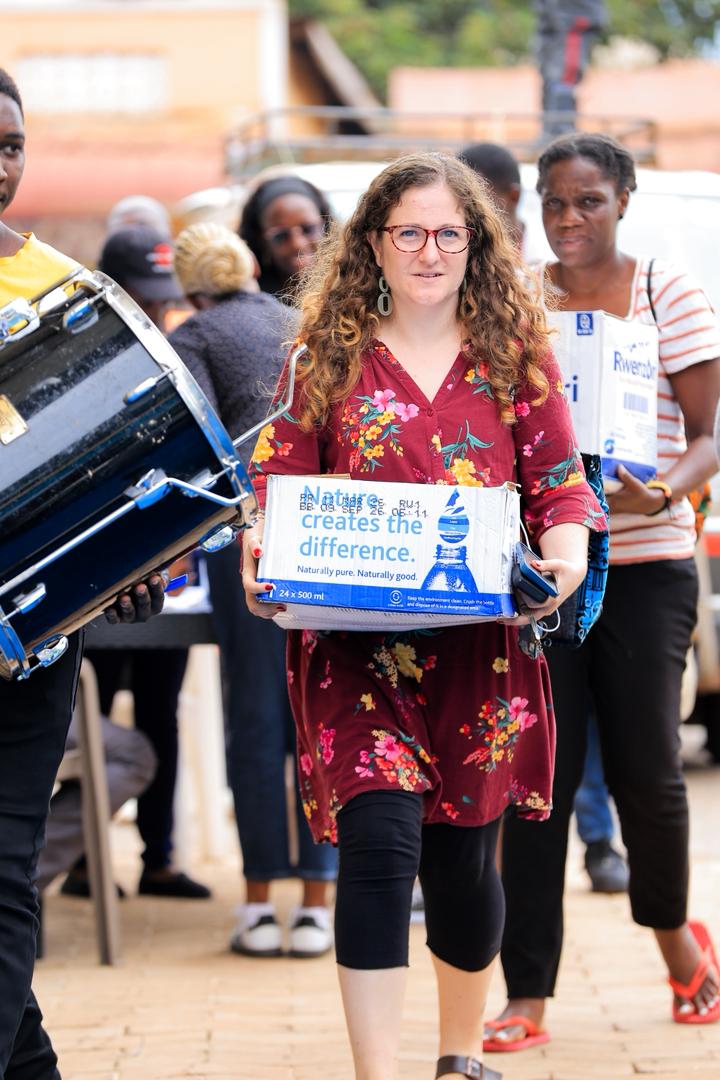
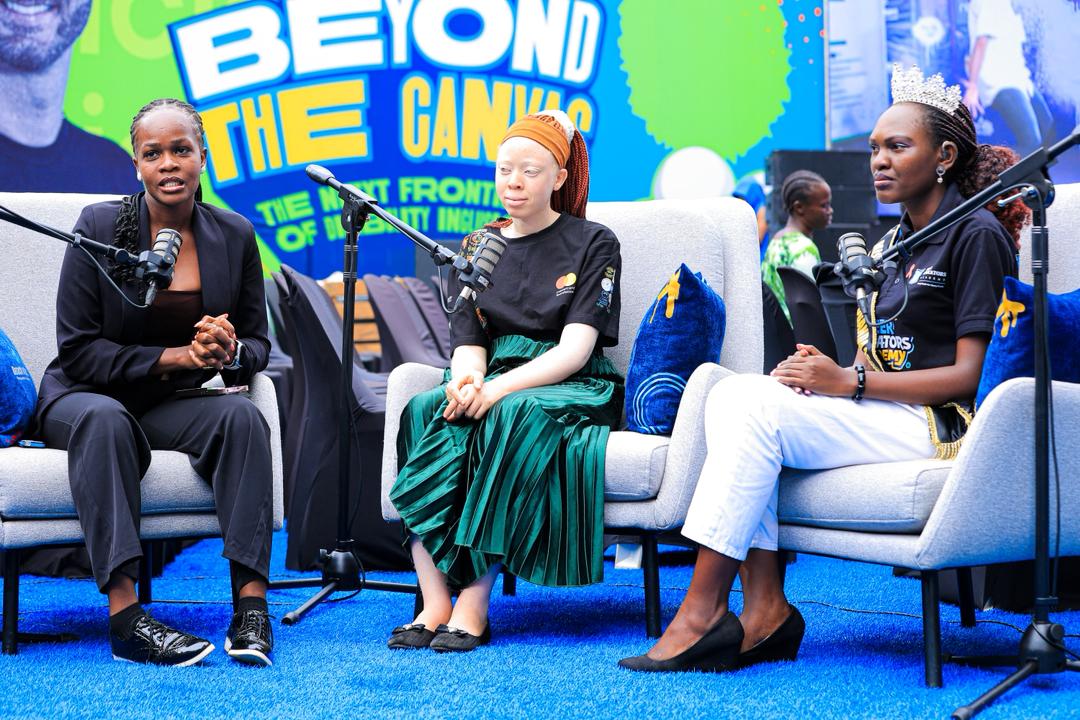
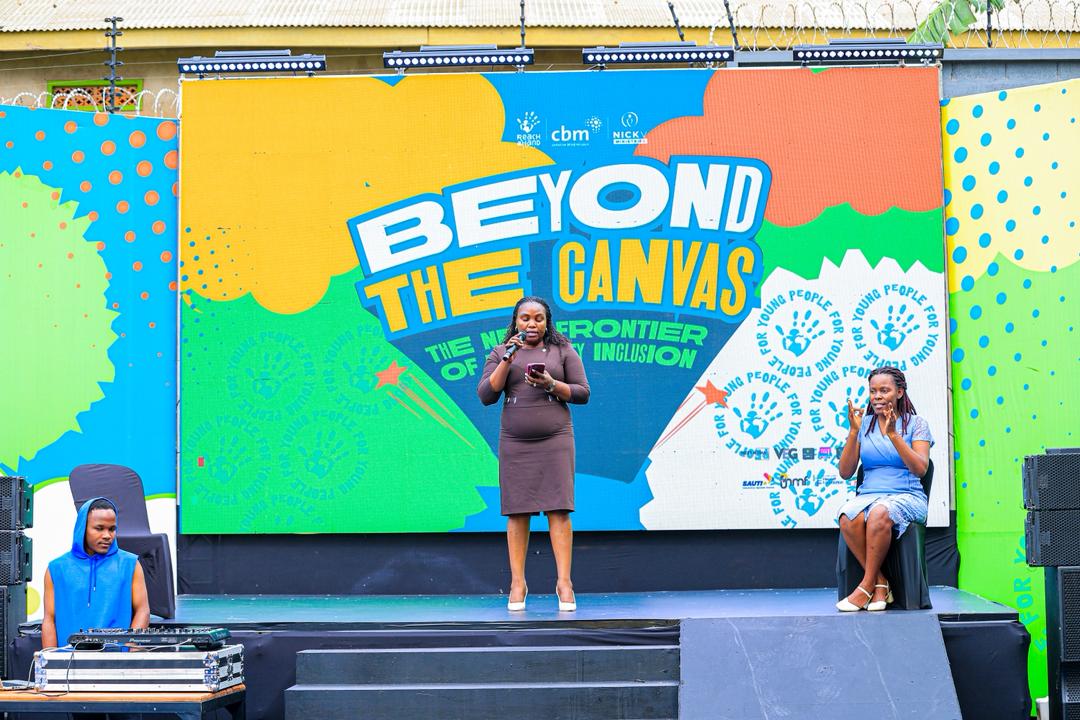
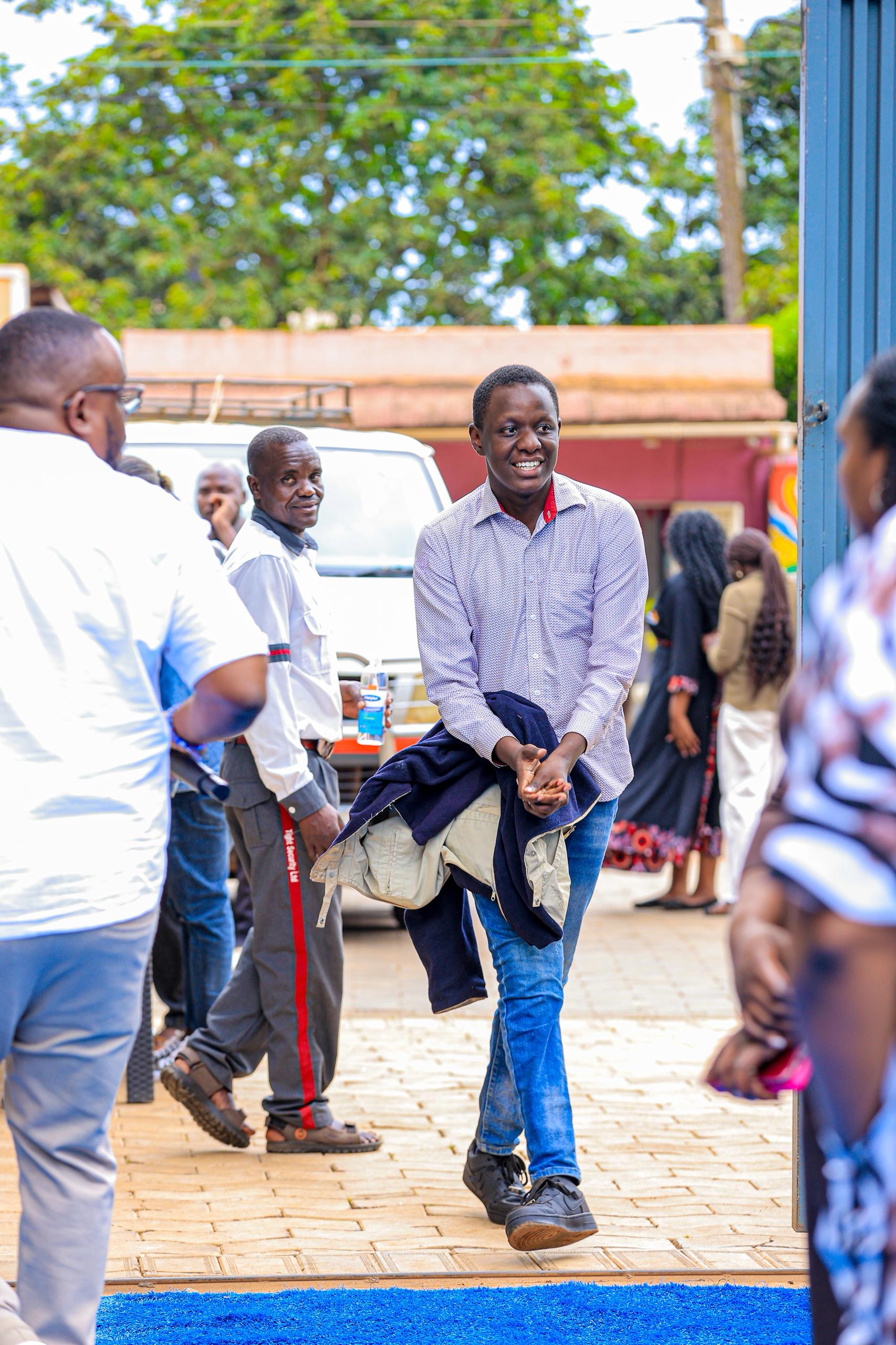
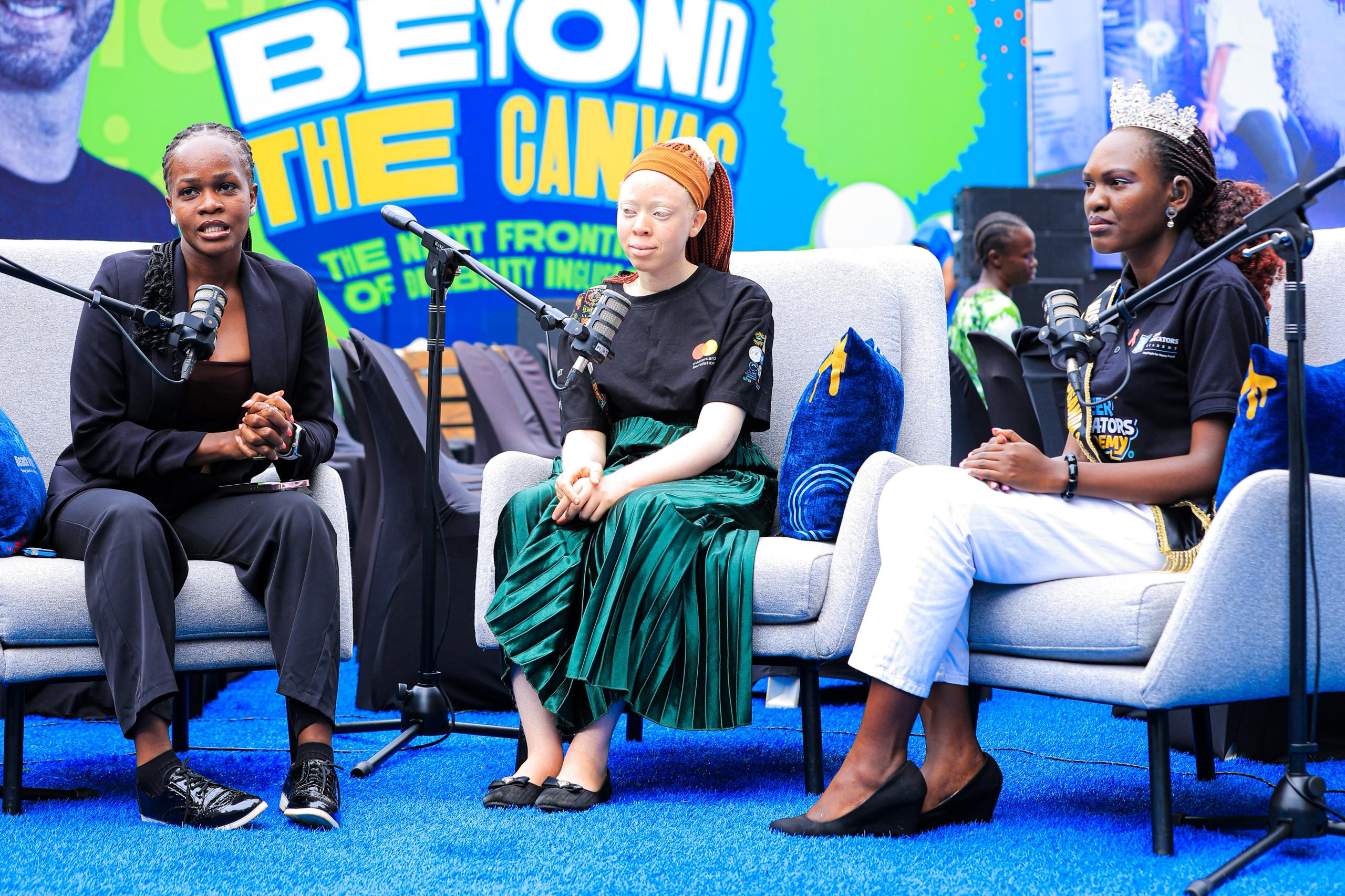
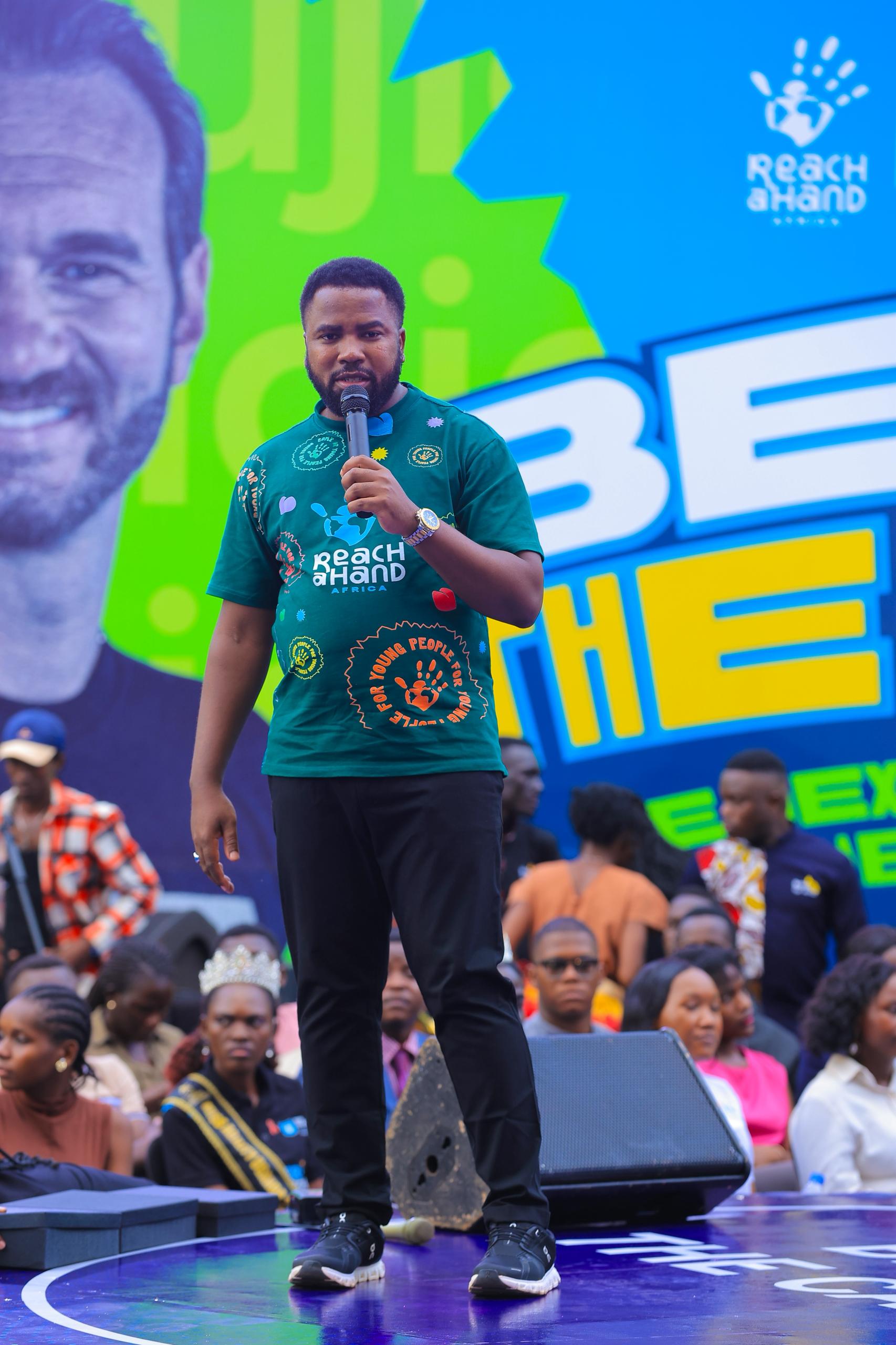
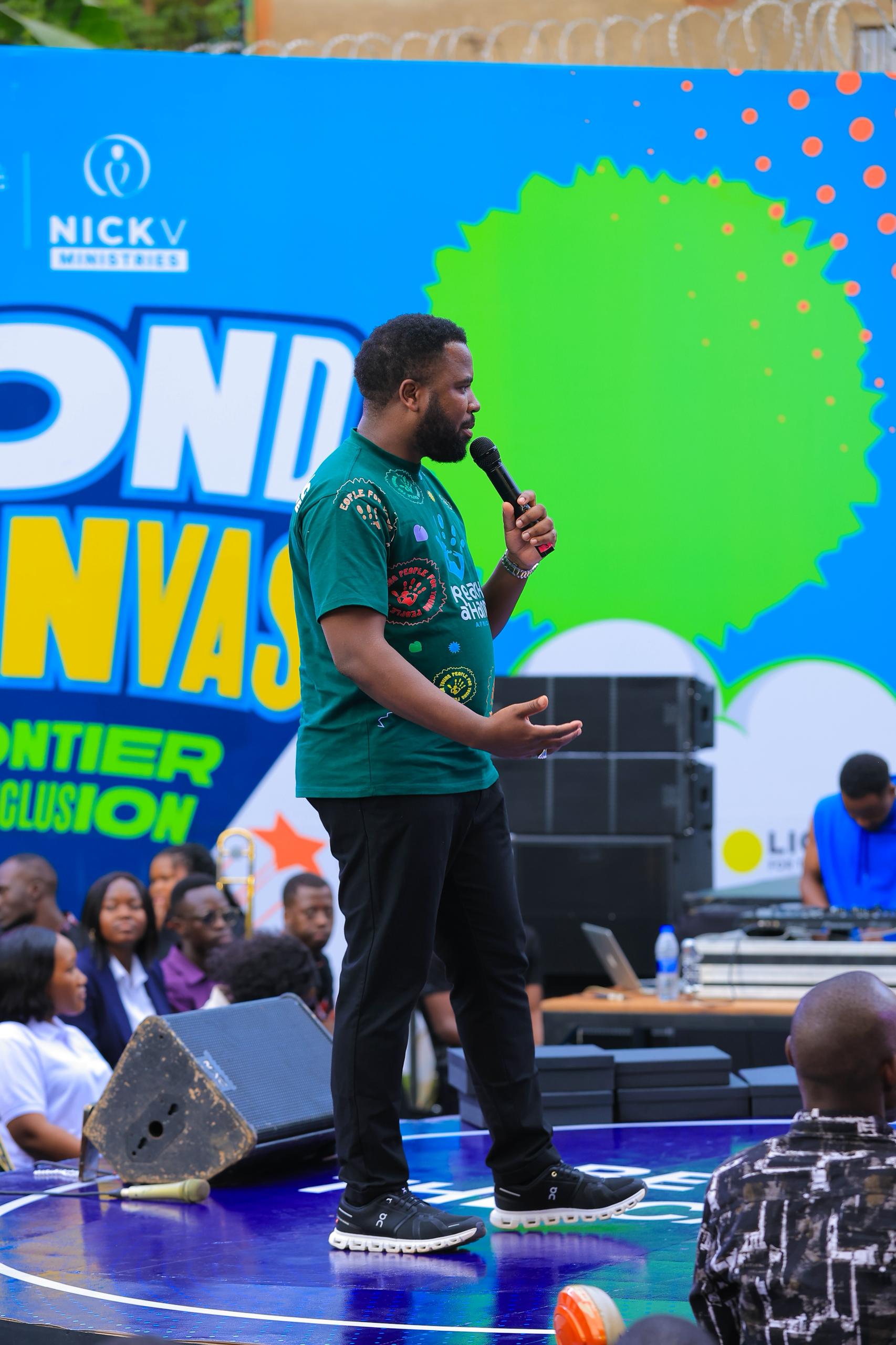
On Monday, 18 May 2026, world-renowned global evangelist and motivational speaker Nick Vujicic yesterday electrified Kampala. Arriving at exactly 2:00 PM, Vujicic served as the guest of honor at the “Beyond the Canvas” advocacy event—formerly known as Sauti Canvas—an initiative curated by Reach a Hand Uganda (RAHU) as the organization undergoes a historic strategic rebranding to Raha (Reach A Hand Africa).
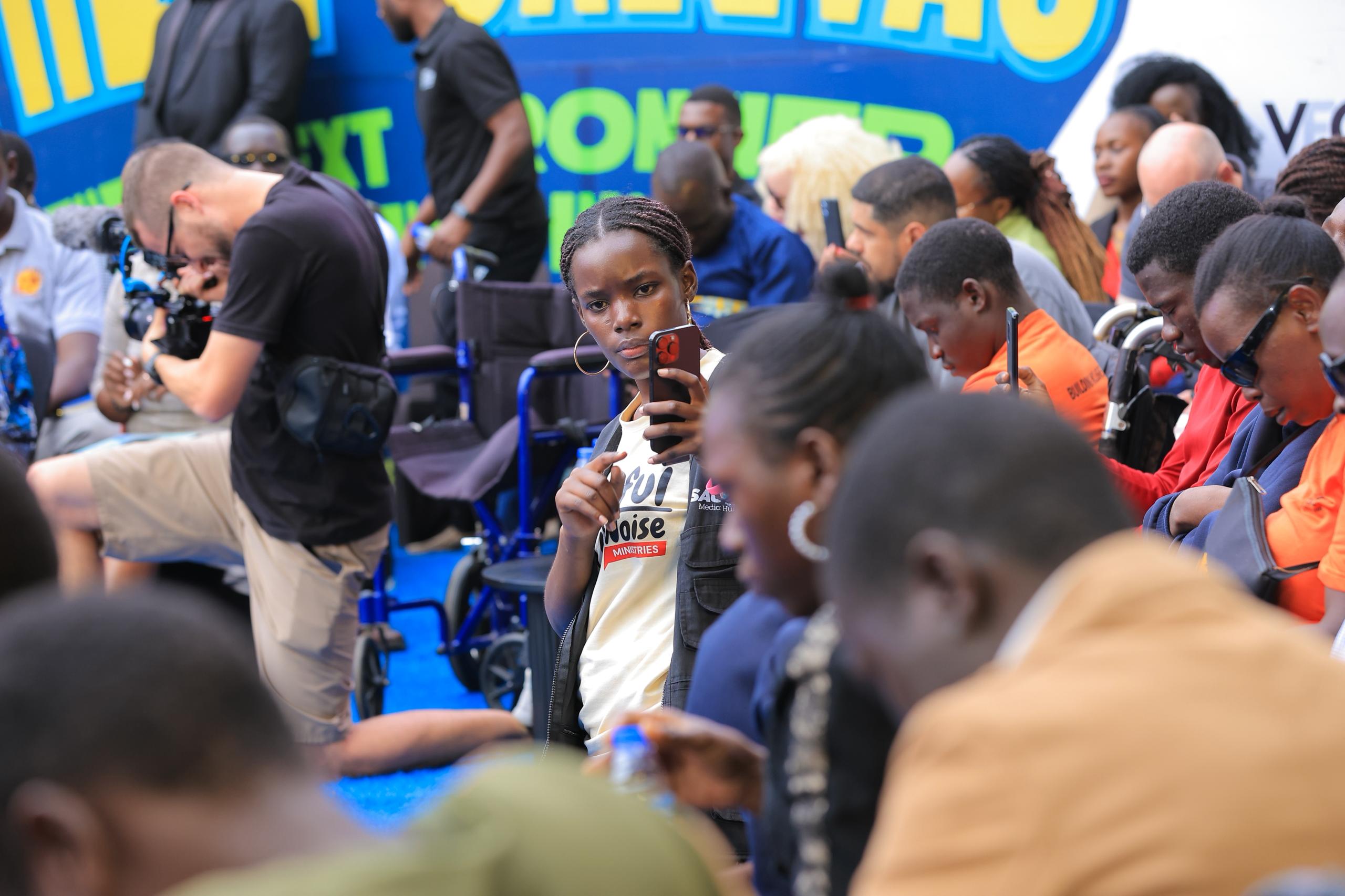
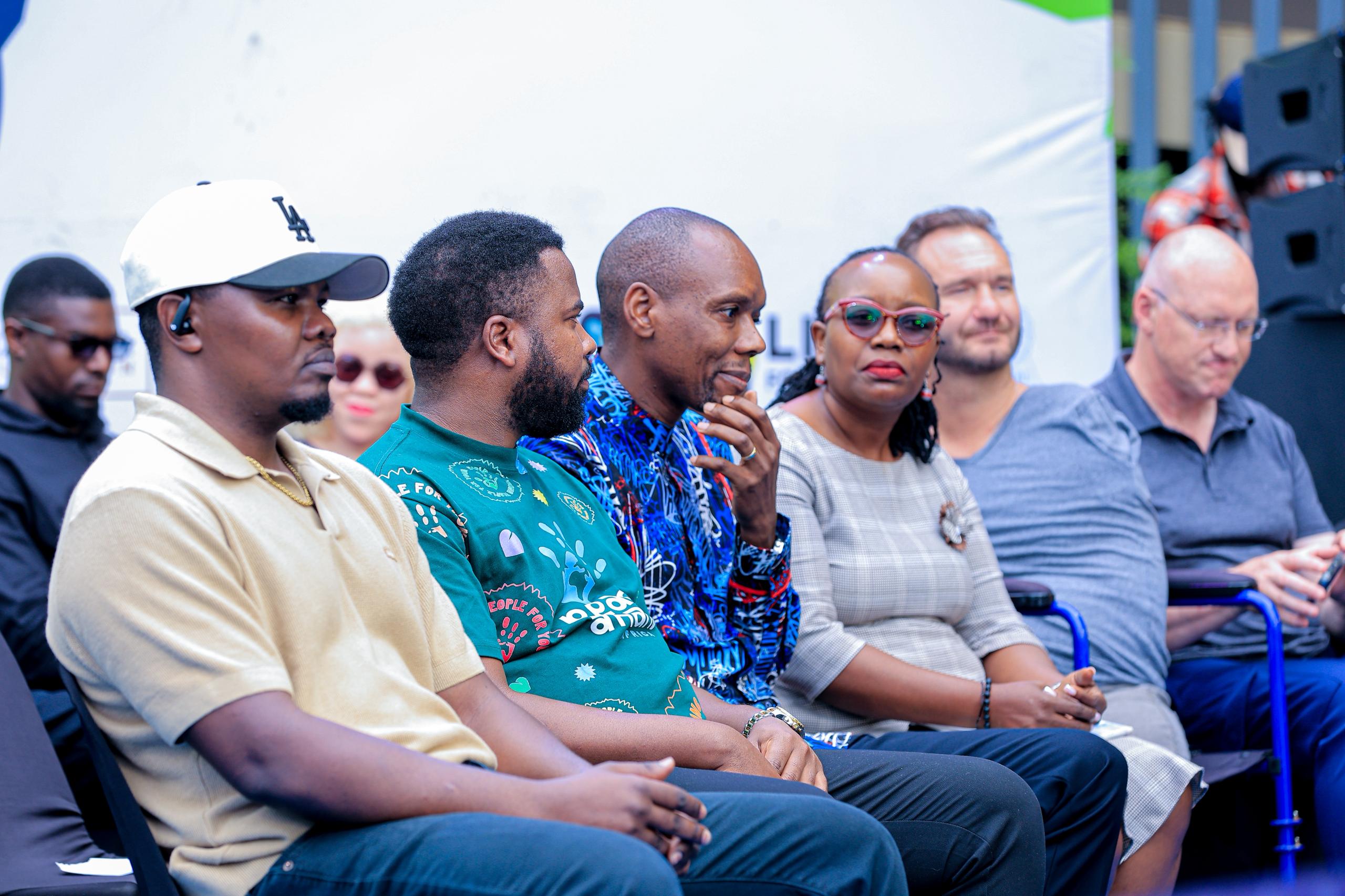
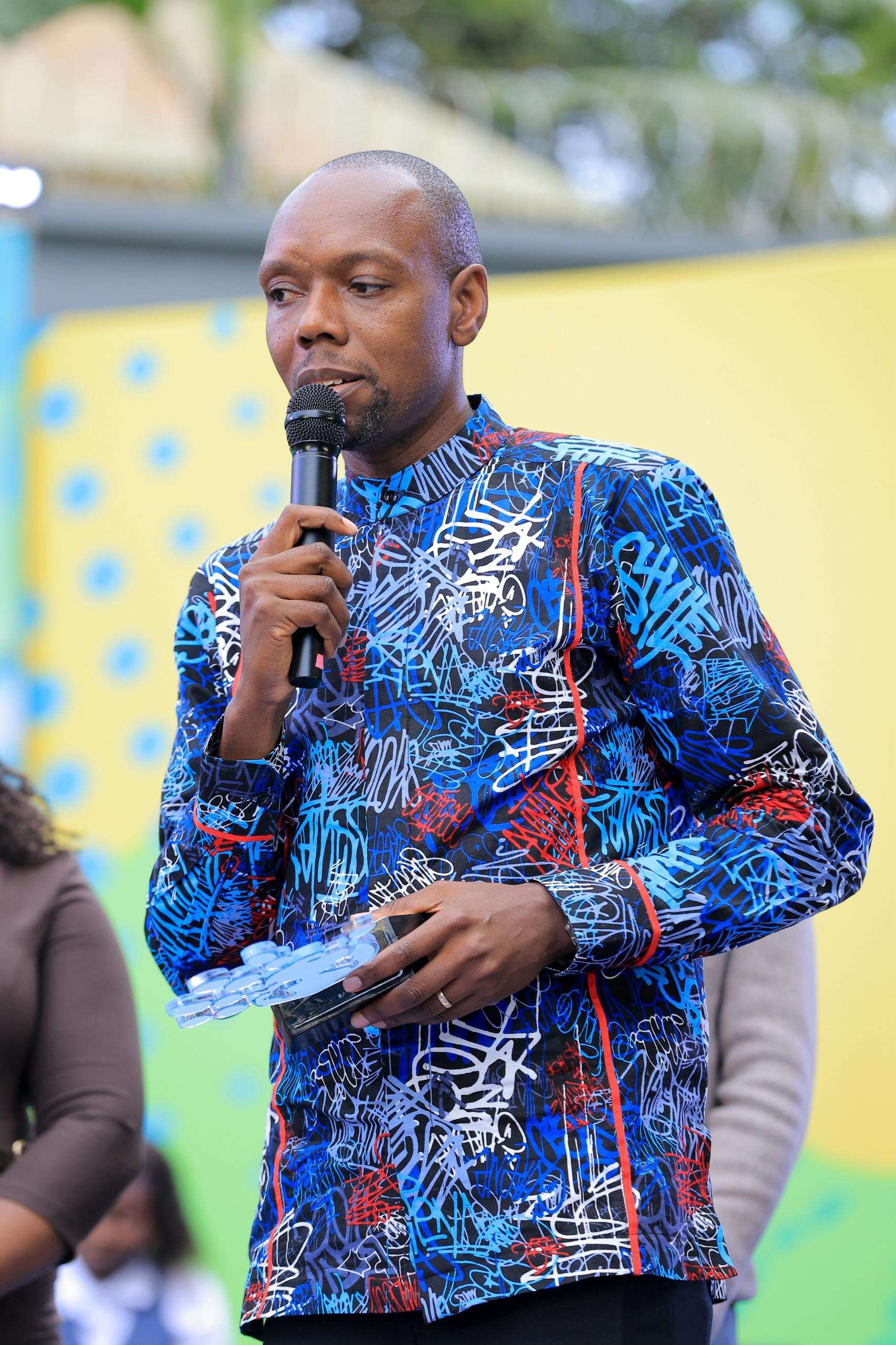
The event, dedicated to celebrating the resilience and artistic expressions of people living with disabilities, drew an influential crowd of civic leaders, international advocates, and local dignitaries. Prominent partners in attendance included representatives from NickV Ministries, Light the World, and the National Union of Disabled Persons of Uganda (NUDIPU), alongside extensive coverage from local media giants.


Also read about Airtel and Starlink
How Does Nick Vujicic Redefine Disability Rights and the Power of Choice?
Taking the stage to thunderous applause, Vujicic, who was born with tetra-amelia syndrome—a rare disorder characterized by the absence of all four limbs—wasted no time breaking the ice by looking back at his dramatic entry into the world.
“I was born in Australia, but my parents were refugees from Yugoslavia,” Vujicic shared. “My dad and mum cried when they saw me at birth because they hadn’t seen my lack of arms and legs when I was in the womb. They weren’t sure if their little baby could ever do anything ever in life.”
He then recounted a childhood memory of trying to kick a ball, which resulted in a severely bent foot and three weeks of bed rest.
“And I realized I have a choice,” Vujicic told the captivated audience, prompting a unified, echoing response from the crowd. “I could either be angry for what I don’t have, or be thankful for what I do have. We know that the Bible says, Jeremiah 29 verse 11, for God has a plan, hope, and a future.
Sometimes we don’t want to leave our home because we don’t want people to stare at us… sometimes we don’t want to go to school because there are times where people bully us. But I want you to know that you are wonderfully and fearfully made, and your value has nothing to do with how you look or your actual ability.”
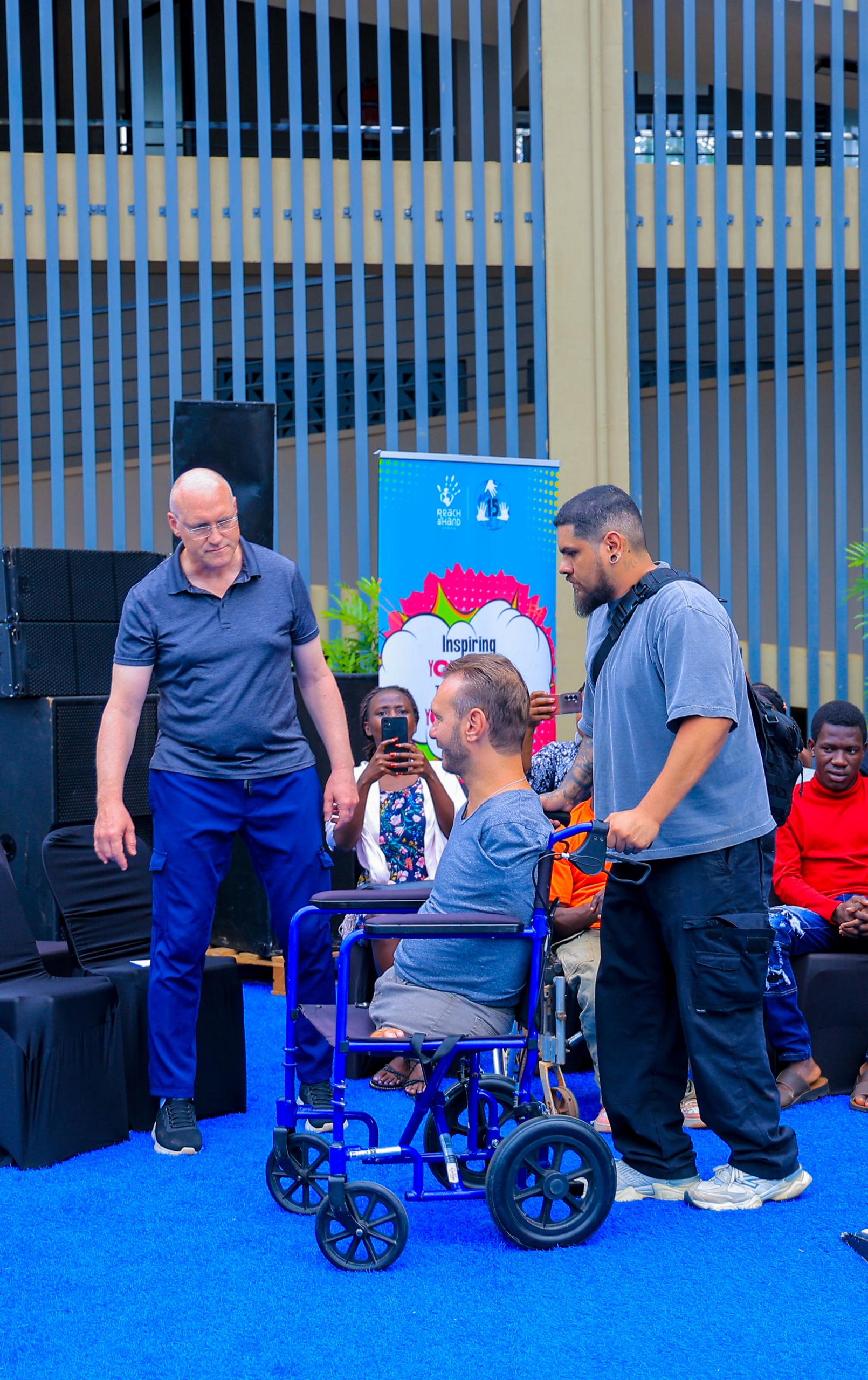
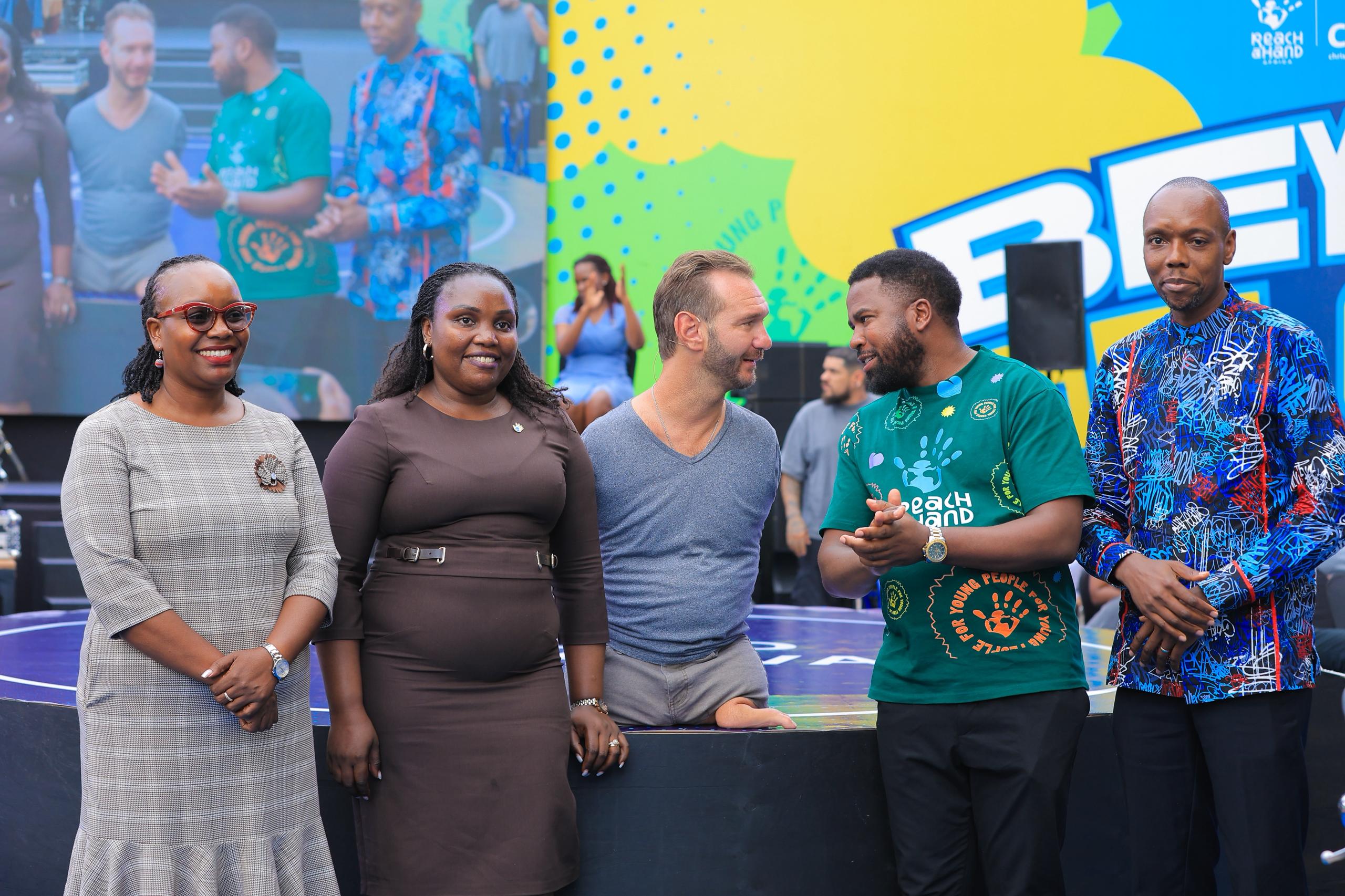
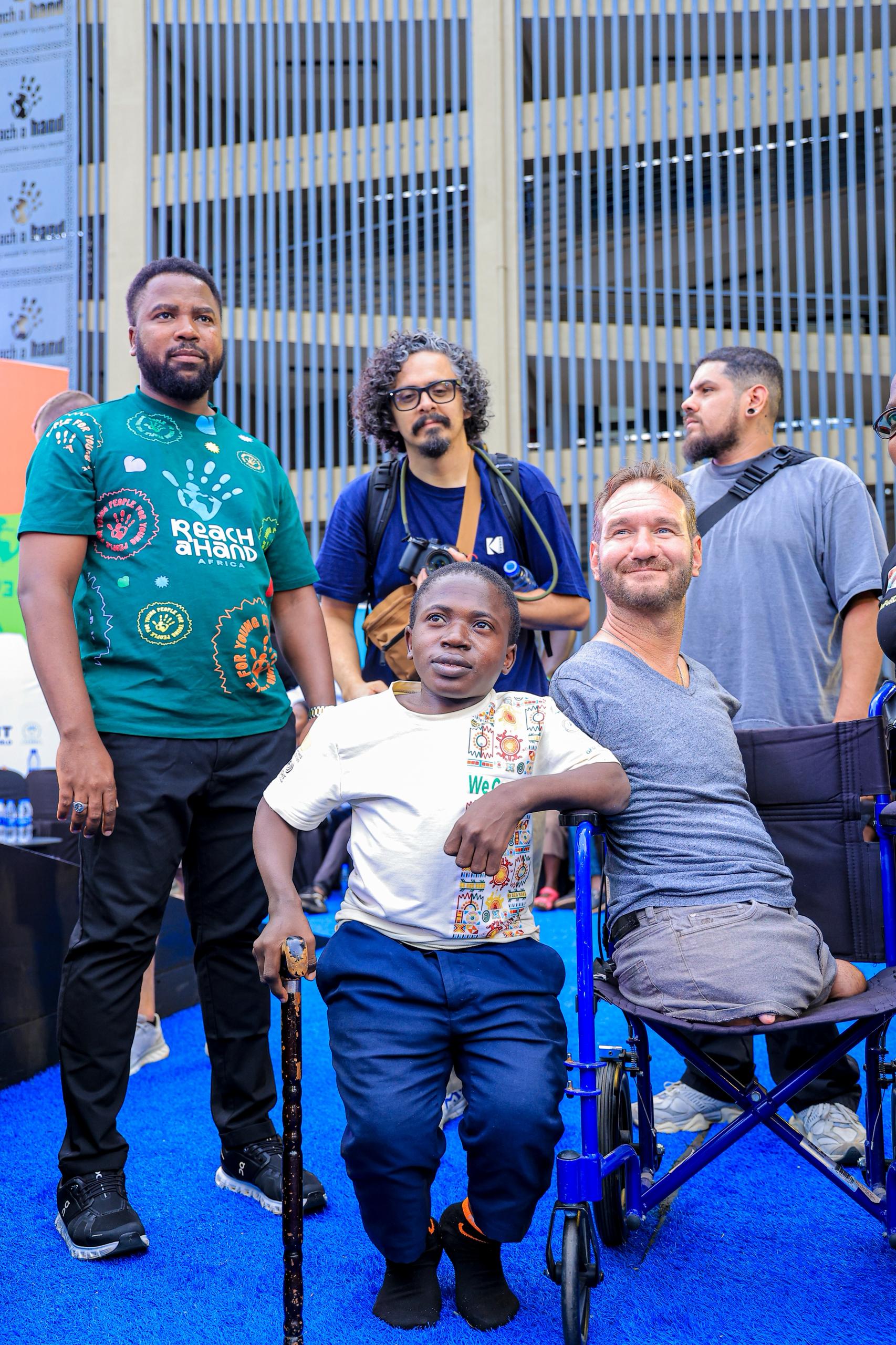
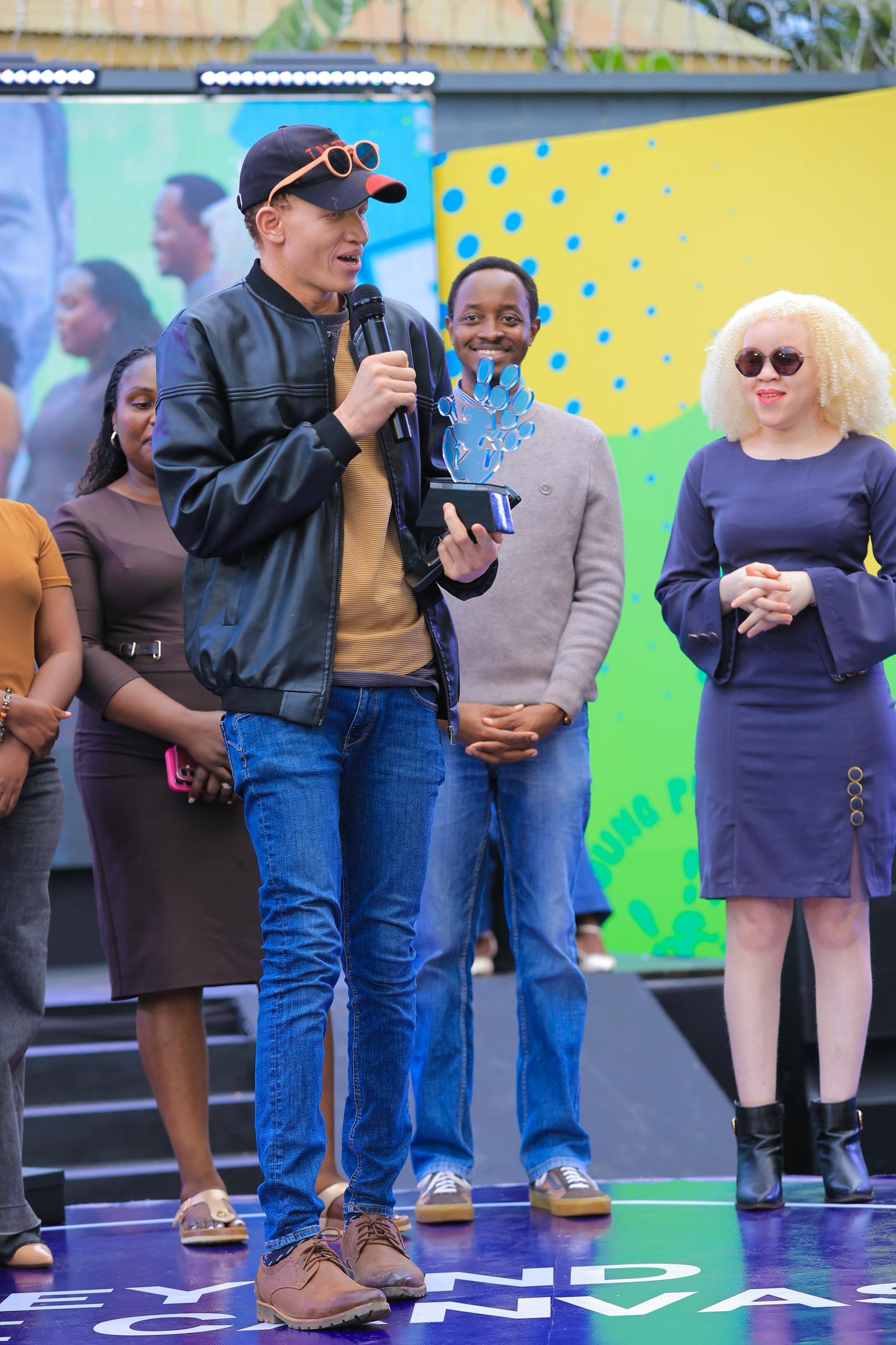
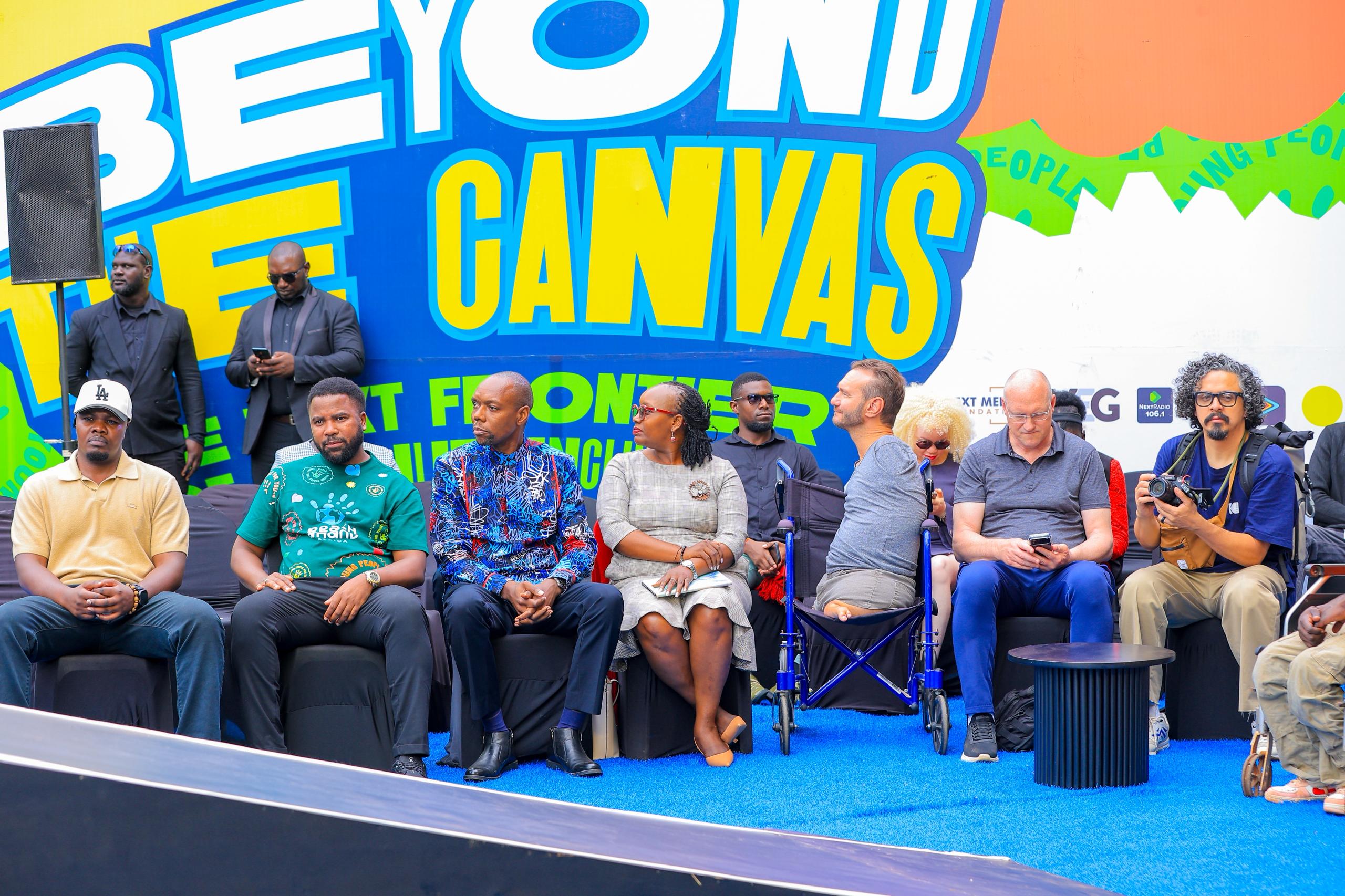
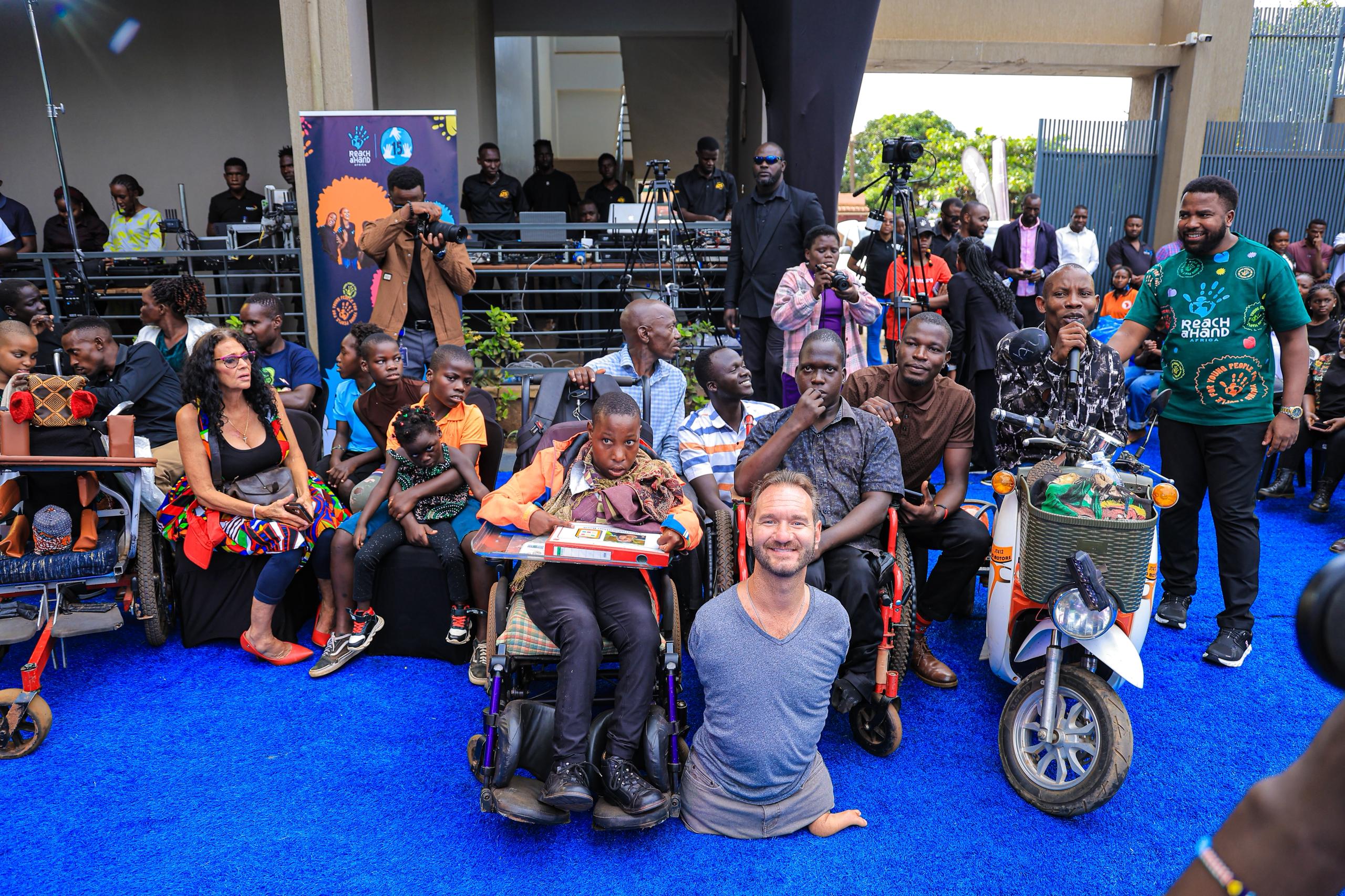
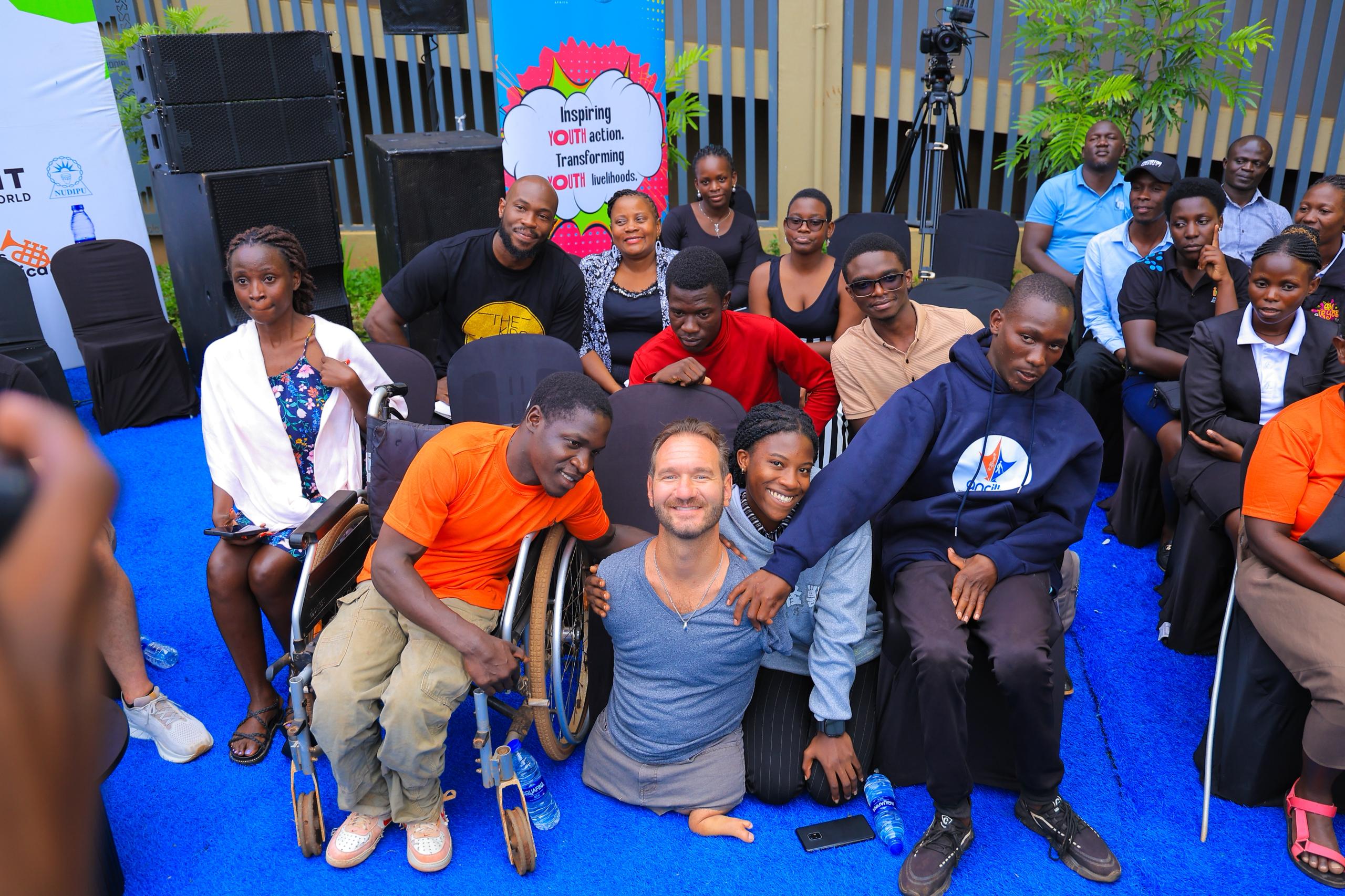
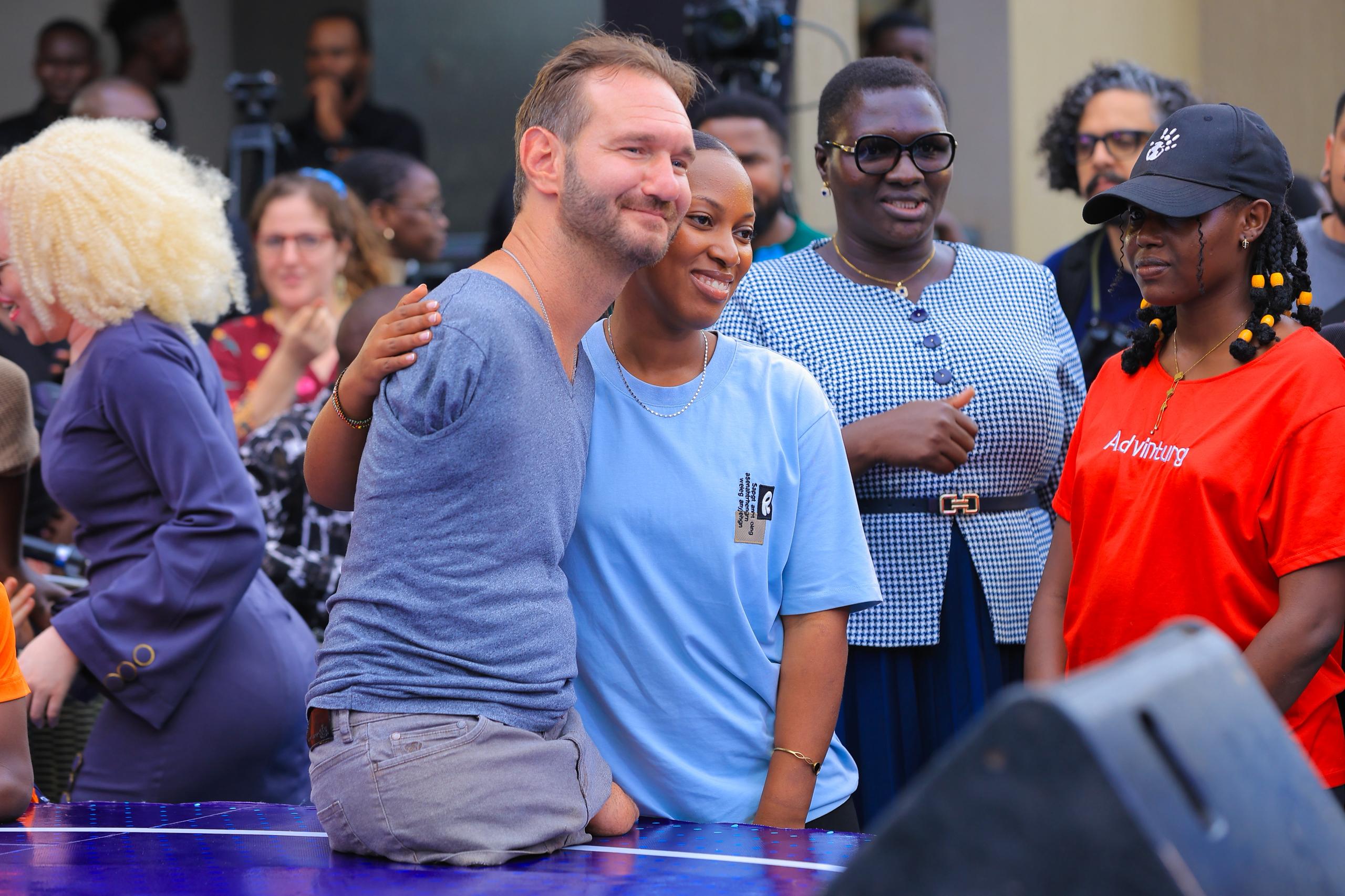
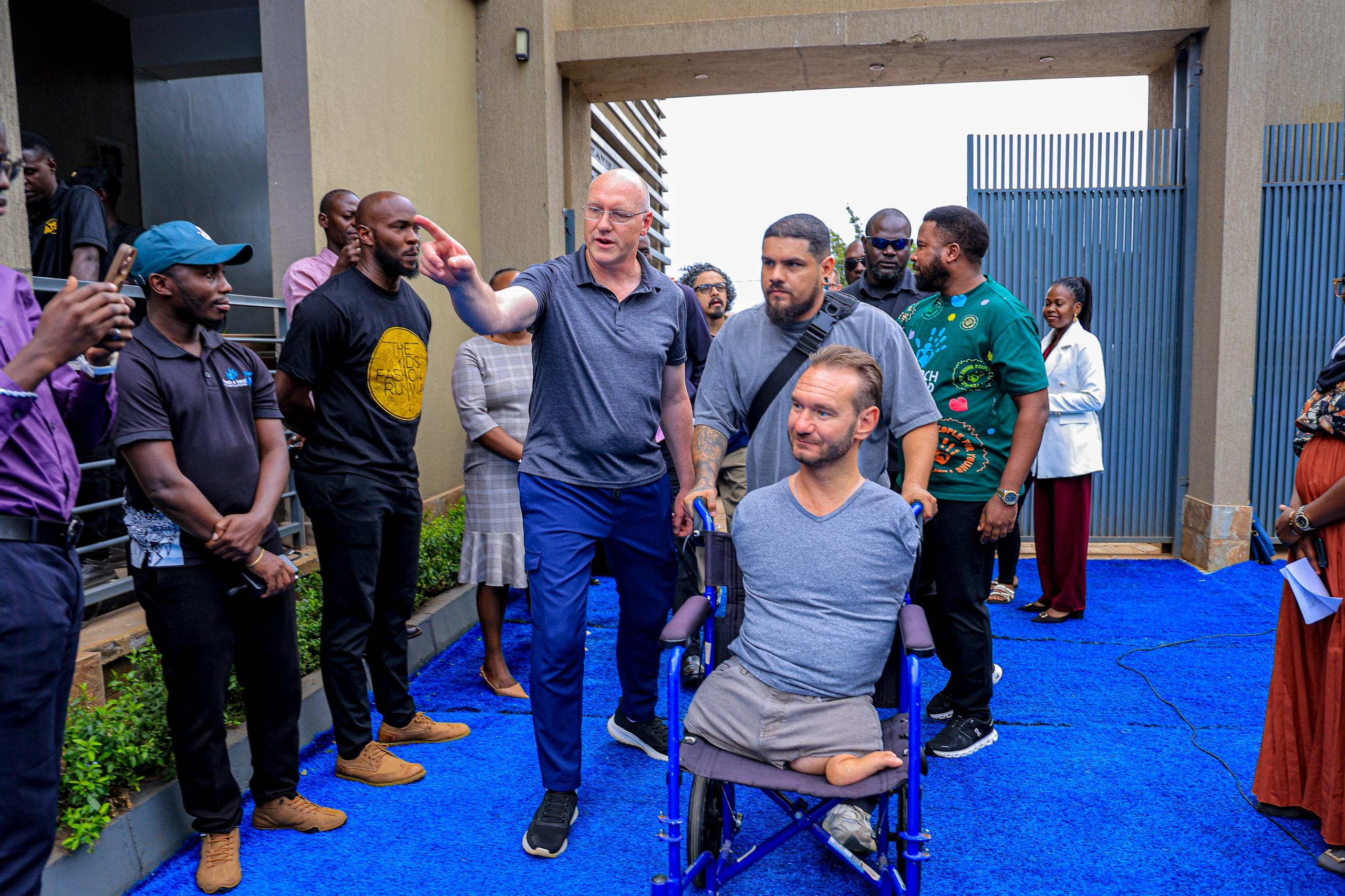
Averting his gaze to the structural realities confronting the global disabled community, Vujicic praised local organizations like NUDIPU and RAHU for their relentless advocacy, noting that their decades of pioneering work in Uganda are world-changing. He contrasted this with grim global statistics, pointing out that there are still 55 countries where children with disabilities are killed due to tribal beliefs, religious misinterpretations, and a fundamental lack of awareness.
“Do not worry about what the world says,” he urged. “When they say that you’re not good enough, get a second opinion. You are beautiful, and no one knows what we can achieve until you try.”
How Did Nick Vujicic Overcome Severe Depression and Spinal Disease?
The atmosphere turned deeply intimate as Vujicic detailed his personal battles with severe depression, confessing that as a child, the weight of his reality drove him to attempt suicide by drowning in his family bathtub. He revealed that he was stopped only by the painful mental image of his parents weeping at his graveside, realizing in that dark moment that their love outweighed his physical pain.
Today, Vujicic is a father of four—two boys aged 13 and 10, and 8-year-old twin girls—with his wife of many years. He fondly shared a story of his eldest son who, at age seven, expressed a wish that his father had hands to know what a hug felt like, before flexing his young muscles and promising to simply hug his father “longer and stronger.”
Beyond his personal family life, Vujicic shared a remarkable medical testimony regarding his own body. Born with a 60-degree spinal curvature and a rare progressive disease known as a syrinx—where the spinal bone turns to fluid—doctors predicted at age 19 that he would lose his spine entirely and be permanently bedridden by age 35. Following years of intense prayer and medical tracking, subsequent scans astonished European and global specialists, revealing that the fluid holes in his spine had completely vanished.
“I believe that we serve a God of miracles,” Vujicic stated. “But at the same time, the greatest miracle of all is not a physical miracle. The greatest miracle of all is your soul being saved, your heart being healed, and you receiving peace.”
Can Strong Christian Faith Coexist with Professional Mental Health Therapy?
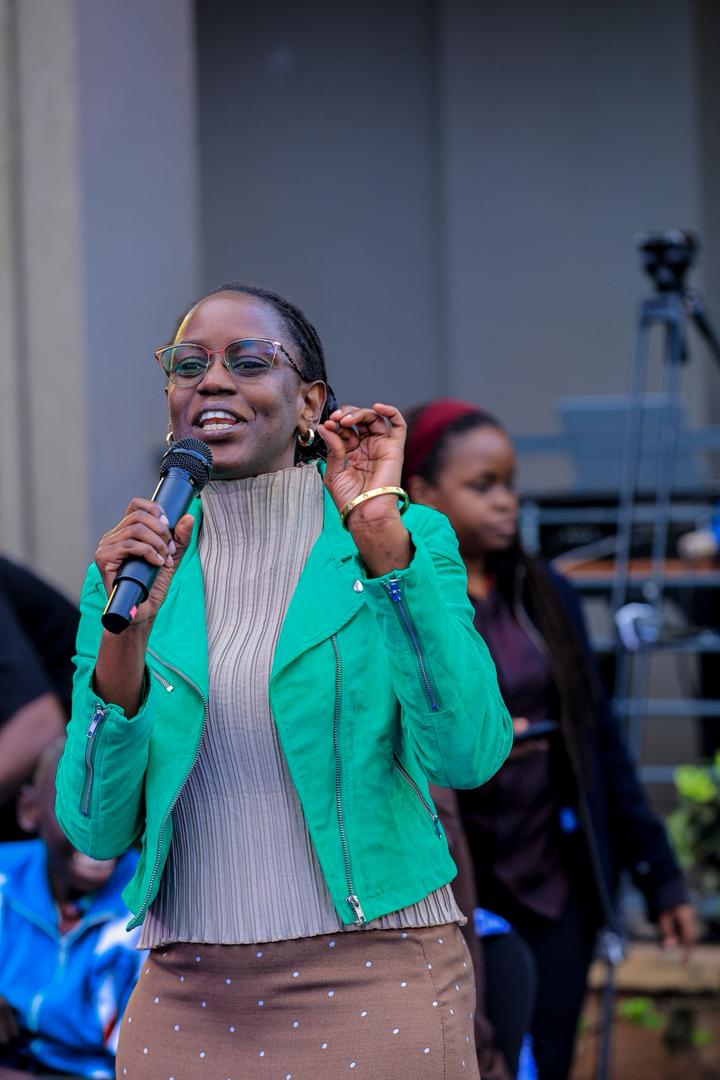
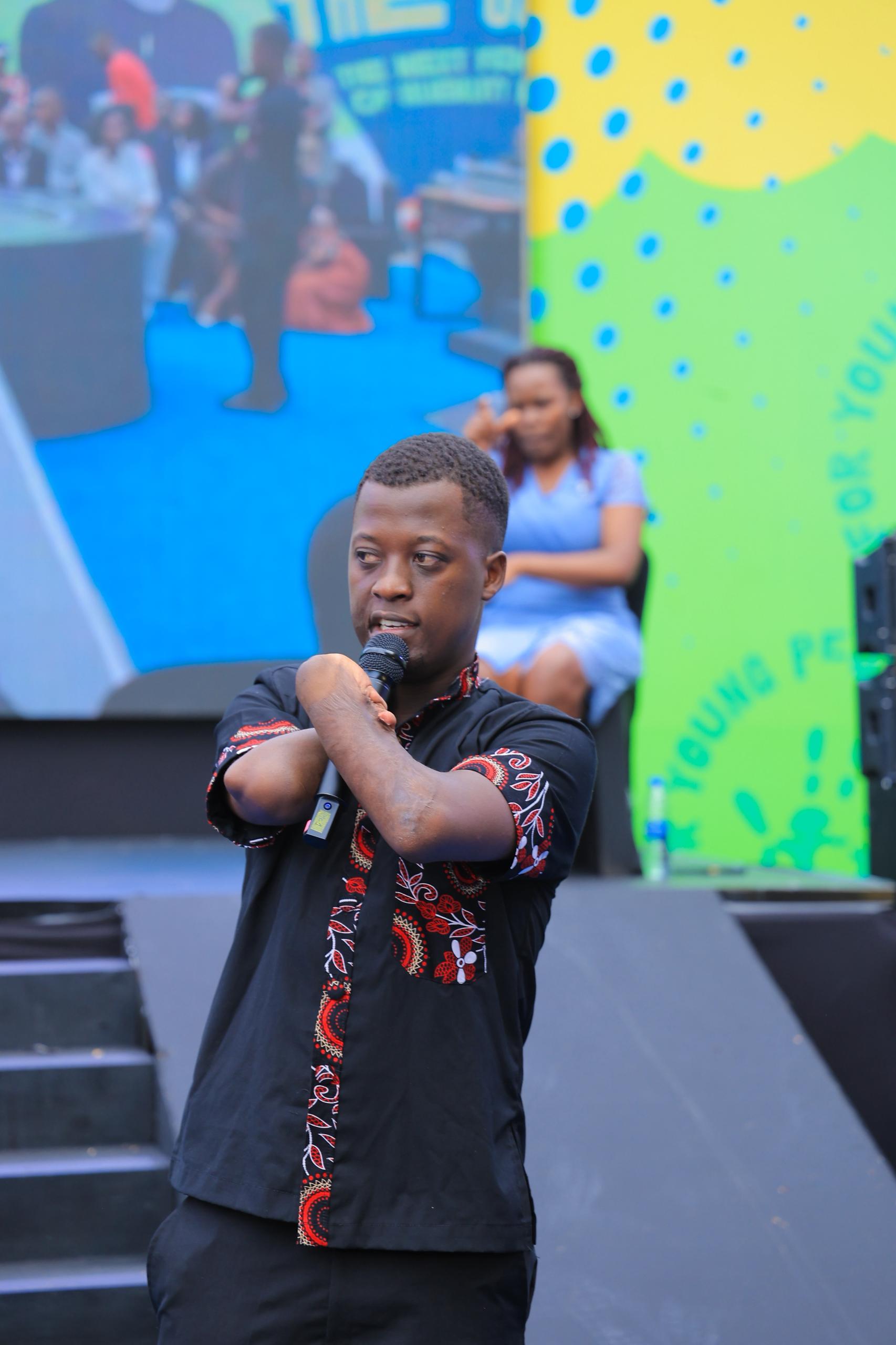
In an exclusive live dialogue on the floor, Bertha Kunzi, representing NBS Plus and Next Radio UG under the Next Media Foundation, questioned Vujicic on how able-bodied individuals handle their daily privileges and how African communities can reconcile Christian faith with the clinical need for mental health counseling.
“You cannot ignore the broken heart of anyone,” Vujicic replied thoughtfully. “You might be able to see their able bodies, but they’ve got their disability still on the inside… I think we stress over little things, and especially with social media, we don’t realize how much we complain just because we are always comparing ourselves to other people.”
Addressing the stigma surrounding clinical therapy in religious circles, Vujicic offered an uncompromised defense of professional mental health support. “Nick Vujicic has been depressed many times as a Christian. We all have ups and downs… depression still comes, anxiety still comes. That’s the importance of being a family in God… just talking through your pain with another human being is so healing and liberating, and God uses that.”
He further emphasized that while spiritual resilience is vital, governments must guarantee the structural essentials that restore human dignity: “I think we need to go back to every village in Uganda and help everyone find opportunity, make sure that everyone has food, and shelter, and love. I think an ability to get a wheelchair is so important. These things are essential and actually can help mental health because it gives you dignity and a sense of independence.”
Why Is Nick Vujicic Criticizing Western Philanthropy and Funding Priorities in Africa?
Vujicic did not hold back in criticizing systemic geopolitical failures, delivering a blunt assessment of Western and domestic political leadership. “I’m ashamed as a Westerner to say that we’ve absolutely failed Africa. I think most governments around the world over the last 30 years have failed Africa. I think most presidents and prime ministers of African countries have failed your continent as well. Money is the god of this world—money, sex, power. And unfortunately, there’s not enough real compassion… otherwise, there wouldn’t be an empty stomach in Africa.”
He sharply critiqued Western funding priorities, stating it was “disgusting” that millions are channeled into ideological theories and medical sex changes in the West while mothers and fathers in Africa lack the basic capital to purchase a wheelchair or feed their children.
Looking forward, Vujicic challenged the rising generation of African youth—Gen Z and Alpha—whom he described as possessing the most compassionate hearts in human history, to boldly stand up for absolute truth and economic transparency. He unveiled a grand 10-year philanthropic vision to mobilize 200 million people globally to donate just $2 a day through the global Church network to directly fund hospitals, schools, and infrastructure for vulnerable populations, promising a zero-percent rate of administrative corruption.
How Can Individuals with Severe Speech Impairments Empower Their Communities?
The emotional peak of the event occurred when the floor was opened to attendees, and the microphone was passed to a beautiful adorable little girl named Jacinta, who lives with a severe speech and vocal impairment. Working through intense physical strain, Jacinta looked at the global icon and asked how he had lived like that all his life.
The room fell into an intense, breathless silence. Vujicic, visibly moved, responded with profound reverence. “Words are words… but when you look at me, and you can see my eyes, and I can see your eyes, you know what we all have? Is deep down, a need for love. And whether we have love or not in our lives… I just want you to know that God has a plan for you… I want you to know you are so beautiful.”
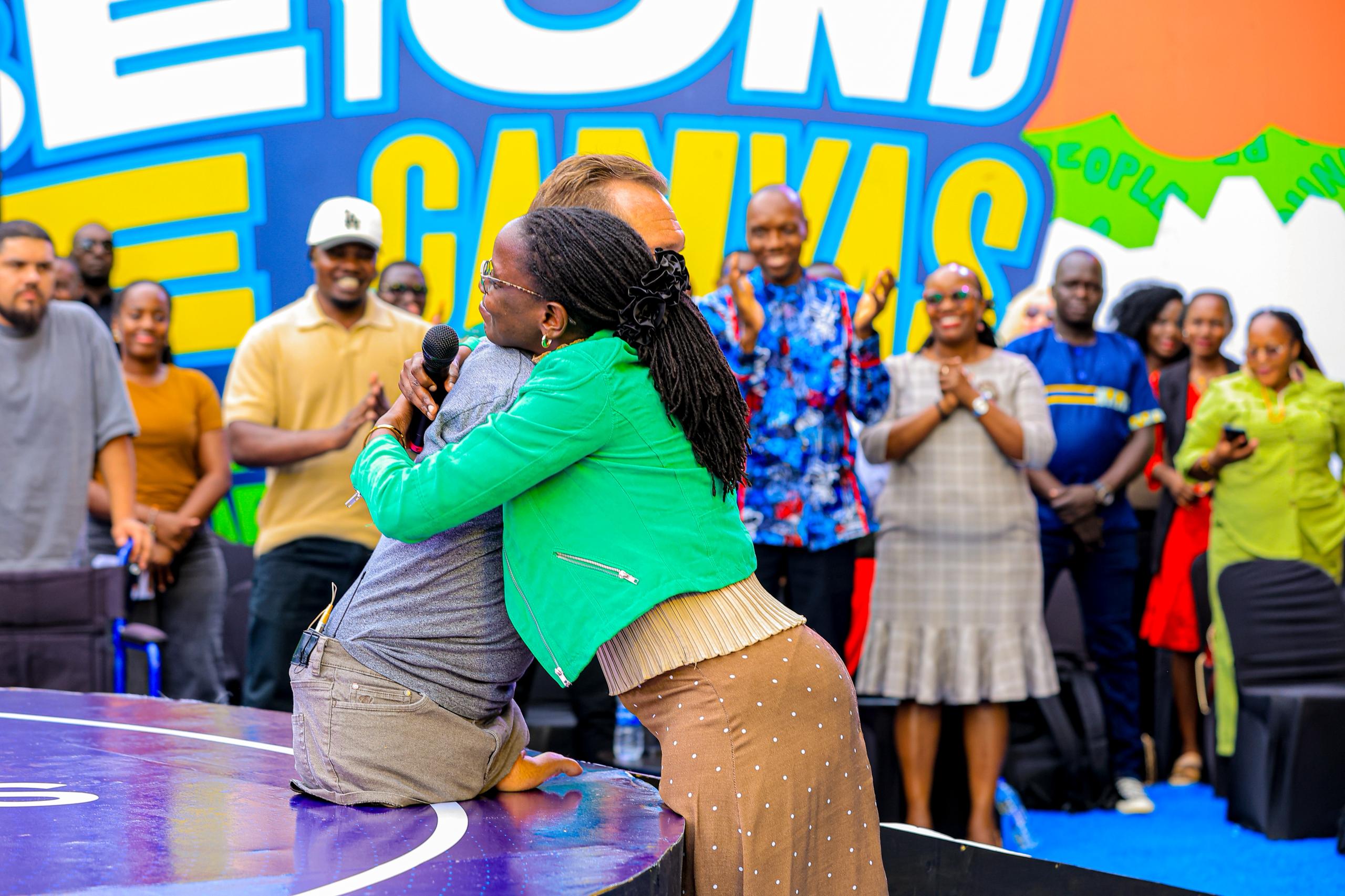
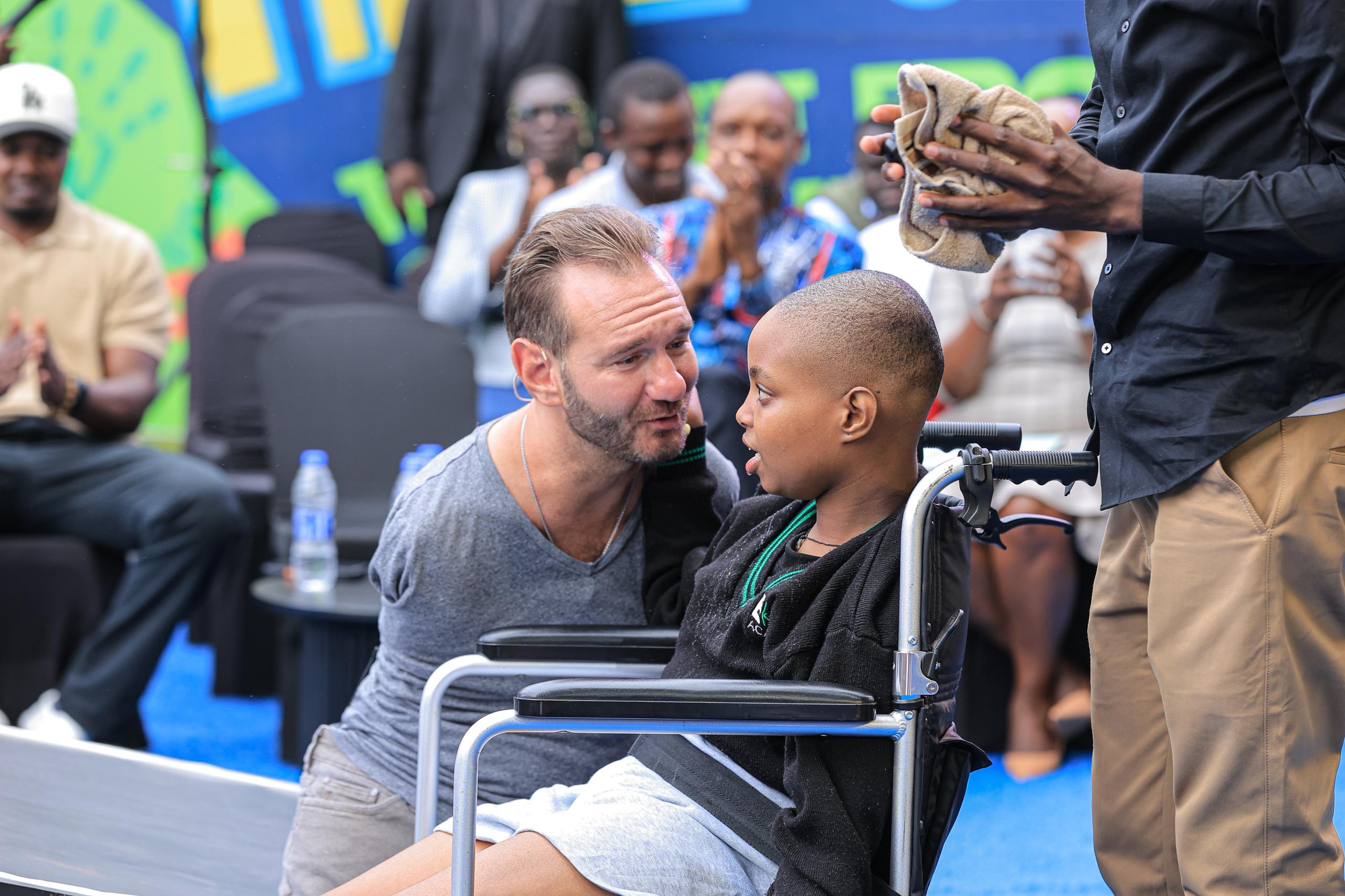
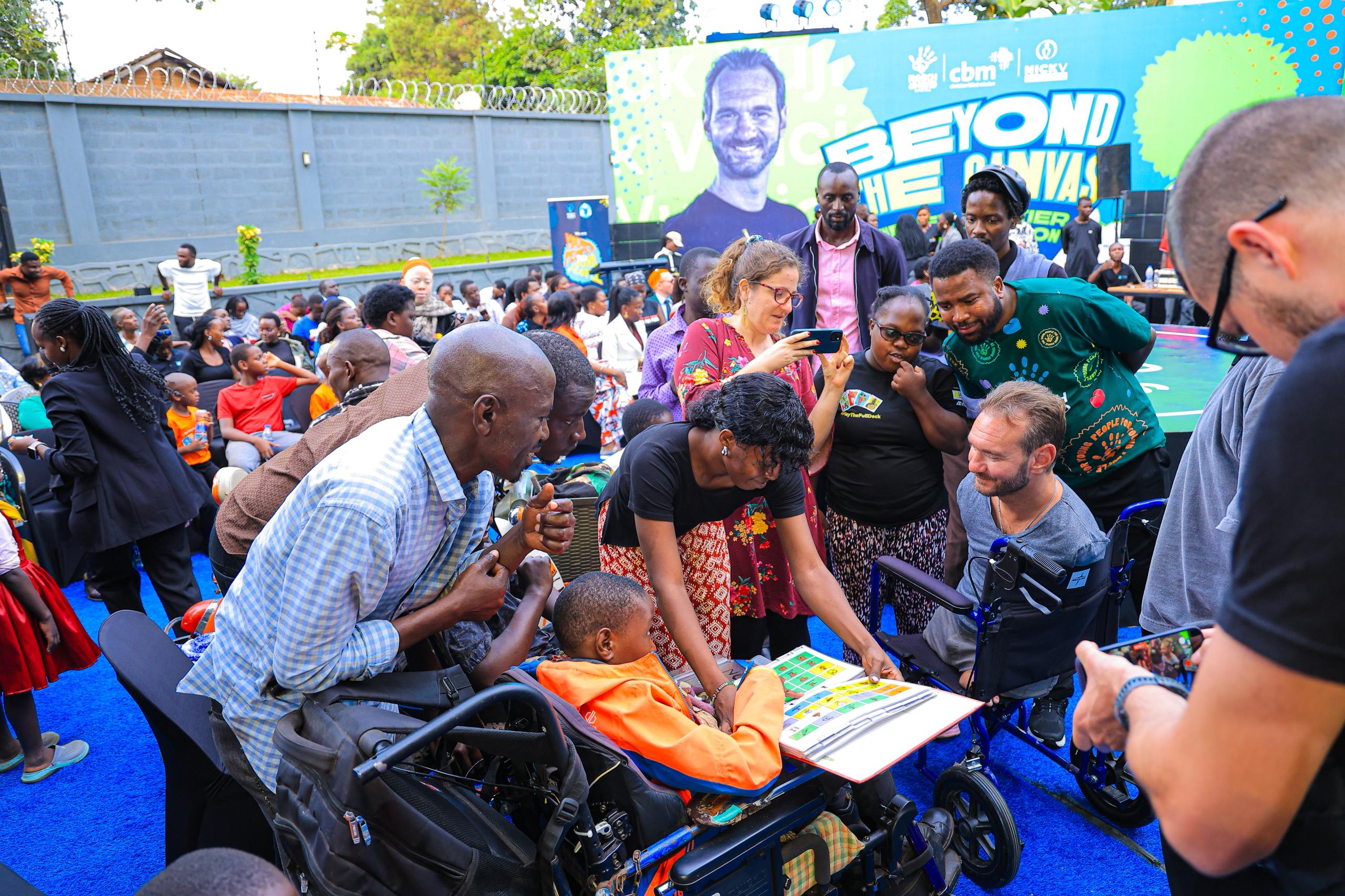
Breaking protocol, Vujicic descended from the elevated stage area to the presentation floor to give Jacinta a long, emotional embrace, prompting a massive standing ovation from the crowd, with many tears shed across the hall.
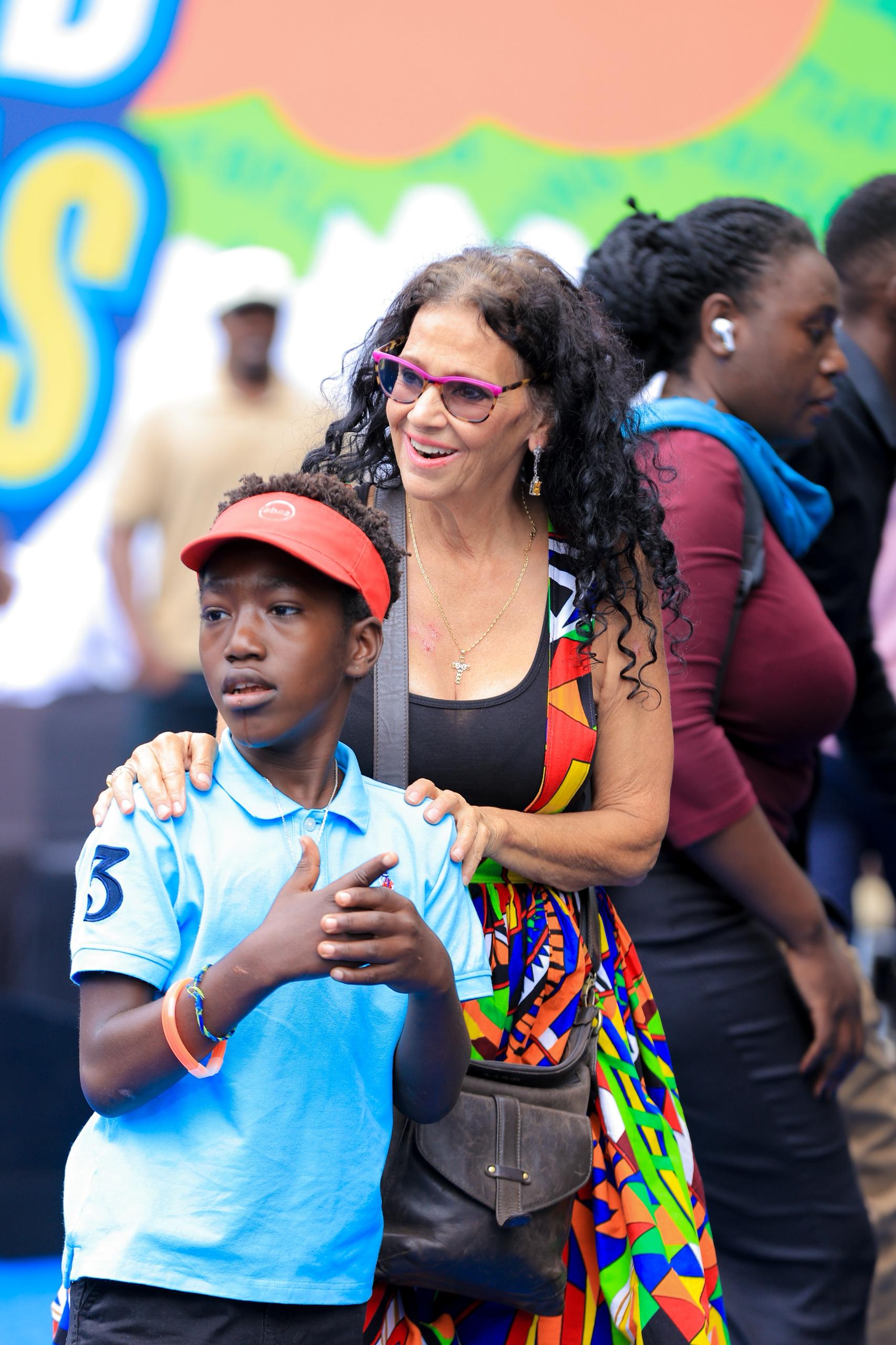
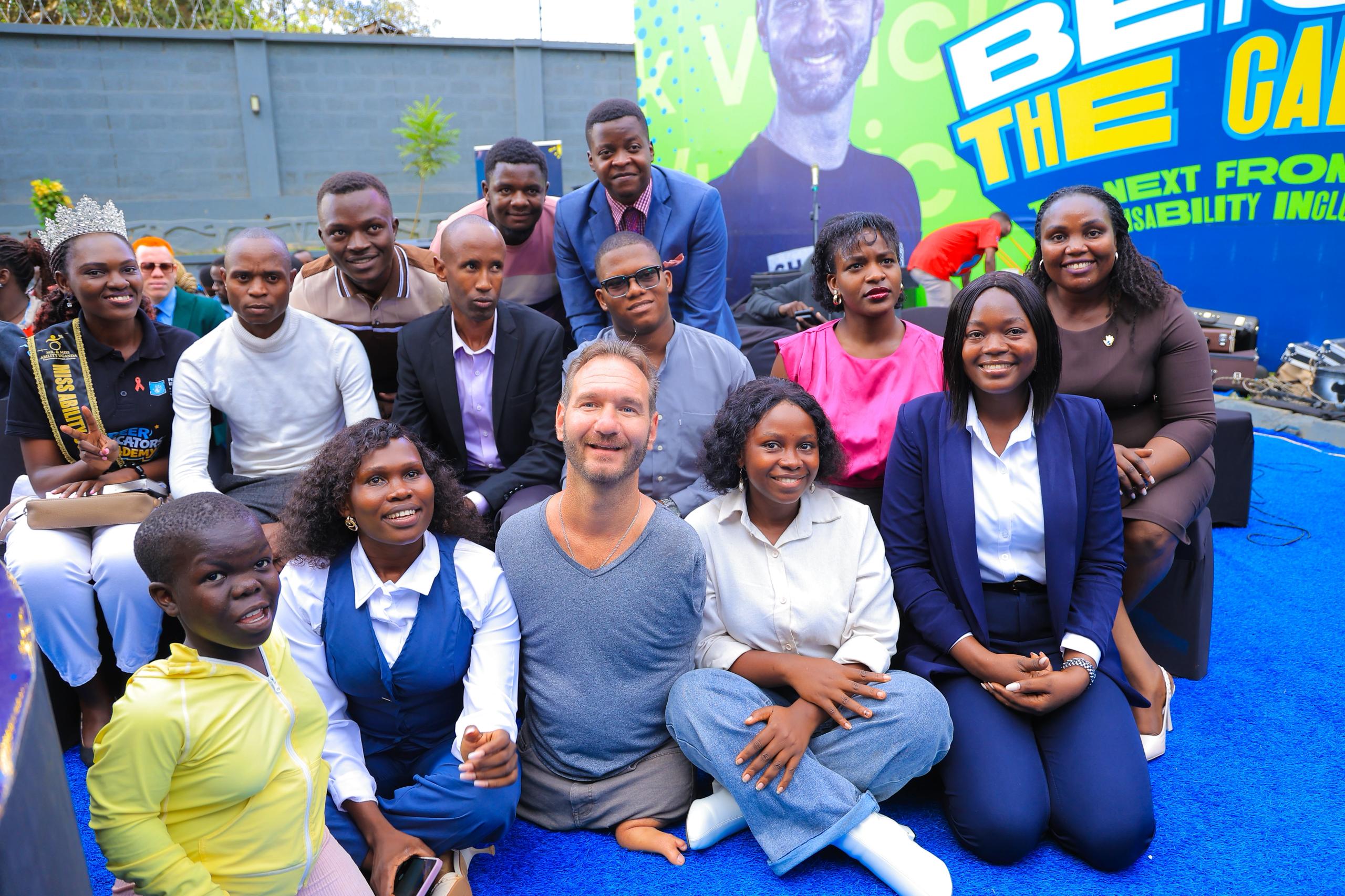
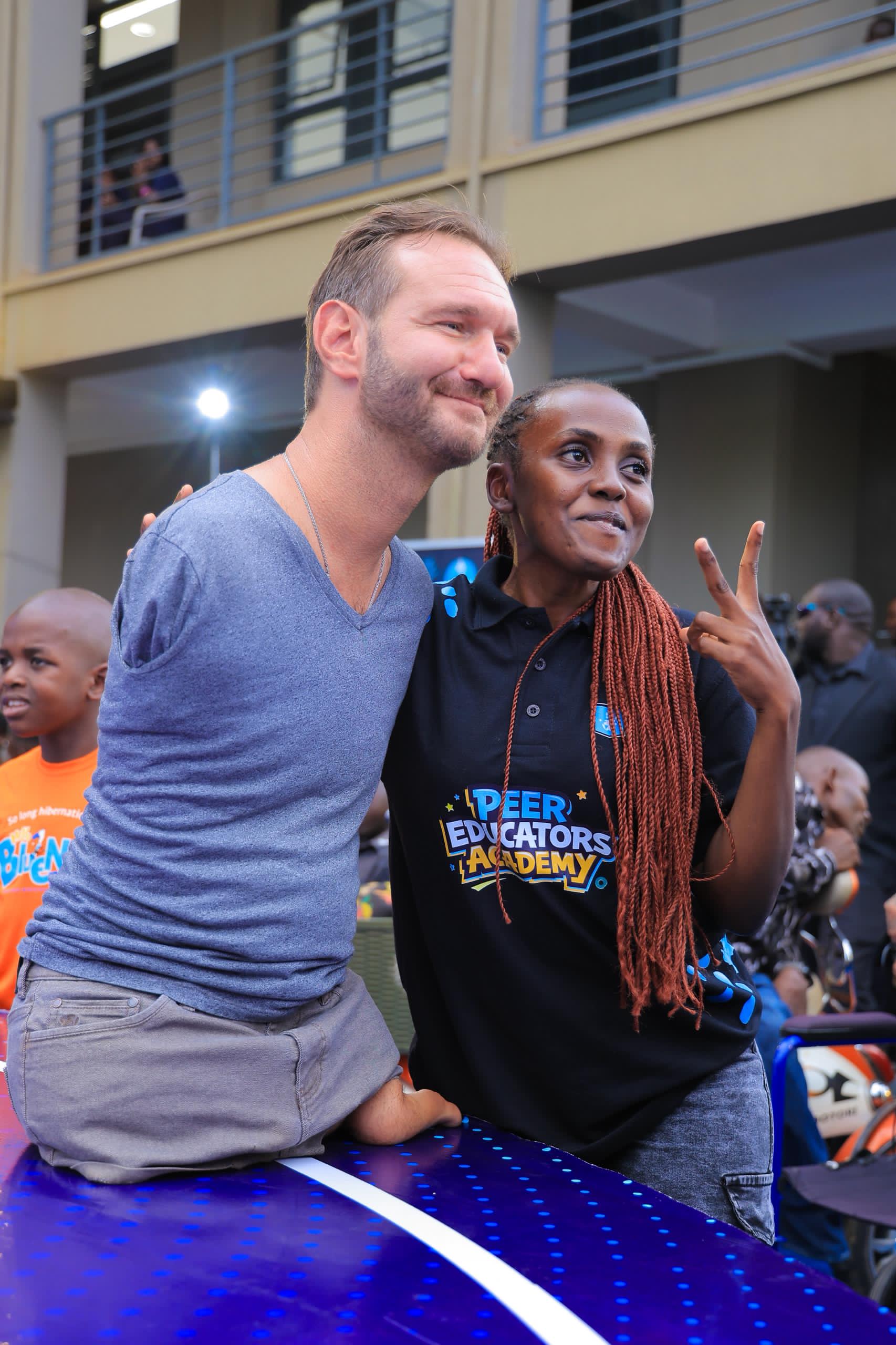
The event concluded with an extensive, joyful group photograph session. As Vujicic moved through the circles of attendees to take photos, local coordinators and audience handlers could be heard speaking urgently in Luganda, seizing the momentum of the hour to organize immediate sponsorships, wheelchairs, and long-term economic aid for the families present.
Leaving the audience with a final linguistic revelation, Vujicic asked the crowd to look closely at the word “disabled.” “God says in the Bible, ‘Go and sin no more.’ And when you put a ‘G-O’ in front of the word ‘disabled’, what does that spell? God is able! To do exceedingly, abundantly more than you can ever ask, imagine, or attain. If God can use a man without arms and legs to be His hands and feet, and shake hands with 37 presidents, all it took was, ‘Yes, God, I trust you.'”