
Table of Contents
A rising generation of young African humanitarians is proving that transformative social change begins with a simple, unwavering conviction: every child’s birthplace and financial circumstances must never define their human worth.
For young Ugandan leader Allan Kato, that philosophy formed the founding pillar of the Allan Children’s Foundation, a grassroots organization dedicated to protecting vulnerable children, restoring family stability, and building sustainable community infrastructure across Uganda.
What began as an individual response to local hardship has evolved into a multi-sectoral humanitarian institution serving over 220 ongoing registered beneficiaries while extending outreach to thousands across underserved communities.
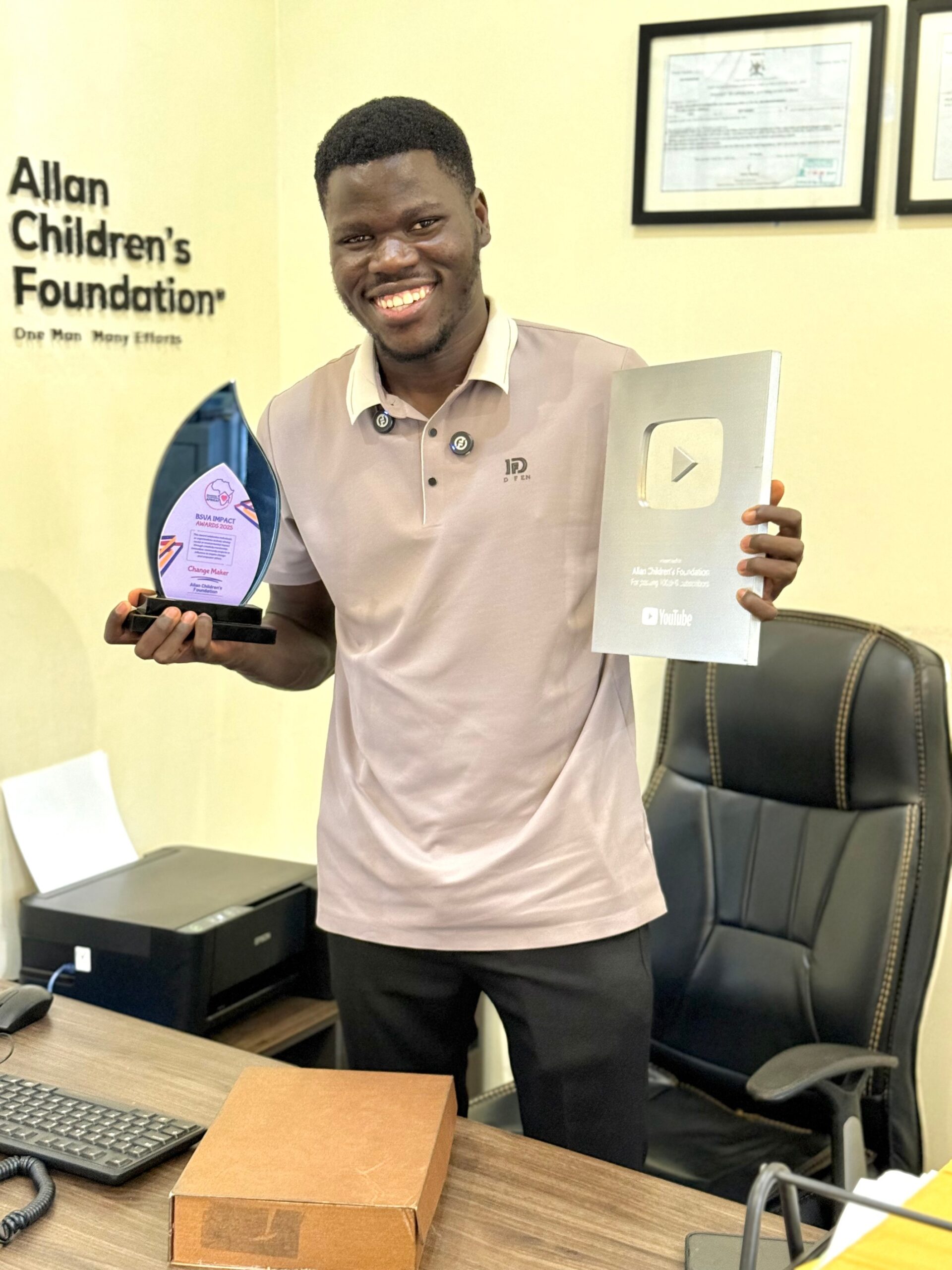
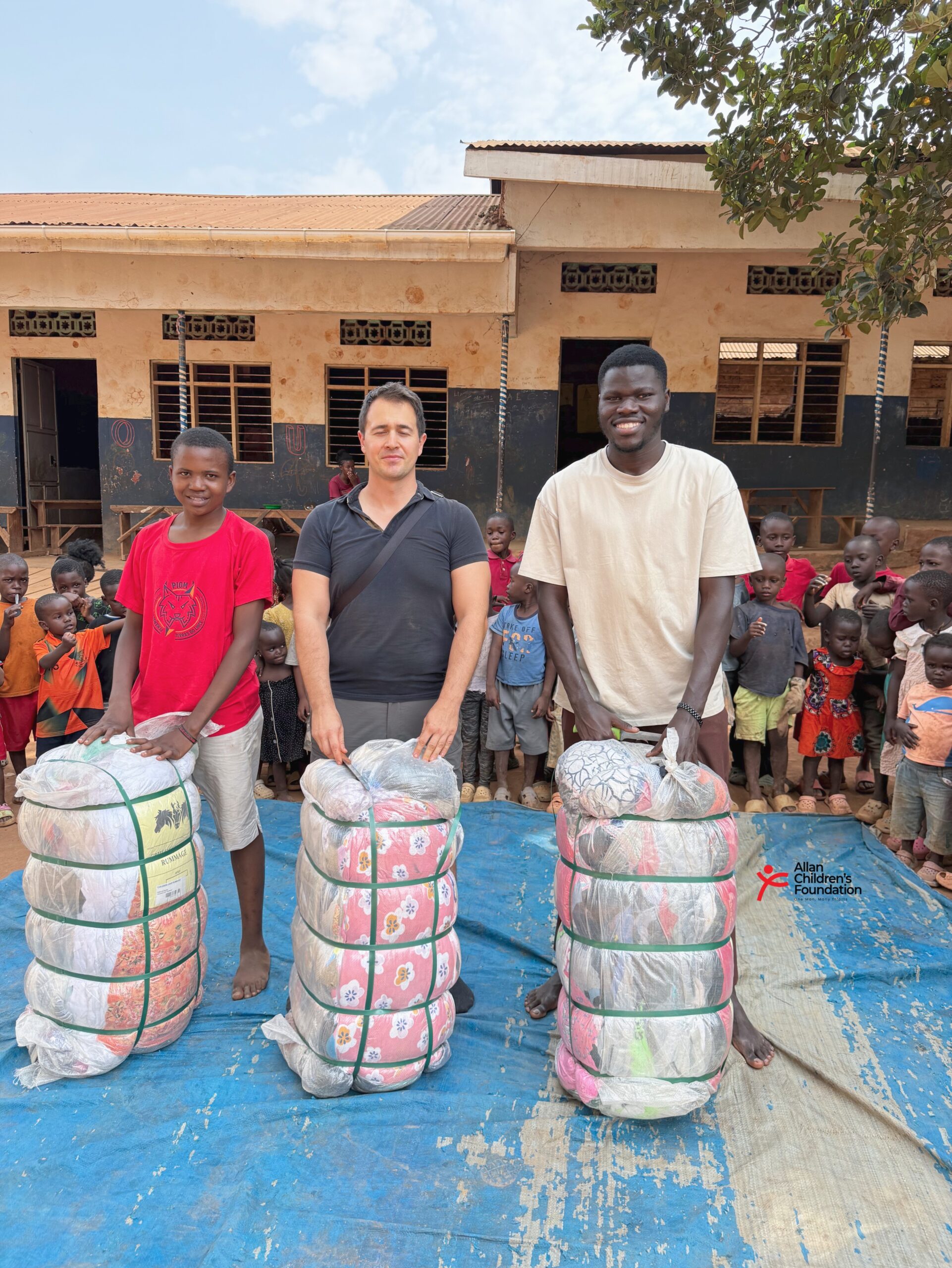
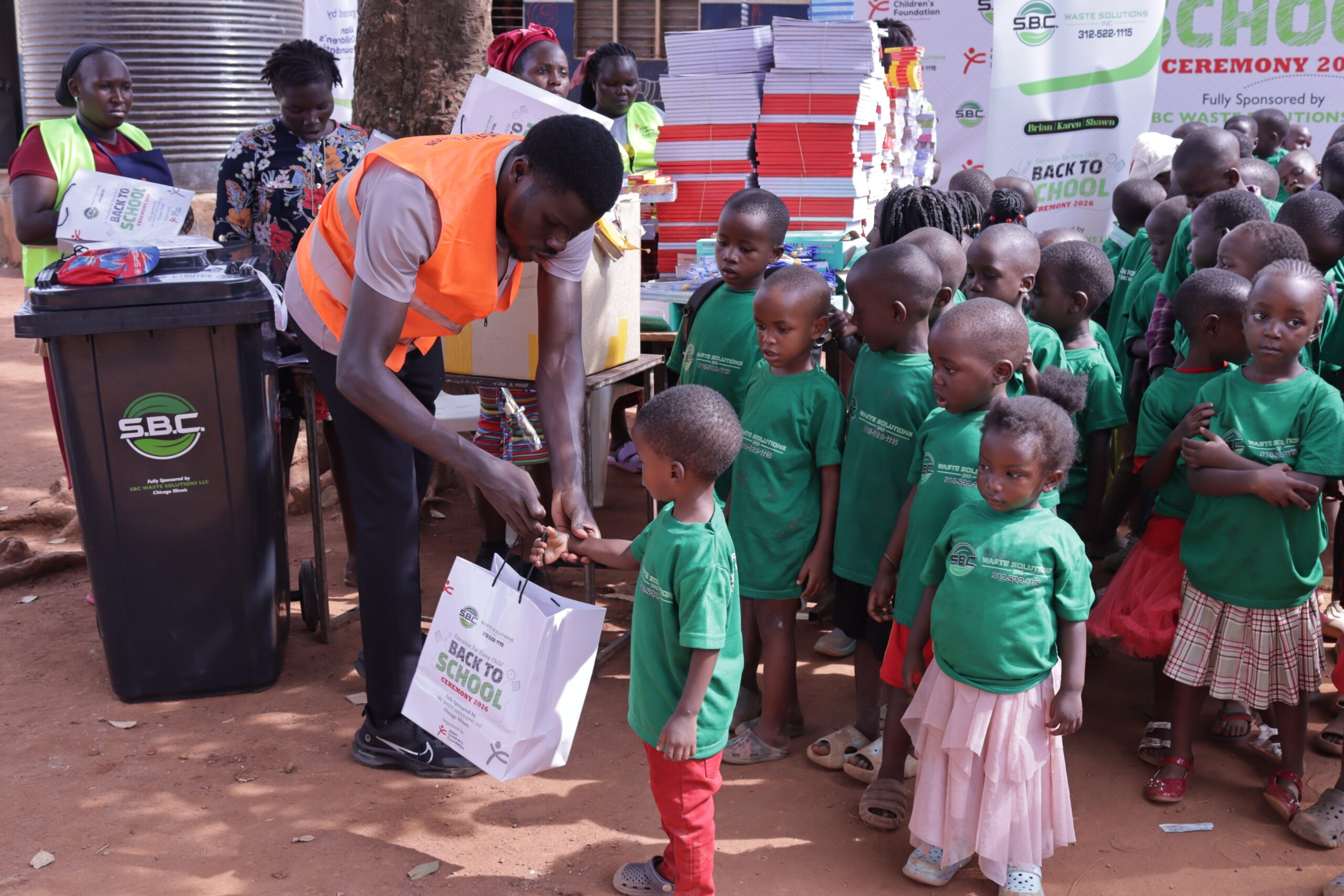
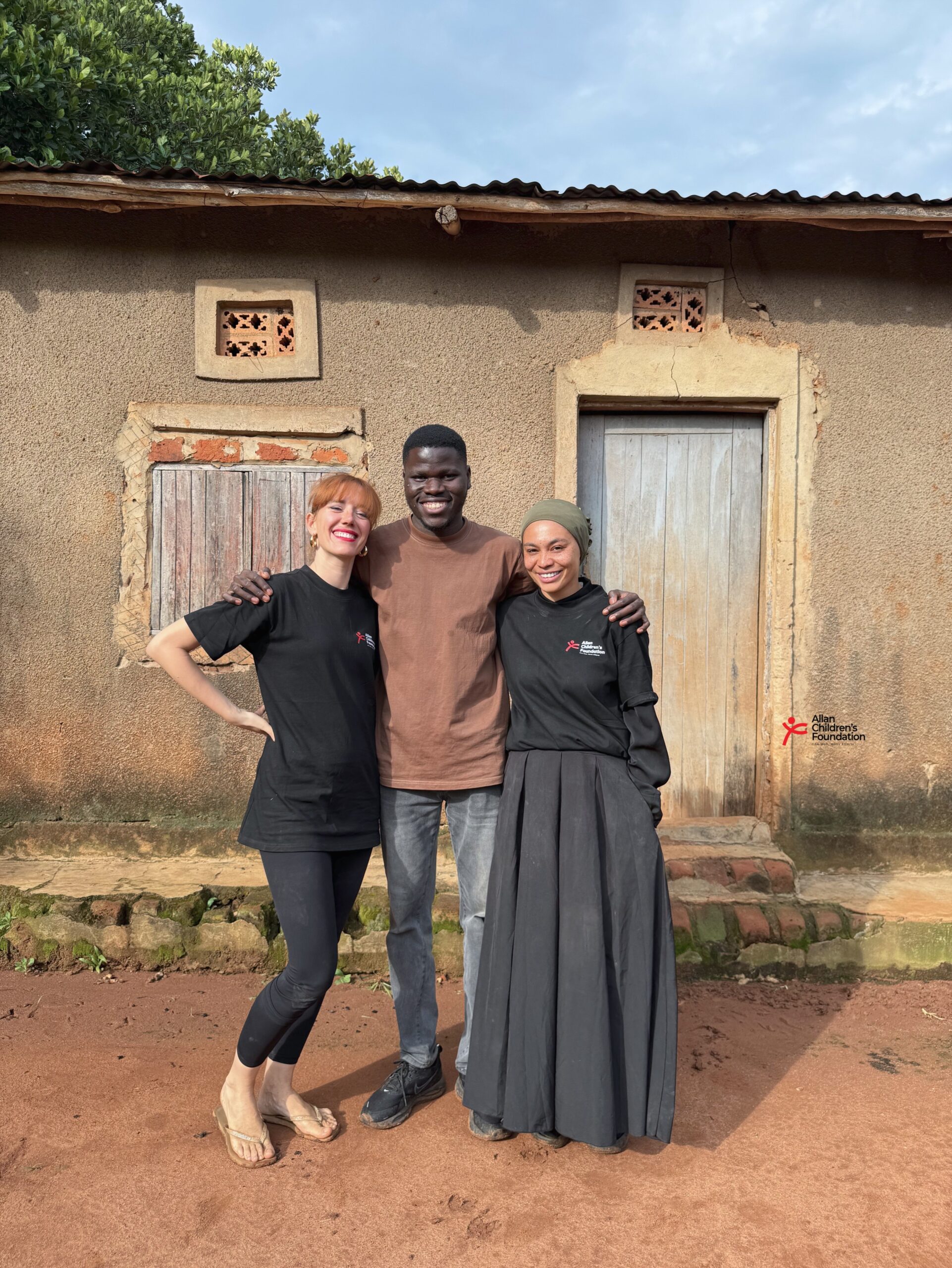
Who is Allan Kato and what is the Allan Childrens Foundation?
Allan Kato is a Ugandan community leader, social entrepreneur, and the founder of the Allan Children’s Foundation.
Rather than viewing poverty and vulnerability through abstract statistical reports—such as out-of-school rates or food insecurity metrics—Kato built his organizational model around direct, personal engagement with individual families.
Established to offer immediate relief alongside long-term developmental pathways, the Allan Children’s Foundation operates on a holistic framework. Recognizing that isolated interventions fail to break systemic poverty, the organization integrates educational sponsorship, clinical healthcare access, targeted nutrition, disability support, and household sanitation initiatives under a single operational umbrella.
How does Allan Childrens Foundation support vulnerable children in Uganda?
The foundational philosophy of the organization rests on the idea of supporting the “whole child.” Providing a child with a school place is ineffective if severe malnutrition prevents concentration, just as providing medical treatment cannot replace the security of a stable home environment.
To tackle these overlapping challenges, the organization structures its work across six interconnected program areas:
| Operational Pillar | Primary Focus & Community Interventions | Key Beneficiaries & Scope |
| Education Assistance | Provision of scholastic materials, uniforms, footwear, tuition assistance, and back-to-school community drives. | 220+ registered children plus community school enrollments. |
| Nutritional Security | Structured daily and weekly feeding programs addressing severe food insecurity in vulnerable households. | Families facing economic hardship and chronic malnutrition. |
| Healthcare & Dental Outreach | Direct coverage of pediatric medical care, emergency interventions, and specialized dental hygiene clinics. | Children requiring immediate or ongoing clinical attention. |
| Special Needs Advocacy | Specialized medical, physical, and psychological support for children living with physical and cognitive disabilities. | Children living with cerebral palsy and mobility challenges. |
| Sanitation & Hygiene | Community infrastructure projects focused on clean water access, pit latrine construction, and hygiene education. | Rural and peri-urban households lacking basic sanitation. |
| Family Economic Support | Emergency aid and economic stabilization support for child-headed or impoverished households. | Vulnerable caregivers and guardians across project sites. |
What is the story of Little Ibrahim and special needs advocacy for every child in Uganda?
One of the most defining chapters in the evolution of the organization came through its work with children living with severe disabilities—a demographic frequently marginalized due to social stigma and lack of specialized rural healthcare.
A central figure in this journey was Little Ibrahim, a young child living with severe cerebral palsy who required intensive medical, nutritional, and physical assistance.
The organization rallied resources to provide Ibrahim with round-the-clock care, specialized equipment, and medical management, bringing his story to national and international audiences to highlight the plight of special-needs children in Uganda.
When Little Ibrahim passed away in June 2026, his legacy left a permanent mark on the values of the organization.
For Kato and his team, Ibrahim’s life served as a poignant reminder that humanitarian work is not defined solely by statistical success stories, but by the moral obligation to ensure every child is treated with dignity, surrounded by love, and provided with comfort regardless of their medical prognosis.
How do global volunteers and institutional governance drive lasting change?
As the footprint of the Allan Children’s Foundation expanded, the local initiative attracted an international volunteer network.
Humanitarians, medical personnel, and educators from across Europe, North America, and Asia regularly travel to Uganda to work alongside local staff, creating a cross-cultural exchange rooted in shared human dignity.
To transition the mission from a founder-led project into a permanent institution, Allan Kato has prioritized rigorous organizational governance:
- Institutional Compliance: Implementing transparent financial controls, formal auditing processes, and robust child protection policies.
- Evidence-Based Monitoring: Documenting long-term academic and medical outcomes for all 220+ registered beneficiaries to measure real-world impact.
- Capacity Building: Conducting continuous training for local field officers and community volunteers to ensure program sustainability.
- Transition to Development: Shifting focus from short-term emergency relief toward sustainable community water systems, agricultural empowerment, and long-term educational infrastructure.
By demonstrating that meaningful social change can emerge from local youth initiatives rather than relying exclusively on massive foreign NGOs, Allan Kato and the Allan Children’s Foundation continue to prove that when communities unite around a shared vision, every single child matters.