

Table of Contents
NAIROBI, KENYA — Thousands of international and regional travelers remain stranded across East Africa as a major airport workers’ strike entered its second day on Monday, August 31, 2026, bringing operations at Jomo Kenyatta International Airport (JKIA) in Nairobi to a near standstill.
The industrial action, spearheaded by the Kenya Aviation Workers Union (KAWU), has paralyzed check-in counters, baggage handling, air traffic control support, and runway logistics at East Africa’s busiest aviation gateway, as well as secondary hubs including Moi International Airport in Mombasa.
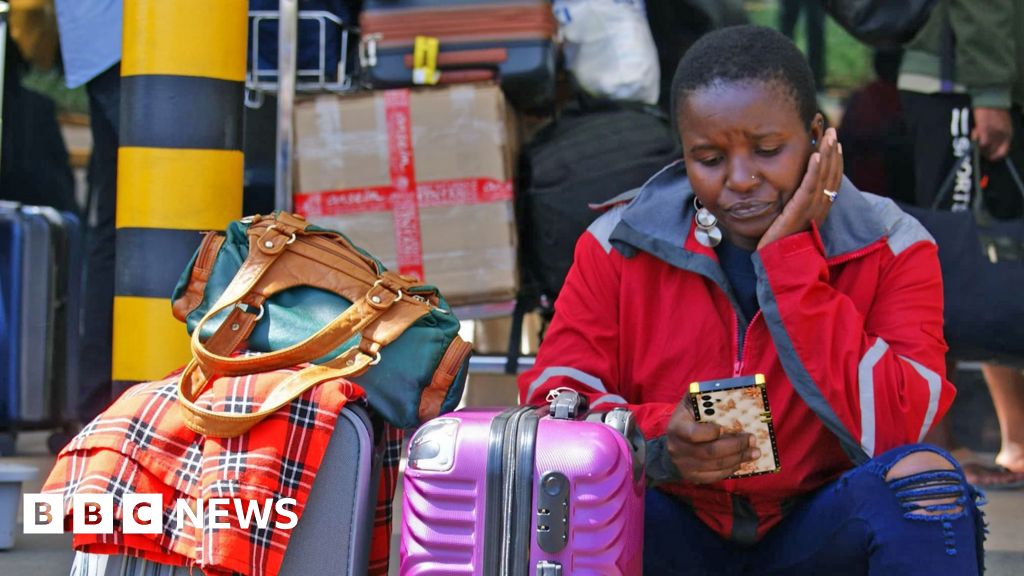
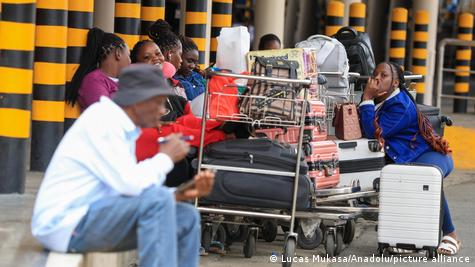
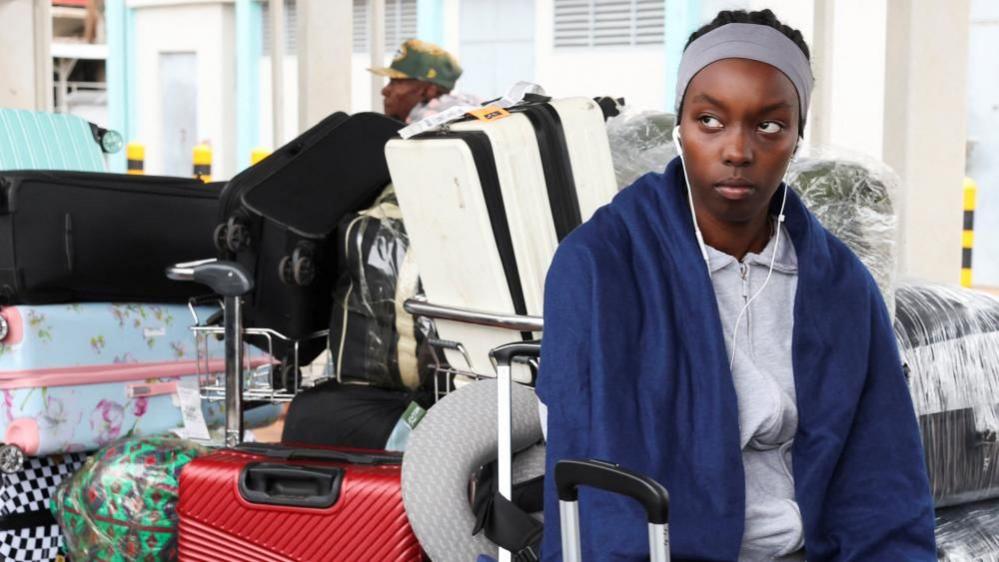
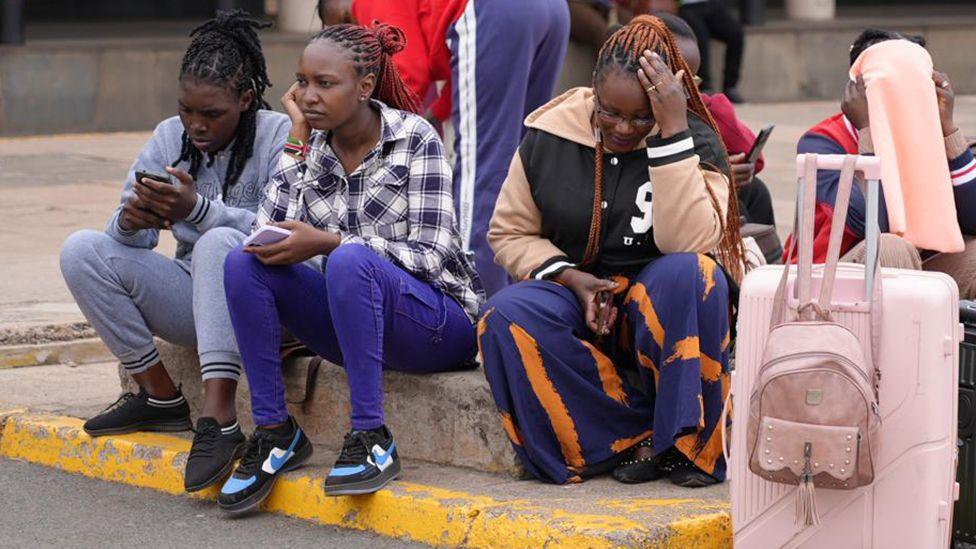
National carrier Kenya Airways reported departure delays exceeding six hours, while several international and regional airlines—including RwandAir, Safarilink, and Jambojet—were forced to cancel or reschedule multiple flights, leaving passengers sleeping on terminal floors and inside airport buses.
With emergency talks between union leaders and government officials stalling, uncertainty looms over when normal flight schedules will be restored across the region.
What is causing the airport strike at JKIA in Nairobi today?
The ongoing walkout by the Kenya Aviation Workers Union is not a sudden eruption, but the escalation of a long-simmering labor dispute that has repeatedly threatened Kenya’s aviation sector throughout 2026.
The strike involves workers across three primary aviation entities: the Kenya Airports Authority (KAA), the Kenya Civil Aviation Authority (KCAA), and budget carrier Jambojet.
According to KAWU Secretary-General Moses (Moss) Ndiema, the union chose to reactivate its strike action after a government-brokered “back-to-work” agreement signed on July 27, 2026, failed to yield tangible results within a mandatory 30-day negotiation window.
“We did sign a back-to-work formula in July, but unfortunately, KAA and KCAA failed to meet our demands,” KAWU Secretary-General Moses Ndiema stated during a press briefing.“They have never committed to the negotiations and have failed to show effort in resolving our grievances. Apart from KAA, the other entities refused to address our issues, which forced us to issue another strike notice.”
Four core grievances lie at the center of the industrial action:
- Unpaid Salary Increments Dating Back to 2015:Employees at the Kenya Civil Aviation Authority argue they have gone without structured salary increments for more than a decade, demanding the immediate implementation of backdated salary awards.
- Stalled Collective Bargaining Agreements (CBAs):Repeated negotiation rounds have failed to produce signed, legally binding CBAs regarding improved workplace benefits, medical cover, and overtime compensation.
- Controversial Deployment of Volunteer Personnel:KAWU has strongly protested KAA’s deployment of National Youth Service (NYS) personnel and temporary volunteers at JKIA, accusing management of using unvetted labor to undermine regular aviation employees and compromise security standards.
- Anti-Union Management Allegations: Union leadership has accused top managers at KAA and Jambojet of actively suppressing union organizing and ignoring statutory labor dispute mechanisms.
When are flights resuming at Jomo Kenyatta International Airport?
As of Monday afternoon, August 31, 2026, there is no official timetable for the full resumption of normal flight operations at JKIA.
A preliminary round of crisis talks held on Sunday, August 30, between union executives, the Ministry of Labour, and Transport Cabinet Secretary representatives ended without a breakthrough. A second session of high-level negotiations convened on Monday at 11:00 AM EAT, but union officials confirmed that the strike remains active until a formal, signed agreement is established.
While airport management has deployed emergency contingency staff to keep essential air traffic control and security operations moving, severe backlogs mean that even if a deal is struck immediately, flight delays and schedule adjustments are expected to linger for at least 24 to 48 hours.
In official customer advisories, both the Kenya Airports Authority and Kenya Airways warned passengers not to travel to JKIA or Moi International Airport unless they have received direct, digital re-confirmation of their updated departure times from their respective airlines.
“Our teams are working round the clock to manage the situation, rescheduling flights proactively to minimise the impact of the disruption as the situation evolves,” Kenya Airways stated in a customer update.“Due to air traffic control challenges and resultant flight backlogs, departures are running with delays exceeding six hours.”
Which airlines and flights are affected by the Kenya airport strike?
Because JKIA serves as the primary aviation crossroad for East and Central Africa, the industrial action has disrupted dozens of international, continental, and domestic air routes.
The strike has affected both passenger traffic and regional air cargo operations, with major airlines issuing formal travel advisories and cancellation notices:
| Airline | Operational Status & Delay Level | Key Affected Routes & Measures |
| Kenya Airways (KQ) | Severe Delays (6+ Hours) & Rescheduling | Departures out of JKIA heavily backlogged; passengers allowed free rebooking. |
| RwandAir | Multiple Flight Cancellations | Cancelled flights WB452/WB453 and WB402/WB403 between Kigali and Nairobi. |
| Jambojet | Domestic Route Suspensions | Severe disruptions on domestic flights linking Nairobi to Mombasa, Kisumu, and Eldoret. |
| Safarilink & Skyward Express | Regional Schedule Disruption | Disrupted afternoon and evening coastal and cross-border flights (e.g., Kisumu to Entebbe). |
| International Carriers (Qatar, Saudia, IndiGo) | Connecting Delays & Diverted Schedules | Long layover delays for inbound international passengers connecting through Nairobi. |
The human toll of the disruption is visible across terminal halls. Travelers described spending over 12 to 18 hours in airport waiting areas with minimal communication regarding revised departure times.
Rabbi Mendel Goldman, an international passenger traveling through Nairobi to attend a family wedding in Florida, recounted his experience waiting at JKIA:
“When I got here, the flight was delayed till 1:00 a.m. Then there was another delay till 4:30 a.m. At about 3:00 a.m., they told me the flight had been cancelled,” Goldman told news reporters.“The earliest flight they can get us is tomorrow night. I’ve been sitting here in the airport for over 12 hours waiting.”
Similarly, a group of Daystar University students traveling to South Korea were left stranded inside a transport bus on the tarmac for hours after their incoming aircraft from Dubai was delayed indefinitely.
“Our plane has not even arrived from Dubai. We came here very early in the morning and we are just seated here in our bus under the hot sun with no updates,” one student recounted.
Ambassador Tom Amolo, a diplomat caught up in the airport gridlock, took to social media to express frustration over the customer care breakdown:
“We’ve been stuck at JKIA Nairobi for over nine hours. No word. No contact. No explanation. Nothing. Some passengers have special needs. This is horrible.”
What are the rights of stranded passengers and how can you reschedule?
Under international aviation guidelines and consumer protection standards enforced by the Kenya Civil Aviation Authority, passengers affected by industrial action retain specific rights regarding ticket changes and compensation.
Airlines operating out of JKIA have announced emergency waivers to assist stranded travelers:
- Waiver of Penalty Fees: Kenya Airways, RwandAir, and regional carriers have confirmed that all rebooking, change, or rescheduling fees are 100% waived for passengers whose flights were delayed or cancelled due to the strike.
- Self-Service Rebooking: Passengers are urged to modify their itineraries using official airline mobile applications or online customer service portals rather than queuing at physical airport ticket counters, which remain short-staffed.
- Accommodation & Care Obligations:Passengers holding confirmed connecting tickets who experience overnight delays are entitled to meal vouchers and hotel accommodation vouchers provided directly by their operating airline.
- Flight Verification Mandate:The Kenya Airports Authority has issued an urgent directive advising all intending travelers to verify that their flight is marked “Confirmed / On Schedule” on their airline’s live tracker before boarding airport taxis or leaving their residences.
What is at stake for Kenya aviation sector if the strike continues?
The timing of the aviation strike poses severe economic risks for Kenya’s regional standing and broader economy.
Jomo Kenyatta International Airport is the primary transit hub for East Africa, handling over 9 million passengers annually alongside billions of shillings in perishable horticultural exports, fresh flowers, and air freight.
A prolonged shutdown at JKIA damages Kenya’s tourism sector during the peak travel season, disrupts regional trade corridors connecting Uganda, Rwanda, South Sudan, and the Democratic Republic of Congo, and causes financial losses running into millions of dollars per hour.
Furthermore, business leaders warn that repeated industrial action threatens Nairobi’s status as a regional corporate headquarters, prompting international travelers to seek alternative transit hubs such as Kigali’s Bugesera International Airport or Addis Ababa’s Bole International Airport.
As crisis talks continue in Nairobi, aviation authorities, airline operators, and millions of passengers across East Africa are watching closely, hoping that a negotiated settlement between KAWU and government representatives will bring a swift end to the chaos and reopen the skies.
Plaintext