

Table of Contents
NEW YORK / KAMPALA — Ugandan music legacy has received a massive global endorsement on one of the world’s premier cultural stages. In a brand new profile interview with Rolling Stone magazine, New York City Mayor Zohran Mamdani opened up about his personal music rotation, singling out legendary East African duo Radio & Weasel for their historic dominance of the African music charts.
During the interview, where the mayor discussed the eclectic sounds that keep him grounded amidst high-stakes city politics, Mamdani gave an emotional nod to the iconic Goodlyfe Crew duo and acknowledged the tragic loss of the late vocal powerhouse, Mowzey Radio.
“Right now, I’ve been listening to a lot of Radio & Weasel, who are a music duo from Uganda who have ruled the charts for a very long time,” Mamdani revealed to Rolling Stone. Sadly, one of them passed away.”
Why did NYC Mayor Zohran Mamdani praise Radio & Weasel in Rolling Stone?
NYC Mayor Zohran Mamdani highlighted Radio & Weasel while giving Rolling Stone readers an insider look into his personal playlist, which ranges from Pakistani hip-hop to American country. While many politicians stick to standard localized pop tracks for public interviews, Mamdani’s inclusion of the Ugandan hitmakers reflects his genuine, long-standing appreciation for Kampala’s vibrant music scene.

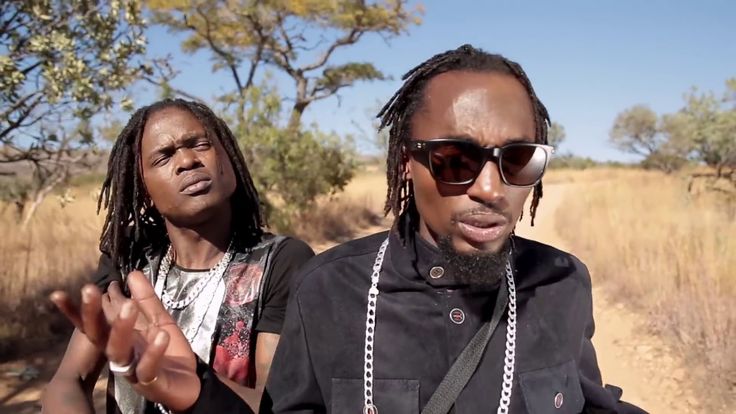

Mamdani pointed out that the duo’s catalog represents an era of unmatched chart dominance across East Africa. By bringing up Radio & Weasel on a massive international platform, he introduced the duo’s timeless discography to a new global audience while paying homage to the lasting impact of Mowzey Radio’s artistic genius six years after his passing.
How did Weasel and Ugandan music fans react to Zohran Mamdani’s shoutout?
The reaction from Kampala to the global diaspora was instantaneous, as surviving duo member Douglas Mayanja (Weasel Manizo) and thousands of Ugandan music enthusiasts flooded social media platforms like X (formerly Twitter) to celebrate the moment.
Weasel re-shared snippets of the Rolling Stone interview across his official social media pages, expressing deep gratitude and pride that the Goodlyfe legacy continues to resonate inside the halls of international leadership. Ugandan music fans quickly turned the quote into a trending topic on X, celebrating the fact that despite the passage of time, the golden era of Ugandan urban music continues to command respect from world leaders and cultural curators in the United States.
What is Zohran Mamdani’s personal connection to Uganda?
Zohran Mamdani’s deep appreciation for Ugandan music is rooted in his personal upbringing and creative career before he entered mainstream American politics. He is the son of celebrated Indian-born Ugandan academic Prof. Mahmood Mamdani and acclaimed film director Mira Nair, and he spent significant parts of his youth living in Kampala.
Before embarking on his political journey in New York, Mamdani was actively involved in the music industry under the rap moniker “Young Cardamom.” In 2016, he served as a music supervisor and soundtrack curator for Disney’s biographical drama Queen of Katwe, which was filmed on location in Uganda. During that project, Mamdani personally selected several local classics for the film’s official soundtrack, including tracks by Jose Chameleone, A Pass, and Radio & Weasel’s hit song “Juicy”, establishing a direct professional connection to the duo’s catalog.
Why does the legacy of Radio & Weasel remain unmatched in East Africa?
The Goodlyfe Crew duo, composed of the late Moses Nakintije Ssekibogo (Mowzey Radio) and Douglas Mayanja (Weasel), established one of the most commercially successful and critically acclaimed runs in African pop music history.
Formed in 2008 after breaking away from Leone Island, Radio & Weasel redefined the sound of East African dancehall and Afro-R&B with an endless string of hits, including “Nakudata”, “Lwaki Ondiga”, “Zuena”, “Bread and Butter”, and “Ability”. Their seamless blend of Mowzey Radio’s silky, high-tenor vocal melodies and Weasel’s gritty, dancehall-infused ragga verses earned them a historic nomination for Best International Act (Africa) at the 2013 BET Awards.
Following Mowzey Radio’s untimely death in February 2018, the group’s extensive catalog has maintained a permanent place on national radio charts and streaming platforms. Zohran Mamdani’s latest tribute in Rolling Stone serves as yet another reminder that the music created in Kampala studios over a decade ago continues to echo far beyond East Africa’s borders.
Who are Radio and Weasel, and how did their musical journey begin?
Radio and Weasel were an iconic Ugandan Afro-beat, dancehall, and R&B music duo composed of the late Moses Nakintije Ssekibogo (known professionally as Mowzey Radio) and Douglas Mayanja (known as Weasel Manizo). Their joint musical journey officially began inside Jose Chameleone’s Leone Island Empire in the mid-2000s, where Mowzey Radio performed as a backup singer for Chameleone while Weasel was already established as Chameleone’s younger brother and hype man.
In late 2007, eager to break out from Chameleone’s shadow, the duo broke away from Leone Island to form their own independent group and record label, the Goodlyfe Crew.
They exploded onto the East African mainstream in early 2008 with their massive breakout single, “Nakudata” (featuring Omulangira Ssuuna), which instantly dominated radio charts, nightclubs, and television countdowns across Kampala. “Nakudata” introduced a revolutionary vocal formula to Ugandan music—pairing Mowzey Radio’s silky, high-tenor, gospel-trained R&B vocals with Weasel’s gritty, fast-paced ragga and dancehall delivery.
Following up with immediate chart-toppers like “Lwaki Onumya”, “Zuena”, and “Nyambura”, the duo proved that their initial success was no fluke, quickly establishing themselves as the new leaders of urban pop music in Uganda.
What are Radio and Weasel’s most successful songs and achievements?
Radio and Weasel’s most successful songs defined a decade of East African pop culture, yielding over 200 recorded tracks, 11 studio albums, and dozens of prestigious regional and international awards.
Between 2008 and 2017, the duo released a non-stop stream of hits, including “Bread and Butter”, “Ability” (featuring Rabadaba), “Potential”, “Magnetic”, “Neera”, “Juicy”, and “Gutamiiza” (with B2C Entertainment). Mowzey Radio’s songwriting talent—composing over 200 songs in a ten-year span—coupled with their energetic stage performances, made them a dominant commercial force.
Their historic run reached its global peak in 2013 when Radio & Weasel earned a nomination for Best International Act (Africa) at the BET Awards in the United States, becoming the first Ugandan musical act to achieve that recognition.
They dominated the HiPipo Music Awards and PAM Awards year after year, sweeping categories like Song of the Year, Best Duo/Group, and Album of the Year. Beyond East Africa, their crossover appeal led to high-profile international collaborations, including work with Nigerian superstar Wizkid (“Don’t Cry” and “Beyonce”) and South African legend PJ Powers (“Home to Africa”), solidifying their place in African music history.
How did Mowzey Radio die, and what happened to Weasel Manizo’s career afterward?
Mowzey Radio passed away on February 1, 2018, at Case Hospital in Kampala at the age of 33, after suffering severe head injuries and a brain blood clot resulting from a bar fight in Entebbe ten days earlier. His tragic and sudden death sent shockwaves across East Africa, leading to days of national mourning, candlelight vigils, and emotional tributes from fans, political leaders, and international musicians. Radio was laid to rest at his family home in Kagga, Nakawuka, leaving behind a lasting musical legacy and a deeply grieving singing partner.
Following Mowzey Radio’s death, Weasel Manizo faced immense grief, emotional trauma, and the difficult task of continuing as a solo artist without his longtime creative partner. While Weasel released unreleased duo tracks from their vault and pursued solo projects and collaborations like “Biri Biri”, he struggled to reach the same commercial heights without Radio’s soaring melodies and songwriting.
Over the years, public concern regarding Weasel’s emotional struggles and social media battles highlighted the irreplaceable void left by Radio’s passing. Though Weasel continues to perform the Goodlyfe catalog to keep the memory alive, Mowzey Radio’s death marked the end of one of the greatest eras in East African music.