
Table of Contents
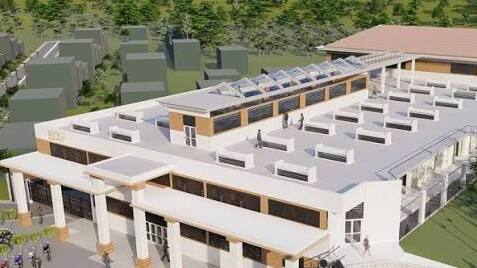
The government has officially commenced physical preparations for the long-awaited Mpigi Central Market construction project. Executed under the multimillion-dollar Greater Kampala Metropolitan Area Urban Development Programme (GKMA-UDP), the new Shs13 billion architectural complex is engineered to systematically eliminate congestion and completely transform daily operations for up to 4,000 local vendors and regional farmers.
To ensure that the multi-billion infrastructure upgrade proceeds without logistical delays, municipal authorities have completed a mass relocation of active traders from the old town center to a fully prepared temporary site. This milestone forms a core segment of the state’s broader tactical master plan to upgrade public utility hubs, expand formal workspaces, and streamline urban trade across districts bordering the capital city.
When did the Mpigi Central Market construction project start?
The multi-agency mobilization phase for the Mpigi Central Market construction project officially took off on Friday, July 3, 2026, following the finalization of the baseline vendor relocation protocols and site boundaries. The project initially kicked off its administrative cycle earlier in the year when the Ministry of Kampala Capital City and Metropolitan Affairs signed off on the formal structural blueprints.
The physical works are being implemented under the strict supervision of UB Consulting Engineers alongside the Mpigi District Local Government technical team. According to regional development records, the transformation of this prominent produce hub has been a high-priority community objective, heavily driven by multi-year planning initiatives originally structured by senior presidential advisors and local lawmakers to connect peripheral farmers directly to competitive city supply networks.
Who is Hebron Investments Limited?
Hebron Investments Limited is the specialized Ugandan engineering and construction firm that won the competitive national tender to execute the Shs13 billion Mpigi Central Market construction contract. The firm is recognized within the regional infrastructure sector for managing large-scale civil works, structural urban developments, and public utility layouts.
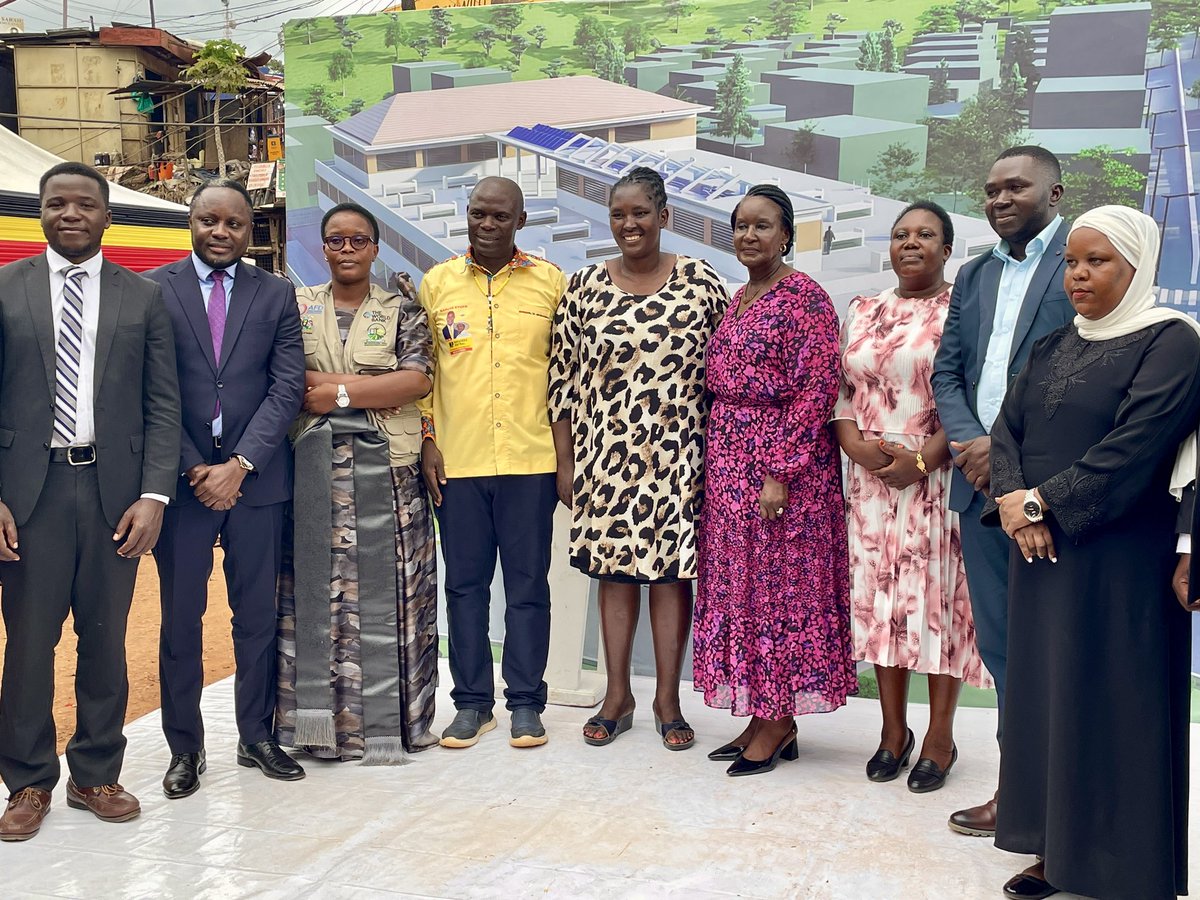
Under the strict operational guidelines issued by Monica Ejua Edemachu, the Undersecretary in the Ministry of Kampala Capital City and Metropolitan Affairs, Hebron Investments Limited is bound by standard quality-linked delivery metrics. The firm is required to prioritize local labor sourcing from within the Mpigi community to encourage immediate skills transfer and boost household incomes, while working rapidly to hand over a top-tier, durable facility within the set architectural timeline.
Where have Mpigi Town traders been relocated during the market construction?
To prevent local business interruptions, vendors have been systematically transitioned to a expansive temporary market site owned directly by the Ministry of Works and Transport. The relocation ground was thoroughly cleared and fitted with functional amenities by Hebron Investments Limited before the old marketplace was cordoned off for excavation.
Local traders have widely welcomed the logistical shift, noting that operating out of the old space had become incredibly difficult due to intense overcrowding. Stalls originally designed to accommodate a single trader were routinely being shared by three or four vendors, causing massive product spoilage due to zero breathing room. While operating from the temporary base away from the exact town center, vendors have strongly urged the engineering teams to stick to tight timelines so they can reoccupy their permanent slots without unnecessary commercial delays.
Why are local vendors demanding rapid sanitation and water upgrades?
The urgent push for a modernized marketplace stems from severe hygiene failures, delayed garbage collection, and a complete lack of piped water infrastructure at the old site, which heavily compromised the health of the business community. Vendors frequently reported that uncollected waste layers and poor drainage layouts created highly unhygienic conditions, causing significant product loss for perishable farm items.
To counter these persistent public health risks, the incoming Shs13 billion facility is structurally mapped to integrate comprehensive modern amenities, including:
- High-volume, continuous piped water distribution networks.
- Labeled, sanitary solid waste management blocks and rapid-drainage runoffs.
- Labeled parking bays, specialized cold-storage facilities for produce, and standalone daycare and salon sections.
What other infrastructure projects are running under the GKMA programme in Mpigi?
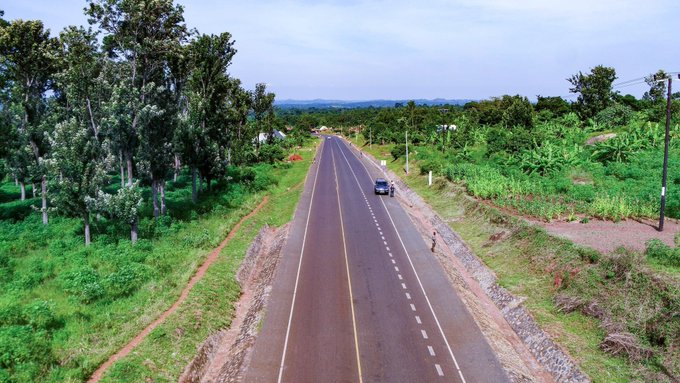
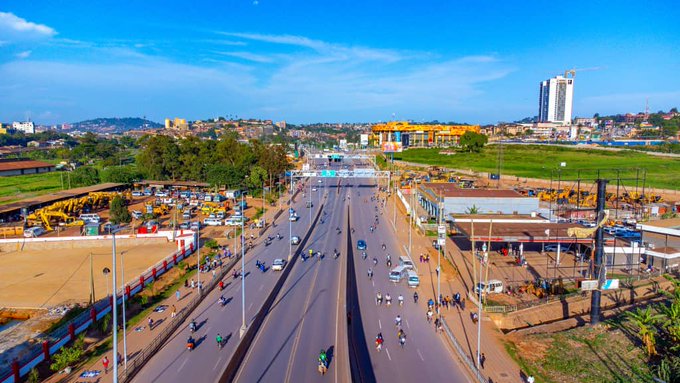
The multi-billion market project runs alongside a massive road construction layout intended to improve cross-district mobility and drastically lower the operational costs of doing business within the Greater Kampala zone. Chief among these concurrent interventions is the active upgrading of the 15-kilometre Mpigi–Muduuma road, a flagship project valued at over Shs30 billion where asphalt laying and grading works are currently underway.

To evaluate how these unified infrastructure investments are being distributed to maximize urban connectivity, review the project roadmap below:
| Flagship Initiative Dimension | Approved Financial Scope | Principal Execution Objective | Expected Socioeconomic Impact |
| Mpigi Central Market Construction | Shs13 Billion | Erect a multi-level daily workspace accommodating 4,000 active vendors. | Eliminates town center congestion, curbs fresh produce spoilage, and creates standardized vending stalls. |
| Mpigi–Muduuma Road Upgrade | Shs30+ Billion | Engineering and paving of a critical 15km transit route connecting local sub-counties. | Slashes agricultural transport times and links rural farming hubs to Kampala highways. |
| GKMA-UDP Integrated Systems | Part of Regional Funding | Extension of structured urban drainage lines and centralized piped water networks. | Mitigates seasonal flash flooding and guarantees stable utility access for commercial entities. |
The execution of these parallel projects is highly performance-driven. Under the World Bank’s Performance for Results (PforR) financing parameters, funding disbursements to the local government depend directly on passing annual infrastructure quality reviews, ensuring that taxpayers receive absolute value for every single shilling spent.