
Table of Contents
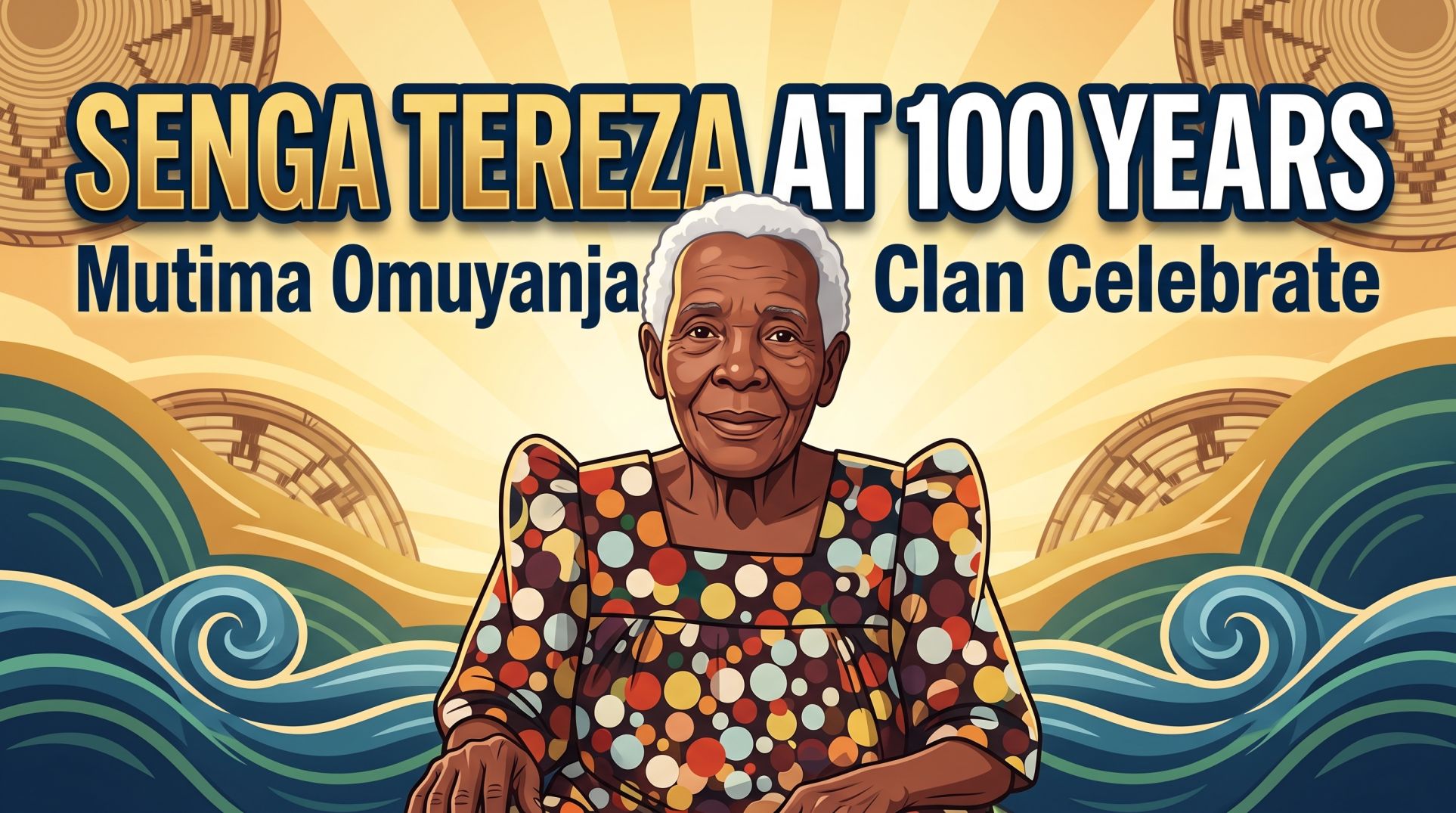
The Mutima Omuyanja clan (Akabilo Mawoowolo) convened a Senga Tereza landmark family reawakening centered on ancestral heritage, unity, and the celebration of a rare living milestone.
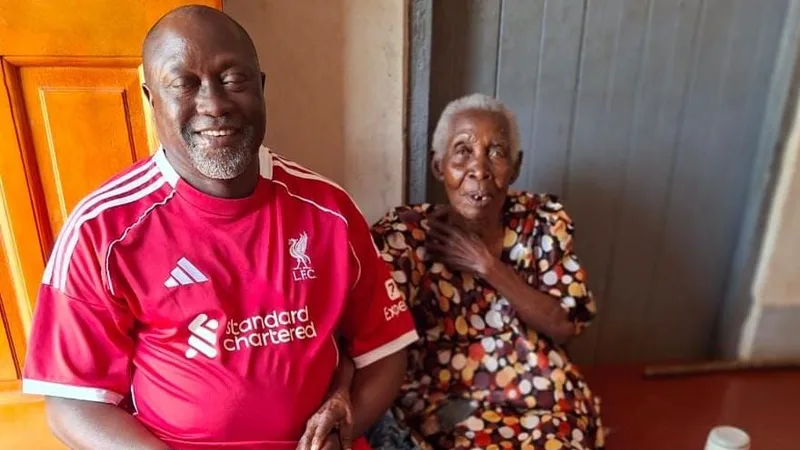
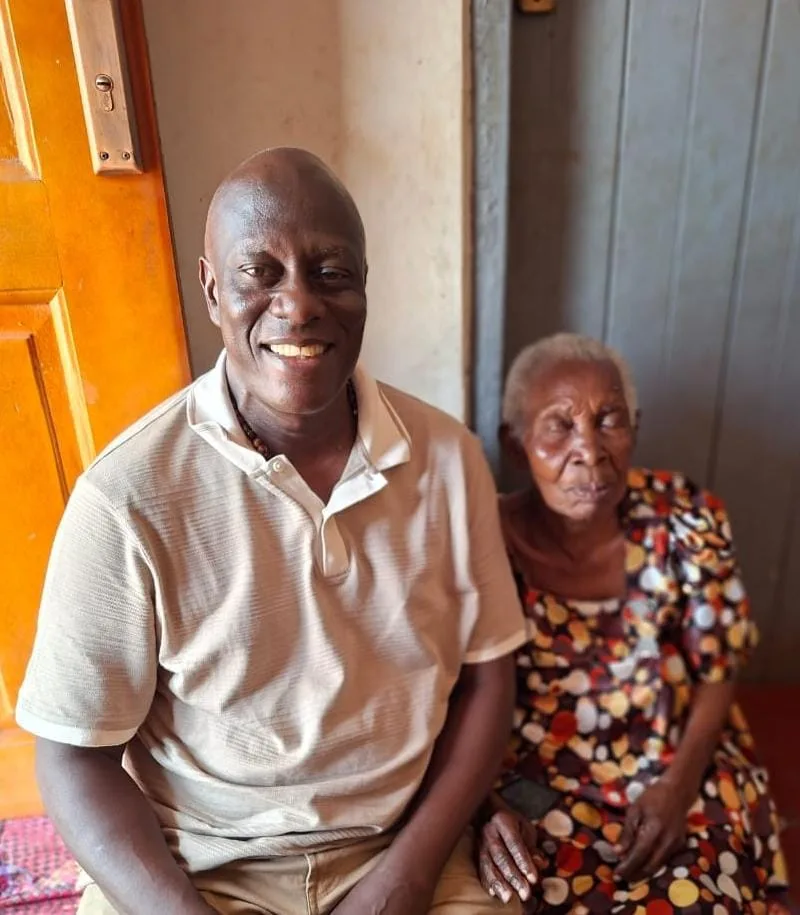
Led by as Immanuel Ben Misagga, alongside clan leadership—including High Priest Paapa Masagazi Cliff Richard Musangogwantamu Majwala, Chairman Kyasi Bwanika, and Secretary General Charles Luswata—the family commemorated the 100th birthday of Senga Tereza Mukomugabe Koreta.
The milestone marks a rare moment of generational continuity, bridging the 1st Generation living archive of the clan directly to the 5th Generation currently growing across Katooke, Kifuuta, Kyotera, Buddu, and Naziba, Sseguku on Entebbe Road.
Who is Senga Tereza Mukomugabe Koreta and why is her 100th birthday significant?
Born and raised in the rich soil of Katooke, Kifuuta, Kyotera, in Buddu, Senga Tereza Mukomugabe Koreta stands as the supreme matriarch and 1st Generation living archive of the Mutima Omuyanja clan.
Reaching 100 years of age on September 14, 2026, Senga Tereza defies biological aging: she maintains crystal-clear eyesight without reading spectacles and continues to write documented family notes with her own hand.
Within Buganda clan structures, an elder of Senga Tereza’s vintage serves as an irreplaceable repository of oral history, traditional medicine, lineage mapping, and customary law.
“Can you imagine? 100 years, and her sight is still clear. She does not use spectacles. She writes with her own hand!” reflects Joseph Mbazzi Muguluma. “That is not just age; that is a blessing from Katooke. That is the pure clay from which she was made, from Katooke, Kifuuta, Kyotera, Buddu — our home! She is not just a woman. She is our library. She is our archive. She is our 1st Generation.”
What is the history and lineage of the Mutima Omuyanja clan in Kifuuta Buddu?
The ancestral foundation of this branch of the Mutima Omuyanja clan is anchored deep within Katooke, Kifuuta, Kyotera District, in the historical province of Buddu.
Clan records preserved across generations trace the direct patrilineal lineage through foundational patriarchs who secured the family’s customary estates and cultural identity:
- Jjaajja Maaka Nkalitezala Mwavutakwana: The paramount ancestral patriarch of the lineage.
- Jjaajja Musangogwanta: Son of Maaka, who expanded clan holdings and leadership structures.
- Jjaajja Muguluma: Son of Musangogwanta, who officially secured and allocated the ancestral land in Kifuuta, Kyotera, Buddu, anchoring the family’s permanent heritage.
- Jjaajja Petero Kizza Wakulanume Musangogwanta: The celebrated 20th-century hero and administrator who expanded the clan’s influence from Buddu to Entebbe Road.
How did Gombolola Chief Jjaajja Petero Kizza Wakulanume settle in Naziba Sseguku in 1922?
A key turning point in the modern history of the family occurred in 1922, when Jjaajja Petero Kizza Wakulanume Musangogwanta relocated from Katooke, Kifuuta, Buddu, to establish a permanent estate at Naziba, Sseguku, along Entebbe Road.
As an outstanding public servant of the Buganda Government (Kingdom of Buganda), Jjaajja Petero Kizza served as a respected Gombolola Chief deployed to govern challenging island territories, including the Ssese Islands and Buvuma Islands.
Navigating the long journey from Buddu to Wakiso in 1922—an era when travel across Central Buganda meant traversing untamed wilderness populated by wildlife and traditional spiritual sanctuaries—he established Naziba as a strategic administrative and agricultural hub.
From the 1930s through the 1970s, Chief Petero Kizza transformed the Naziba Sseguku estate into a model agricultural enterprise:
- Commercial Crop Production: Pioneered large-scale farming of cotton and coffee along the Entebbe Road corridor.
- Horticultural Innovation: Built extensive pineapple (nanansi) plantations that supplied fresh produce to growing urban markets in Kampala and Entebbe.
- Work as Heritage: Established the foundational family ethos that manual labor, agricultural productivity, and land ownership constitute genuine human heritage.
What is the first commandment of the Mutima Omuyanja clan?
According to clan traditions handed down through Jjaajja Tekera Nanziri Digidda, the Mutima Omuyanja clan operates under a distinct cultural philosophy that celebrates life, hospitality, and strong kinship ties.
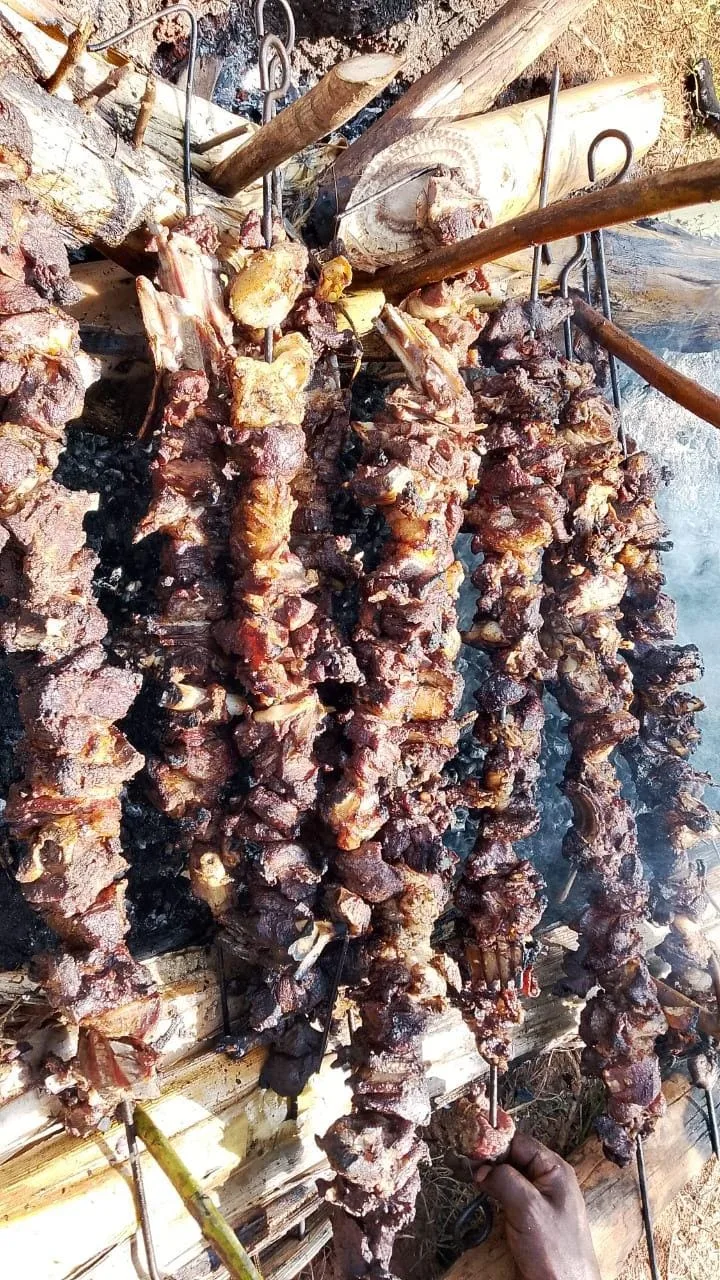
Informally remembered as the First Commandment of Mutima Omuyanja, the clan identity is summarized in three core principles: We eat meat, we enjoy liquor, and we love.
This traditional code emphasizes generous hospitality, community celebration, and unshakeable family solidarity over daily petty quarrels or social distance.
“What joins us is bigger than what separates us,” Muguluma emphasizes. “What separates us? Small quarrels, distance, pride, daily gossip. What joins us? Blood. The same clay from Katooke, Kifuuta. The same totem. The same soil of Buddu. The same God who saw us in the womb.”
What is the message of family unity for the 1st to 5th generations?
The reawakening meeting brought together five distinct generations of descendants, reinforcing the responsibility of younger generations to sustain the legacy built by Jjaajja Muguluma and Chief Petero Kizza Wakulanume.
With the 1st Generation anchored by Senga Tereza at 100 years, the 2nd Generation leading administrative affairs, and the 3rd, 4th, and 5th Generations growing rapidly, the Oracle of Kifuuta issued an actionable call to practical family responsibility:
- Mutual Support: Actively lifting any family member who stumbles financially or socially.
- Welfare and Nutrition: Ensuring no household within the clan network goes without food or shelter.
- Educational Sponsorship: Contributing collectively to ensure nephews, nieces, and young descendants access quality schooling.
By translating ancestral pride into practical daily support, the Mutima Omuyanja clan ensures that the name of Petero Kizza Wakulanume remains immortal while honoring the living century of Senga Tereza Mukomugabe Koreta.