
Table of Contents
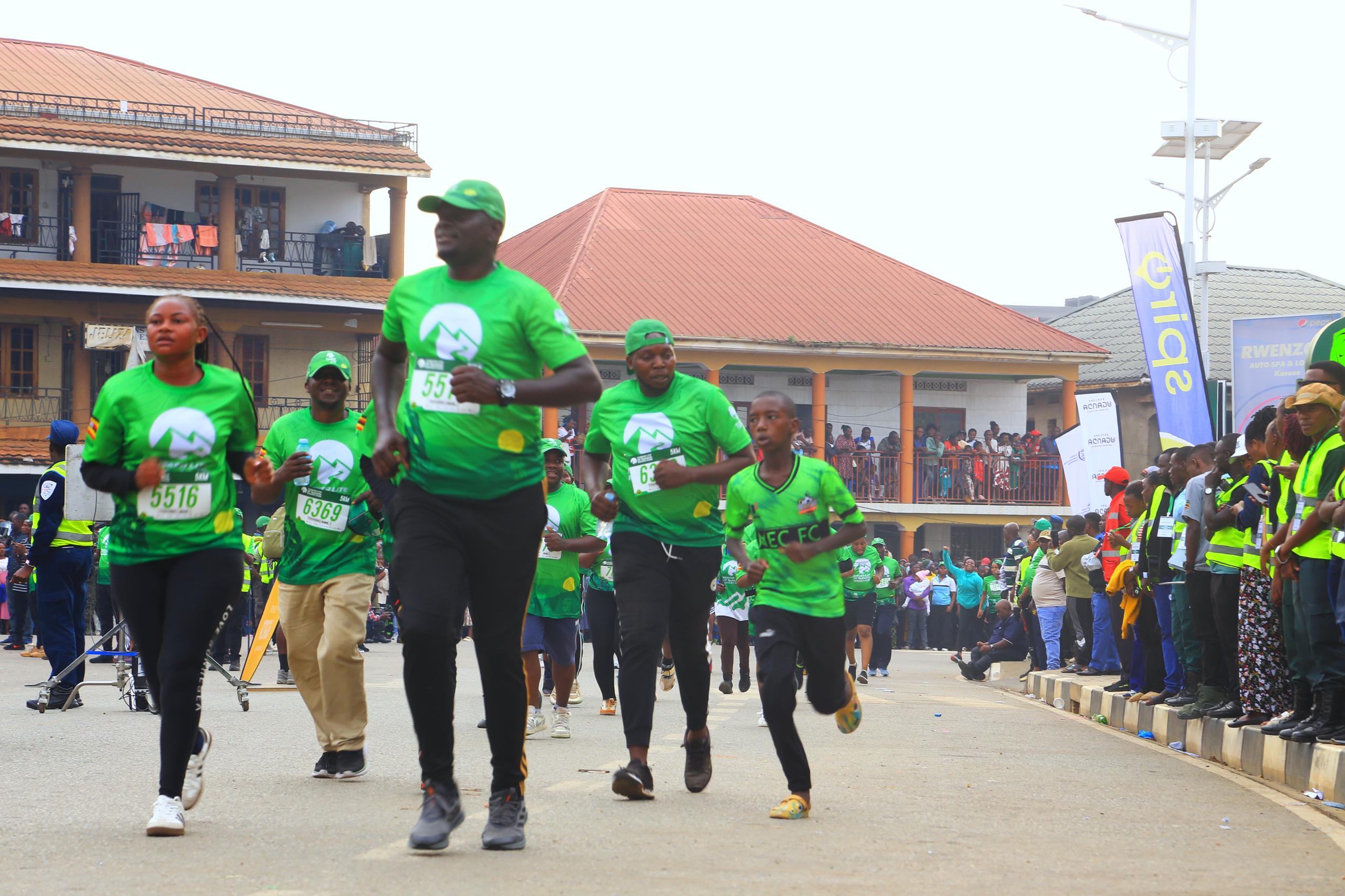
KASESE, UGANDA — When over 8,000 runners from 40 countries took to the streets of Kasese on Saturday, August 22, 2026, for the 5th edition of the Tusker Lite Mt. Rwenzori Marathon, the headlines naturally belonged to the athletes. Ugandan runner Leonard Chemonges shattered the 42-kilometer course record in 2:13:25, while 45-year-old Kenyan veteran Margaret Japchumba dominated the women’s division in 2:39:15. Both walked away with electric bikes.
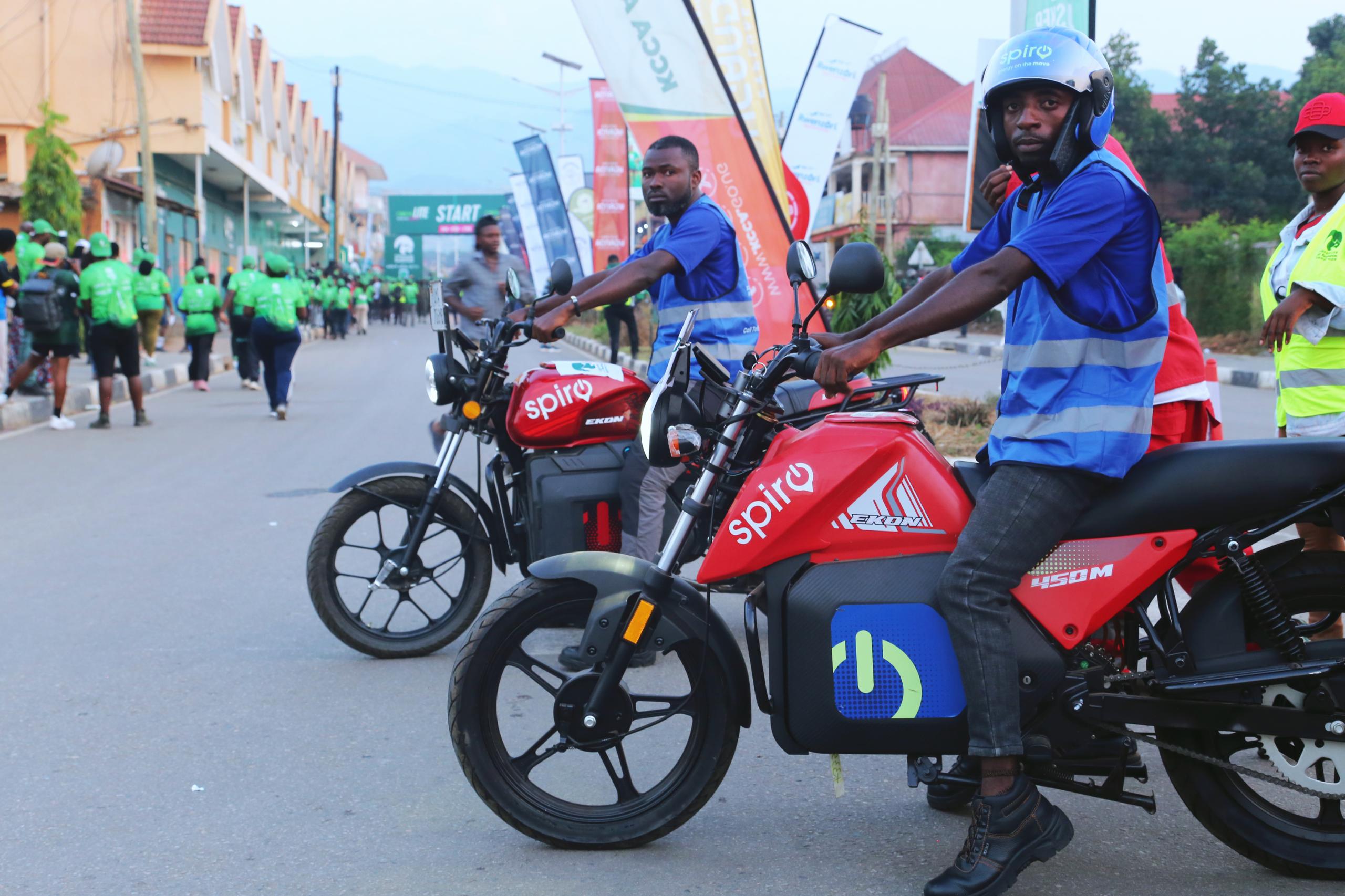
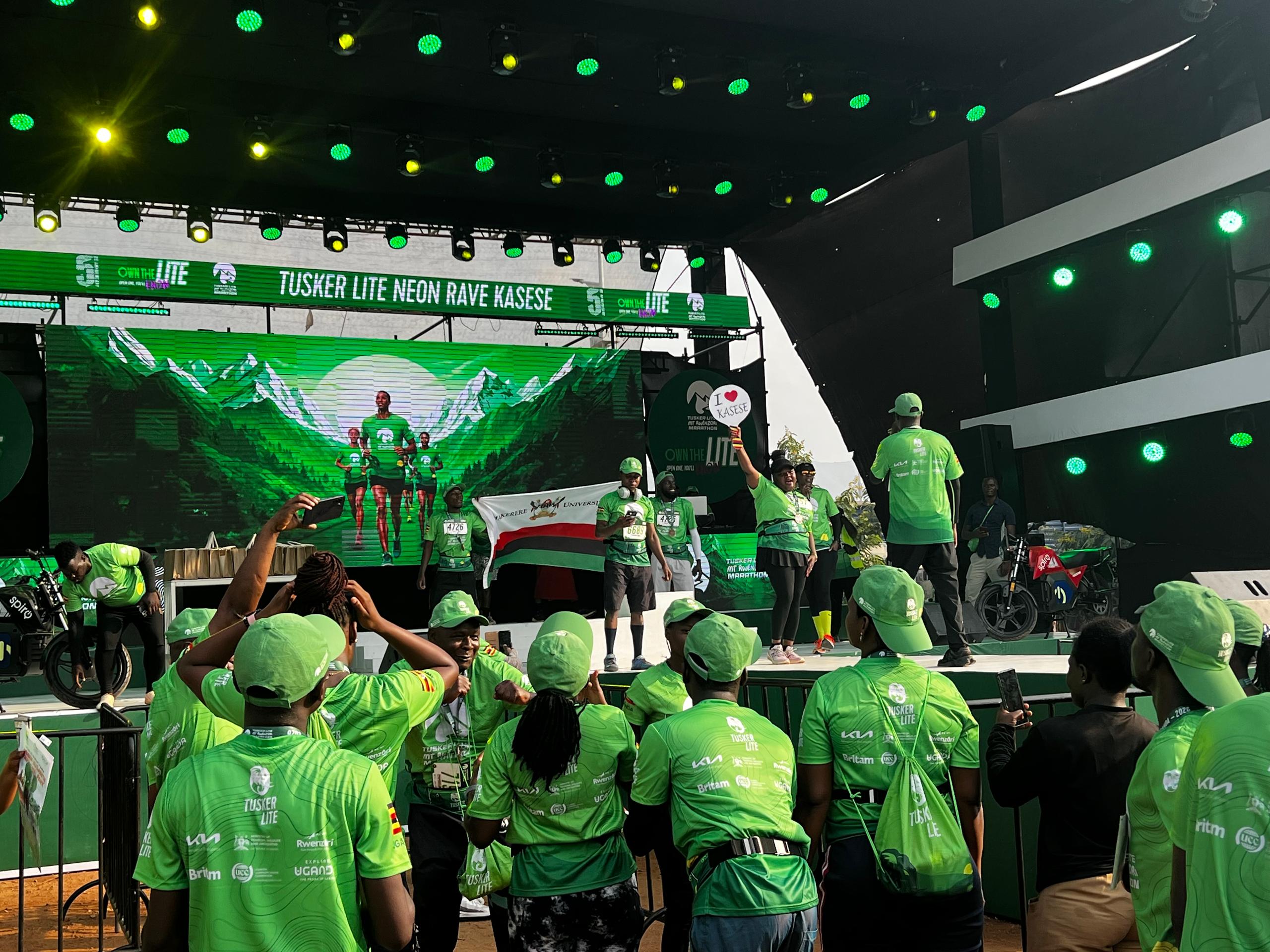

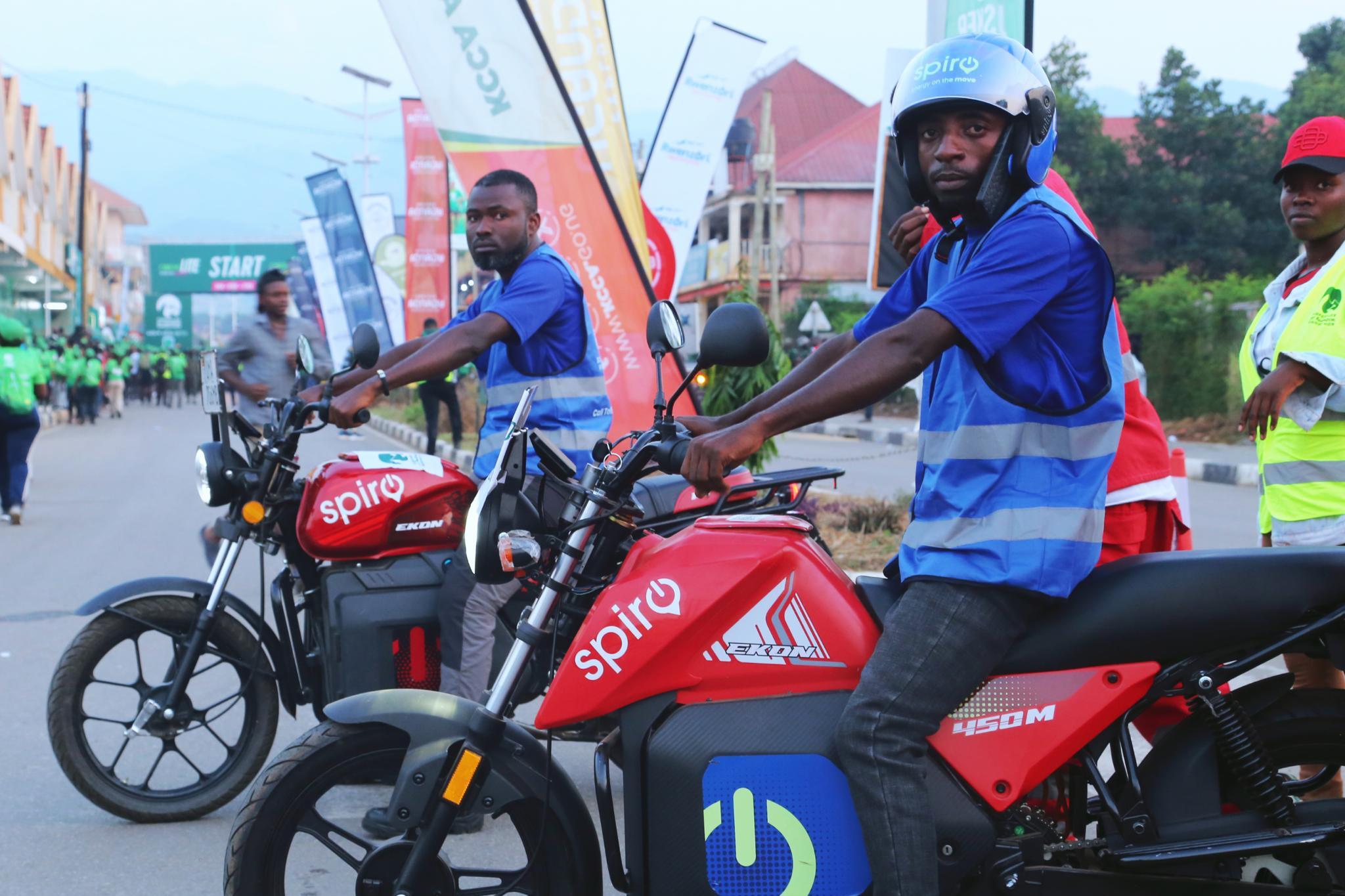
Yet beneath the immediate noise of athletic victories and record crowds, a quieter, more profound milestone was unfolding along the scenic route crossing the Equator. For the first time in the history of major sporting events in East Africa, electric mobility stepped into the spotlight as Spiro Uganda operated as the official Green Mobility Partner of the marathon.
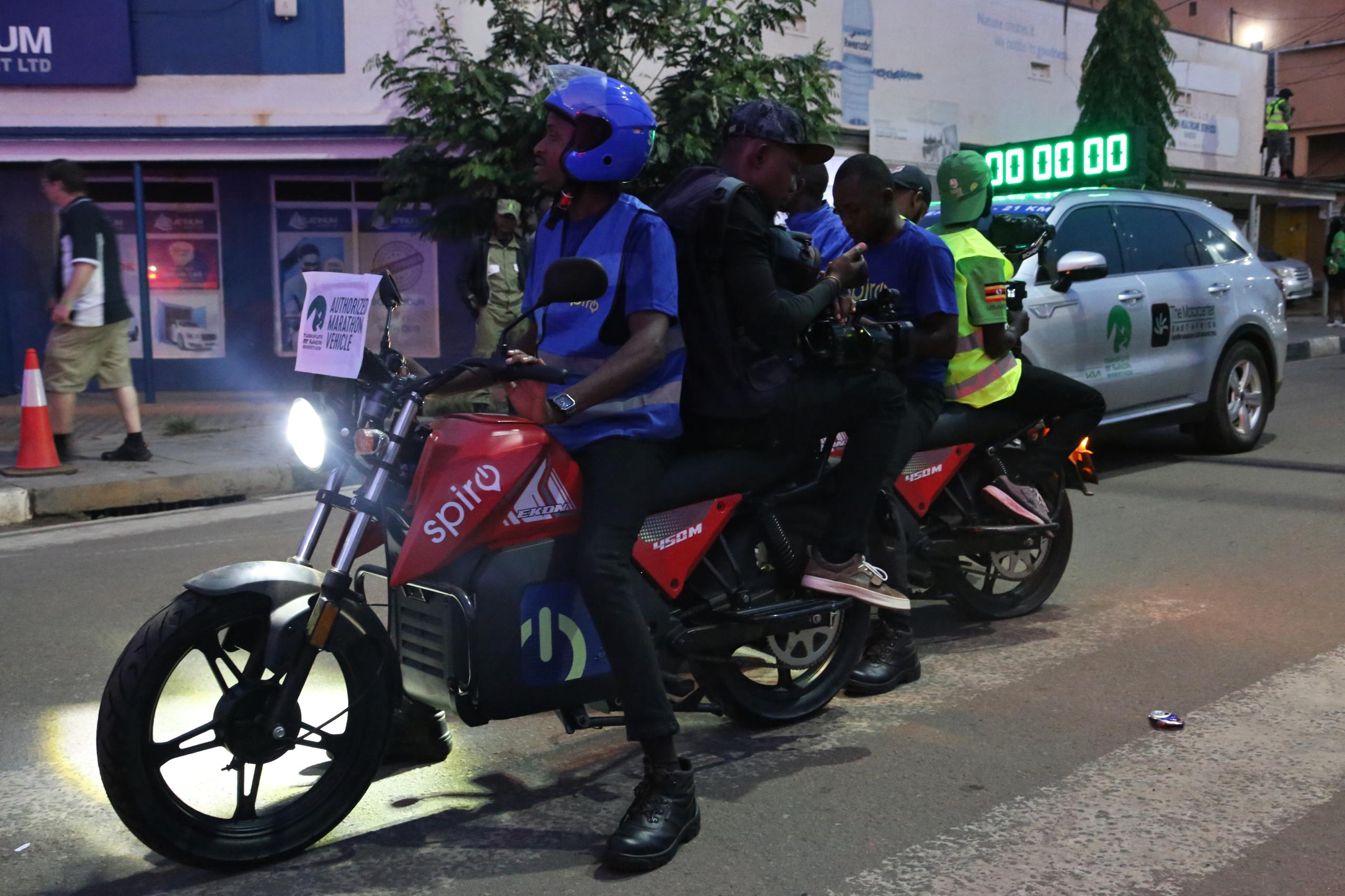
While traditional fossil-fuel giants were notably passive spectators, Spiro’s fleet of zero-emission electric motorcycles provided silent escort for medical crews, international camera teams, and race marshals—demonstrating that electric transport in Uganda is no longer a distant policy discussion, but a daily reality.
What was the 2026 Rwenzori Marathon and why was it historic?
The 2026 edition marked a historic breakthrough for Ugandan athletics. For the first time, the Tusker Lite Mt. Rwenzori Marathon was officially staged as a World Athletics Label Road Race, bringing international broadcast crews and elite global runners to Kasese District.
Featuring a certified 42.2-kilometer full marathon route that crosses the Equator through Queen Elizabeth National Park before ascending into the foothills of the Rwenzori Mountains, the event is widely recognized as one of the world’s most scenic road races.
However, hosting a world-class marathon across ecologically sensitive national parks presents severe environmental challenges. Transporting journalists, emergency medical teams, and race marshals along an athletic course traditionally requires scores of petrol-powered motorcycles, creating harmful carbon emissions, engine noise, and exhaust fumes directly in front of athletes competing at maximum physical output.
To solve this, marathon co-founder Amos Wekesa and the local organizing committee partnered with Spiro Uganda to replace fossil-fuel transport along the race course with clean, electric technology.
How did Spiro Uganda steal the spotlight in Kasese?
Spiro Uganda did not simply put logos on stadium banners; the company embedded its electric vehicles directly into the operational heart of the event. Prior to the marathon, Spiro organized a massive 200-rider Green Boda Boda procession through the streets of Kampala, signaling the shift from petrol to electric power.
Once in Kasese, Spiro deployed its high-performance electric motorcycles across the 42km, 21km, and 10km routes:
- Medical Emergency Response: Spiro electric bikes allowed medical officers to navigate dense crowds and escort runners silently, responding to exhausted or injured athletes without blowing hot exhaust fumes into the faces of trailing runners.
- Media and Live Broadcasting: Journalists and camera operators covering the World Athletics live broadcast rode pillion on Spiro bikes, benefiting from smooth acceleration and zero engine vibration while recording high-definition footage.
- Lead Escort Teams: Course marshals utilized Spiro motorcycles to guide lead runners through the Equator stretch, protecting athletes and wildlife inside Queen Elizabeth National Park from disruptive engine noise.
Speaking on the partnership, Bruce Mucunguzi, Deputy Country Head of Spiro Uganda, emphasized that athletic endurance and environmental health must go hand in hand:
“As an electric mobility solutions provider, we believe that a healthy population starts with a healthy environment,” Mucunguzi stated. “There is an urgent need to embrace clean transport, and Spiro took the message of clean mobility to the heart of Kasese to demonstrate the need to protect the region’s natural beauty from carbon emissions.”
Who won the brand-new Spiro electric motorcycles at the marathon?
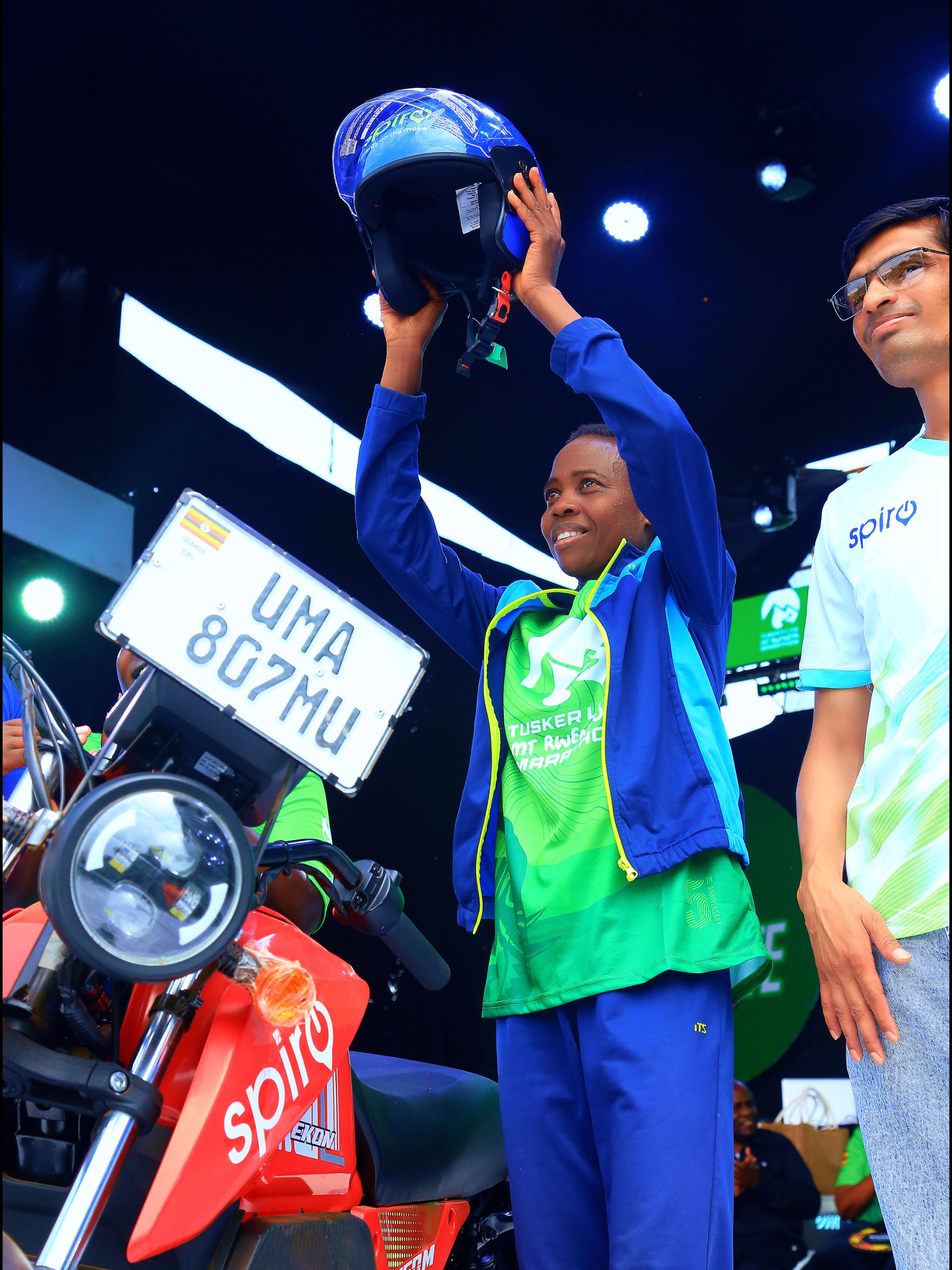
Beyond race operations, Spiro Uganda put its technology directly into the hands of Africa’s top distance runners by sponsoring the top rewards for the full 42.2km marathon winners.
Both the men’s and women’s 42km champions received a brand-new Spiro electric motorcycle alongside their official UGX 40 million cash prizes:
- Leonard Chemonges (Men’s 42km Champion): The 35-year-old Ugandan runner representing the Uganda Wildlife Authority Athletics Club shattered the course record with a time of 2:13:25. Chemonges walked away with UGX 40 million and a Spiro electric motorcycle.
- Margaret Japchumba (Women’s 42km Champion): The 45-year-old Kenyan veteran representing the Nedbank Running Club delivered a tactical masterpiece, taking gold in 2:39:15. Japchumba earned UGX 40 million and her own brand-new Spiro electric motorcycle.
| Race Category | Champion / Winner | Nationality / Club | Official Time | Prizes Awarded |
| Men’s 42km Full Marathon | Leonard Chemonges | Uganda (UWA AC) | 2:13:25 (Course Record) | UGX 40,000,000 + Spiro Electric Motorcycle |
| Women’s 42km Full Marathon | Margaret Japchumba | Kenya (Nedbank RC) | 2:39:15 | UGX 40,000,000 + Spiro Electric Motorcycle |
| Men’s 21km Half Marathon | Abel Chebet | Uganda (Police AC) | 1:02:00 | UGX 15,000,000 |
| Women’s 21km Half Marathon | Gloria Chebet | Uganda (Police AC) | 1:12:10 | UGX 15,000,000 |
Why was the absence of traditional fuel stations at Kasese so telling?
The Rwenzori Marathon exposed a sharp contrast in corporate philosophy between legacy energy companies and modern tech innovators.
For decades, traditional petrol stations and fossil-fuel distributors have dominated transport conversations in East Africa. Yet at an international event centered on lung capacity, cardiovascular health, clean air, and wilderness conservation, fossil-fuel brands were notably absent from driving clean transport initiatives.
Instead, an electric mobility company took the lead, showing that the transportation narrative in Uganda is shifting rapidly.
Reflecting on the event’s impact, business strategist and transport advocate Rapa Thomson Ricky noted that Spiro’s active involvement shifted public perception from theoretical EV discussions to real-world execution:
“Three days after the Rwenzori Marathon, one thing is still clear: electric mobility is no longer just a conversation about the future—it is already taking its place on Uganda’s roads,” Rapa observed. “While the marathon attracted businesses from across the country, we did not see traditional fuel stations participating in the same way. Spiro showed up when it mattered, proving that EVs are not coming—they have arrived.”
How is Spiro leading the electric mobility revolution across Uganda?
Spiro’s performance in Kasese is backed by massive infrastructure deployment across Uganda.
As Africa’s leading electric mobility provider, Spiro has already deployed over 30,000 electric motorcycles across Ugandan roads. To support this growing fleet, the company has established an extensive network of automated battery-swapping stations throughout Kampala, Mukono, Entebbe, and regional urban centers.
Unlike traditional electric vehicles that require hours of plug-in charging, Spiro’s swap technology allows commercial boda boda riders and private commuters to exchange a depleted battery for a fully charged unit in under 60 seconds—eliminating downtime and reducing daily operating costs by up to 30 percent compared to petrol motorcycles.
By demonstrating that electric motorcycles can seamlessly navigate the rugged terrain of Kasese, carry heavy broadcast gear, and power emergency medical teams during an international marathon, Spiro has proven that clean technology is durable enough for East Africa’s toughest environments.
The race in Kasese was won on foot by Chemonges and Japchumba. But outside the running course, the race to transform East African transportation has officially begun—and Spiro Uganda is leading from the front.