
Table of Contents
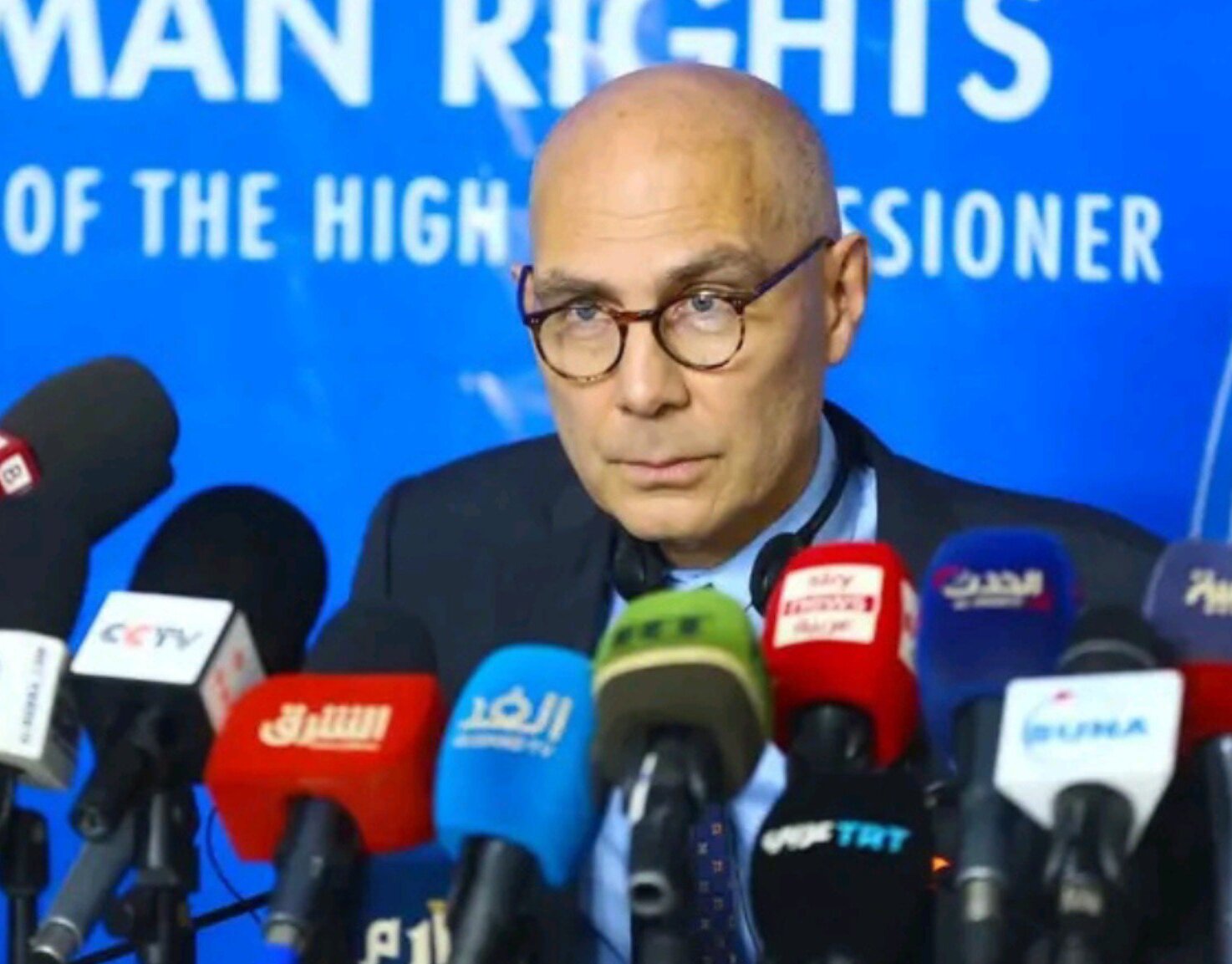
On Thursday, 30th July 2026, United Nations High Commissioner for Human Rights Volker Türk issued a formal statement in Geneva expressing serious concern regarding civic space, fundamental freedoms, and the rule of law in Uganda following the January 2026 general elections. The UN report drew an immediate and firm response from Ugandan diplomats, sparking a fresh debate over national sovereignty, international reporting, and state accountability.
What did the UN Human Rights Office say about the political situation in Uganda?
In his official statement released from Geneva, UN High Commissioner for Human Rights Volker Türk highlighted growing restrictions on civic activities, peaceful assembly, and public debate across the country.
According to documentation gathered by the UN Human Rights Office (OHCHR), at least 50 opposition figures, five human rights defenders, and five journalists have faced legal or administrative challenges since the beginning of the year. The UN report also pointed to the suspension of 10 civil society organizations and the enactment of the Protection of Sovereignty Act in May 2026, which regulates international funding and civil society engagements.
High Commissioner Türk called on the government to uphold its constitutional obligations, stating:
“I call on the Government to abide by its obligations under international human rights law, the African Charter and the Ugandan Constitution to ensure a vibrant civil society where everyone can freely express their views and participate in public affairs.”
In response, Ambassador Adonia Ayebare, Uganda’s Permanent Representative to the United Nations, publicly rejected the OHCHR findings on X (formerly Twitter), characterizing the statement as an inaccurate representation of the national situation. Ambassador Ayebare noted that the government would issue a comprehensive formal reply detailing its position while engaging with international partners to address what it described as misleading reporting.
What is the current health and legal status of Dr. Kizza Besigye?
The UN report coincided with critical developments in the ongoing treason trial of veteran opposition politician Dr. Kizza Besigye and his co-accused, Hajji Obeid Lutale.
Following the dismissal of their preliminary application to halt proceedings by High Court Justice Emmanuel Baguma earlier in July, the trial officially commenced before the High Court Criminal Division. However, on Wednesday, 29th July 2026, court proceedings were abruptly halted after Dr. Besigye collapsed inside the dock. Prison medical personnel and security guards attended to him before he was transported for urgent medical evaluation.
Dr. Besigye’s defense team and family members have consistently requested that the court grant him access to independent specialized medical care, citing his declining physical health after months of detention. The court has directed prison authorities to ensure the accused receives necessary medical attention while maintaining access to his legal team.
What happened to Hon. Muhammad Muwanga Kivumbi following his recent re-arrest?
In a related legal development, former Butambala County MP and National Unity Platform (NUP) Vice President for Buganda, Muhammad Muwanga Kivumbi, resurfaced after being held incommunicado for 19 days.
Kivumbi had initially secured bail from the International Crimes Division of the High Court on July 9, 2026, before being re-arrested shortly after leaving the court premises. On Wednesday morning, 29th July 2026, he was brought to Nateete Police Station before being transferred to the Grade One Magistrate’s Court in Butambala on July 30.
Appearing before Grade One Magistrate Amina Wahab, Kivumbi was formally charged with incitement to violence and managing an unlawful society in relation to alleged events in Gombe Ward, Butambala District. Defense attorney Medard Lubega Ssegona informed the court that Kivumbi required immediate medical care for injuries sustained during his period of uncommunicated custody.
Magistrate Wahab remanded Kivumbi to Kitalya Prison until August 11, 2026, to allow the prosecution time to verify documents submitted for his bail application.
How are independent media houses in Uganda navigating these news developments?
These political and legal proceedings come at a time when major media houses across Uganda are re-establishing their operational footprints following administrative pauses.
The recent resumption of operations by Nation Media Group (NMG) Uganda—which operates NTV Uganda, Spark TV, KFM, Dembe FM, and the Daily Monitor—has restored crucial broadcasting channels for public news distribution. However, media analysts note that major newsrooms continue to balance rigorous, factual reporting on ongoing court trials and human rights debates with strict adherence to national broadcasting guidelines and legal frameworks.
As legal proceedings for Dr. Kizza Besigye and Hon. Muwanga Kivumbi move forward in the coming weeks, both domestic audiences and international observers will be watching closely to see how the justice system and media outlets manage this complex period in Uganda’s political history.
Uganda: Court clears way for Besigye treason trial