
Table of Contents
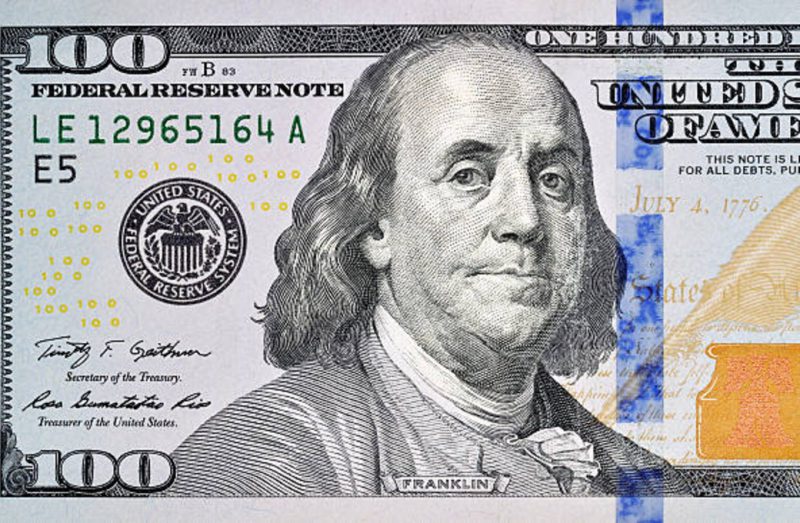
The United States Dollar (USD) has clocked 4,000 Ugandan Shillings on Monday, October 5, 2026, trading at an all-time high of 4,019.12 UGX.
Data compiled from international currency exchanges, Morningstar, and local commercial bank trading desks confirms that the local currency has entered its steepest depreciation curve in history. While central bank officials point to global monetary tightening and rising foreign debt obligations, the reality on the streets of Kampala, Jinja, Mbale, and Gulu reveals a far deeper crisis: a structural economic fracture characterized by rampant poverty, eroded purchasing power, and an elite class that operates almost entirely outside the domestic economy.
As commodity prices surge and basic survival becomes increasingly precarious for the general public, economic analysts and policy experts warn that Uganda’s fiscal trajectory—driven by decades of ballooning public debt, unbridled government expenditure, and systemic misallocation of public capital—has reached a tipping point.
Why has the US Dollar crossed the historic 4,000 Ugandan Shilling threshold?
The crossing of the 4,000 UGX mark per US Dollar is the cumulative result of severe structural imbalances in Uganda’s macroeconomic environment. The currency’s decline is driven by four primary forces:
1. Astronomical Foreign Debt Servicing Costs
The most aggressive driver of dollar demand in Uganda is the national treasury itself. To service foreign-denominated debt—owed to international lenders like the Exim Bank of China, the World Bank, and Eurobond markets—the Ministry of Finance and the Bank of Uganda (BoU) are forced to mop up massive volumes of US Dollars directly from the domestic interbank foreign exchange market.
When the government buys hundreds of millions of dollars to pay interest on loans, it aggressively bids up the price of the dollar against a domestic currency that lacks strong backing.
2. A Persistent Current Account Deficit
Uganda remains a net importer of high-value goods—including refined petroleum, heavy machinery, pharmaceuticals, specialized electronics, and synthetic textiles—while exporting low-value, unprocessed raw materials like raw coffee beans, unprocessed tea, and unrefined minerals.
This structural trade deficit creates a permanent dollar drain, where the country continuously bleeds foreign exchange to pay for imports while receiving minimal foreign exchange returns from exports.
3. Capital Flight and Paused Foreign Aid
Following legal and political disputes between Kampala and international financial institutions over human rights conditionalities, governance concerns, and fiscal transparency, foreign direct investment (FDI) inflows and concessional grant disbursements have slowed significantly.
Foreign portfolio investors holding Ugandan treasury bills and government bonds have increasingly liquidated their positions, converting local returns into US Dollars and expatriating capital to safer Western markets.
How is currency depreciation worsening the extreme wealth gap in Uganda?
While textbook economic theory suggests that currency devaluation should boost export competitiveness, the reality in Uganda is an widening wealth inequality gap. The 4,000 UGX exchange rate impacts the country’s population unevenly:
1. The Erosion of Real Wages for the 99%
For the vast majority of citizens—smallholder farmers, informal traders, school teachers, healthcare workers, and motorcycle (boda boda) transport operators—income is earned entirely in Ugandan Shillings. However, because Uganda imports its entire supply of refined fuel, agricultural fertilizers, pharmaceutical drugs, and industrial raw materials, imported inflation passes directly to the consumer.
When the dollar climbs to 4,019 UGX, fuel pump prices rise at urban service stations. Transport fares instantly adjust upward, wholesale food prices jump, and medical costs surge. The real purchasing power of a citizen earning UGX 300,000 per month collapses by 15% to 20% within weeks, forcing families into extreme poverty without any change in their nominal wages.
2. The Insulation of the 1% Elite
In stark contrast, Uganda’s ultra-wealthy elite—comprising politically connected figures, monopoly license holders, and senior government procurement executives—remain largely insulated from local currency crashes.
A significant portion of their wealth is held in foreign currency accounts, offshore bank havens, or prime international real estate. When the Ugandan Shilling depreciates, the net worth of those holding USD assets actually increases in local terms, granting them even greater purchasing power over distressed domestic land and assets.
Why the Common Myth “The Dollar Surge Only Affects the Rich” Is False
A widespread misconception among many Ugandans is that the rise of the US Dollar to 4,019 UGX only impacts wealthy citizens, foreign tourists, diplomats, and large import-export companies that conduct business directly in foreign currency.
This assumption fails to account for a fundamental macroeconomic reality known as Exchange Rate Pass-Through.
Because Uganda relies heavily on foreign imports for its essential production inputs, the price of almost every basic commodity consumed in a local household is linked directly to the dollar.
Even if a citizen in a rural village earns and spends strictly in Ugandan Shillings, every product that arrives on a shop shelf—from a sachet of salt and a bar of soap to a tin of paraffin and a bag of cement—traveled using imported fuel, was packaged using imported synthetic materials, or relied on imported machinery.
When the local currency loses value against the dollar, imported inflation spreads across the domestic economy, effectively reducing the purchasing power of every shilling in circulation.
How the Dollar Surge Impacts Key Economic Sectors and Everyday Citizens
1. Fuel, Electricity, and Public Transportation
Uganda imports 100% of its refined petroleum products (petrol, diesel, kerosene, and jet fuel), paid for exclusively in US Dollars.
- The Direct Impact: As the exchange rate crosses 4,000 UGX, oil marketing companies require significantly more shillings to purchase the same volume of fuel from international refineries.
- The Domestic Domino Effect: Fuel pump prices adjust upward. Consequently, public transport operators (boda bodas, commuter taxis, and long-distance buses) instantly increase passenger fares to protect their daily margins.
2. Agriculture and Food Production Costs
While local food crops like matooke, cassava, sweet potatoes, and maize grow on Ugandan soil, modern agricultural production relies heavily on imported foreign inputs.
- Impact on Smallholder Farmers: The cost of imported chemical fertilizers, herbicides, pesticides, hybrid seeds, and tractor spare parts surges.
- Impact on Urban Food Prices: Even if a farmer in Mbale or Mbarara produces food without using chemical fertilizers, bringing that produce to markets in Kampala, Wakiso, or Mukono requires diesel-powered commercial trucks. As transport costs rise, the price of a bunch of matooke or a sack of charcoal jumps in urban retail centers.
3. Healthcare and Essential Pharmaceuticals
Over 80% of human medicines, surgical consumables, and hospital diagnostic equipment used in Ugandan public and private health facilities are imported from manufacturing hubs in India, China, Europe, and the United States.
- Impact on Patients: Pharmacies, private clinics, and drug shops are forced to pass currency conversion costs directly onto sick patients. Basic antibiotic courses, malaria treatments, chronic disease management drugs (for hypertension and diabetes), and maternal healthcare supplies experience sharp price increases.
4. Education and School Fees
While schools operate locally, their operating budgets are vulnerable to dollar-driven cost increases.
- Impact on Parents: Primary, secondary, and tertiary institutions face higher operational expenses for food supplies (posho and beans), firewood, diesel generator fuel, electricity tariffs, and imported scholastic materials (printing paper, ink, and laboratory reagents). To balance their operational budgets, school management boards routinely issue school fee increases for subsequent academic terms.
5. Retail Trading and Kikuubo Wholesale Markets
Small and medium-sized enterprise (SME) owners trading in commercial hubs such as Kikuubo in Kampala, Downtown Jinja, or Central Mbale face severe margin compression.
- Impact on Traders: An importer bringing a container of hardware, clothing, electronics, or kitchenware from Guangzhou or Dubai needs millions more Ugandan Shillings to acquire the required foreign currency. Because local consumers possess fixed, stagnant incomes, traders cannot pass on the full price increase without losing sales volume, leading to widespread business closures, loan defaults, and arcade rent arrears.
6. Commercial Real Estate and Housing Rents
Commercial arcades and office complexes in major urban centers frequently quote rent in US Dollars or adjust shilling-denominated leases upward to match prevailing inflation rates.
- Impact on Tenants: Shop owners and residential tenants face higher monthly rent obligations while their sales revenues decline. Landlords who financed building construction through dollar-denominated commercial loans face elevated monthly debt repayments, forcing them to enforce strict eviction policies for defaulting tenants.
Detailed Sectoral Impact Matrix
| Economic Sector | Primary USD Dependency | Direct Effect of USD Breaking 4,000 UGX | Impact on the Average Citizen |
|---|---|---|---|
| Public Transport | Imported refined fuel, spare parts, tires. | Taxi and boda boda operators spend more shillings per liter of fuel. | Higher daily commuting costs; reduced disposable income for food and savings. |
| Agriculture | Imported fertilizers, pesticides, diesel for transport. | Cost of farm inputs surges; transport from rural farms to urban markets increases. | Urban food prices jump; rural farmers experience reduced profit margins per harvest. |
| Pharmaceuticals | 80%+ imported finished medicines and active ingredients. | Pharmacies pay higher shilling amounts for imported drug stocks. | Essential medical care, prescriptions, and hospital visits become unaffordable. |
| Construction | Imported structural steel, plumbing fittings, electrical cables. | Cost of building materials increases sharply across hardware shops. | Housing construction slows down; home ownership and rent affordability deteriorate. |
| Manufacturing | Imported industrial raw materials, packaging, heavy machinery. | Factory production costs jump; local manufacturers struggle to compete. | Higher retail prices for locally manufactured goods like soap, plastic, and cooking oil. |
Why doesn’t my salary increase when the US Dollar rises?
Salaries and wages in Uganda are negotiated in local currency (UGX) and are subject to contractual rigidity (wage stickiness). While the cost of living increases immediately when the dollar rises, employers face higher operational costs (expensive fuel, utilities, and raw materials), making them reluctant or unable to grant salary raises. This leads to a drop in real income for salaried workers.
Why do local food prices rise when matooke and beans are grown locally in Uganda?
Even though food is grown locally, getting that food from rural farms to urban dinner tables requires diesel transport, commercial packaging, and processing machinery powered by electricity—all of which are priced or structured around dollar inputs. Furthermore, farmers face higher prices for the goods they buy (salt, soap, clothing), forcing them to increase their farmgate prices to survive.
Can the Bank of Uganda fix the exchange rate by decreeing that $1 = 3,000 UGX?
No. Uganda operates a liberalized, market-determined floating exchange rate regime. If the central bank attempts to artificially fix the exchange rate below market value without adequate foreign currency reserves, a parallel black market instantly emerges. Importers would be unable to access dollars at the official rate, leading to severe shortages of fuel, medicine, and electricity.
Will the Ugandan Shilling ever return to below 3,500 UGX?
Without structural economic reforms—such as boosting high-value finished exports, reducing the national trade deficit, curbing non-essential government expenditure, and restructuring foreign debt—currency depreciation in developing economies tends to be permanent. Historical data shows that once the Ugandan Shilling crosses major psychological thresholds (such as 2,000 UGX, 3,000 UGX, and now 4,000 UGX), it rarely returns to previous levels.
How does the government’s foreign debt make the dollar higher for ordinary citizens?
When the government borrows billions of dollars from foreign lenders, it must repay those loans in US Dollars. To make these payments, the treasury buys massive amounts of dollars from the domestic market using taxpayer money. This sudden, large-scale demand for dollars reduces the supply of dollars available for commercial importers, driving up the price of the dollar for everyone else in the country.
Why do wealthy Ugandans skip local traders?
A central grievance among domestic producers, small-scale manufacturers, and agricultural cooperatives is that Uganda’s wealthy elite actively avoid buying from local suppliers.
Instead of reinvesting wealth into the domestic economy to build supply chains, local capital is routinely funneled out of the country through three main mechanisms:
| Elite Economic Mechanism | Operational Structure | Direct Impact on Local Citizens |
|---|---|---|
| Imported Luxury & Capital Goods | Elites source construction materials, vehicles, food products, and consumer goods directly from Dubai, China, Turkey, and Europe. | Local Ugandan artisans, furniture makers, and builders are bypassed, starving domestic enterprises of capital. |
| Parallel NGO and Foundation Structures | Wealthy individuals create private non-profit organizations or quasi-state entities to manage social services, procuring supplies from foreign partners. | Public health and education systems are left underfunded, while private procurement loops restrict access to connected insiders. |
| Monopolistic Import Cartels | State-backed monopolies secure exclusive rights over key sectors like sugar distribution, fuel imports, and specialized medical supplies. | Independent local traders are forced out of business, while cartels fix domestic prices high above regional market averages. |
Rather than creating a “trickle-down” economic effect, capital generated within Uganda is systematically externalized, leaving ordinary citizens trapped in a low-liquidity environment where local goods find few affluent buyers.
What caused the economic spark that pushed the Ugandan Shilling into freefall?
To understand how the Ugandan Shilling degraded from trading at roughly 1,200 UGX to the US Dollar in the late 1990s to breaking 4,000 UGX today, economic historians point to a series of fiscal tipping points under the National Resistance Movement (NRM) administration:
1. The 2011 Election Liquidity Surge
Economic analysts identify the 2011 general election cycle as the initial structural spark that disrupted Uganda’s post-stabilization monetary baseline. Unprecedented public spending during the campaign flooded the domestic market with un-backed local currency, causing inflation to spike to 30.5% and forcing the Bank of Uganda to raise its Central Bank Rate (CBR) aggressively to mop up excess liquidity. The Shilling never fully recovered its pre-2011 strength.
2. Unproductive Infrastructure Debt
Between 2014 and 2022, the government embarked on a massive infrastructure drive funded by non-concessional commercial loans from bilateral lenders. Projects like the Kampala-Entebbe Expressway, specialized energy dams, and regional airport expansions were executed at inflated costs per kilometer, characterized by extensive corruption leakages and procurement overruns.
Because these projects failed to generate immediate foreign exchange returns, the burden of servicing the underlying foreign loans fell directly on the national budget. By mid-2026, Uganda’s public debt had surpassed UGX 96 Trillion (over $25 Billion USD), with more than 35% to 45% of total domestic revenue collections allocated solely to servicing interest and principal payments on debt.
3. Expansion of the Non-Productive Public Sector
The continuous creation of new administrative units—including over 135 districts, hundreds of parliamentary seats, statutory commissions, and presidential advisory appointments—has ballooned the government’s recurrent expenditure.
Taxpayer funds that could support industrial manufacturing, agricultural value addition, and specialized technical education are spent on state motorcades, official allowances, and administrative overheads, leaving the productive capacity of the country stagnant.
What are financial experts and the Bank of Uganda warning about the 4,000 UGX mark?
Economic research bodies, including the Economic Policy Research Centre (EPRC), the Uganda Manufacturers Association (UMA), and international monitors like the International Monetary Fund (IMF), have issued stark warnings regarding the long-term impact of a 4,000+ UGX exchange rate:
“When a country that imports its vital agricultural inputs, fuel, and industrial machinery experiences an un-hedged currency drop past critical psychological benchmarks, the result is structural stagflation,” warned senior economic researchers in Kampala. “The Bank of Uganda cannot simply intervene by selling foreign exchange reserves from its vaults, because those reserves are already depleted and required for sovereign debt payments. Without immediate fiscal consolidation and strict curbs on non-essential government spending, the Shilling risks further slippage.”
Key Expert Warnings and Projections
- Severe Stress on Private Sector Debt: Hundreds of mid-sized Ugandan businesses that took out commercial loans denominated in US Dollars face skyrocketing repayment costs in local terms, pushing commercial banks toward higher Non-Performing Loan (NPL) ratios.
- Escalating Utility and Fuel Tariffs: Electricity generation tariffs—which are linked to dollar-indexed capital investment models—and daily pump prices will undergo upward adjustments, trickling down into higher transport and production costs for local businesses.
- Depleted Foreign Reserves: The Bank of Uganda’s foreign exchange import cover buffer has come under pressure, limiting the central bank’s ability to conduct smoothing interventions in the interbank market without risking international liquidity defaults.
What structural reforms are required to stabilize the Ugandan Shilling?
Economists and public policy strategists outline four urgent interventions required to halt the currency freefall and address structural economic inequality:
- Enforce Strict Fiscal Discipline and Debt Restructuring: The Ministry of Finance must immediately cap non-essential public sector expansion, audit government procurement inflated costs, and negotiate debt-rescheduling agreements with major foreign creditors to reduce dollar demand for debt servicing.
- Implement Genuine Import Substitution: Rather than relying on foreign-owned entities that repatriate profits, the state must support indigenous manufacturing capacity in basic pharmaceuticals, construction inputs, and processed food products.
- Mandate Local Value Chain Integration: Pass policy regulations requiring foreign contractors, large-scale mining operators, and state procurement bodies to source at least 40% of their materials, sub-contracts, and supplies directly from domestic Ugandan providers.
- End Systemic Capital Flight: Institute transparent capital monitoring laws that restrict corrupt actors from externalizing illicitly acquired public funds into offshore accounts, ensuring that wealth generated in Uganda remains to capitalize domestic banks and enterprises.
What are the most searched questions about the 4,000 UGX exchange rate crisis?
What is the highest USD to UGX exchange rate in Uganda’s history?
The highest exchange rate ever recorded occurred on October 5, 2026, when the United States Dollar officially crossed the 4,000 UGX barrier, trading at 4,019.12 Ugandan Shillings.
How does a weak Ugandan Shilling affect everyday commodity prices?
Because Uganda relies on imported refined fuel, fertilizers, industrial machinery, and raw pharmaceutical ingredients, a weaker Shilling makes importing these items more expensive. Merchants pass these increased costs directly to consumers, leading to higher fuel prices, transport fares, food costs, and medical bills.
Is the NRM government’s public debt responsible for the Shilling’s depreciation?
Yes, public debt is a major driver. A significant portion of Uganda’s national budget goes toward purchasing US Dollars to pay interest and principal on foreign loans. This creates a massive, continuous demand for dollars in the local market, driving up the price of the dollar against the Shilling.
How can ordinary Ugandans protect their money during currency devaluation?
Financial advisors recommend holding wealth in tangible, inflation-resistant assets such as agricultural land, productive real estate, or diversified money market funds, rather than storing un-invested cash in low-interest bank accounts where inflation erodes purchasing power.