
Table of Contents
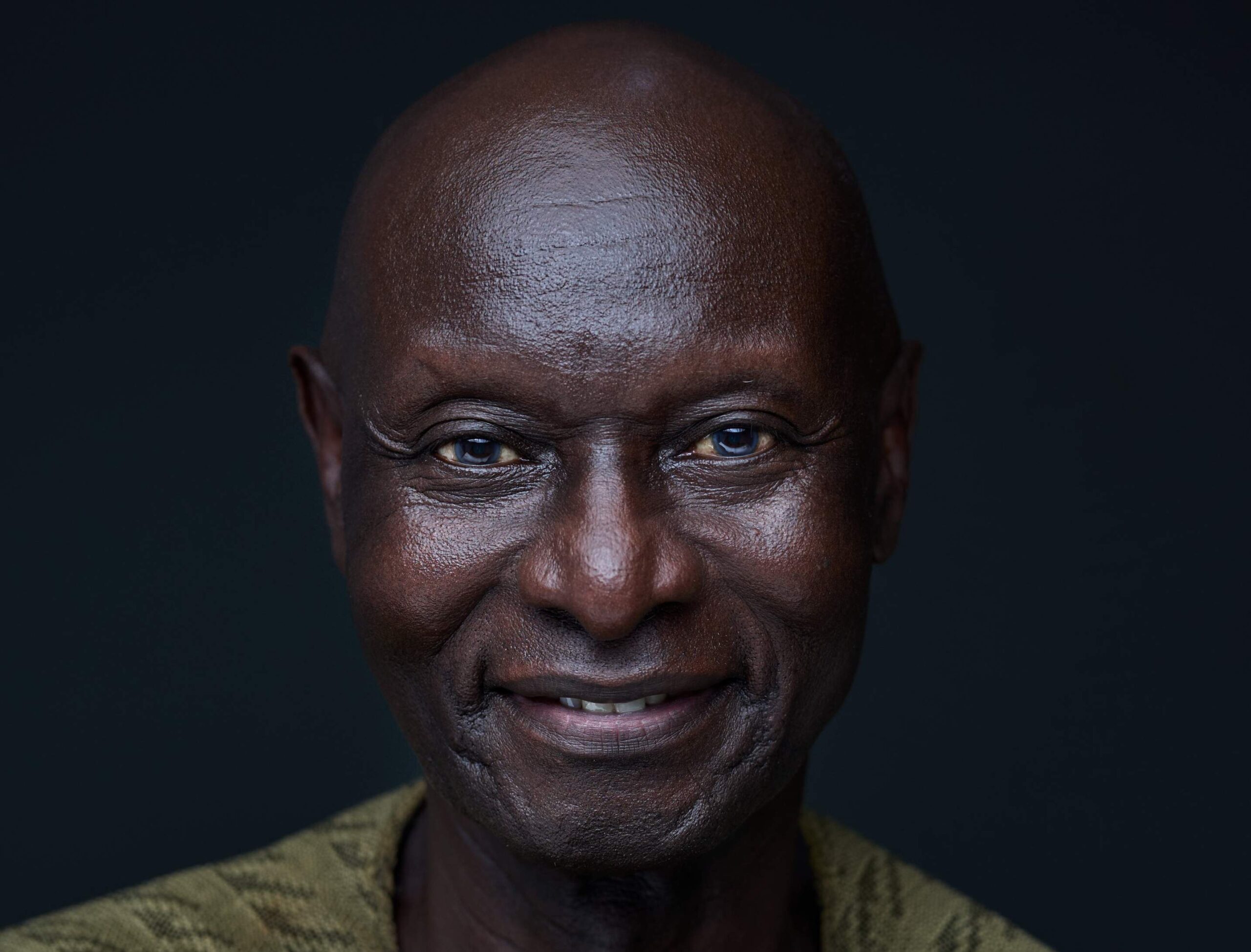
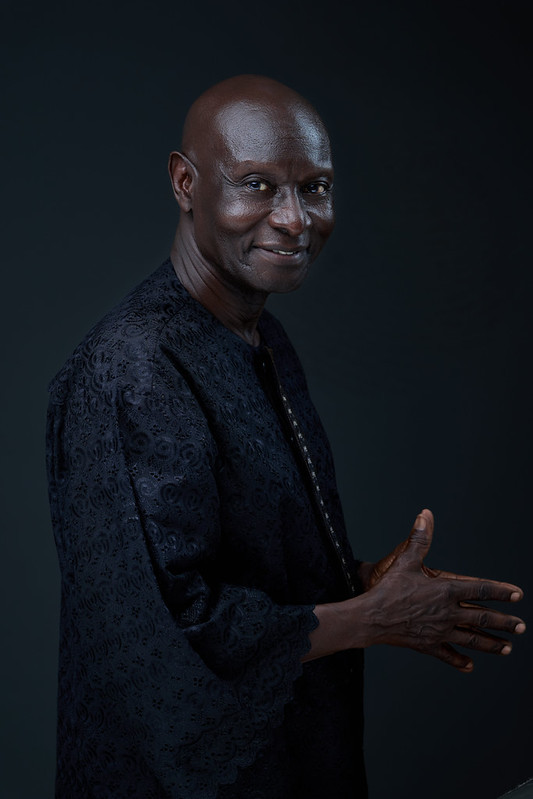
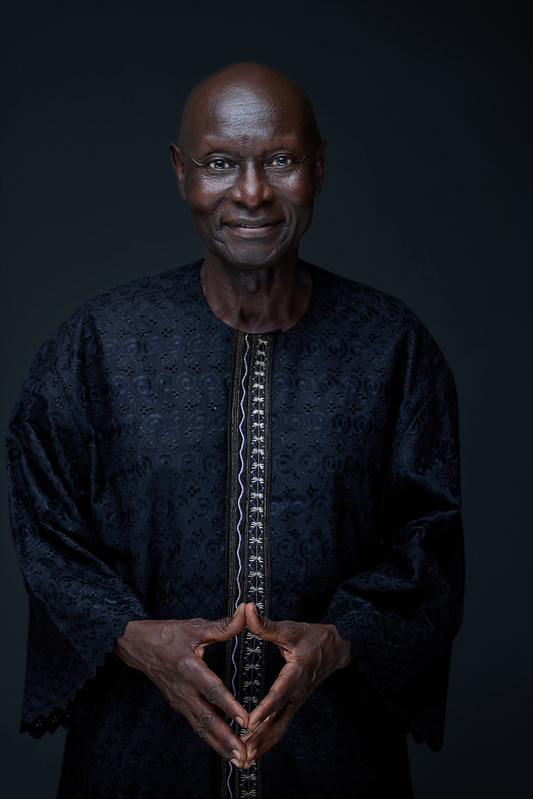
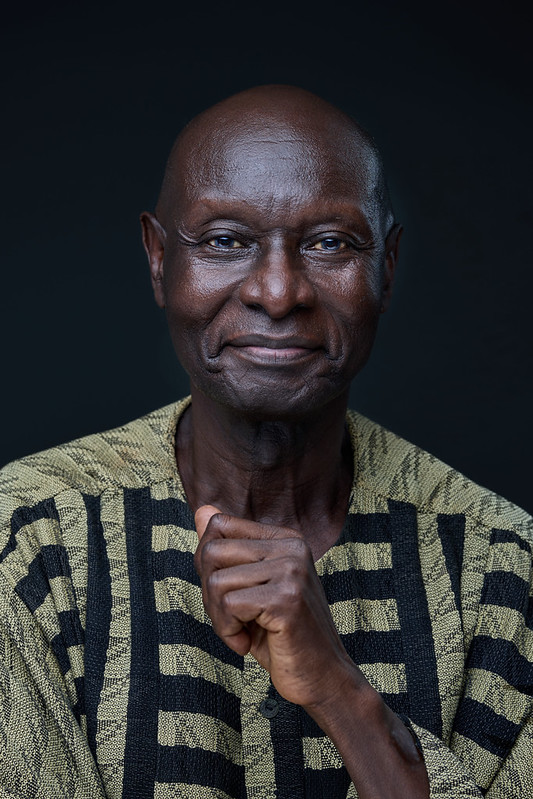
KAMPALA, UGANDA — Robert Kyagulanyi Ssentamu (popularly known as Bobi Wine) has officially endorsed veteran diplomat Dr. John Wesley Olara Otunnu for the position of United Nations Secretary-General.
The endorsement, released on Thursday morning, August 27, 2026, at 9:00 AM EAT, marks an unprecedented moment in modern Ugandan politics: for the very first time, National Unity Platform (NUP) leader Bobi Wine and his fiercest political rival, President Yoweri Kaguta Museveni, are actively campaigning for the exact same person.
The official government nomination of Dr. Otunnu was unveiled on July 26, 2026, by the Ministry of Foreign Affairs, positioning the 75-year-old former UN Under-Secretary-General and Foreign Affairs Minister as Uganda’s official candidate to succeed António Guterres, whose second and final term as UN chief concludes on December 31, 2026.
The public alignment between the State House and the opposition leader has sparked intense debate across radio talk shows, social media platforms, and diplomatic circles in Kampala, particularly given Otunnu’s history as a former Uganda People’s Congress (UPC) president and 2011 presidential candidate who spent years fiercely opposing Museveni’s administration.
Why did Bobi Wine endorse Olara Otunnu for the UN Secretary-General position?
Releasing a public statement on August 27, 2026, Bobi Wine expressed national pride in Otunnu’s global track record while directly addressing the historical tensions between the diplomat and the ruling government.
Bobi Wine commended Otunnu’s pioneering work protecting children in war zones and his uncompromising stance on human rights:
“As a Ugandan, it fills me with pride to see an illustrious son of our nation carry a lifetime of global service, a fierce commitment to the vulnerable, and a deep passion for justice to the world stage,” Bobi Wine declared. “For years, many of us have followed with great respect Ambassador Olara Otunnu’s incredible track record at the United Nations. His work championing human rights and protecting children in armed conflict is exactly the kind of leadership the global community desperately needs right now.”
Crucially, Bobi Wine reminded the public of the historical injustice of the late 1990s and 2000s, when the Museveni administration refused to endorse Otunnu for high-ranking international roles due to his vocal criticism of military atrocities in northern Uganda during the Lord’s Resistance Army (LRA) war:
“We cannot forget the historical injustice when the Museveni regime vindictively denied him an endorsement for this very position years ago,” Bobi Wine wrote. “They blocked him for simply refusing to stay silent about the atrocities they were committing against our people. Perhaps if he had risen to that position at the time, the world would be fairer, more just, and more peaceful.”
Bobi Wine emphasized that Otunnu’s core campaign platform focuses on fundamental multilateral reform, turning the UN into a platform of accountability rather than a battleground for superpowers:
“Central to his vision is a profound passion for genuine multilateral reform, where international institutions must evolve beyond mere arenas of superpower politics to become true instruments of equity, accountability, and shared prosperity for all nations.”
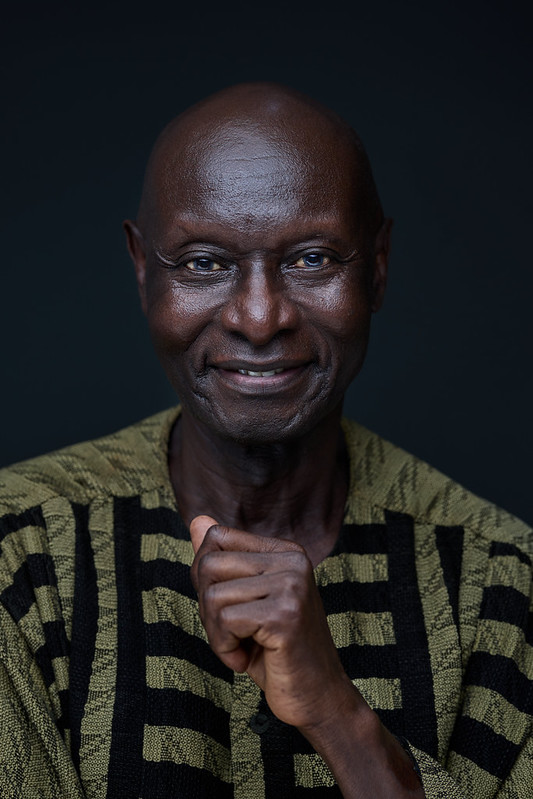
How did President Museveni and Bobi Wine end up supporting the same candidate?
The sight of President Museveni and Bobi Wine backing the same candidate has left millions of Ugandans astonished.
On August 3, 2026, President Museveni personally hosted ambassadors representing member states of the UN Security Council at State House Entebbe, making a direct pitch for Otunnu’s election.
“Ambassador Otunnu has the experience, integrity and diplomatic credentials to lead the United Nations,” President Museveni stated to the diplomats. “Uganda’s record in promoting regional peace and security, as well as hosting refugees, reflects the values that underpin our support for his candidature.”
During that State House briefing, Ambassador Otunnu acknowledged the elephant in the room—recalling how Kampala had blocked him decades earlier:
“I told them the best person to answer those questions is the President himself and the Government of Uganda because they are the ones who have formally put forward this nomination,” Otunnu remarked gracefully.
This sudden reconciliation led to intense public skepticism among opposition supporters, with rumors suggesting that recent government gestures—such as the regulatory reopening of major media entities like Nation Media Group (NMG) outlets—were part of a broader political strategy to project national unity ahead of the global UN vote.
Addressing supporters who questioned why he would back a candidate endorsed by the government, Bobi Wine urged them to trust Otunnu’s proven integrity:
“I hear some citizens who are raising tough questions about why the regime has suddenly changed its mind to endorse him now,” Bobi Wine addressed his followers. “Your scepticism is understandable, given what the regime is doing to our people. And I know Ambassador Otunnu to be a man of deep humility who welcomes free speech and receives your concerns with grace. We can all bank on his long-term, proven integrity and hope that when he rises to become the world’s top diplomat, he will never turn a blind eye to the ongoing struggle for freedom in his own motherland.”
Surprisingly, Bobi Wine’s followers have embraced the move. While initially skeptical of any candidate backed by the State House, supporters across social media platforms confirmed that Bobi Wine’s endorsement reassures them that Otunnu remains an uncompromised statesman of global standing.
Who is Dr. Olara Otunnu and what is his political background?
Dr. John Wesley Olara Otunnu is one of the most distinguished international diplomats, lawyers, and political scholars to emerge from East Africa over the last half-century.
Born on September 6, 1950, in Mucwini, Kitgum District, Northern Uganda, Otunnu grew up during a turbulent period in East African history. He rose to international prominence through his work in international law, conflict resolution, and human rights advocacy.
| Historical Period | Role / Position Held | Key Achievements & Diplomatic Milestones |
| 1971–1974 | Guild President, Makerere University | Led anti-Idi Amin student resistance; constructed the “Otunnu Highway” connecting Makerere to Mulago Hospital. |
| 1980–1985 | Uganda’s Permanent Representative to the UN | Served as President of the UN Security Council (1981); invented the “Otunnu Formula” (straw-ballot system for electing UN SGs). |
| 1985–1986 | Minister of Foreign Affairs, Uganda | Served under the Tito Okello administration; led the 1985 Nairobi Peace Talks with the NRM. |
| 1990–1998 | President, International Peace Academy | Headed the premier international peace research institution in New York (now International Peace Institute). |
| 1997–2005 | UN Special Representative for Children & Armed Conflict | Spearheaded UN Security Council Resolution 1612, establishing a global mechanism to protect children in war zones. |
| 2010–2015 | President, Uganda People’s Congress (UPC) | Returned from exile, won the UPC presidency, and contested the 2011 Ugandan Presidential Election against Yoweri Museveni. |
| 2016–Present | Co-Leader, Roco Paco Peace Initiative & LBL Foundation | Spearheaded post-conflict reconciliation in Northern Uganda alongside Chief Justice Emeritus Alfonse Owiny-Dollo. |
After contesting the controversial 2011 presidential elections, Otunnu stepped back from mainstream electoral politics. He quietly disappeared from frontline partisan confrontation to focus on community peacebuilding, human rights law, and child advocacy, before resurfacing in 2026 as Uganda’s consensus nominee for the UN’s top job.
What is Olara Otunnu’s educational background and early life?
Olara Otunnu’s academic journey is legendary across Uganda’s educational institutions:
- Early Schooling: The son of Yusto Otunnu and Josephine Amato (born-again Anglican lay evangelists), Otunnu moved across Northern Uganda during his childhood, attending Mvara Primary School in Arua, Mucwini Primary School, Anaka Primary School, and Gulu High School.
- King’s College Budo (1966–1970): Admitted on a fast-track academic program, Otunnu won numerous school honors, including the Senior Holiday Diary Prize, the Brooke Bond Essay Competition, and the Inter-House Speech Competition. He served as Chairman of the Christian Sunday Night Group and President of the Senior Debating Society.
- Makerere University (1971–1974): Studied Law during the height of Idi Amin’s dictatorship. As Guild President in 1973, he championed student welfare and constructed the paved walkway connecting Makerere main campus to Mulago Hospital (known to this day as the Otunnu Highway).
- Oxford University (UK): Attended as an Overseas Scholar, earning his Bachelor of Arts in Law.
- Harvard Law School (USA): Earned his Master of Laws (LL.M.) as a Fulbright Scholar.
Following his studies at Harvard, Otunnu practiced corporate law as an associate with the prestigious law firm Chadbourne & Parke in New York City, later becoming an Assistant Professor of Law at Albany Law School.
Is Olara Otunnu married and does he have children?
One of the most frequent Google queries regarding the veteran diplomat centers on his family life: Is Olara Otunnu married? Does he have a wife or children?
Dr. Olara Otunnu has maintained a fiercely private personal life throughout his five-decade career. Olara Otunnu is not publicly married and has no known biological children.
Throughout his life, Otunnu has dedicated his personal time, energy, and finances to public service, international diplomacy, and the welfare of vulnerable children globally. Through his work as UN Special Representative for Children and Armed Conflict and his leadership of the LBL Foundation for Children, Otunnu has often stated that he considers the hundreds of thousands of war-affected children he has advocated for across Africa, Asia, and Latin America to be his primary life calling.
What is the selection process and timeline for the UN Secretary-General in 2026?
The selection of the United Nations Secretary-General follows a formal process outlined in Article 97 of the UN Charter, combining secret diplomacy within the Security Council with formal voting in the General Assembly:
- Formal Nomination (July–August 2026): Member states submit candidates. Permanent Secretary Vincent Waiswa Bagiire formally presented Otunnu at the Ministry of Foreign Affairs on July 29, 2026.
- Security Council Straw Polls (September–October 2026): The 15-member UN Security Council conducts a series of informal, secret “straw ballots” to gauge candidate support and veto intentions among the five Permanent Members (P5: US, UK, France, China, Russia). Ironically, this straw-ballot procedure—known globally as the “Otunnu Formula”—was invented by Otunnu himself when he served as Security Council President in December 1981!
- Formal Security Council Recommendation (November 2026): The Security Council adopts a formal resolution recommending a single candidate to the General Assembly.
- General Assembly Appointment (December 2026): The 193-member UN General Assembly votes to officially appoint the next Secretary-General.
- Term Commencement (January 1, 2027): The successful candidate assumes office for a five-year renewable term running through December 31, 2031.
Otunnu faces a competitive international field, including prominent figures such as former Chilean President Michelle Bachelet, former UN General Assembly President María Fernanda Espinosa, IAEA Director General Rafael Grossi, and former Senegalese President Macky Sall.
How does Uganda and the East African region benefit if Olara Otunnu wins?
For Uganda, securing the office of the United Nations Secretary-General represents the absolute pinnacle of international soft power and diplomatic prestige.
1. Immense Global Soft Power and Diplomatic Influence
Having a Ugandan national serve as the world’s top diplomat elevates Uganda’s standing across all 193 UN member states, placing the nation at the center of global peacekeeping, climate policy, and international development discussions.
2. Economic and Regional Development Leverage
A UN Secretary-General from East Africa provides the African continent—and the East African Community (EAC) specifically—with an unprecedented voice in restructuring global trade agreements, securing climate adaptation financing, and reforming international financial institutions like the IMF and World Bank.
3. Advancing African Security and Governance Reform
During his acceptance speech in Kampala, Otunnu pledged to champion equitable African representation on the UN Security Council, ethical governance of Artificial Intelligence, and enhanced funding for global humanitarian crisis zones.
As the UN Security Council prepares for its crucial autumn straw polls, Bobi Wine’s historic endorsement provides Dr. Olara Otunnu with a rare, unified domestic mandate—proving that when the global stage calls, Uganda can speak with one powerful, united voice.
Ugandan diplomat Olara Otunnu joins race to lead the United Nations