
Table of Contents
BY HANNAH ARINAITWE
Growing up in the eastern region of the Democratic Republic of Congo (DRC)—a territory long defined by recurring armed conflict, political volatility, and humanitarian crises—Elonga Ardent lived through five separate wars before reaching adulthood.
Yet, surviving five conflicts is not the story Ardent chooses to tell about himself.
Rather than allowing trauma to define his trajectory, living through security crises inspired the Congolese lawyer and governance practitioner to interrogate the systemic causes of institutional failure across Africa. He dedicated his career to understanding how state institutions respond to citizens, how communities build resilience during crises, how young people can meaningfully participate in policy decisions, and how Africa can achieve inclusive, sustainable development.
Today, Ardent works at the intersection of three pillars he considers inseparable: governance, climate action, and energy access.
His selection in 2026 as one of 20 Youth Technical Experts for the African Youth Charter @20 Continental Appraisal places him at the center of African Union policy formulation, bringing the lived experiences of Central African youth into high-level diplomatic spaces.
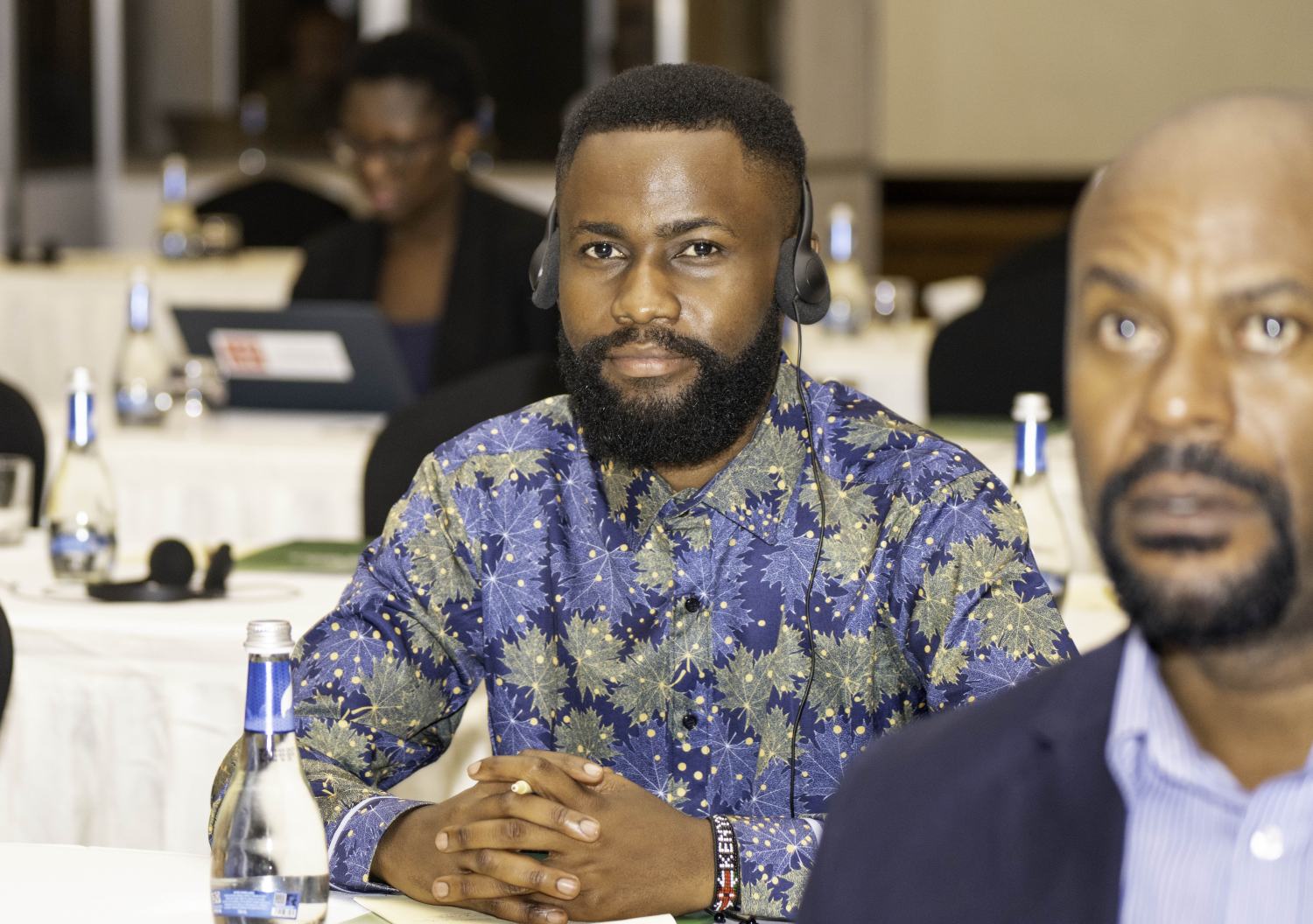
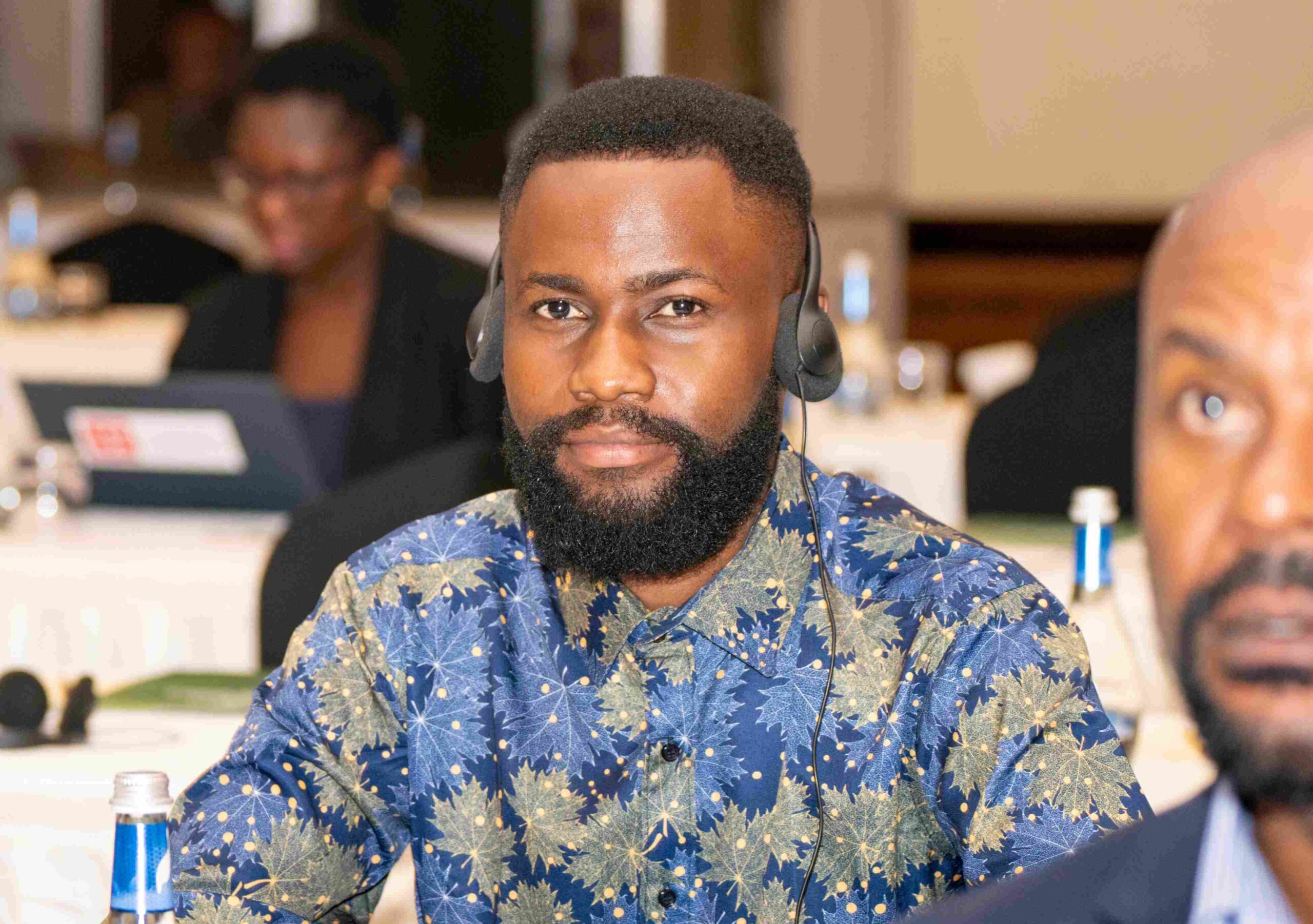
Who is Elonga Ardent and how did surviving five wars in the DRC shape his career?
Elonga Ardent is a Congolese lawyer, researcher, and institutional policy expert from eastern Democratic Republic of Congo who has spent over five years advancing citizen-centered governance, environmental sustainability, and youth inclusion across Africa.
Rather than viewing the conflict in eastern DRC solely through a lens of destruction, Ardent recognized that lasting peace requires robust legal frameworks and responsive public institutions.
| Career Milestone / Project | Organization / Initiative | Key Operational Focus |
| Think Tank Department Lead (2023) | GERIA (Groupe d’Expertise sur les Réformes Institutionnelles en Afrique) | Institutional reform, citizen-centric governance, and decentralization policy. |
| Co-Founder & Climate Lead (2022–Present) | Save My World Movement | Mobilizing youth climate action across Kinshasa, Goma, and Bukavu. |
| Energy Services Supervisor | Private Electricity Utility (Eastern DRC) | Overseeing 12-person call center operations delivering critical power services. |
| Continental Delegate (2025) | African Peer Review Mechanism (APRM) | Representing DRC youth at high-level forums in Freetown, Sierra Leone & Kigali, Rwanda. |
| Youth Technical Expert (2026) | African Youth Charter @20 Appraisal | Appointed by APRM, YouLead Africa, and Restless Development for Central Africa. |
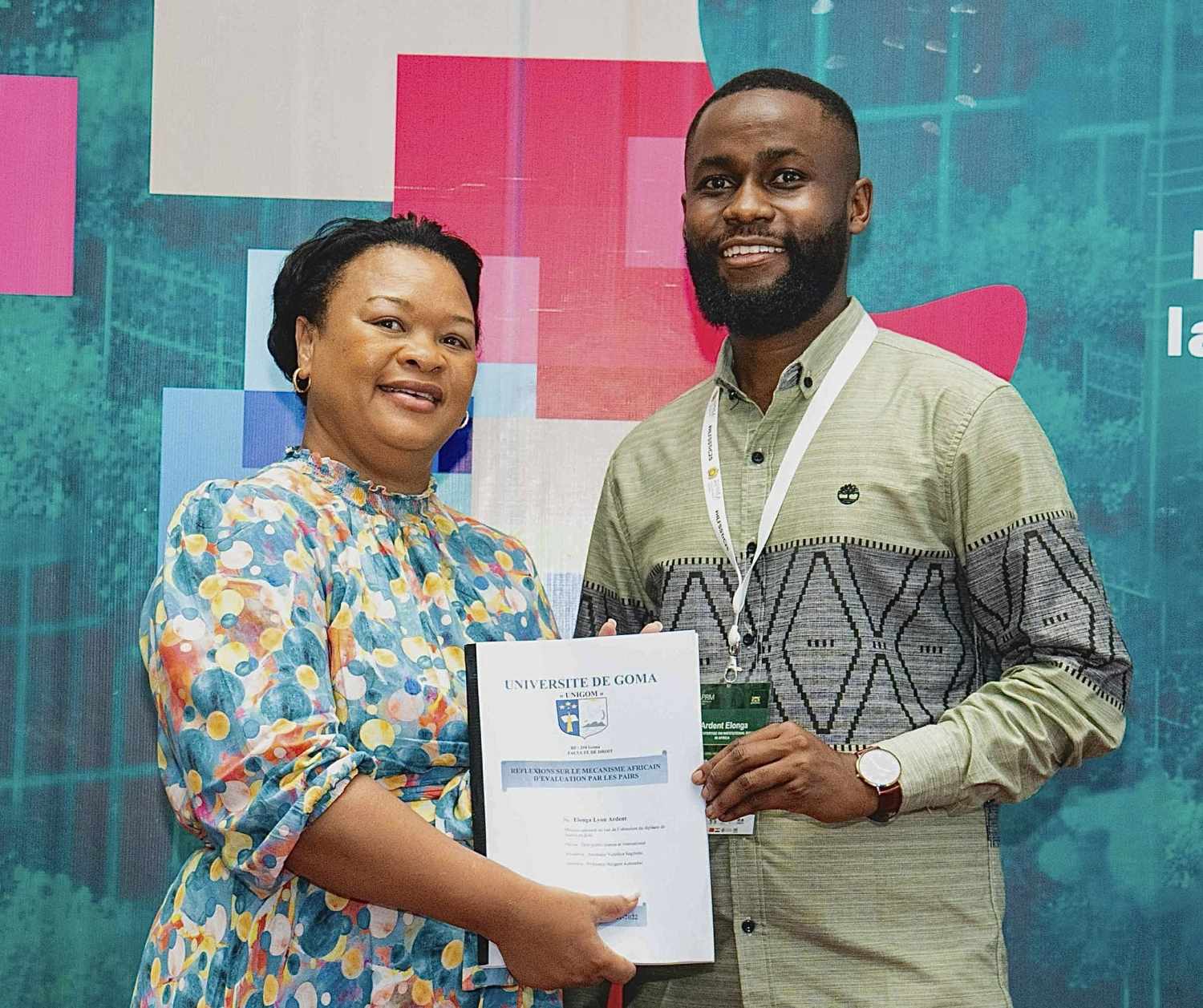
His early career took off professionally in 2023 when he assumed leadership of the Think Tank Department at GERIA (Groupe d’Expertise sur les Réformes Institutionnelles en Afrique). At GERIA, Ardent led research addressing critical questions: How do public institutions become more accountable to ordinary citizens? How can governance frameworks serve communities located far from national capitals? How can young people transition from being passive beneficiaries of development policies to active co-creators of state policy?
How is Elonga Ardent combining governance, climate action, and energy in Africa?
While many policy experts treat governance, environmental action, and energy access as separate fields, Ardent views them as three legs of a single development stool.
- Governance: Governs how decisions are made, how public funds are allocated, and whether state institutions remain transparent to their citizens.
- Climate Action: Determines whether economic growth can withstand environmental shocks, displacement, land degradation, and resource scarcity.
- Energy Access: Serves as the fundamental engine that powers businesses, hospitals, digital infrastructure, and household economic mobility.
In 2022, Ardent co-founded Save My World, a youth-led environmental movement operating across major urban hubs in the DRC, including Kinshasa, Goma, and Bukavu. His climate advocacy highlighted a critical reality: in conflict-affected regions like eastern DRC, environmental degradation directly exacerbates community displacement, food insecurity, and economic desperation.
Concurrently, Ardent gained practical operational experience in the infrastructure sector by managing a 12-person customer service team for a private power distribution company in eastern DRC. Supervising front-line service delivery gave him direct insight into how reliable electricity access directly transforms local security, small business growth, and public health in fragile zones.
What is the African Youth Charter @20 Appraisal and how was Elonga Ardent selected?
The African Youth Charter (AYC) was officially adopted by the African Union Assembly of Heads of State and Government in Banjul, The Gambia, on July 2, 2006. Serving as the primary political and legal framework for youth rights, education, employment, and political participation across all 55 AU Member States, the Charter reaches its landmark 20-year milestone in 2026.
To mark the 20th anniversary, the African Peer Review Mechanism (APRM) Continental Secretariat, in partnership with YouLead Africa and Restless Development, launched a rigorous continental evaluation: the AYC@20 Continental Appraisal.
In early 2026, out of more than 10,000 applicants from across Africa, Elonga Ardent was selected as one of just 20 Youth Technical Experts appointed to conduct the review.
Representing the Democratic Republic of Congo and the broader Central Africa region, Ardent’s role involves assessing how AU member states, Regional Economic Communities (RECs), and civil society organizations have implemented the Charter over the past two decades. His technical findings feed directly into the Consolidated Continental Policy Brief presented at African Union summits and integrated into the Africa Governance Report (AGR) 2027.
What happened at the 5th Continental Dialogue on Youth, Peace and Security in Bujumbura?
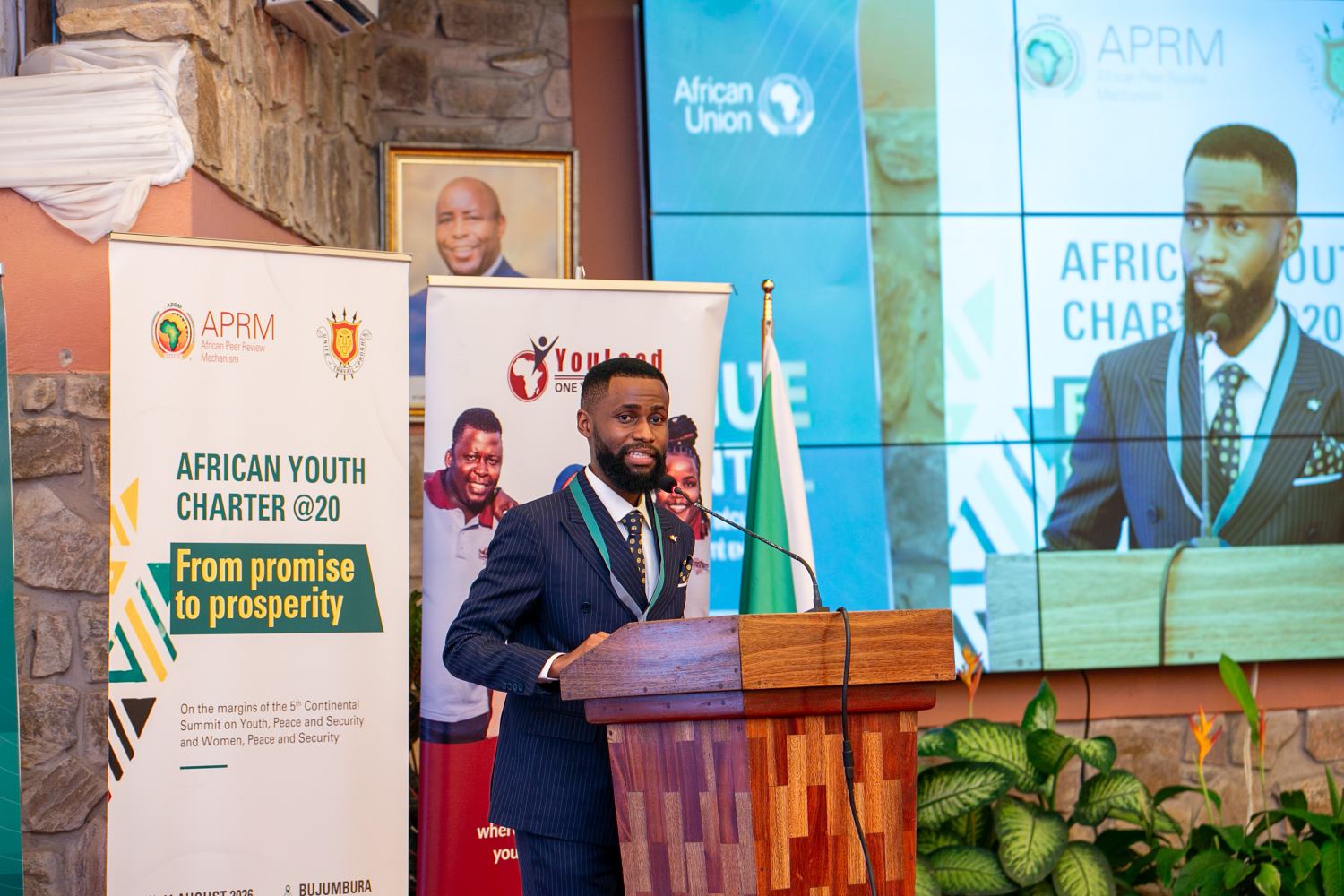
In August 2026, Ardent joined regional policymakers, diplomats, senior Burundian government officials, and APRM leadership in Bujumbura, Burundi, for the 5th Continental Dialogue on Youth, Peace and Security.
Delivering a high-level address on behalf of the Youth Technical Expert group during a specialized side event assessing the African Youth Charter at 20, Ardent spoke candidly about the stark realities facing young people in conflict zones across eastern DRC.
He challenged international delegates to reframe how they view youth living in conflict-affected regions:
“Conflict and insecurity are part of our reality in eastern DRC, but conflict is not the entirety of our identity,” Ardent emphasized before continental leaders. “Young people in eastern DRC are students, entrepreneurs, legal professionals, climate innovators, tech builders, and peacebuilders. They possess ambitions that extend far beyond surviving the crises into which they were born.”
Ardent broadened the policy discussion to address systemic youth vulnerabilities across the continent, asking delegates to evaluate youth security holistically:
- In Benin & Togo: What does meaningful civic participation and institutional representation look like for young citizens?
- In Somalia & South Sudan: What happens when young people want to contribute to national peacebuilding but face structural barriers to employment, formal credit, and political decision-making?
Why are African youth demanding real decision-making power 20 years after the African Youth Charter?
Ardent’s continental advocacy comes at a urgent moment for Africa’s demographic landscape.
According to global labor and development data, an estimated 70.9 million young Africans aged 15 to 24 were classified as NEET (Not in Employment, Education, or Training)—representing 23.2 percent of the continent’s entire youth population.
Behind this statistic are tens of millions of young people grappling with economic exclusion, political marginalization, restricted civic spaces, and underfunded education systems.
Twenty years after African heads of state signed the African Youth Charter in 2006, Ardent argues that the central question facing the continent is no longer whether governments have made policy pledges, but whether those pledges translate into practical opportunities.
“The question for Africa is no longer whether our institutions have signed commitments to young people,” Ardent notes. “The real test is whether those commitments have moved from paper into lived realities—whether African institutions have evolved from viewing young people merely as the ‘future of tomorrow’ to treating them as decision-making partners today.”
From eastern DRC to the halls of continental diplomacy in Freetown, Kigali, and Bujumbura, Elonga Ardent’s journey demonstrates that lasting peace, environmental resilience, and economic progress across Africa require interconnected responses led by the very generation that will inherit the continent’s future.