

Table of Contents
When did Denise Ayebare take oath?
The structural transition of youth advocacy from standalone grassroots activism into formal state governance has achieved a major milestone in Kampala. At just 23 years old, Denise Ayebare has officially taken her oath of office as the Secretary for External Relations of the National Youth Council of Uganda (NYC). This happened yesterday, the 19th of May 2026.
The high-profile swearing-in ceremony, held in the capital city, formally ushered in the newly elected National Executive Committee of the NYC—the apex statutory body mandated by an Act of Parliament to coordinate, monitor, and represent youth interests across the country under the Ministry of Gender, Labour and Social Development.



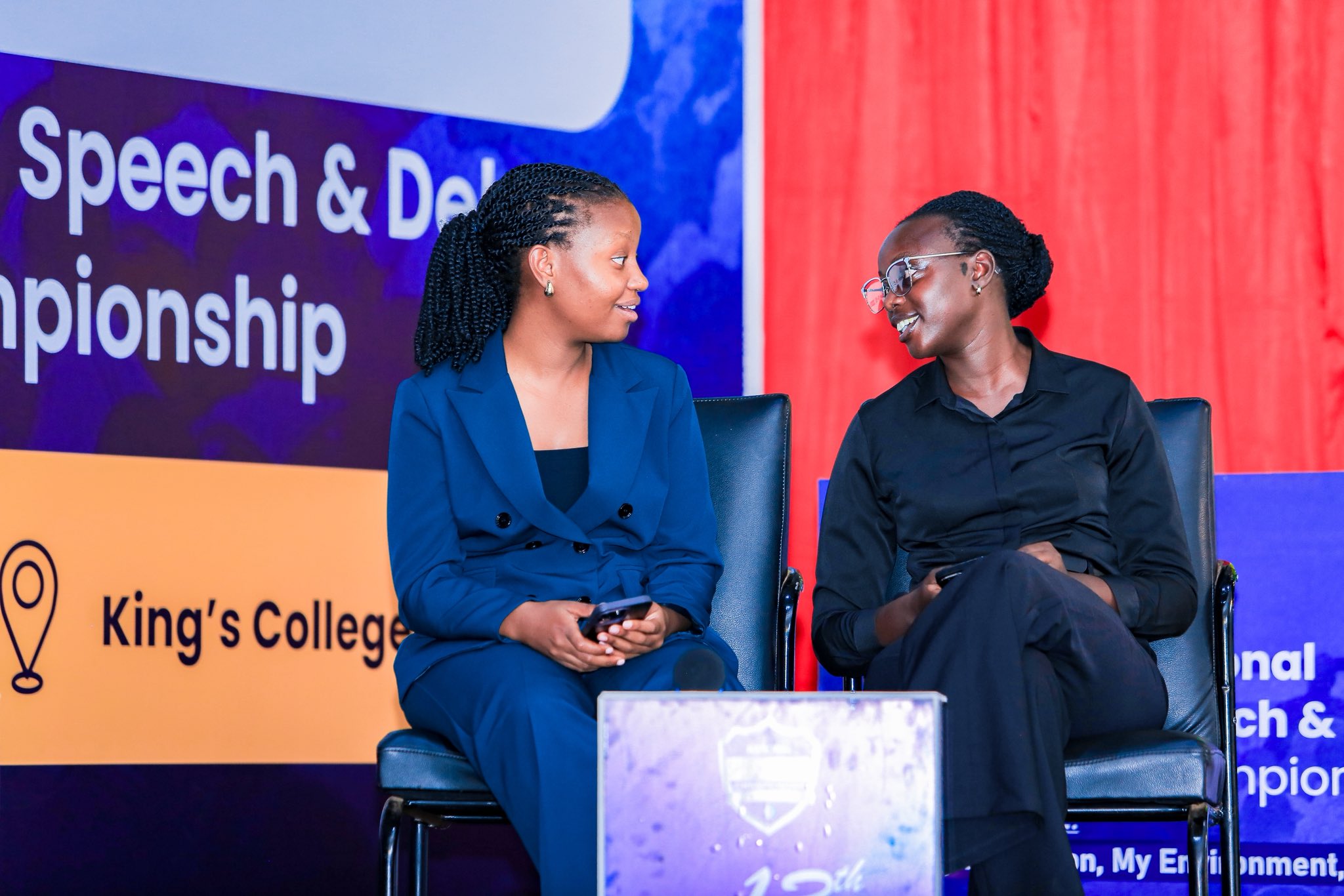

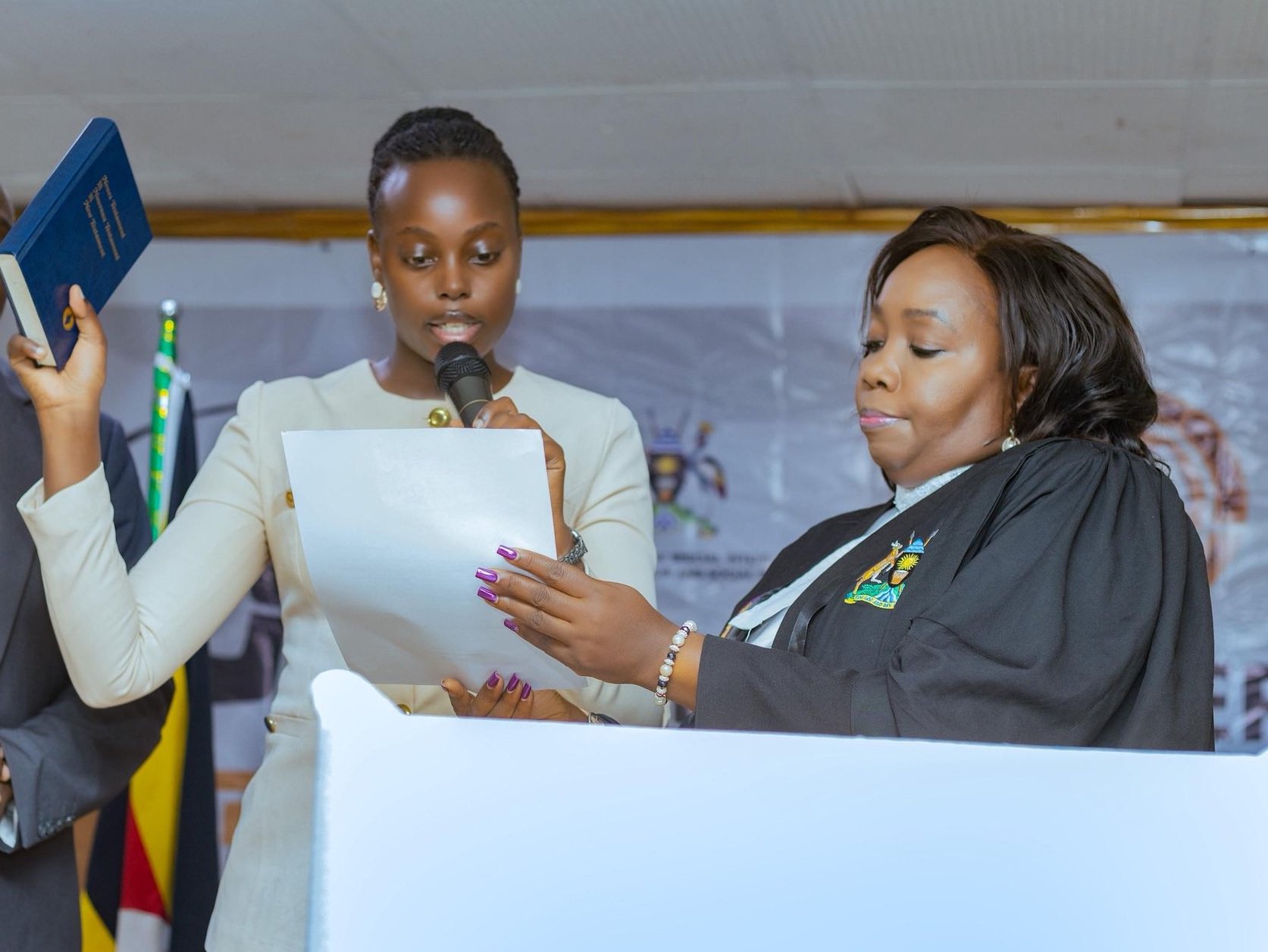
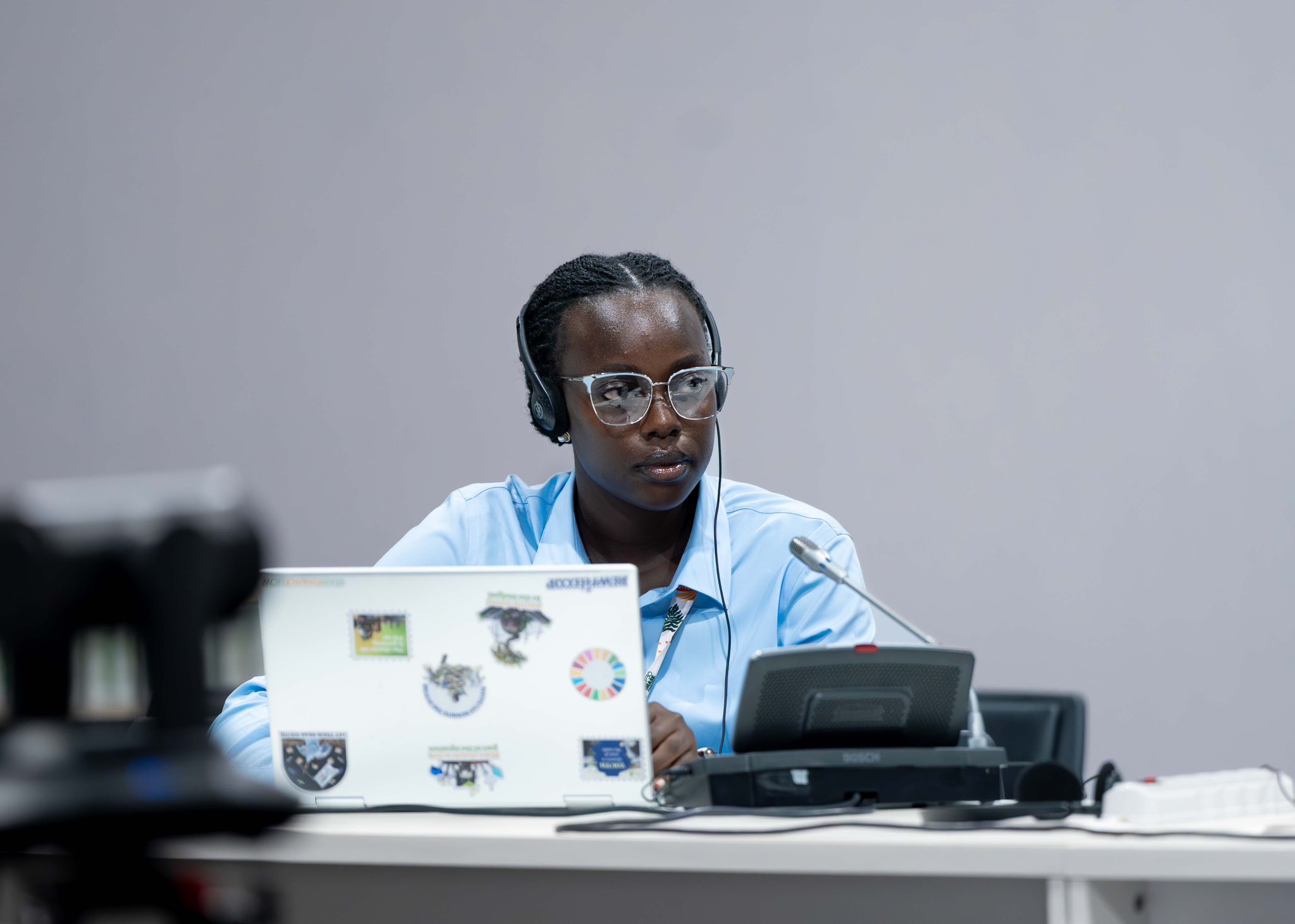
For Ayebare, the transition marks a profound shift from demanding inclusion from the outside to actively driving regional and international policy from the interior of Uganda’s formal governance architecture.
Also read about when she was named the top 100 Most Influential Women
Who is Denise Ayebare and what is her new role in the National Youth Council?
Denise Ayebare is a recognized youth diplomat, community organizer, and climate justice advocate who has spent nearly a decade navigating local and global policy spaces. By ascending to the position of Secretary for External Relations within the National Youth Council, she assumes a highly strategic portfolio tasked with managing the international relations, diplomatic networks, and cross-border partnerships of Uganda’s youth demographic.
| Operational Focus | Detail & Institutional Milestones |
| Official Designation | Secretary for External Relations, National Youth Council (NYC) |
| Age at Swearing-In | 23 Years Old |
| Supervising Ministry | Ministry of Gender, Labour and Social Development |
| Founding Role | Founder and Executive Director, BetterLife International Organization |
| Global Policy Footprint | COP27 (Egypt), COP28 (UAE), Bonn Climate Change Sessions (Germany) |
| Primary Field Operations | Yumbe District, Bidi Bidi Refugee Settlement |
In an era where regional integration, global educational fellowships, and international climate finance dominate continental development agendas, Ayebare’s desk will serve as the primary gateway connecting local youth structures to global opportunities. Shortly after taking her oath, Ayebare detailed the systemic weight of her new position:
“Today, I officially took oath as Secretary for External Relations of the National Youth Council of Uganda. This milestone reflects years of work across climate advocacy, youth leadership, community engagement, and regional and international policy spaces where I have consistently believed that young people deserve not just inclusion, but meaningful representation.”
How did BetterLife International shape Denise Ayebare’s advocacy from grassroots to global stages?
Ayebare’s ascension to national leadership is anchored by a track record of field execution that began when she was only 15 years old. Initially focusing on basic environmental sensitization and climate awareness within local schools and municipalities, her localized efforts quickly scaled into a structured, pan-African operational model through the establishment of BetterLife International Organization, a youth-led non-governmental organization she founded.
Under her executive leadership, BetterLife International departed from theoretical advocacy to deploy tangible, socio-economic solutions within climate-vulnerable and marginalized settings. The organization has successfully executed large-scale interventions centered on climate-smart agriculture, clean energy transition, environmental literacy, and sustainable water access.
Notably, Ayebare targeted the intersection of environmental displacement and human security by embedding her organization’s programs deep within the West Nile region, specifically impacting host communities and refugees in Yumbe District’s Bidi Bidi Refugee Settlement—one of the largest refugee reception centers on the globe. This frontline experience in balancing environmental degradation with refugee livelihoods transformed her from a local activist into a highly capable field administrator.
What does Denise Ayebare’s appointment mean for Uganda’s youth diplomacy and climate policy?
Political observers and youth policy analysts view Ayebare’s entry into the National Youth Council as a symbolic and practical victory for a generation looking to bypass the traditional gatekeeping of international diplomacy. For years, international climate negotiations like the United Nations Framework Convention on Climate Change (UNFCCC) loops have been criticized for tokenizing youth voices.
Ayebare has already broken through those barriers, having served as an active delegate in global arenas including COP27 in Sharm El-Sheikh, COP28 in Dubai, and the Bonn Climate Change Sessions in Germany.
Her new statutory position arms her with the formal diplomatic credentials needed to negotiate institutional partnerships directly with international agencies, foreign embassies, and regional blocs like the East African Community (EAC) and the African Union (AU). At a time when Uganda faces complex domestic challenges—including a massive youth bulge, systemic underemployment, and severe climate vulnerabilities affecting agricultural output—Ayebare is expected to steer the NYC’s external desk toward securing technical fellowships, green jobs, and cross-border digital economy pipelines for young Ugandans.
Shall we be Moving past Tokenistic Inclusion?
The swearing-in of Denise Ayebare signals a broader, evolving narrative within East African governance, where the line between civil society activism and state policy execution is permanently blurring. Her long-standing ideological stance remains clear: young people must transition from being casual stakeholders consulted as an afterthought to becoming core architects of national legislation.
As she assumes her seat on the National Executive Committee, the immediate challenge will be translating her extensive global network into immediate, scalable benefits for the ordinary youth in rural districts. Yet, despite the sudden influx of institutional titles and state visibility, Ayebare remains grounded in the foundational ethos that sparked her journey a decade ago.
“The work continues,” she concluded.