
Table of Contents
When was the editorial overhaul discussed?
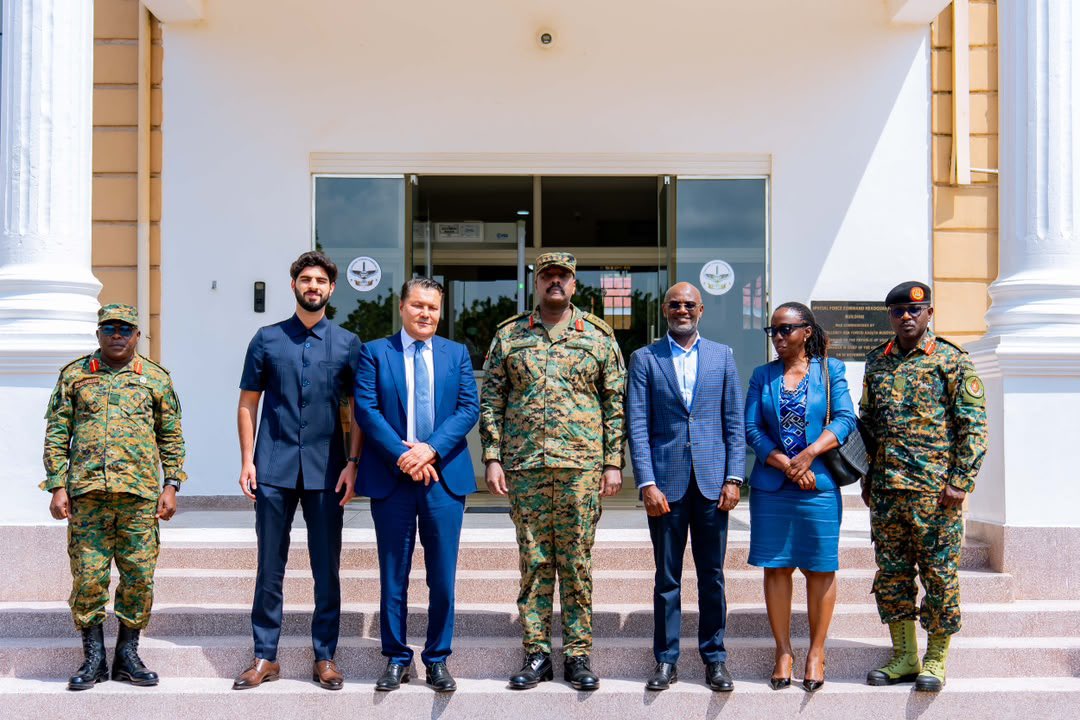
Following a high-level corporate meeting convened at the Special Forces Command (SFC) headquarters in Entebbe on Wednesday, July 1, 2026, the executive leadership of Nation Media Group (NMG) entered direct talks with senior military and government officials to structure a path forward for its suspended operations in Uganda. The administrative discussions established an editorial restructuring and a commitment to balanced journalism as core conditions required to lift the current operational freeze.
The institutional dialogue comes four days after security personnel were deployed at NMG’s primary printing presses in Namuwongo and its transmission hubs at the Kampala Serena Hotel on Sunday, June 28, 2026. Rather than escalating the conflict through legal or public warfare, the media house’s new majority shareholder, Tanzanian billionaire Rostam Aziz, has handled the military enforcement calmly, prioritizing direct high-level negotiations to resolve the standoff and protect the company’s regional infrastructure.
Why did Gen. Muhoozi Kainerugaba shut down Nation Media Group Uganda?
Gen. Muhoozi Kainerugaba initiated the shutdown of Nation Media Group Uganda following an intensifying period of tension regarding the media house’s political reporting layout, which authorities described as unobjective and hostile toward the state. Minister of Information Justine Kasule Lumumba confirmed that the pre-dawn military deployment on Sunday—which took NTV Uganda, Spark TV, 93.3 KFM, and 90.4 Dembe FM off the air and halted the Daily Monitor printing runs—was fully authorized by President Yoweri Museveni to facilitate state investigations.
During the Entebbe meeting, state officials presented NMG executives with a compiled intelligence file documenting five years of published content from Namuwongo to back up their claims of systematic bias. The recent intense media coverage surrounding the detention of opposition icon Dr. Kizza Besigye served as the immediate operational trigger for the raid, with government handlers arguing the media group had crossed the line from independent journalism into political activism.
NTV, KFM Offline | Military Cordon Popular Media House
What were the secret terms agreed between Muhoozi and Rostam Aziz in Entebbe?
The core conditions logged during the Entebbe meeting require NMG to implement a comprehensive restructuring of its senior editorial personnel and commit to state-vetted standards of objective reporting before its broadcasting licenses and printing permissions are restored. Instead of an unmitigated corporate surrender, the session functioned as a space where terms were formally logged by both sides to expedite a reopening.
According to Patriotic League of Uganda (PLU) spokesperson Andrew Mwenda, who attended the high-stakes session alongside the CDF, the resumption of NMG’s media operations is now explicitly tied to these structural workplace changes. Mwenda detailed the exact baseline conditions required by the state to move forward:
“The terms and conditions have been logged. The government simply wants them to be professional. As a core condition of the agreement to move forward, NMG must hire professional editors and recruit professional journalists who will adhere strictly to a mandate of objective reporting.”
Why did Tanzanian billionaire Rostam Aziz surrender NMG’s independence so easily?
Rostam Aziz has tolerated the military closure calmly and engaged in immediate corporate diplomacy because his primary objective is protecting the long-term commercial viability of his regional business portfolio and safeguarding the livelihoods of hundreds of NMG employees. When the Tanzanian investor completed his high-profile acquisition of NMG through Taarifa Limited in March 2026, he emphasized maintaining stable, predictable relationships with political establishments across the East African Community.
Faced with an absolute media blackout that cuts off millions of shillings in routine advertising revenue each day, Aziz chose a pragmatic negotiation strategy over a lengthy, disruptive legal battle in the High Court. By traveling personally to Entebbe with his son Saam Aziz to review the government’s intelligence file, the billionaire demonstrated that a commercial media operation under current market realities must treat regulatory compliance and political alignment as necessary steps to guarantee business continuity.
How did the Aga Khan protect Daily Monitor from President Museveni for decades?
The Aga Khan Fund for Economic Development (AKFED) protected the Daily Monitor for over six decades by leveraging its immense international diplomatic immunity, global philanthropic networks, and a historic refusal to modify its editorial independence for local commercial security. Throughout his multi-decade tenure as the principal trustee of NMG, the Aga Khan treated independent African journalism as an essential public service, giving local editors the institutional backing to investigate high-level corruption and state overreaches.
Whenever the state moved to silence the Daily Monitor—most notably during the infamous 11-day military siege in May 2013 over the leaked Gen. David Sejusa letters—the Aga Khan systematically bypassed local military commanders to negotiate directly with President Museveni on a diplomatic, state-to-state level. The transition of majority ownership to Taarifa Limited in March 2026 effectively shifted NMG Uganda’s structural guardrails from an internationally insulated philanthropic trust to a localized commercial venture, altering how the brand handles state pressure during high-stakes political standoffs.
Which NTV and Daily Monitor editors are being dropped in the new state overhaul?
The impending editorial overhaul is structurally aimed at replacing the independent-minded editors and news producers whose recent content choices directly triggered the state’s security investigation. While NMG Uganda Managing Director Susan Nsibirwa continues to run intense internal administrative meetings to stabilize panicked staff members, corporate insiders indicate that the restructuring will focus heavily on the newsroom dockets that manage front-page political layouts and prime-time broadcast bulletins.
Specifically, the reorganization is expected to affect senior print editors at the Daily Monitor and the executive producers overseeing NTV Akawungezi and NTV Tonight. By bringing in new professional editors who adhere strictly to the balanced frameworks discussed in Entebbe, NMG seeks to reassure the executive branch of its compliance, allowing Gen. Muhoozi to submit his final operational report to President Museveni so that armed units can safely vacate the Namuwongo and Serena installations.
Did Andrew Mwenda save Nation Media Group or orchestrate its ultimate surrender?
Andrew Mwenda acted as the primary diplomatic mediator of the crisis, utilizing his unique dual access as a veteran media personality and the official spokesperson for Gen. Muhoozi’s Patriotic League of Uganda to prevent a permanent administrative liquidation of NTV and the Daily Monitor. By bringing the Tanzanian investors to the negotiation table, Mwenda argued that logging firm commitments to restructuring was the fastest way to get the stations back on air.
During the closed-door talks, Mwenda presented the state’s content tracking logs to demonstrate why the military high command felt the newsroom’s daily output had become deeply unbalanced. He detailed the sharp discussions that took place regarding potential infiltration and permanent closures within the meeting room:
“The report presented clear evidence that 97% of NMG’s top cover stories were negative toward the government. Every single infraction committed by the state was reported with heavy exaggeration. In fact, if you looked at their top 100 stories concerning the government, all 100 were aggressively negative. Conversely, their top 100 stories regarding the political opposition were strictly sympathetic. It forced a very serious question inside the room: How sure are we that this media house has not been completely infiltrated?”
This prominent role as a state-aligned mediator marks a fascinating historical evolution from Mwenda’s early career. In 2007, he famously resigned from the Daily Monitor to establish his own news magazine, The Independent, explicitly accusing NMG’s corporate board of compromising its editorial room to appease political elites:
“The interference of the major shareholder in the editorial details of the newspaper is a tragic development,” Mwenda wrote in his 2007 resignation letter. “I have been informed by journalists and editors that they are not allowed to write stories critical of the president and his family. The air in the editorial rooms is suffocating. I hold the values of independence from the state so dearly that I cannot work in such an environment.”
By sitting on the side of the military apparatus in 2026 to log the government’s strict conditions for reopening, Mwenda has transitioned from a firebrand reporter who directly resisted state gatekeeping into a highly influential corporate mediator shaping the terms under which modern journalism operates in Uganda. He noted that due to these discussions, “we are looking at a reopening of the media company that may happen far sooner than anyone expected.”
How will Daily Monitor and NTV Uganda behave moving forward under state control?
Moving forward, the public must brace for a highly cautious, carefully balanced media output as NTV Uganda and the Daily Monitor adjust their internal verification layers to strictly avoid future regulatory or security standoffs. The sharp, adversarial political reporting that historically defined the NMG brand will likely yield to a heavier editorial focus on soft lifestyle content, corporate business public relations, and state-vetted infrastructure development stories.
To preserve their active operational licenses and avoid further administrative shutdowns, internal management teams will closely monitor headline phrasing and political talk-show guest lists to ensure alignment with the objective reporting metrics established in Entebbe. While the physical return of the newspapers to the stands and the channels to the airwaves will restore the appearance of a functioning free press, the structural shift means that NMG will prioritize business safety and institutional stability over high-risk investigative journalism.
Comparative Architecture of Corporate Media Governance in Uganda
To trace the institutional evolution of the country’s largest multimedia house across its distinct ownership eras, review the structural matrix outlined below:
-
Operational Dimension: Primary Institutional Mandate
- The Aga Khan Stewardship Legacy (1960 – March 2026): Independent public-interest journalism functioning as a critical societal watchdog.
- The Rostam Aziz / Taarifa Alignment Era (March 2026 – Present): Pure commercial asset preservation and regional corporate risk mitigation.
-
Operational Dimension: Shareholder Stance Toward the Executive
- The Aga Khan Stewardship Legacy (1960 – March 2026): Utilized global diplomatic immunity to completely reject state-vetted hiring dictates.
- The Rostam Aziz / Taarifa Alignment Era (March 2026 – Present): Calmly tolerated the military closure, opting for direct dialogue to log required professional standards.
-
Operational Dimension: Editorial Room Environment
- The Aga Khan Stewardship Legacy (1960 – March 2026): Robust, uncompromised investigative reporting on military and presidential overreaches.
- The Rostam Aziz / Taarifa Alignment Era (March 2026 – Present): Regulated self-censorship designed to maintain state-sanctioned operational licenses.
-
Operational Dimension: Reaction to Severe Military Raids
- The Aga Khan Stewardship Legacy (1960 – March 2026): Mounted high-profile international legal and diplomatic resistance to protect local editors.
- The Rostam Aziz / Taarifa Alignment Era (March 2026 – Present): Executive owners immediately engaged in high-level talks to fast-track operational reopenings.
Is Nation Media Group (NMG) replacing Uganda Managing Director Susan Nsibirwa?
According to an investigative report published by local news outlet ChimpReports, Nation Media Group (NMG) is actively considering removing or reassigning its Uganda Managing Director, Susan Nsibirwa, as part of ongoing efforts to resolve the state standoff that has paralyzed Daily Monitor and NTV Uganda.
Three corporate sources with direct knowledge of the behind-the-scenes negotiations revealed that senior shareholders and group executives are currently evaluating whether to transfer Nsibirwa to a less influential role within the regional media network or terminate her tenure entirely, though a final executive decision has not yet been formalized.
What accusations did the government make against Susan Nsibirwa?
State officials and security agencies have reportedly accused Susan Nsibirwa of utilizing her personal social media platforms to attack high-ranking government figures and behaving more like an activist than the chief executive of a major mainstream media house.
Reports from ChimpReports indicate that concerns over Nsibirwa’s leadership featured prominently during Tuesday’s high-level meeting at the Special Forces Command (SFC) headquarters in Entebbe between Chief of Defence Forces Gen. Muhoozi Kainerugaba and NMG’s majority investor, Rostam Aziz.
Furthermore, security representatives accused the veteran executive of fostering an environment of activist behavior among editors and senior newsroom staff in Namuwongo. This internal culture, government handlers argued, directly contributed to a severe drop in editorial standards and caused both the print and broadcast wings to drift away from traditional, objective journalism toward politically partisan advocacy and commentary hostile to the state. Nsibirwa could not be reached for immediate comment regarding the structural allegations.
How is NMG changing its editorial policy to secure a government reopening?
To satisfy the parameters of the state-led investigation and facilitate a rapid return to the airwaves, NMG is currently drafting a revised management layout and a completely overhauled editorial policy. Sources familiar with the internal discussions state that the upcoming policy changes are designed to place a strict, measurable emphasis on balanced and national-interest reporting as demanded by the state.
As part of this structural realignment, the company is expected to systematically scale back the prominence of sharp editorials and political opinion pieces that state handlers view as closely aligned with civil society activism or opposition causes. The sweeping newsroom restructuring is also highly likely to result in the final departure of several prominent journalists and editors who have been flagged as controversial by sections of the government, signaling a total shift in how the media house will handle sensitive political content moving forward.
Why have NTV and Daily Monitor social media pages stopped posting updates?
The digital updates and breaking news feeds on NMG’s official websites and social media handles have largely ceased because the company has scaled back its online output while delicate leadership negotiations continue behind closed doors.
Although the media house initially attempted to bypass the physical printing freeze and wireless broadcast block by aggressively running digital alternative platforms, sources involved in the talks state that the current online silence is part of the broader compliance framework being managed with the state.
The final resumption of NMG’s printing, broadcasting, and digital operations remains entirely dependent on completing these structural leadership changes and finalizing the revised management agreements with government security organs, including the UPDF and the Criminal Investigations Directorate (CID).
Who is Susan Nsibirwa?
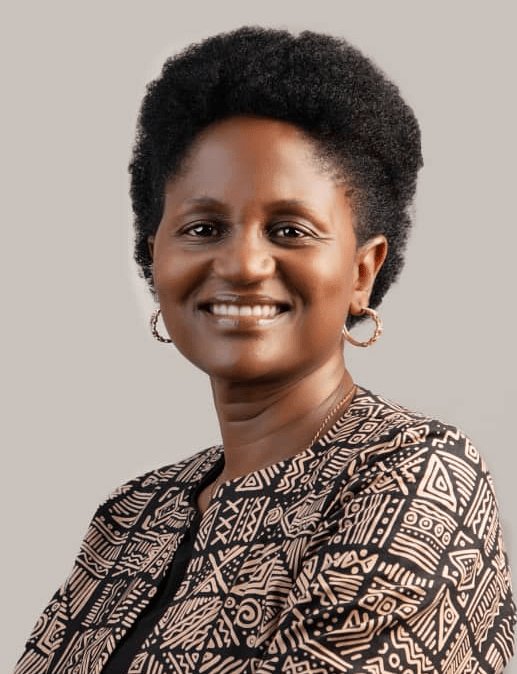
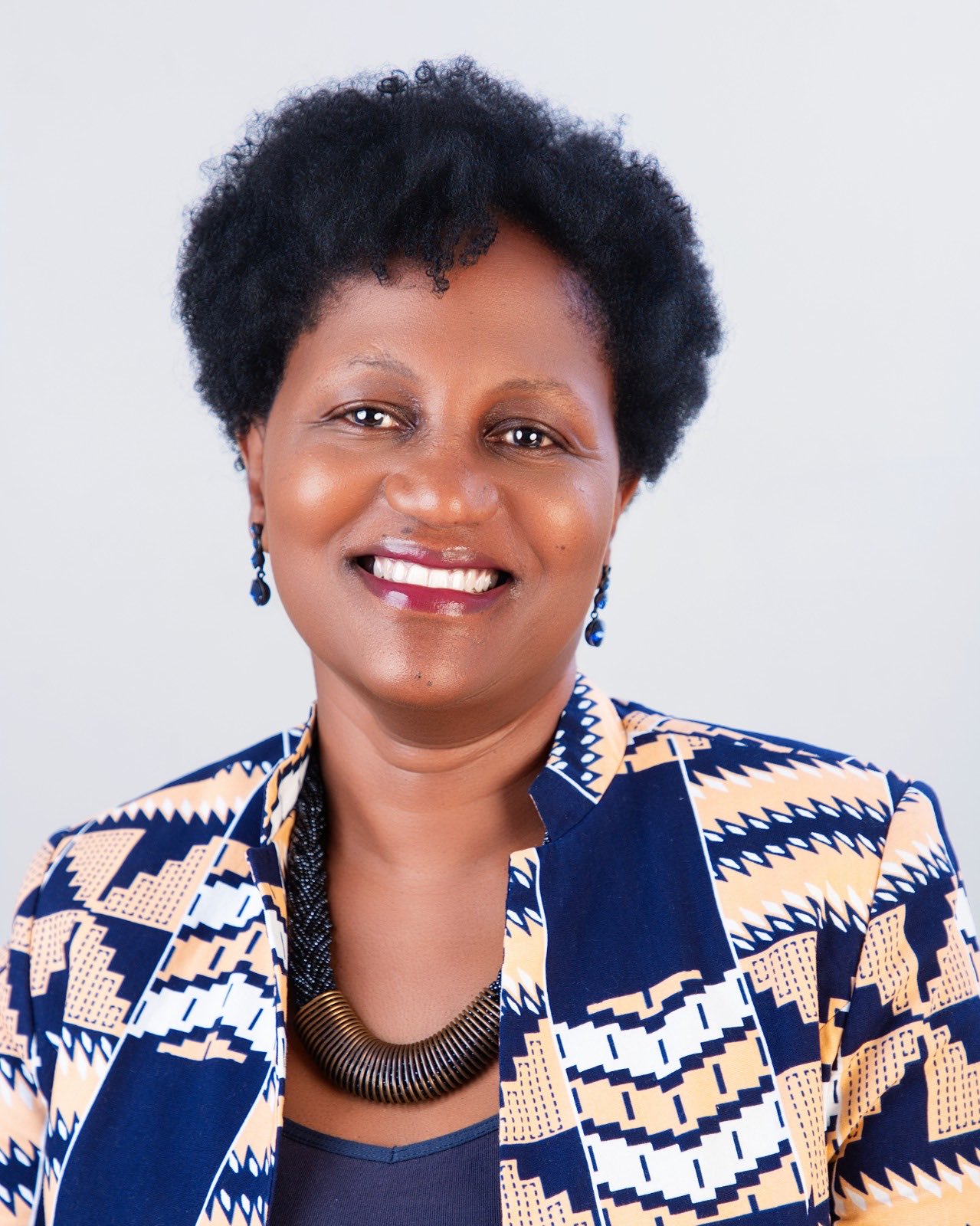
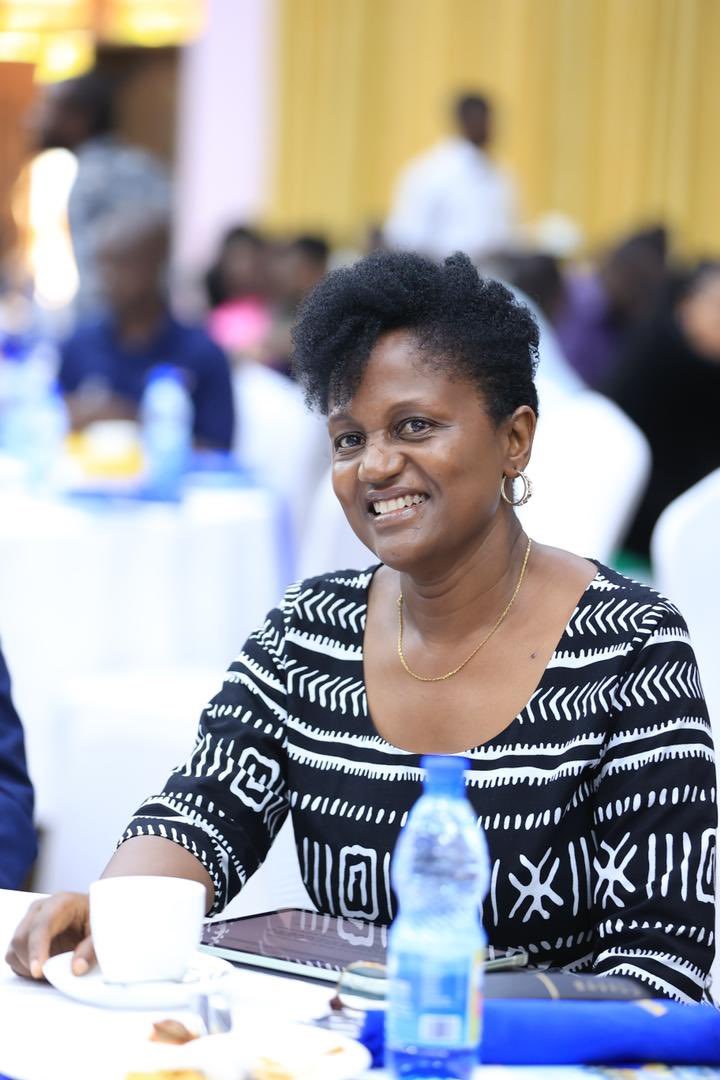
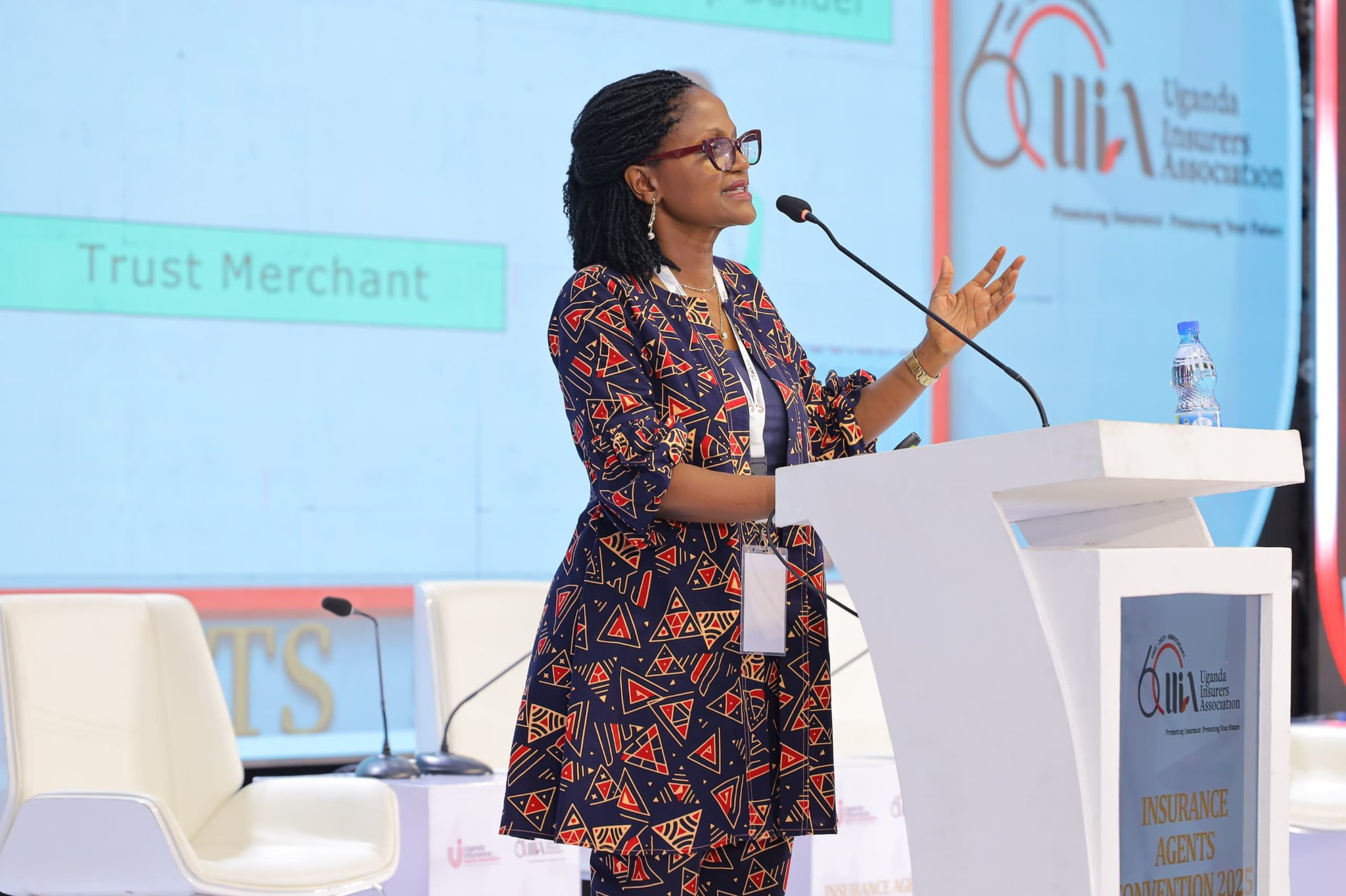
Susan Nsibirwa is an award-winning Ugandan marketing professional, corporate executive, and leadership consultant who currently serves as the first female Managing Director of Nation Media Group (NMG) Uganda. Appointed to the elite executive role on December 22, 2023, she formally assumed office in January 2024, taking over the reins from Tonny Glencross.
Born in Kampala into an influential lineage, she is the granddaughter of the historic former Katikkiro (Prime Minister) of Buganda, Martin Luther Nsibirwa. Over a career spanning more than 25 years, Nsibirwa has established herself as one of East Africa’s most prominent media and corporate strategy specialists, culminating in her recognition as the UMEAS 2025 Marketer of the Year.
Where did Susan Nsibirwa attain education?
Susan Nsibirwa began her formal education journey at Aunt Clare Kindergarten in Namirembe, before completing her Primary Leaving Examinations (PLE) at Kitante Primary School in Kampala. She then proceeded to Nabisunsa Girls Secondary School for her Ordinary Level (O-Level) studies and later attended Gayaza High School for her Advanced Level (A-Level) education.
Upon excelling in her high school finals, Nsibirwa was admitted to Makerere University, where she pursued a Bachelor of Arts in Mass Communication. While at Makerere, she was highly active in university sports, serving as the Hockey Captain for Mary Stuart Hall alongside swimming, playing squash, and basketball. Later in her executive career, she advanced her corporate credentials by obtaining a Master of Business Administration (MBA) from the University of Nicosia in Cyprus in 2017, and she is a certified associate professional member (MCIM) of the Chartered Institute of Marketing in the United Kingdom.
How did Susan Nsibirwa start her career in the media and marketing industries?
Susan Nsibirwa’s deep connection to independent media began in July 1992, when she worked as a young intern and writer at Monitor Publications Limited, contributing a leisure piece to the historic inaugural print edition of the Daily Monitor under the mentorship of co-founders Charles Onyango-Obbo and David Ouma Balikwiko. Shortly after graduation, she stepped into public diplomacy, serving as a Press Attaché at the French Embassy in Kampala from August 1992 to December 1994, where she managed media relations and institutional public relations.
Seeking greater creative challenges, Nsibirwa pivoted directly into mainstream commercial advertising and brand management. She joined Scanad Uganda as a Media Manager from 1995 to 1997, before moving to Saatchi & Saatchi as a Regional Account Manager between 1999 and 2002. Her rapid growth caught the attention of the booming telecommunications sector, leading to her appointment as the Advertising and Brand Manager for MTN Uganda from 2002 to 2005.
She briefly crossed into microfinance as the Head of Retail and Marketing at Commercial Microfinance Limited, before shifting to corporate banking as the Head of Marketing at DFCU Bank from November 2006 to May 2010.
What did Susan Nsibirwa achieve during her tenure at Vision Group?
In February 2011, Susan Nsibirwa made a major return to the multimedia industry by joining the state-aligned Vision Group as the Head of Marketing and Communications. Over a highly impactful eight-year tenure running until February 2019, she oversaw the commercial branding, advertising design, and public relations matrices for Uganda’s largest multimedia conglomerate, managing flagship assets such as the New Vision newspaper along with its extensive network of vernacular print editions, radio stations, and television channels.
During her time at Vision Group, Nsibirwa built deep operational knowledge of high-volume media monetization, corporate social responsibility programming, and regional audience engagement. Her leadership within the wider media ecosystem led to her election as the Chairperson of the Uganda Media Owners Association (UMOA) from November 2016 to December 2018.
Following her exit from Vision Group in 2019, she co-founded the full-service agency Urge Uganda and later served as the Managing Director of Ayiva Consulting Solutions, all while serving as a board member for the African Centre for Media Excellence (ACME) and Monitor Publications Limited.
What changes did Susan Nsibirwa implement upon returning to lead NMG Uganda?
Upon her historic appointment as Managing Director of NMG Uganda in January 2024, Susan Nsibirwa immediately launched an aggressive “digital-first” restructuring model across the group’s premium assets, including the Daily Monitor, NTV Uganda, Spark TV, 93.3 KFM, and 90.4 Dembe FM.
Recognizing the shifting market dynamics, she shifted the traditional corporate sales strategy, training editorial and commercial teams to prioritize digital-led campaigns that seamlessly extended into traditional print and broadcast slots for maximum audience reach.
Under her administrative direction, NMG Uganda accelerated its technological transition by setting ambitious digital revenue targets, centralizing newsroom operations, and investing heavily in audience data analytics.
A flagship achievement under her tenure was the rapid scaling of premium paywall subscription models, such as Monitor Prime, which registered a massive 115% monthly revenue growth and expanded the media house’s digital footprint. Concurrently, Nsibirwa stood out as a firm defender of editorial independence, publicly condemning legislative attempts to restrict media access at parliament in 2024 to preserve newsroom integrity.
Why did Managing Director Susan Nsibirwa clash with CDF Gen. Muhoozi Kainerugaba?
The severe friction between the Managing Director and the military high command erupted into a full-scale media blackout following high-octane coverage of political opposition events, notably the violent detention of Dr. Kizza Besigye and reports on security abductions.
On June 27, 2026, Chief of Defence Forces (CDF) Gen. Muhoozi Kainerugaba published sharp public statements on the social platform X, directly demanding the immediate shutdown of NTV Uganda and the Daily Monitor. Security forces subsequently raided and surrounded NMG’s Namuwongo and Serena installations on June 28, cutting off broadcasting feeds and halting physical printing lines.
According to sources familiar with the high-level negotiations, government representatives and security agencies accused Nsibirwa of using her personal social networks to aggressively criticize top state officials. Security handlers maintained that the veteran corporate executive was behaving more like a civil society activist than the chief executive of an objective, non-partisan media organization.
The state’s intelligence dossier further alleged that Nsibirwa had fostered a culture of advocacy among editors and newsroom staff, which authorities claimed led to a 97% negative reporting bias against the government and an exaggeration of legal infractions.
Is NMG planning to oust Susan Nsibirwa following the ChimpReports update?
According to a breaking investigative brief published by local news site ChimpReports, the board and senior shareholders of Nation Media Group are actively considering removing or reassigning Susan Nsibirwa as a direct concession to break the ongoing operational deadlock with the state. Three corporate sources with intimate knowledge of the SFC Entebbe deliberations revealed that NMG executives are drafting a revised management structure and a highly compliant editorial policy to secure a formal reopening clearance from President Yoweri Museveni.
The proposed realignments under discussion involve either reassigning Nsibirwa to a less influential administrative role within the regional East African network or terminating her contract altogether. As negotiations continue behind closed doors, NMG has also suspended its digital updates across all social handles to satisfy military directives.
The final resumption of Daily Monitor and NTV Uganda operations remains completely tied to these structural leadership changes, with the state demanding a complete replacement of flagged newsroom editors to guarantee what authorities term patriotic and objective reporting.