
Table of Contents
What Happened at the Gazaland UOX Youth Seminar on 28th March 2026?
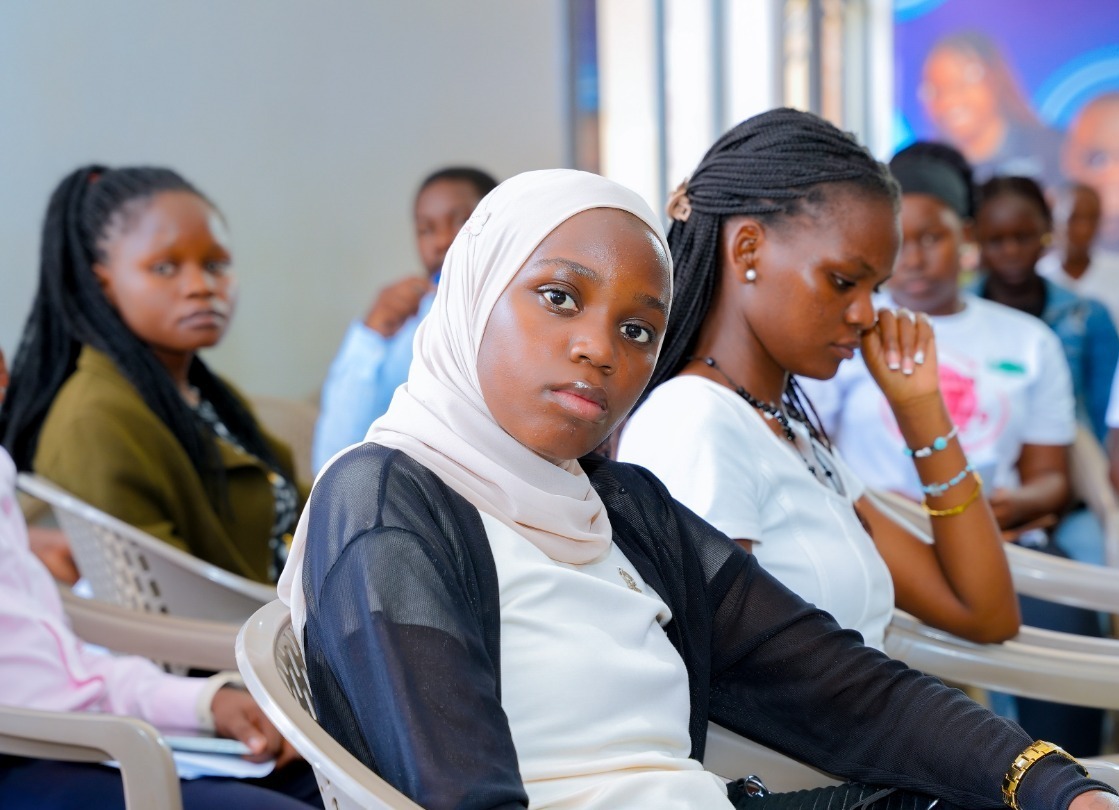
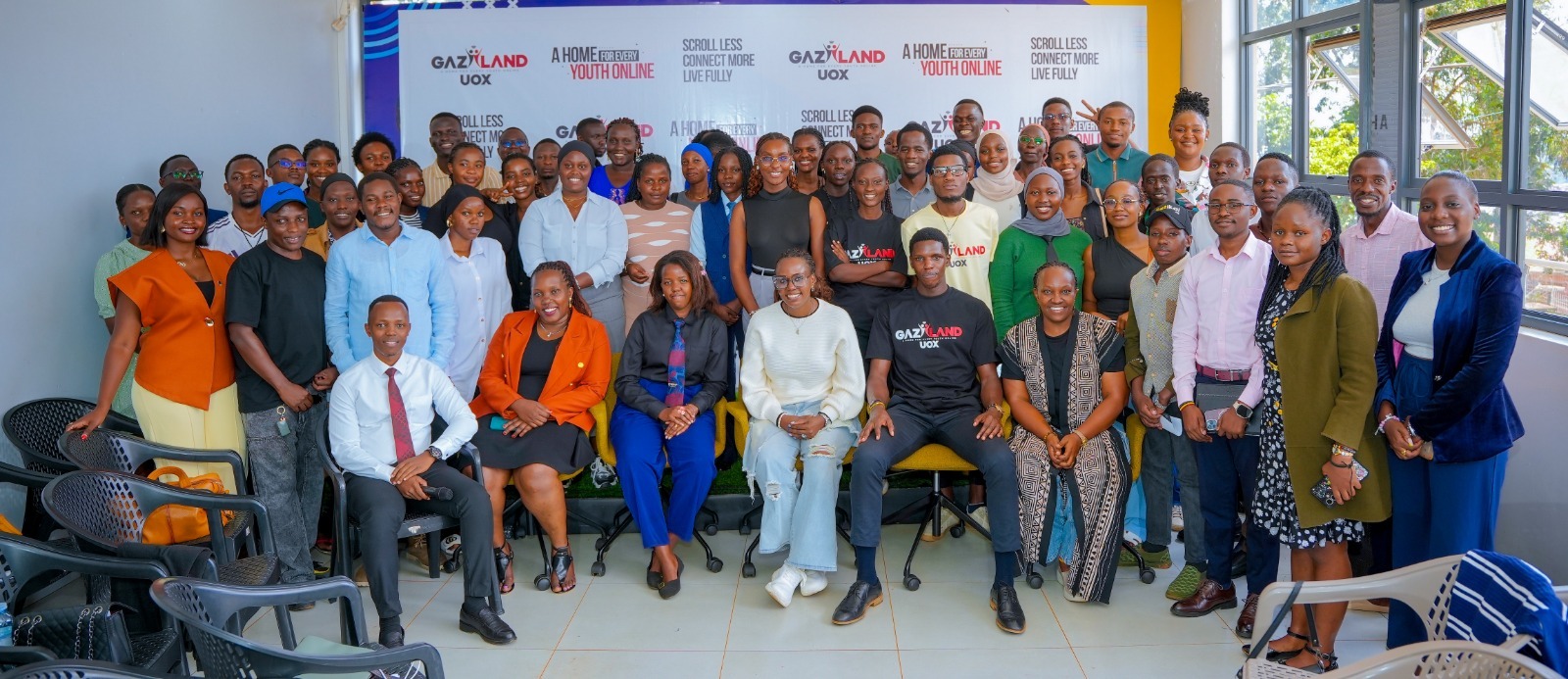
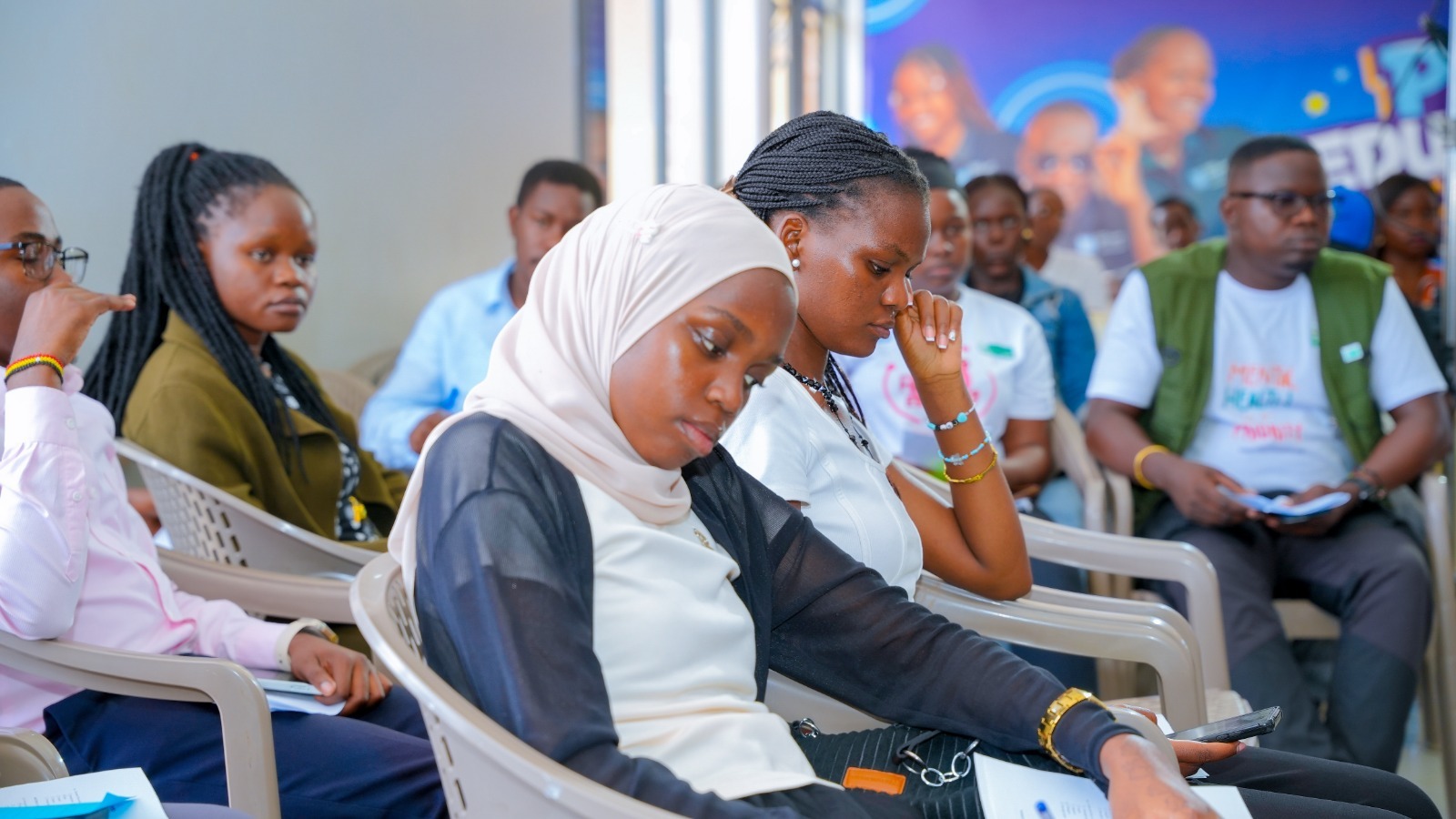
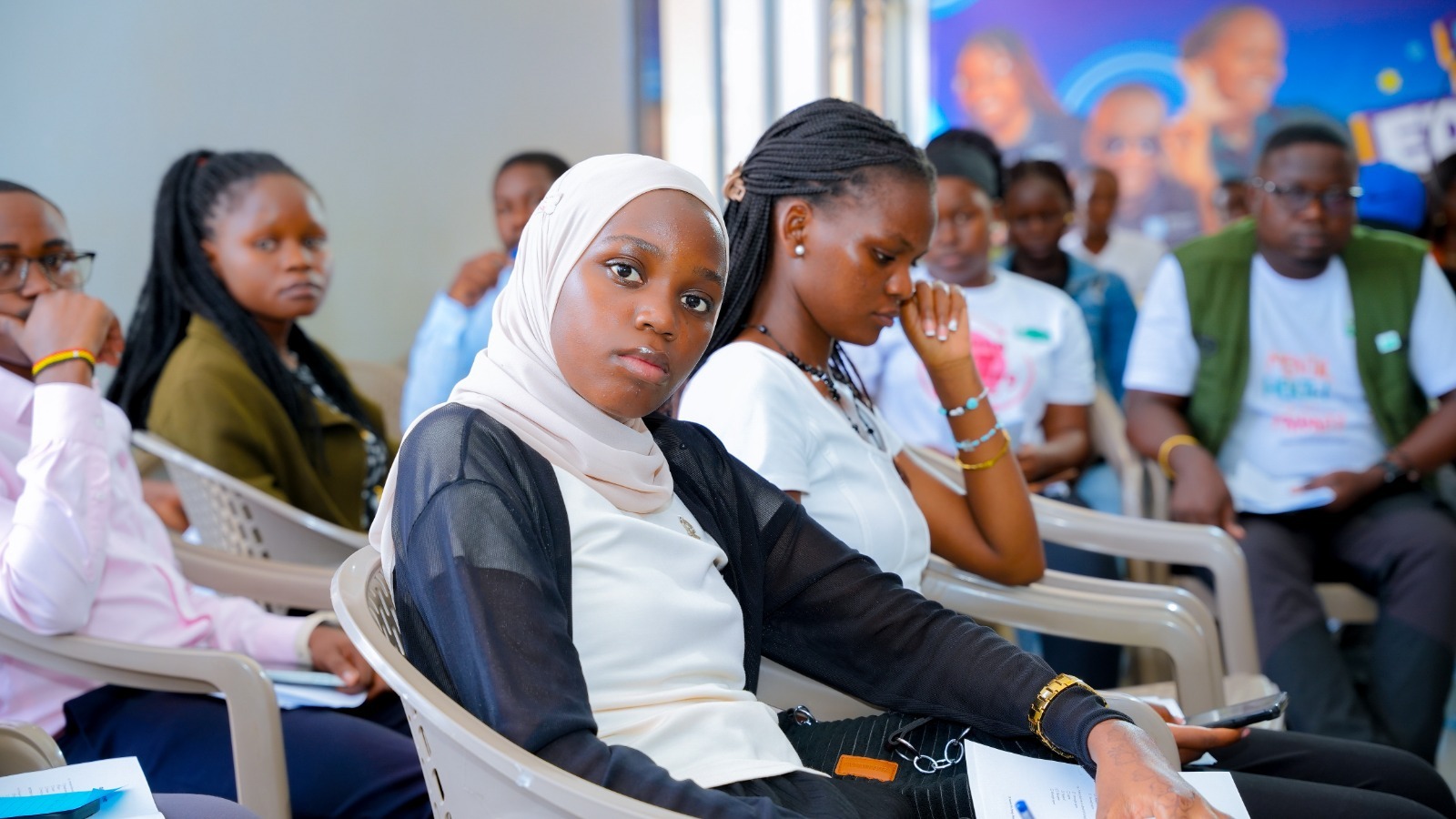
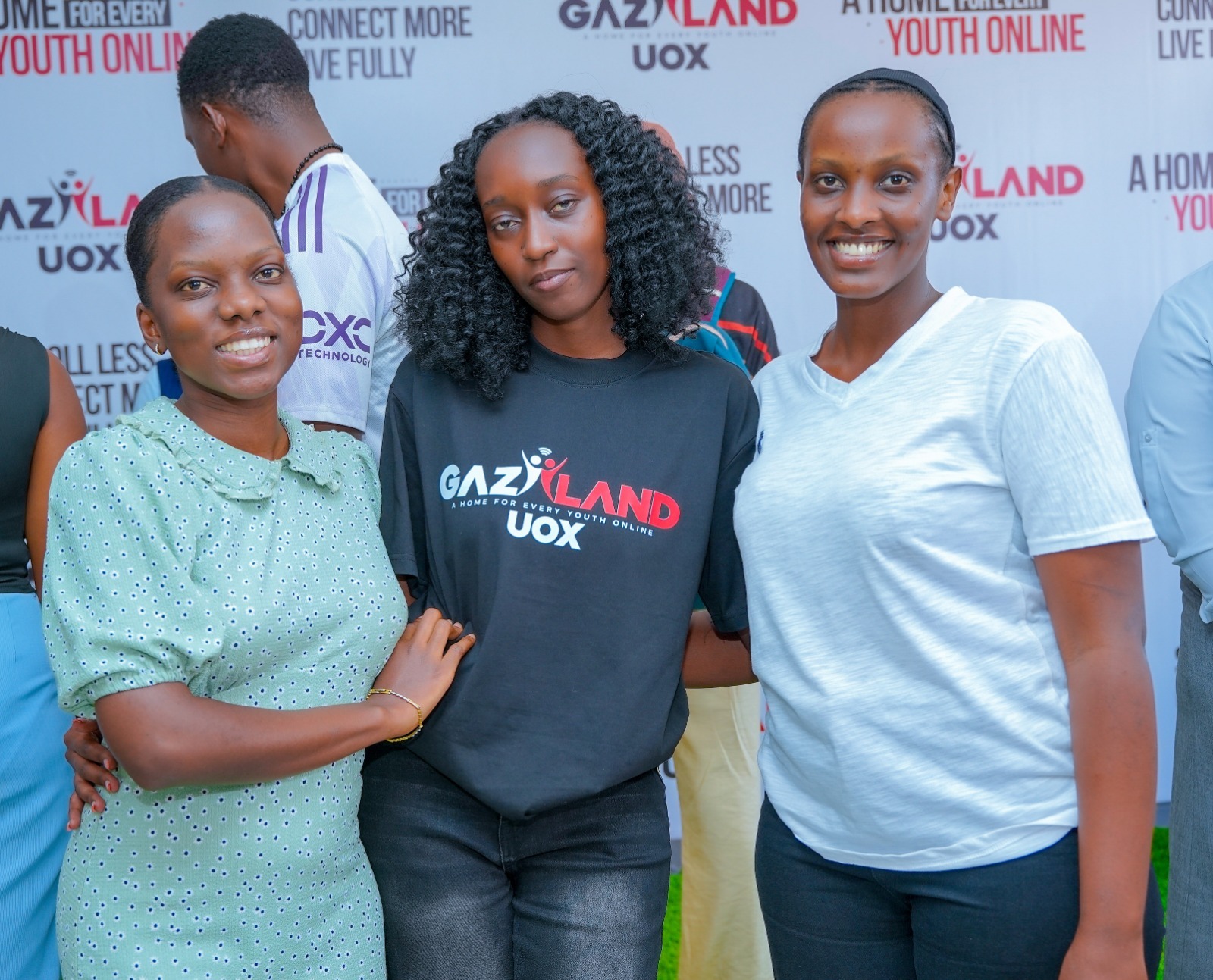
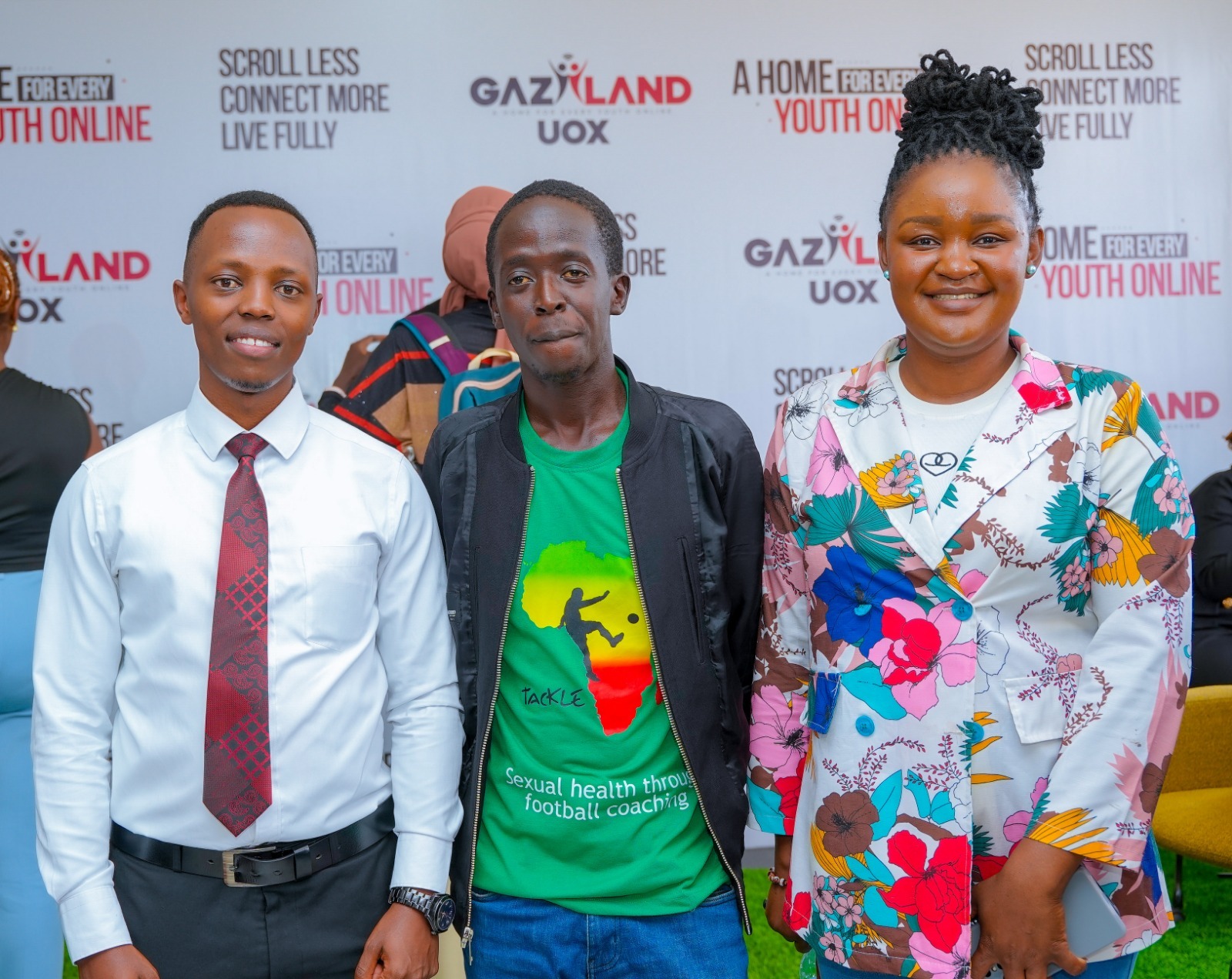
Lungujja, Kampala – On Saturday, 28th March 2026, the Reach A Hand Uganda (RAHU) headquarters along Kalema Road came alive with purpose. Sixty-seven young people—35 females and 32 males—gathered for the Gazaland UOX Youth Leadership and Mental Health Awareness Seminar. They arrived carrying common struggles many Ugandan youth face today: social anxiety, low confidence, digital pressure from social media, and difficulty forming genuine real-life connections.

This wasn’t a typical talk shop. It was a hands-on, transformative experience designed to move participants from passive scrolling to active, confident living. Gazaland UOX, a sports-driven charity organisation founded in 2024 that runs Uganda’s first social-media-born football league, partnered with RAHU to create this space. The goal was clear: help youth turn online energy into meaningful offline relationships and personal growth.




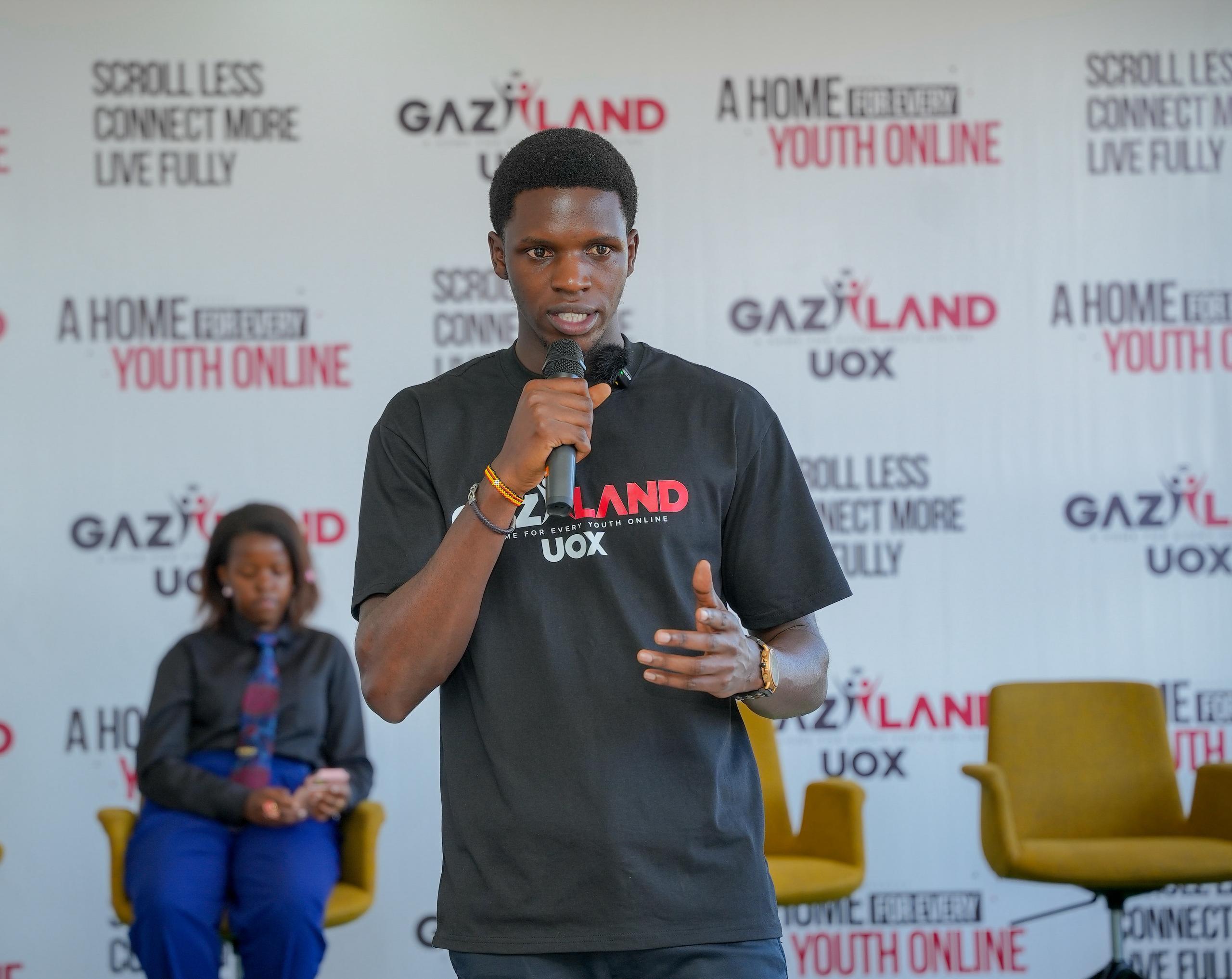
What Did Keith Namukangula, CEO of Gazaland UOX, Say in His Opening Speech?
Keith Namukangula, the passionate CEO and founder of Gazaland UOX, set the tone with a heartfelt and direct address that resonated deeply with the room.
“Good morning everyone,” he began, pausing to make eye contact across the space. “It’s truly an honor to stand here today—and even more powerful to see a room full of youth who chose growth over comfort. I want to give special thanks to Humphrey Nabimanya, the CEO of Reach A Hand Uganda for the Impact Forge Program which has enabled us to utilize this space for our event.”
He went on to highlight a painful paradox of our time: “We are the most connected generation in history… but many of us are struggling to connect in real life. We can post, like, and comment effortlessly—but starting a real conversation? That feels hard.”
Keith explained that Gazaland UOX exists to solve this gap. The organisation is building more than events—it is creating a “home” where youth develop confidence, build authentic relationships, and become their best selves both online and offline. He warned that without meaningful connections, society risks raising a generation that is visible online but invisible in real life.
His message built to a strong vision: raising youth who are confident enough to speak, bold enough to connect, and strong enough to lead. He shared powerful reminders like “Confidence is not ‘they will like me.’ Confidence is ‘I’ll be fine if they don’t.’” and “Your network is your net worth.”
Keith closed by giving three practical takeaways:
- Build your confidence intentionally—start before you feel ready.
- Start conversations—one simple “hello” can change your life.
- Make real connections, not just collect contacts.
He thanked RAHU’s leadership and staff, his Gazaland UOX team, and every participant for showing up. “You are not here by accident,” he said warmly. “You are here because there is more in you. And today could be the day you decide to unlock it.”







How Did Pamela Natasha Bugembe Address Mental Health Challenges Among Youth?
Pamela Natasha Bugembe, a dedicated mental health advocate, counsellor, and educationalist known for her work on Africanising mental health care, led an honest and practical session on mental health in the digital age.
She spoke directly to the realities many participants face: constant comparison on social media quietly eroding self-worth, cyberbullying that goes beyond “online drama” to create real emotional pain, and the exhausting pressure to appear perfect, which fuels anxiety and hidden depression.
Rather than stopping at the problems, Pamela equipped the youth with actionable solutions. She guided them on building awareness of their digital habits, setting healthy boundaries with social media, separating their true identity from online validation, and intentionally prioritising real-life interactions.
For many in the room, this was the first time someone clearly explained why they felt drained or anxious—and more importantly, what they could actively do about it.
How Did Penelope Sanyu Help Youth Overcome Social Awkwardness and Build Connections?
Penelope Sanyu—a lawyer, author, policy analyst, founder of Femme Forte Uganda, and transformative leadership coach—completely changed the room’s energy with her interactive approach.
Using simple games and engagement exercises, she showed how tension among strangers can dissolve quickly. Participants who entered quiet and reserved soon found themselves laughing, opening up, and naturally starting conversations.
Her core message was empowering: connection doesn’t have to feel forced. It can be created through shared experiences and playful activities. She gave practical tools for those who often wonder, “What do I even say?”—encouraging them to begin with common ground. By the end of her session, shy youth had become active participants, proving that real bonds can form in minutes when guided well.
What Did Jacqueline Asiimwe Teach About Leadership for Ordinary Youth?
Jacqueline Asiimwe (also known as Asiimwe Jacqueline), CEO of CivSource Africa, feminist lawyer, social justice activist, and professional leadership coach, brought leadership down from an abstract idea to something every young person can practice daily.
She challenged the common belief that leadership requires a big title or special qualifications. Instead, she defined it as:
- The courage to speak up
- The willingness to take initiative
- The ability to influence others positively, even in small everyday spaces
Many youth struggle with feeling “not good enough” or unqualified. Jacqueline addressed this head-on, showing that true leadership starts with self-belief and grows through consistent action rather than waiting for perfection. Her session sparked a deeper sense of personal responsibility and purpose among participants.
How Did Don Patrick Bugingo Make Building Confidence Practical and Relatable?
Don Patrick Bugingo, strategic leader, Managing Director of Aloesha Organic Natural Health Products, and someone who has shared inspiring stories of resilience in family business and leadership, delivered one of the most actionable sessions of the day.
He spoke straight to the fears many youth carry: fear of judgment, overthinking every interaction, and struggling to express themselves clearly.
Drawing from his own journey, Don emphasised that confidence isn’t something you wait to feel—it is built through consistency, repeated exposure, and taking action even when uncomfortable. He broke it down into tangible elements: how you speak, how you carry yourself, and how you engage with others. Participants left his talk not only motivated but with clear steps they could start using immediately.
What Role Did Peace Awori Play in Making the Seminar Personal and Safe?
Peace Awori, a community psychologist and passionate youth mentor focused on child and community care, played a vital grounding role throughout the day.
She created a warm, non-judgmental space where participants felt truly heard, understood, and safe to express themselves. Her presence helped bridge the gap between the powerful talks and personal reflection. For many young people, this mentorship element turned intellectual lessons into deeply felt personal insights.
What Was the Real Impact of the Gazaland UOX Seminar on the 67 Participants?
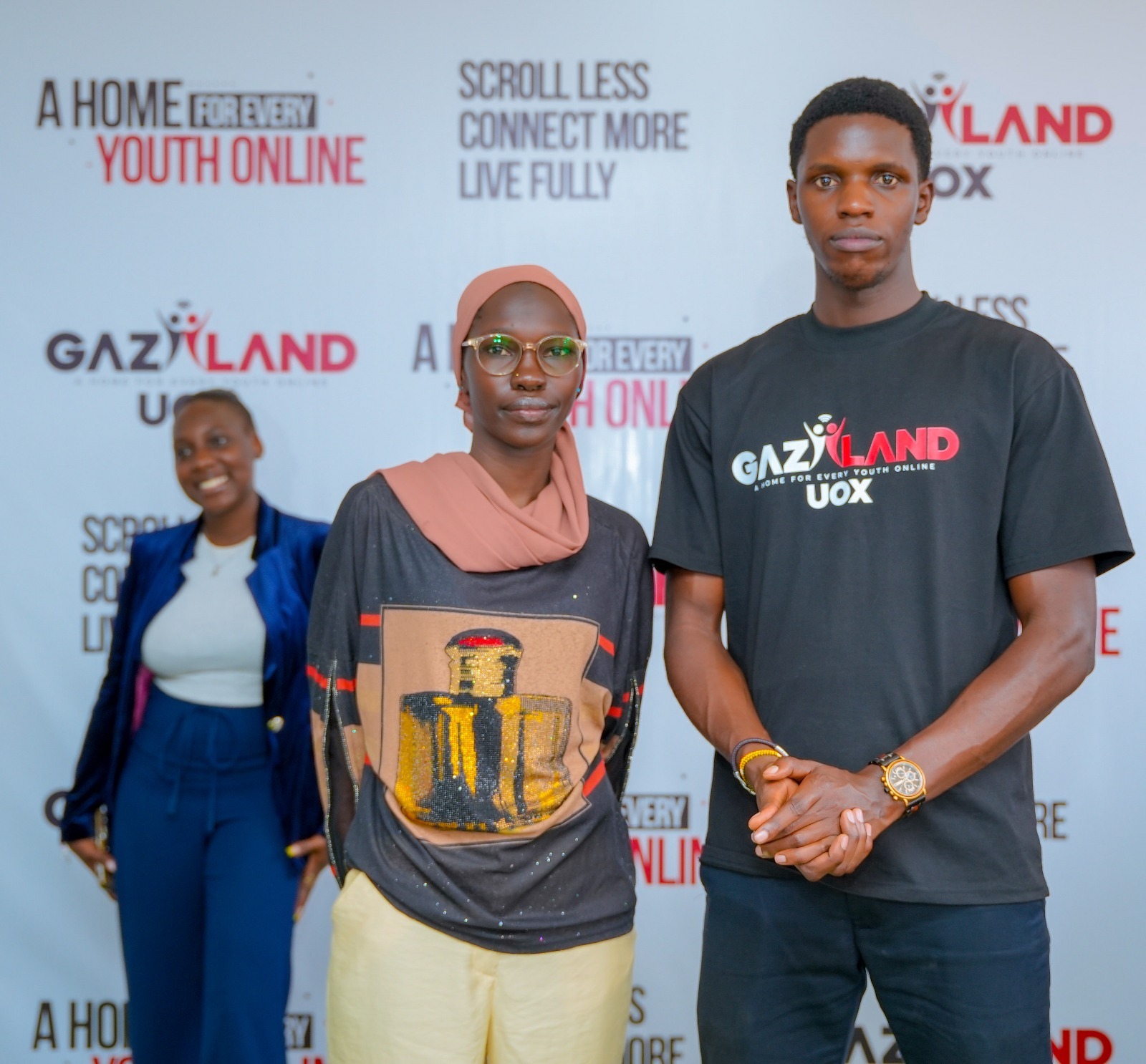
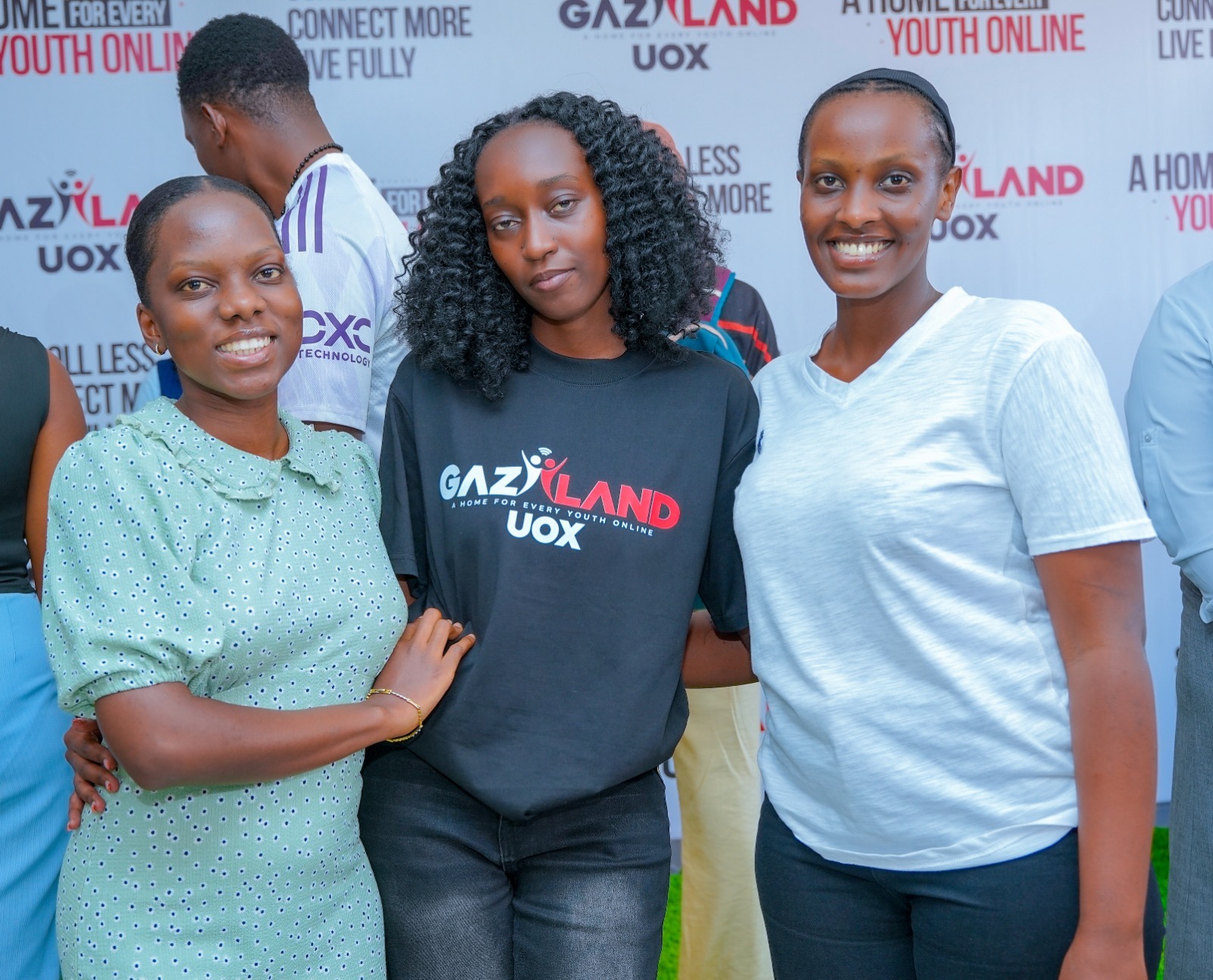
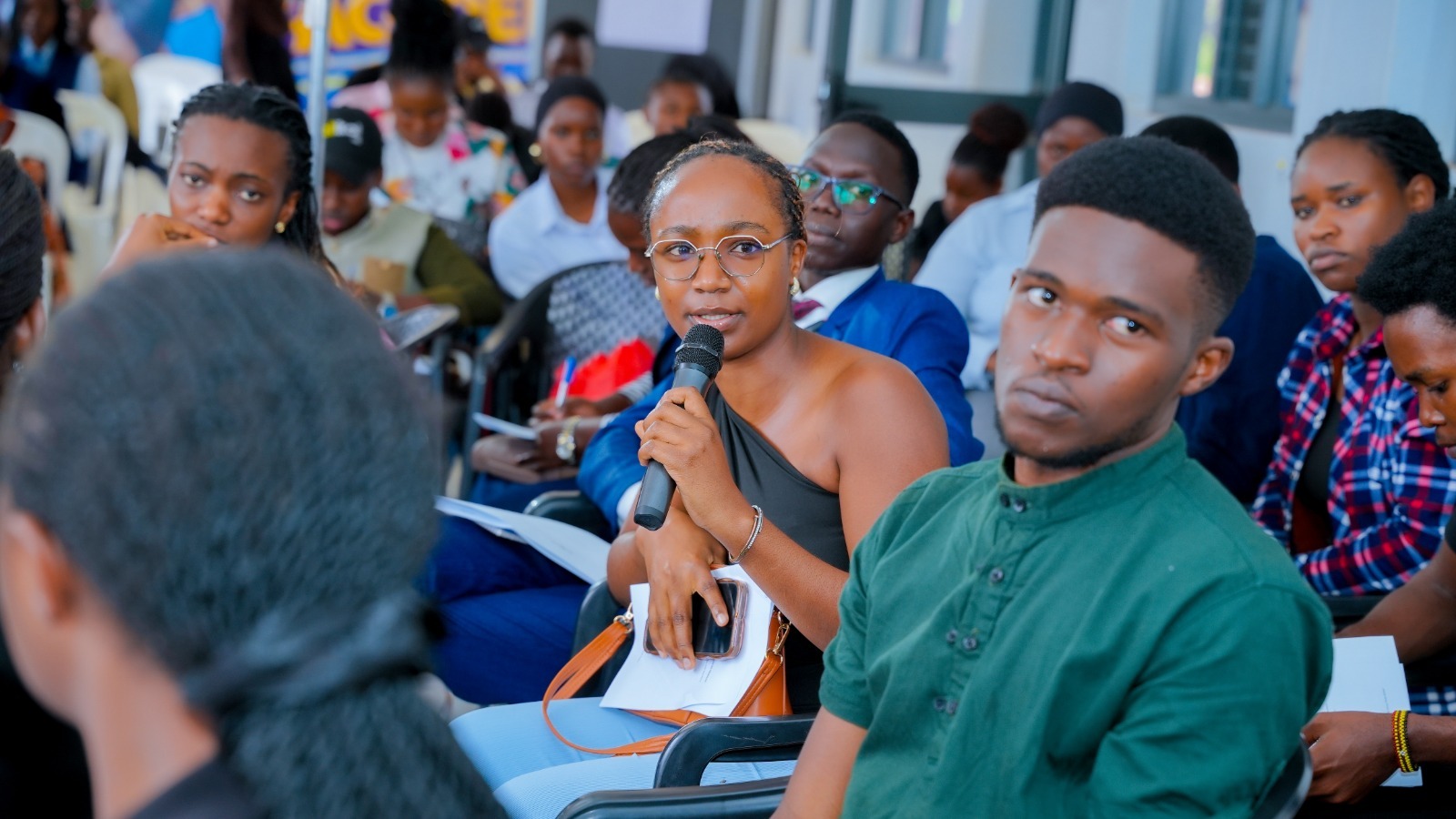
By the end of the seminar, the change in the room was unmistakable. Conversations flowed naturally. Strangers had become friends. Confidence levels rose visibly. Youth who arrived reserved were now asking questions, sharing ideas, and engaging openly.
The event directly tackled major challenges facing Ugandan youth today: difficulty starting conversations, fear of social interaction, low self-doubt, social media addiction, and mental health struggles worsened by cyberbullying.
This was transformation in action—not just listening, but real shifts in mindset and behaviour.
Why Does This Seminar Matter for Youth in Uganda Today?
In a country where youth face pressures from unemployment, digital overload, and mental health challenges, initiatives like the Gazaland UOX seminar offer something urgently needed: practical tools, safe spaces, and community support to build confidence and real connections.
Gazaland UOX is not just organising events. Through sports, mentorship, buddy groups, and workshops like this one, they are nurturing a generation ready to speak up, connect meaningfully, and lead—both online and, more importantly, offline.
As the 67 participants left the RAHU compound that afternoon, many carried lighter hearts and clearer next steps. Phones stayed in pockets a little longer because the real conversations had already started.
For Kampala’s young people—and beyond—this event proved that moving from screens to real life is not only possible, but powerful. And according to Gazaland UOX, this is just the beginning of a much larger movement.
If you are a young person struggling with confidence, social anxiety, or feeling lost between your online and offline worlds, events like this show that help and community are available. Watch out for more from Gazaland UOX in 2026.