
Table of Contents
GROWING OLDER | The most demanding, overlooked stage of human life is neither childhood nor early career building. It is the quarter-century spanning from age 60 to 85.
No formal school curriculum prepares young adults for this transition, and no textbook warns them. Yet, as the Oracles in Kifuuta and the elders in Lusakalwamese observe, the arrival of old age does not occur through a single dramatic crisis. It arrives quietly, like evening—marked by small daily shifts where everyday existence gradually feels heavier.
These 25 years should not serve as a gloomy waiting room for death. Instead, when planned with deliberate purpose, they can become a period of profound peace, spiritual fulfillment, and vibrant vitality—a true “Heaven on top of Heaven.”
Why is the growing older from 60 to 85 the most critical stage of human life?
Reaching 60 years of age marks a fundamental shift in how the human body interacts with the physical world.
Getting out of an armchair takes a few seconds longer, climbing the hills in Kalisizo requires a brief pause, and a light grocery bag from the market begins to feel as heavy as a sack of posho. While a person’s mind and internal spirit may still feel 30 years old, the joints and knees begin telling a very different story.
This physical deceleration often touches personal pride. However, slowing down physically does not equate to surrendering to physical decline.
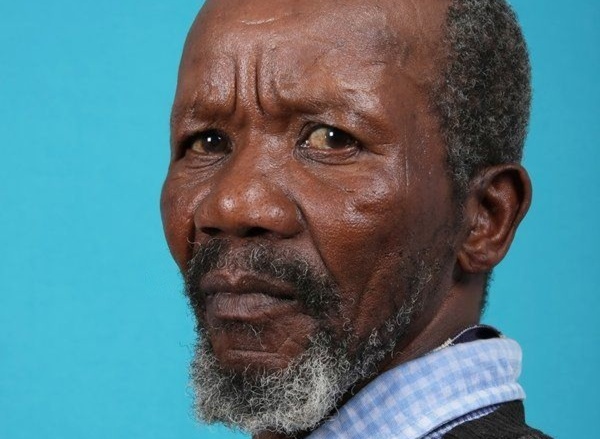
Purposeful Physical Action Plan
- Daily Compound Walks: Walk for 30 minutes every morning around the home compound, not to race or compete, but to greet the sunrise and stimulate circulation.
- Gentle Evening Stretching: Perform light flexibility stretches before bed to maintain joint mobility and ease morning stiffness.
- Backyard Gardening: Cultivate a small vegetable patch with sukuma wiki, tomatoes, or spinach. Gardening forces the body to bend, reach, and nurture living things.
- Hydration Management: Keep a dedicated water vessel nearby at all times, as age-related dehydration frequently causes dizziness, disorientation, and joint pain.
Movement acts as natural medicine. The moment an elder stops moving, physical stiffness and rust take over.
How can older adults combat shrinking social circles and loneliness?
As decades pass, an elder’s social circle inevitably contracts—a reality that impacts emotional health far more deeply than physical aches.
Friends relocate to distant villages, peers fall ill, and spouses pass away. Children become consumed by career and family demands across Kampala, Kyotera, or abroad. On a quiet afternoon, an elder may realize the telephone has not rung all day.
The fatal mistake many aging individuals make is waiting passively for others to initiate contact. Overcoming isolation requires an active search for human connection.
To combat social isolation, elders must adopt proactive connection habits:
- The Sunday Calling Rule: Select two old friends or relatives every Sunday and make a brief 5-minute phone call simply to inquire about their health and blood pressure.
- Community Integration: Join local social structures, such as a church choir, mosque committee, or an informal morning elders group meeting beneath a shade tree.
- Intergenerational Knowledge Transfer: Teach practical skills—such as repairing household tools, preparing traditional dishes, or weaving—to grandchildren, creating immediate purpose and connection.
Prolonged loneliness degrades physical health faster than chronic sugar consumption. A single meaningful conversation can sustain an elder’s mental health for an entire week.
How do elders redefine independence and process grief with dignity?
For 40 years, an individual serves as the primary provider—carrying bags, driving vehicles, paying school fees, and solving family crises. When an adult child offers assistance, the instinctive reaction is often defensiveness.
However, accepting physical assistance is not a mark of helplessness; it is a sign of wisdom. Real independence consists of conserving energy for activities that truly matter.
Allowing a daughter to carry a heavy load of grain preserves physical energy to share oral histories of ancestors like Jjaajja Muguluma, Petero Wakulanume, Livingstone Naidoo, and Jjaajja Tekera Digida in the evening. Accepting a motorcycle ride, wearing reading glasses, or leaning on a walking stick—which elders refer to as a “third leg”—preserves dignity and prevents fall injuries.
Grief must also be managed with intentionality. By age 70, most individuals have buried lifelong companions. Missing a departed loved one does not require an individual to stop living.
Elders should speak the names of deceased loved ones openly, establish calm memorial rituals (such as lighting a Friday candle or making scheduled monthly grave visits), and actively create new memories. The people we loved represent an important chapter of our story, not the entire book.
What is a daily purpose menu for active retirement in Uganda?
After formal retirement, when children leave the family home in Kifuuta and the compound grows quiet, many elders experience depression because they assume purpose must be grand or political.
Purpose can be modest, daily, and deeply local.
Planting fruit trees—such as mangoes, oranges, avocados, or jackfruit—creates a tangible legacy. In five years, an elder can sit beneath their shade while grandchildren enjoy the harvest.
| Day of the Week | Scheduled Purpose Activity | Focus & Benefit |
| Monday | Call grandchildren and offer blessings/prayers. | Strengthens family ties across generations. |
| Tuesday | Tend to the orchard or backyard garden. | Light physical activity and outdoor sun exposure. |
| Wednesday | Visit a neighbor or friend who is ailing. | Fosters community solidarity and empathy. |
| Thursday | Record clan history or tell stories to youth. | Preserves cultural lineage and oral history. |
| Friday | Visit the local trading center to socialize. | Light social interaction and mental stimulation. |
| Saturday | Rest, listen to radio broadcasts, and relax. | Physical recovery and mental rest. |
| Sunday | Attend religious service and greet three peers. | Spiritual grounding and social connection. |
What is the recommended music prescription for mental and physical vitality?
One of the most widespread errors made by individuals between 60 and 85 is tuning their radios exclusively to slow, mournful, death-centric music all day.
Continuous exposure to funeral-style gospel or songs focused entirely on mortality generates subconscious fear, isolation, and sadness. It signals the mind to prepare for death, and the body follows. While morning and evening prayers remain essential, music during the day should serve as a reminder that life is still active.
The Recommended Daily Music Schedule
- Morning (6:00 AM – 10:00 AM) — Physical Activation: Play energetic Amapiano (Uncle Waffles, Kabza De Small, Focalistic) or vibrant Afrobeat (Burna Boy, Diamond Platnumz, David Lutalo, Hassan Nduga, Misocheck Ssemakula, Walukagga, Azawi). The log drums encourage rhythmic shoulder and leg movement during morning tea, doubling as gentle physical exercise.
- Afternoon (12:00 PM – 4:00 PM) — Emotional Balance: Play classic Congolese Rumba and Lingala (Franco, Koffi Olomide, Fally Ipupa) or uplifting Reggae (Lucky Dube, Bob Marley). Rumba evokes fond memories of youth and romance without dwelling on death, while Reggae delivers steady, reassuring rhythms that help maintain calm blood pressure.
- Evening (6:00 PM – 8:00 PM) — Family Connection: Listen to contemporary hits alongside grandchildren. Engaging in light dance attempts with young family members generates shared laughter, which significantly reduces stress hormones and boosts mental well-being.
Growing older successfully is not about clinging desperately to the past. It is about maintaining a youthful, adaptable mind while drawing upon a lifetime of ancient wisdom.
By establishing structured daily routines, engaging in light physical movement, maintaining active social connections, and filling the home with vibrant music, the years between 60 and 85 can truly become a person’s Heaven on Earth.