
Table of Contents
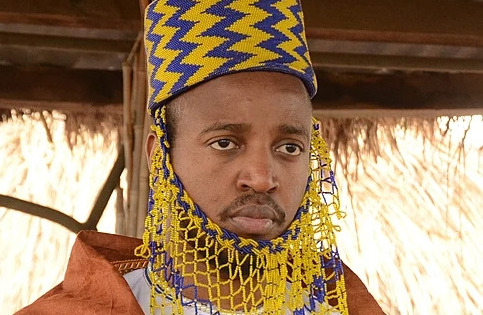
FORT PORTAL / KAMPALA, UGANDA — As a military helicopter carrying the mortal remains of His Majesty Omukama Oyo Nyimba Kabamba Iguru Rukidi IV touched down in Kyegegwa en route to Karuziika Palace in Fort Portal, a heavy, silent wave of grief swept across the Rwenzori region and the entire nation of Uganda.
Thirty-one years after ascending the throne as a three-year-old toddler in 1995, the 34-year-old monarch’s journey on earth came to an end following specialized medical treatment in Texas, United States.
In a deeply moving cultural reflection, the Oracle from Kifuuta—Mbaaga Mbazzi—has penned a poignant eulogy celebrating King Oyo’s reign, reflecting on his passing at the “age of Christ,” condemning the lack of empathy on social media, and offering spiritual comfort to Queen Mother Best Kemigisha.
“Goodbye, Omukama Oyo. Your demise came on social media — just like your crowning did,” the Oracle of Kifuuta writes. “When you were installed at 3 years old in 1995, we heard it on radio and ran barefoot to see the little boy drowning in a big crown, playing with a toy. Now, 31 years later, we heard it again on our phones at 10 PM. I closed my eyes, I closed my ears, and I still heard it — that familiar, cold wave of death that we have heard since the Batembuzi.”
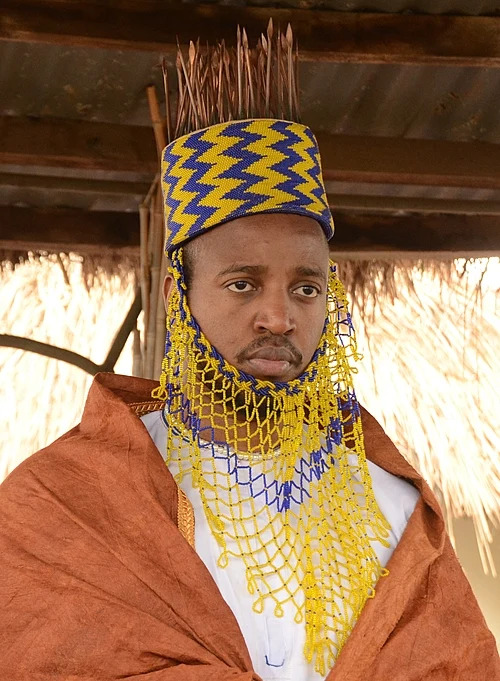
Why is King Oyo death at age 34 compared to historic figures like Jesus and Kasagama?
The passing of King Oyo at age 34 places him within a rare, solemn lineage of global leaders and historical monarchs whose lives were cut short at the peak of their youth and promise.
Across world history and sacred traditions, thirty-four is a number associated with chosen leaders who accomplished monumental historical burdens within brief lifespans:
- Jesus Christ (Died at Age 33): Passed away at the dawn of his public ministry, leaving behind a universal legacy of unconditional love and redemption.
- Alexander the Great (Died at Age 32): Conquered the known ancient world from Greece to India before passing away in Babylon, leaving a vast empire built in a brief lifespan.
- King Tutankhamun (Died at Age 19): Ascended the Egyptian throne as a child pharaoh, leaving behind a golden legacy that fascinated world archaeology for millennia.
- Omukama Kasagama Kyebambe IV (Died December 1928): The historic King of Tooro who passed away suddenly in December 1928 while awaiting his ally, Kabaka Daudi Chwa of Buganda. Like King Oyo, Kasagama’s body was carried home in grief from Mwenge to Fort Portal as subjects lined the roads in tears.
| Historic Leader / Monarch | Kingdom / Realm | Age at Death | Historical Parallel & Legacy |
| Jesus Christ | Nazareth / Global | 33 Years | Passed away at the beginning of his global ministry of love. |
| Alexander the Great | Macedonian Empire | 32 Years | Conquered the ancient world before his short life ended in Babylon. |
| King Tutankhamun | Ancient Egypt | 19 Years | Crowned as a boy pharaoh; left a golden historical mystery. |
| Omukama Kasagama Kyebambe IV | Tooro Kingdom | 46 Years (Dec 1928) | Passed away suddenly; carried home from Mwenge amidst national tears. |
| Omukama Oyo Rukidi IV | Tooro Kingdom | 34 Years (Aug 2026) | World’s youngest king in 1995; led 31-year reign of humility and service. |
“You have gone at the age of Jesus Christ — 34,” the reflection notes. “The heavens keep this number for the chosen ones. It is not an ordinary number. You are in that lineage now: the lineage of Kings who were too bright for this earth to hold for long.”
How did King Oyo transform Tooro Kingdom from a toddler king to a humble leader?
When Prince Oyo Nyimba was crowned on September 12, 1995, following the sudden death of his father, Omukama Patrick David Matthew Kaboyo Olimi III, Tooro Kingdom was recovering from decades of political abolition and institutional fragility.
As a toddler earning a place in the Guinness Book of World Records as the youngest monarch on Earth, King Oyo became a unifying symbol for a realm in mourning.
Over his 31-year reign, King Oyo evolved from a child playing with toys under a oversized crown into a modern, quiet leader who prioritized substance over showmanship:
- Youth HIV/AIDS Advocacy: Served as a global ambassador for UNAIDS, advocating for reproductive health, HIV prevention, and youth empowerment across East Africa.
- Education and Agricultural Development: Championed technical vocational education, university scholarships, and modern farming initiatives across the Rwenzori sub-region.
- Leadership Through Humility: Governed without arrogance, earning the affection of his subjects across Fort Portal, Kyenjojo, Kyegegwa, Kamwenge, and Bunyangabu.
The depth of grief felt across Tooro was captured by Irene Nalubula, a resident of Kyegegwa who joined thousands along the highway as the helicopter carrying the King’s casket landed:
“I could not believe until I saw the casket,” Irene Nalubula shared through tears. “It is as if we are still dreaming.”
Reflecting on his character, the Oracle of Kifuuta noted: “You came when Tooro needed a symbol — a baby King to hold a broken kingdom together. You stayed when times were hard. You grew into a King who did not shout, who championed schools, who told the youth to stay away from HIV, who carried Tooro on your back with humility, not pride. True Kingship is not shouting; it is serving.”
What is the meaning of Obuntu and why are social media critics being condemned?
A central theme of the tribute addresses the disturbing breakdown of traditional empathy—Obuntu or Obuntubulamu—across digital platforms during King Oyo’s hospitalization in the United States.
While the monarch was battling severe illness in Texas, commentary across social media platforms degenerated into intrusive speculation regarding his private life, health details, and royal succession.
The reflection sharply contrasts this digital callousness with the sacred, respectful silence required by African cultural tradition when a leader is unwell:
“Now the doors are left open, and the propaganda yappers, the writers of the devil sleeping in social media, are mixing ignorance outside wisdom,” the Oracle of Kifuuta observes. “They wrote about your private life when you were fighting for life in America. They forgot Obuntu — Obuntubulamu. But the gods remember.”
Invoking ancient Tooro and Bacwezi mythology, the commentary entrusts King Oyo’s soul to the sacred realm of royal ancestors:
“Let all the gods of Kifuuta and the great gods of the Batembuzi and Bacwezi carry you. Let Isaza, Ndahura, and Wamara welcome you. Let Rukidi Mpuga, the first of our line, give you a stool in the dark white house of Kings.”
What message of comfort was delivered to Queen Mother Best Kemigisha?
The commentary closes with a message of spiritual comfort to Queen Mother Best Kemigisha, who carried the burden of raising a child king while managing kingdom regencies and public scrutiny.
Having held King Oyo at age 3 during his coronation, guided him through adolescence at 13, and advised him as an adult monarch at 33, Queen Mother Best Kemigisha remains the matriarch of Tooro’s modern restoration.
“To Maama Best Kemigisha — the Queen Mother — the yoke is big,” the reflection concludes. “You held him at 3, you guided him at 13, you advised him at 33. Now he has only gone to prepare for you a place forever in the palace of eternity. Our Oyo Nyimba is not dead; he is just sleeping, to meet us one day in the dark white house of Kings where all the Babiito, Kings, and Queens rest.”
“Goodbye, Omukama. Though your time on earth is done, as long as one Mukonjo, Muganda, Musoga, and Mufumbira in the mountains, one Mutooro child in Fort Portal speaks your name, you will never really be gone. Sleep well, King Oyo. Sleep well.”