
Table of Contents
KAMPALA / KYOTERA, UGANDA — Across the green hills of Kifuuta, Kafuluma, and Kiterede in Kyotera District, a quiet, melancholic wind blows through the valleys of Buddu for Dolly Parton.
In a poetic reflection connecting global country music heritage with deep Ugandan grassroots storytelling, the cultural voice and thinker known as the Oracle of Kifuuta—Mbaaga Mbazzi—has released a soul-stirring tribute to global icon Dolly Rebecca Parton.
Titled “For Dolly — The Queen the Opry Lost, but Heaven Gained,” the piece bridges the distance between the Smoky Mountains of East Tennessee and the trading centers of Masaka, Kalisizo, and Kyotera.
Weaving together memories of his late mother, Maama Rebecca Apophia Naidoo, with Parton’s legendary catalog, the commentary celebrates a life defined by 11 Grammy Awards, iconic anthems like “Coat of Many Colors,” and a worldwide philanthropic mission that delivered over 300 million books to underprivileged children.
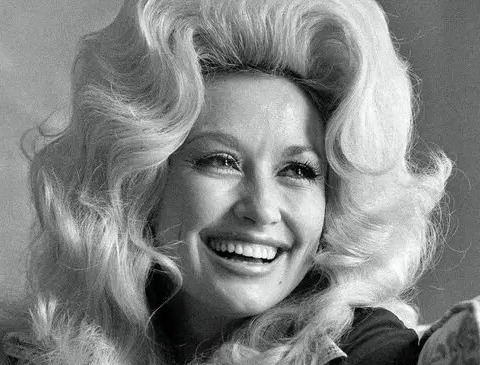
Why does the name Dolly Rebecca Parton resonate deeply in Buddu and Kyotera?
For generations across rural Buganda and Greater Masaka, American country music has served as an unexpected soundtrack to daily life, hard work, and spiritual endurance.
In the homesteads of Buddu, radios perched on wooden shelves routinely played country records alongside local brass bands and traditional drums.
However, for Mbaaga Mbazzi, the bond with Dolly Rebecca Parton was profoundly personal, rooted in a shared name between the global star and his own mother, Rebecca Apophia Naidoo.
“I fell in love with you in your Coat of Many Colors — because you carried the same name as Maama wange, Rebecca Apophia Naidoo,” the Oracle of Kifuuta writes. “When I heard Dolly Rebecca Parton, I heard my mother’s name singing from Tennessee to Buddu. You sang for the dreamers and for mothers, for lonely hearts and working hands, for people like Maama Rebecca. You took a little piece of country music and shared it across the land.”
Hearing Parton sing of growing up barefoot and impoverished in East Tennessee—wearing a coat stitched together from rags by her mother while listening to biblical stories—struck an immediate chord with rural Ugandan families navigating their own financial hardships.
How did a girl from the Smoky Mountains inspire children in rural Uganda?
Dolly Parton’s journey from a one-room cabin in Locust Ridge, Tennessee, to global superstardom embodies the power of humble origins paired with unyielding faith and generosity.
Over a career spanning more than six decades, Parton transformed her personal success into global social intervention, establishing the Imagination Library—a literacy initiative that has gifted over 300 million free books to young children worldwide.
| Milestone / Dimension | Global Achievement & Record | Cultural Impact in Rural Uganda (Buddu) |
| Humble Beginnings | Raised barefoot in a 12-child family in the Smoky Mountains. | Resonates with rural children in Kifuuta, Kyotera, and Kalisizo. |
| Signature Anthems | “Coat of Many Colors,” “Jolene,” “I Will Always Love You.” | Played across Masaka radio stations, taverns, and home radios. |
| Industry Honors | 11 Grammy Awards and over 50 nominations. | Proof that greatness is measured by giving one’s heart to others. |
| Global Philanthropy | Imagination Library: 300+ Million books distributed. | Inspires rural children in Buddu to dream in English and pursue literacy. |
| Shared Name Bond | Born Dolly Rebecca Parton in January 1946. | Deep personal connection to Maama Rebecca Apophia Naidoo. |
To children growing up in the trading centers of Kiterede, Kalisizo, and Kibanda, Parton’s story proved that a child’s birthplace does not define their destiny:
“Your crown was never made of diamonds. It was made of hearts you touched,” the tribute notes. “Of doors you opened for dreamers when no one else would. Of the Imagination Library — 300 million books — so a child in Buddu could dream in English because a woman in Tennessee remembered being poor. You stayed so close to where you started, even when the whole world knew your name.”
What is the connection between country music and Ugandan storytelling traditions?
The deep affection for country music across central and western Uganda stems from a shared emphasis on narrative storytelling, family values, heartbreak, and unyielding faith in divine providence.
Whether sitting beneath the light of a Naludugavu moon in Kyotera or listening to a fiddle ring out from an old cassette player in Masaka, the acoustic simplicity of country music mirrors traditional Ugandan oral folklore.
In his reflection, Mbaaga Mbazzi contrasts worldly trophies with the true measure of a human life, noting that Parton’s legacy rests on her ability to make strangers across the ocean feel like family:
“You showed us love could make a way when money could not,” he reflects. “And every soul that found your music found a little hope to stay. So let the fiddle cry tonight. Let the steel guitar ring. There is an empty place beneath these lights, where once we heard you sing. You showed us greatness wasn’t measured by the trophies on the shelf — sometimes the greatest thing a person does is give their heart to someone else.”
How does the Oracle of Kifuuta honor the legacy of Dolly Parton?
Closing the solemn homage, the Oracle of Kifuuta commits to keeping Parton’s music, values, and memory alive across the hills of Kyotera, linking her eternal spirit to the memory of his mother.
Invoking poetic imagery of the Smoky Mountain melodies drifting over the valleys of Kiterede and Kalisizo, the tribute pledges that the spotlight in Kifuuta will never go dark.
“Maybe heaven has a stage tonight, with an old guitar in tune. Maybe the angels gathered softly, beneath the Naludugavu moon. And somewhere past the stars above, a familiar voice begins in Kibanda,” the Oracle of Kifuuta concludes. “Country lost its queen, but your crown will never fade. Every song and every memory is a legacy you made. Though our hearts are filled with sorrow, the valley of Kiterede, Kyotera, Kalisizo, and Kifuuta will never be silent — we will keep your voice alive. Good night, Nnyabo Dolly. Good night, our Queen. For Maama Rebecca Apophia Naidoo, who shared your name, and for Dolly who shared your heart.”