
Table of Contents
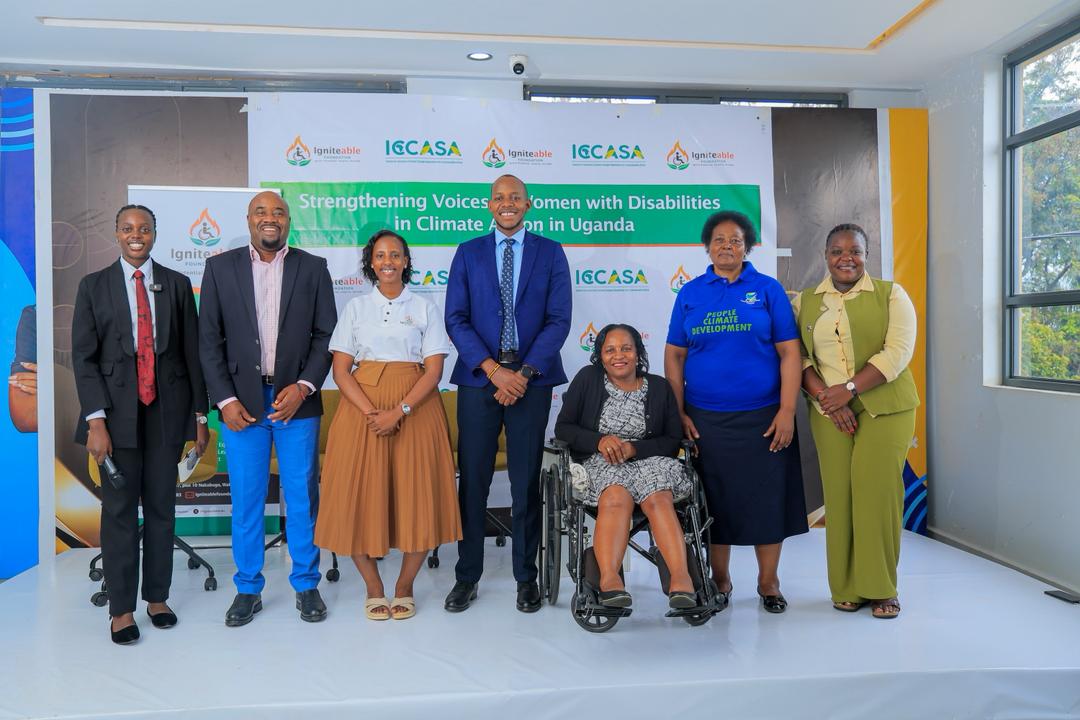
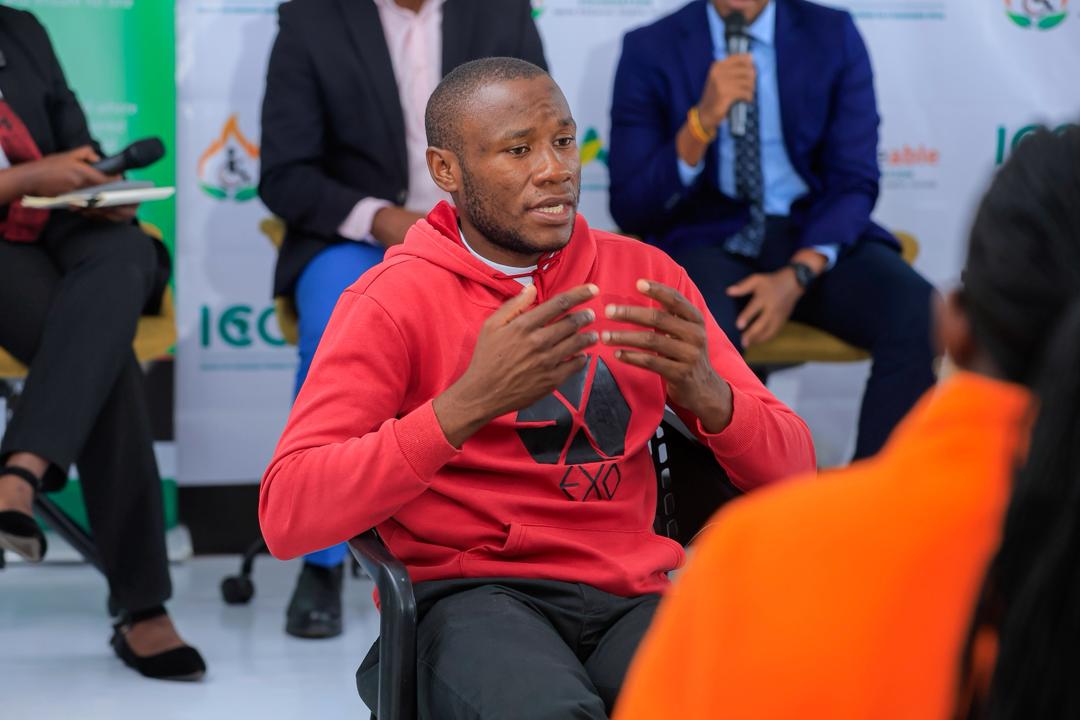
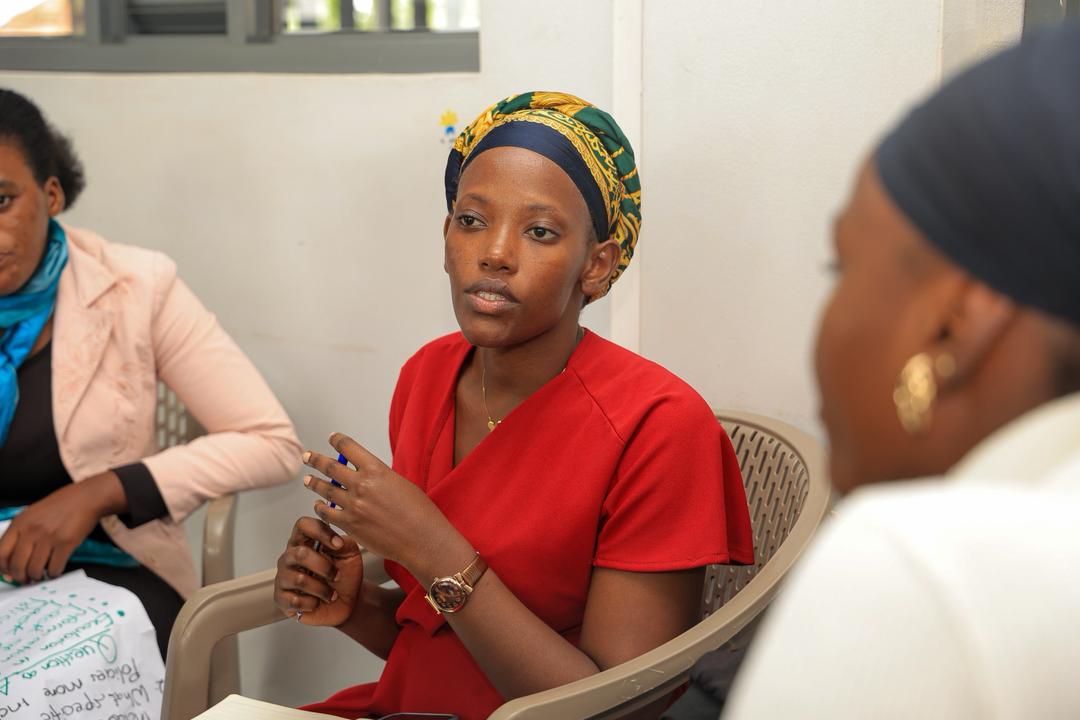
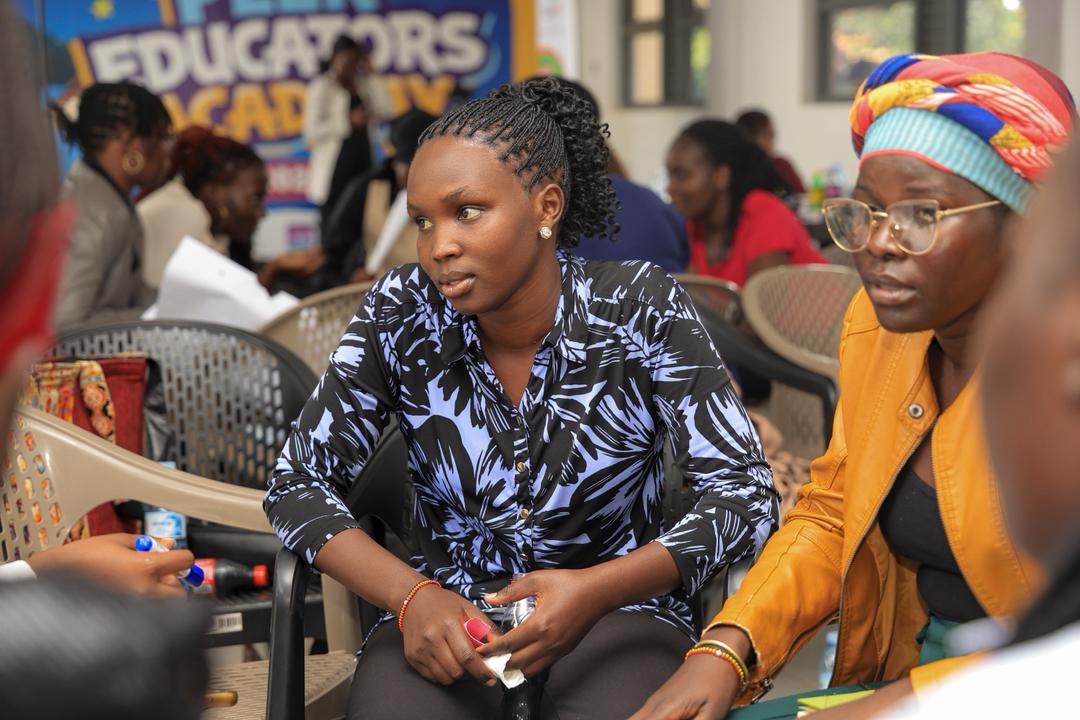
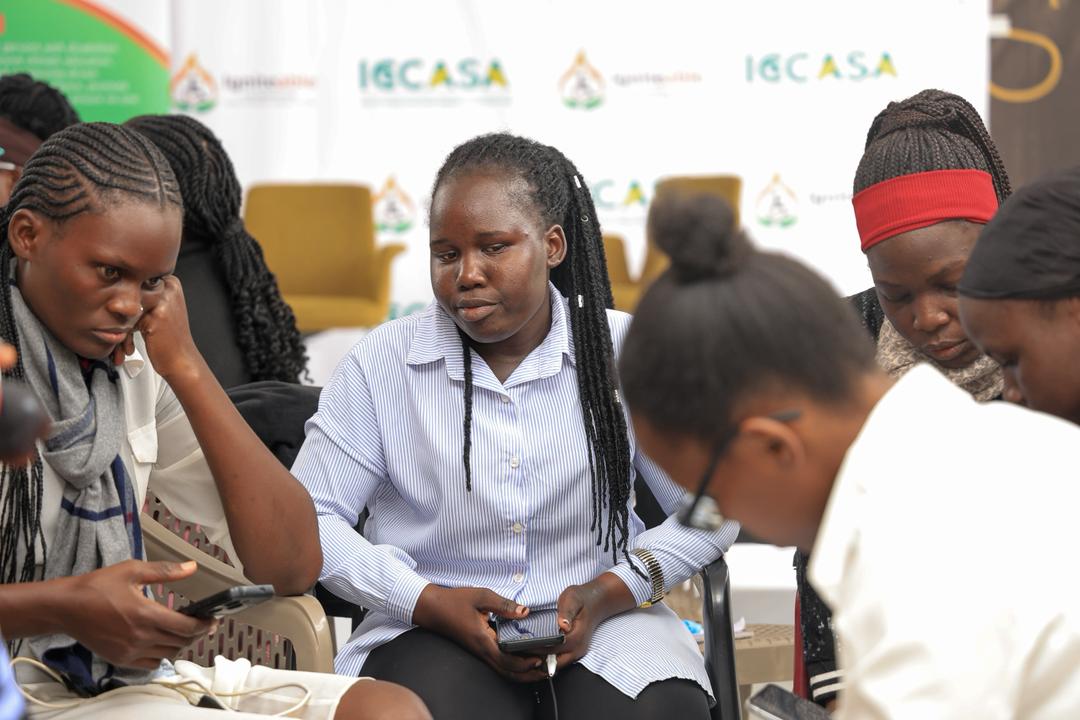
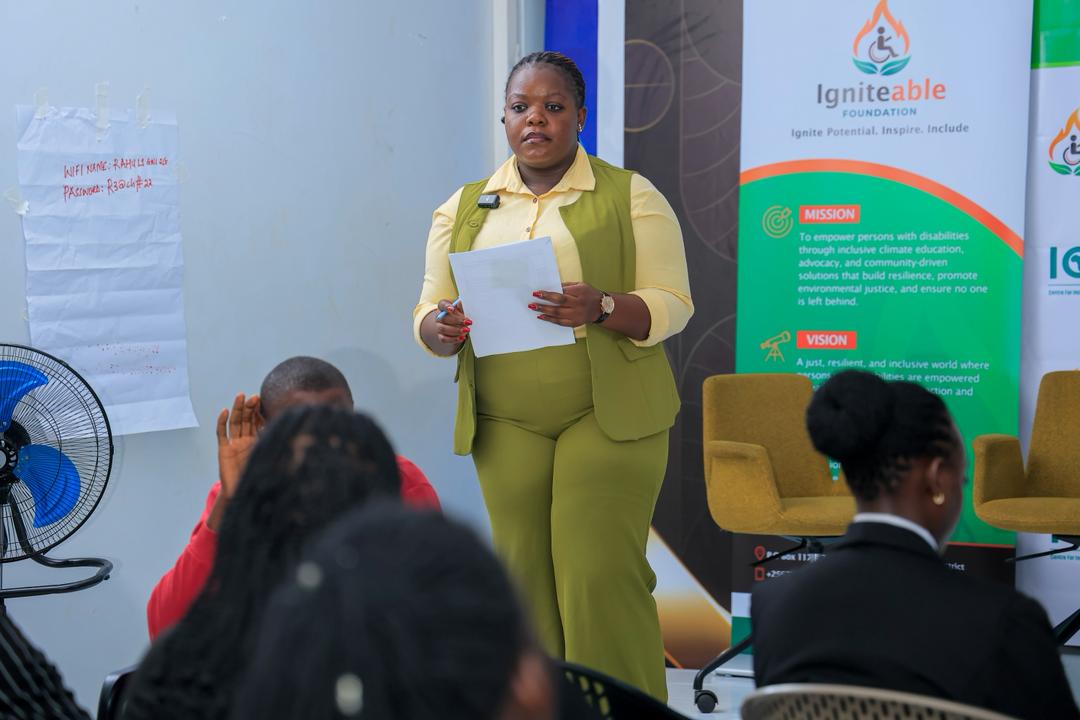
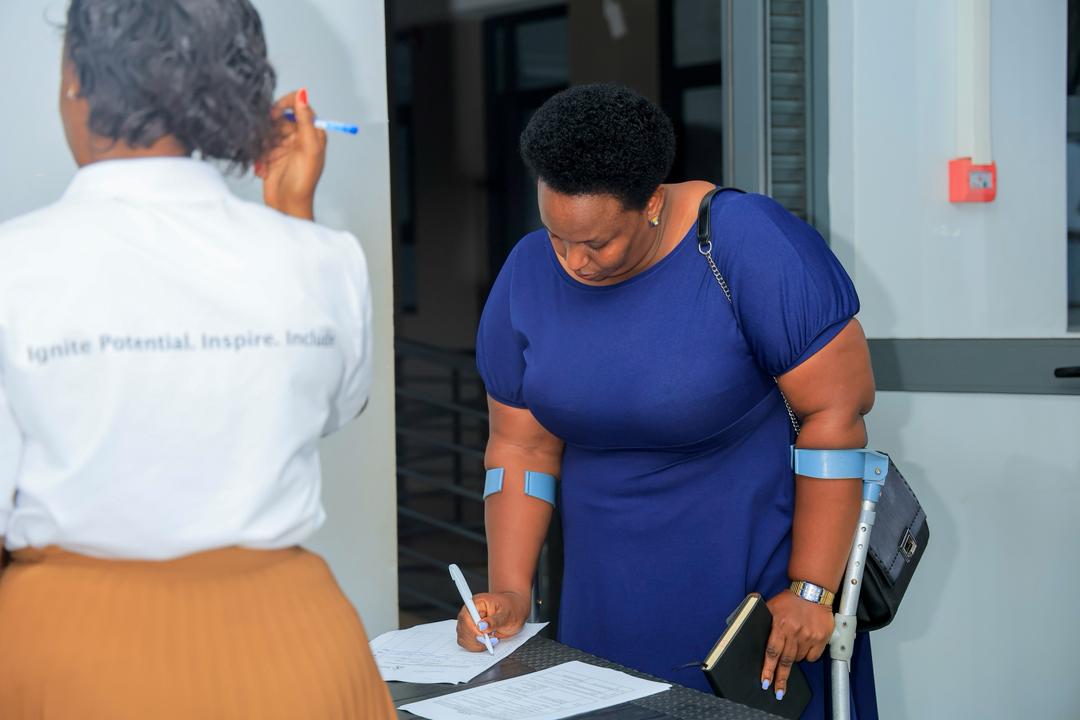
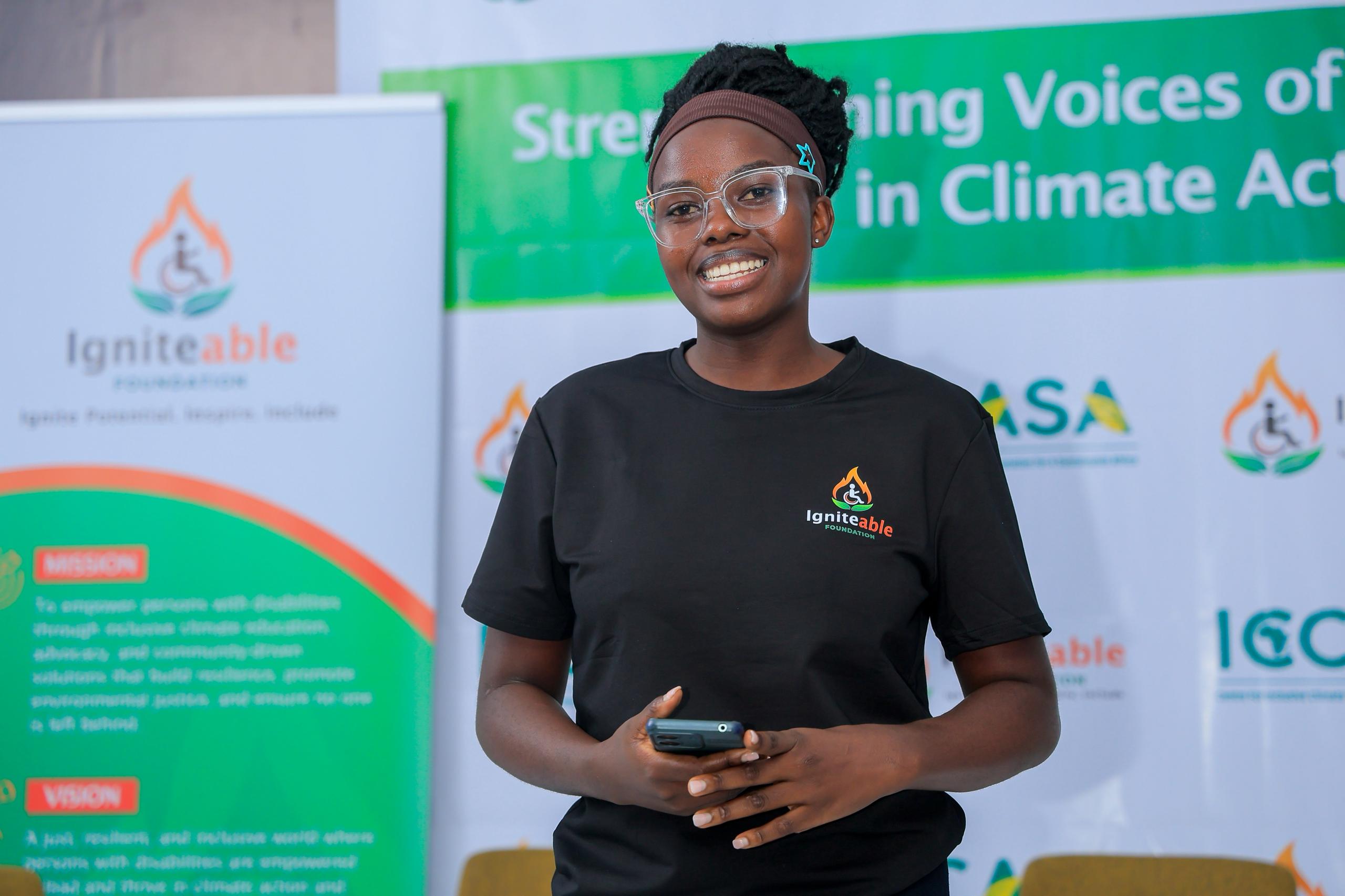
On Thursday, 23rd April 2026, a groundbreaking full-day event unfolded at the headquarters of Reach a Hand Uganda (RAHU) in Kampala. The Resilient Voices: Mainstreaming Women with Disabilities in Uganda’s Climate Policy Formulation dialogue officially launched Igniteable Foundation, a new organization founded by Phionah Boonabaana. The event brought together women with disabilities, youth climate activists, policymakers, civil society leaders, and media representatives to address a critical gap: the exclusion of women with disabilities from climate policy and action in Uganda.
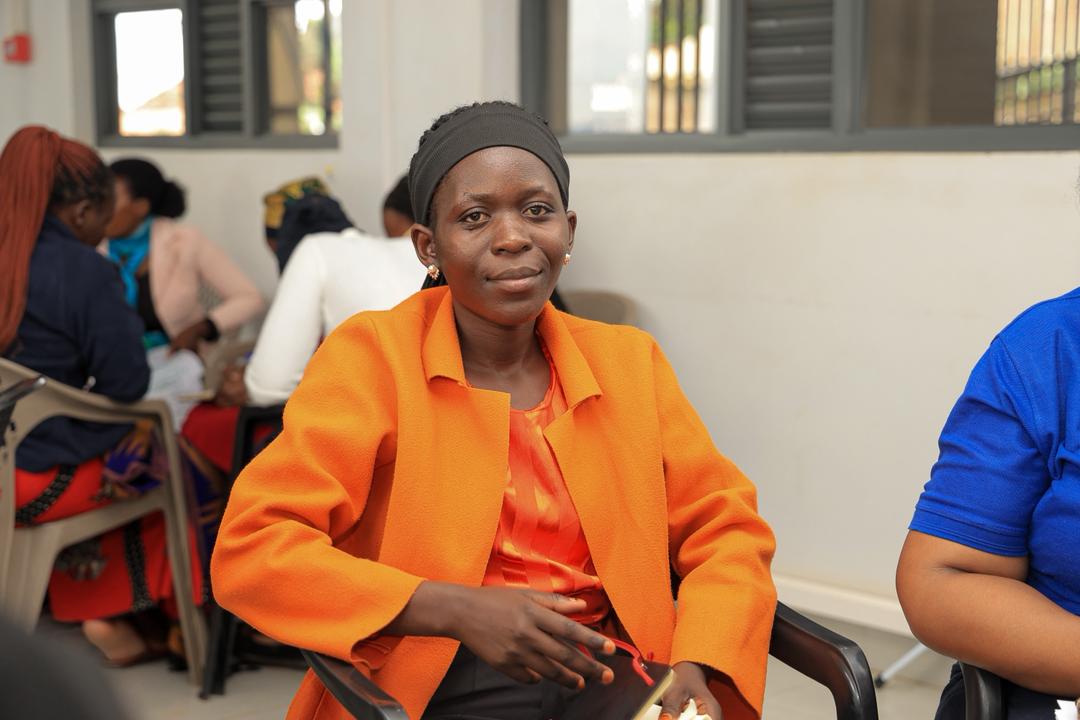
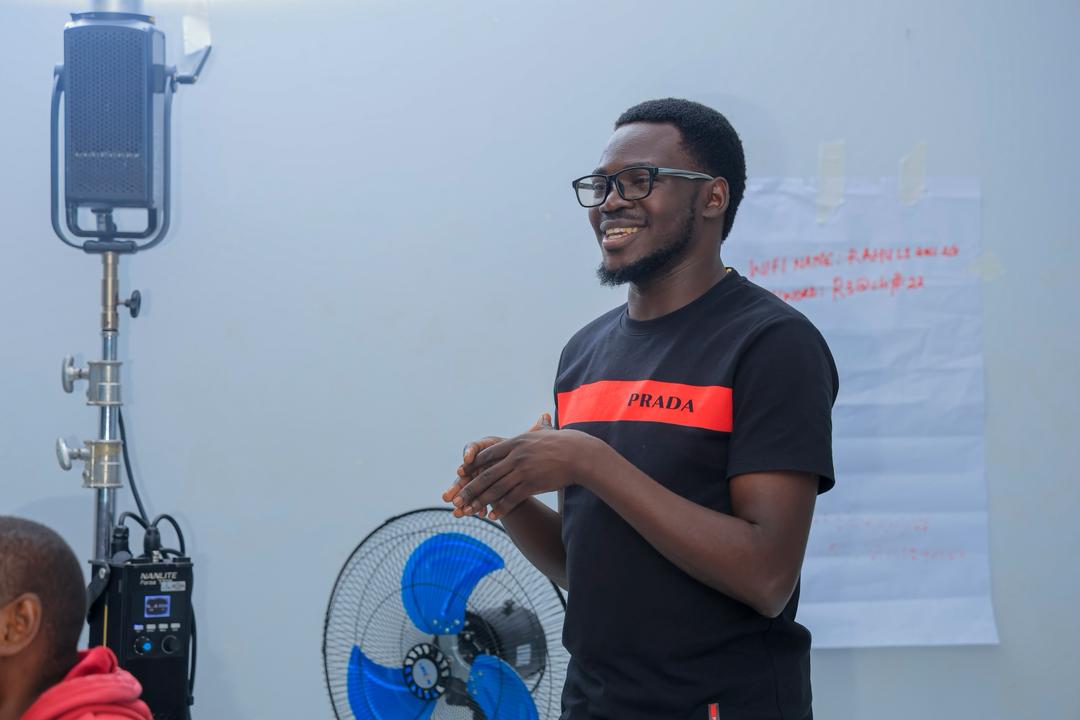
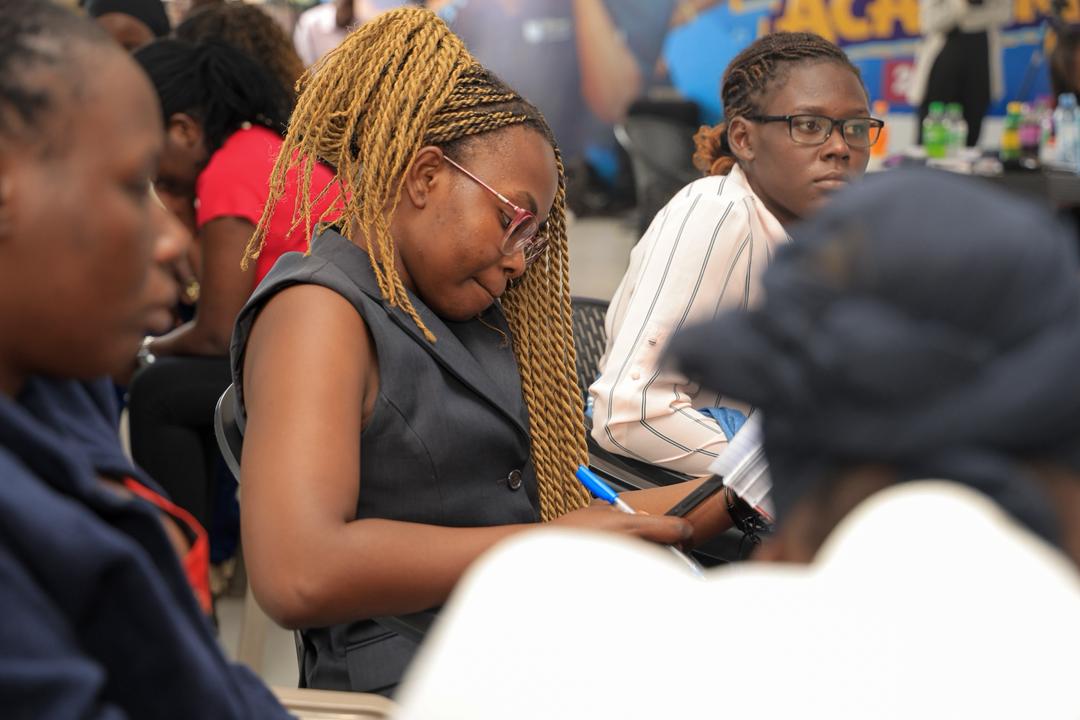
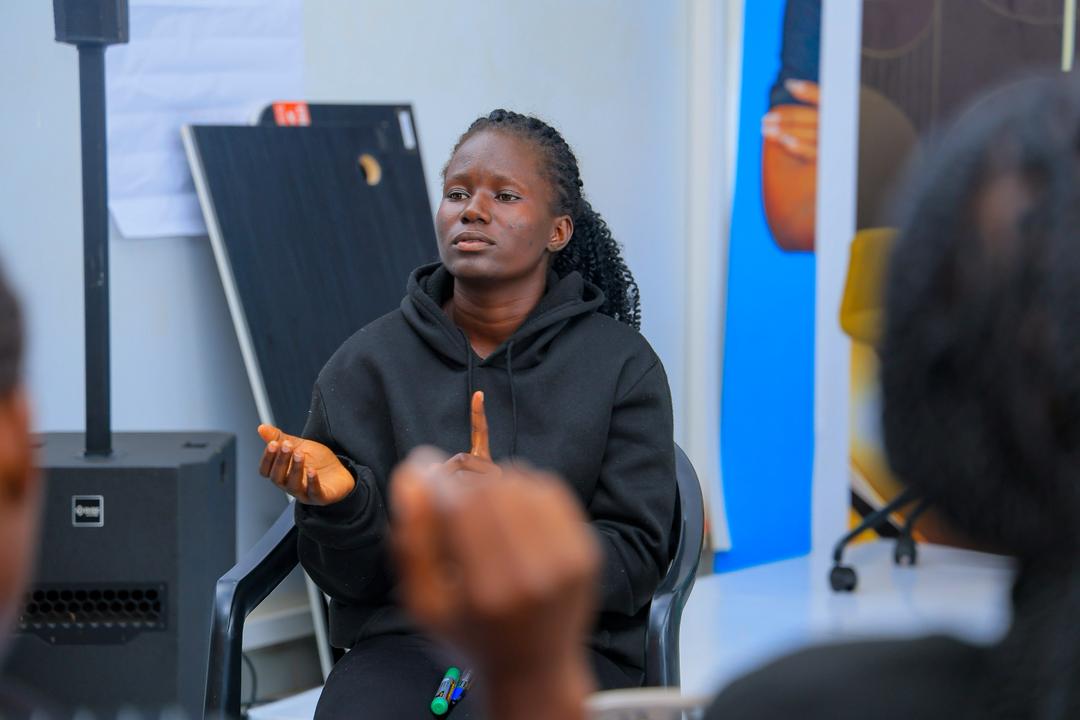
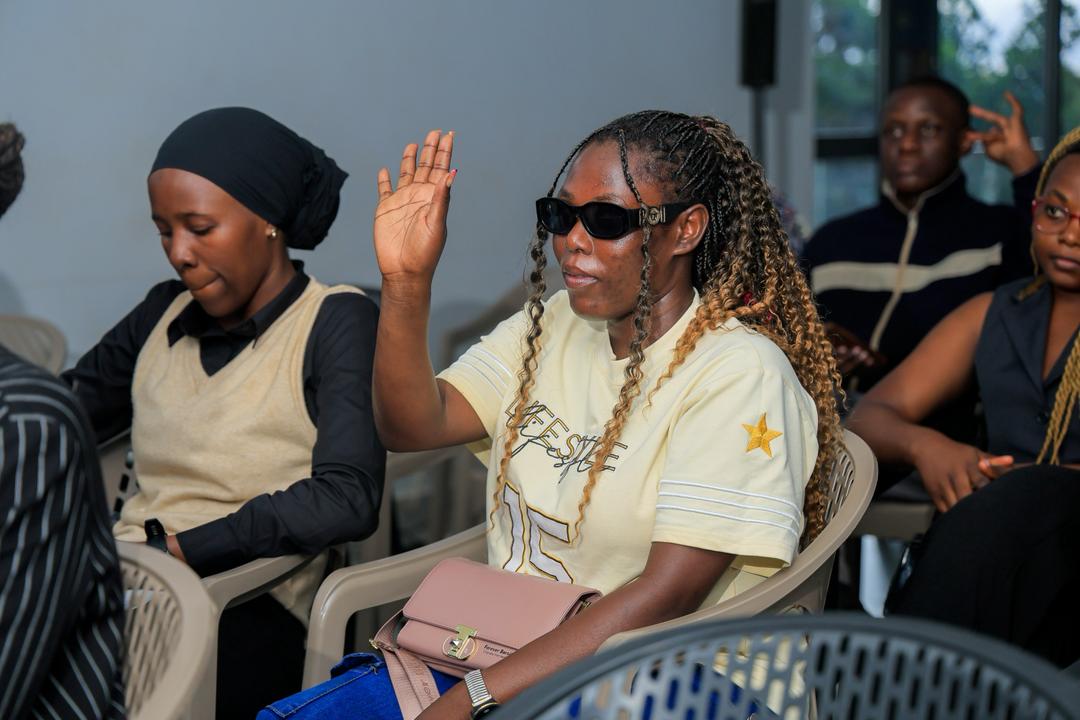
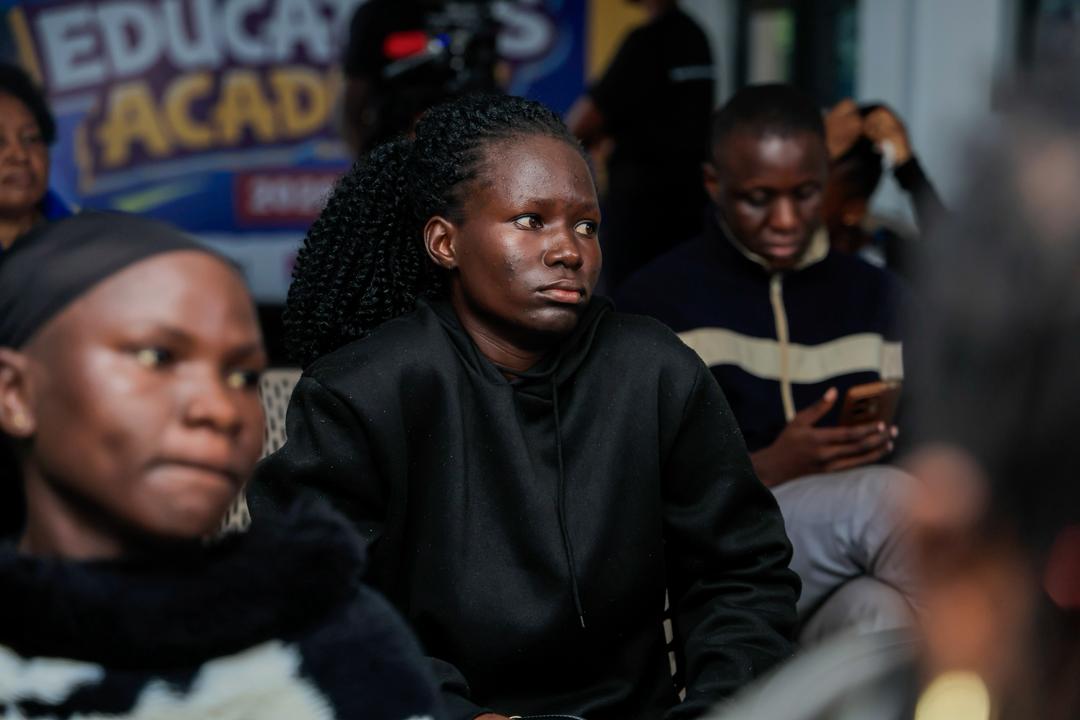
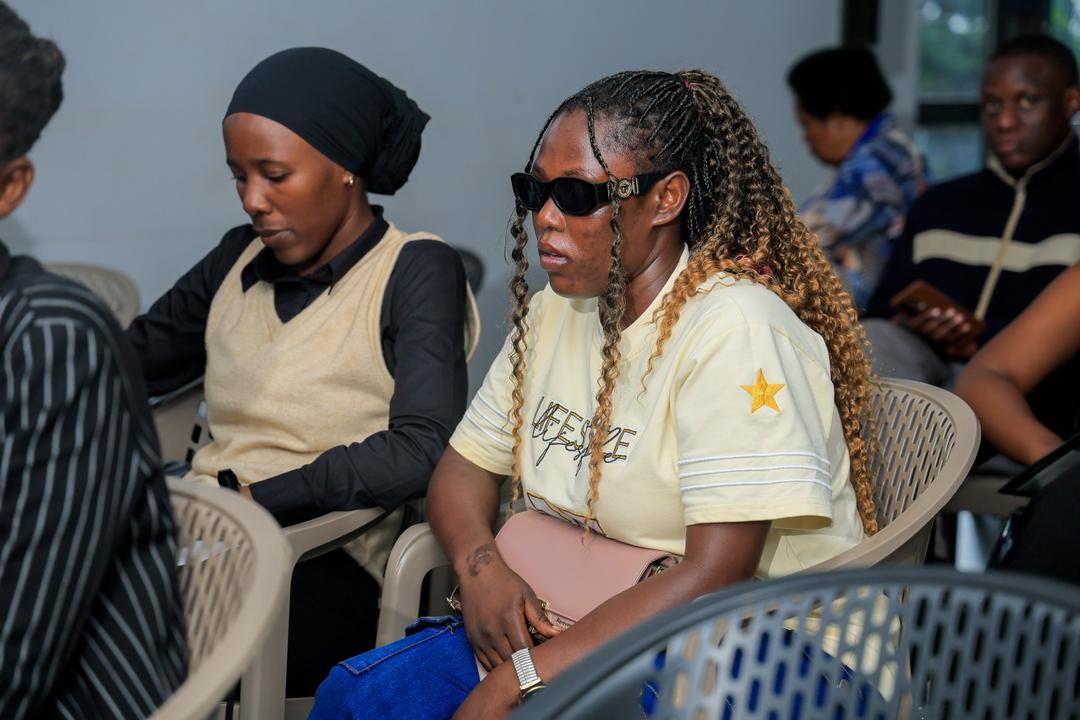
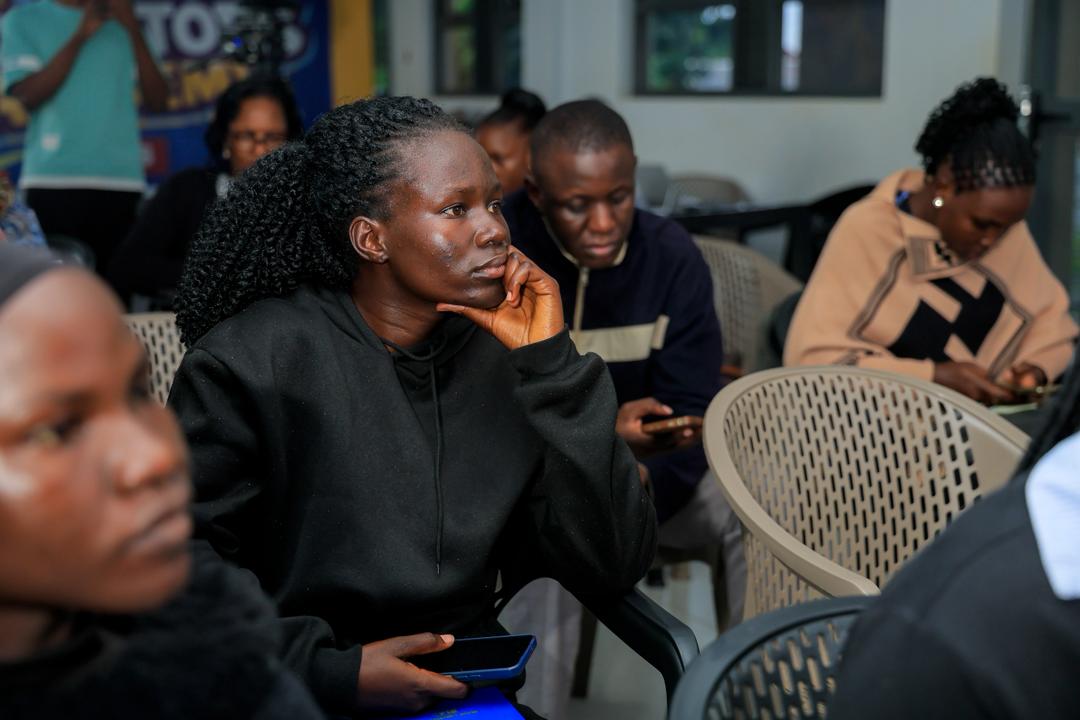
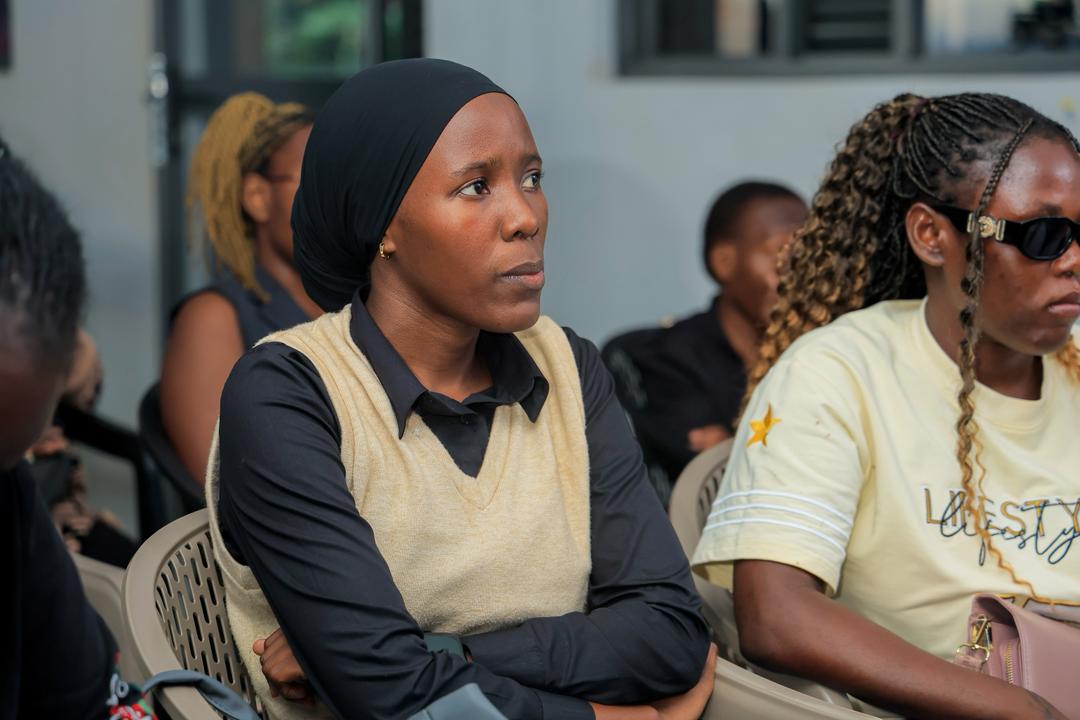
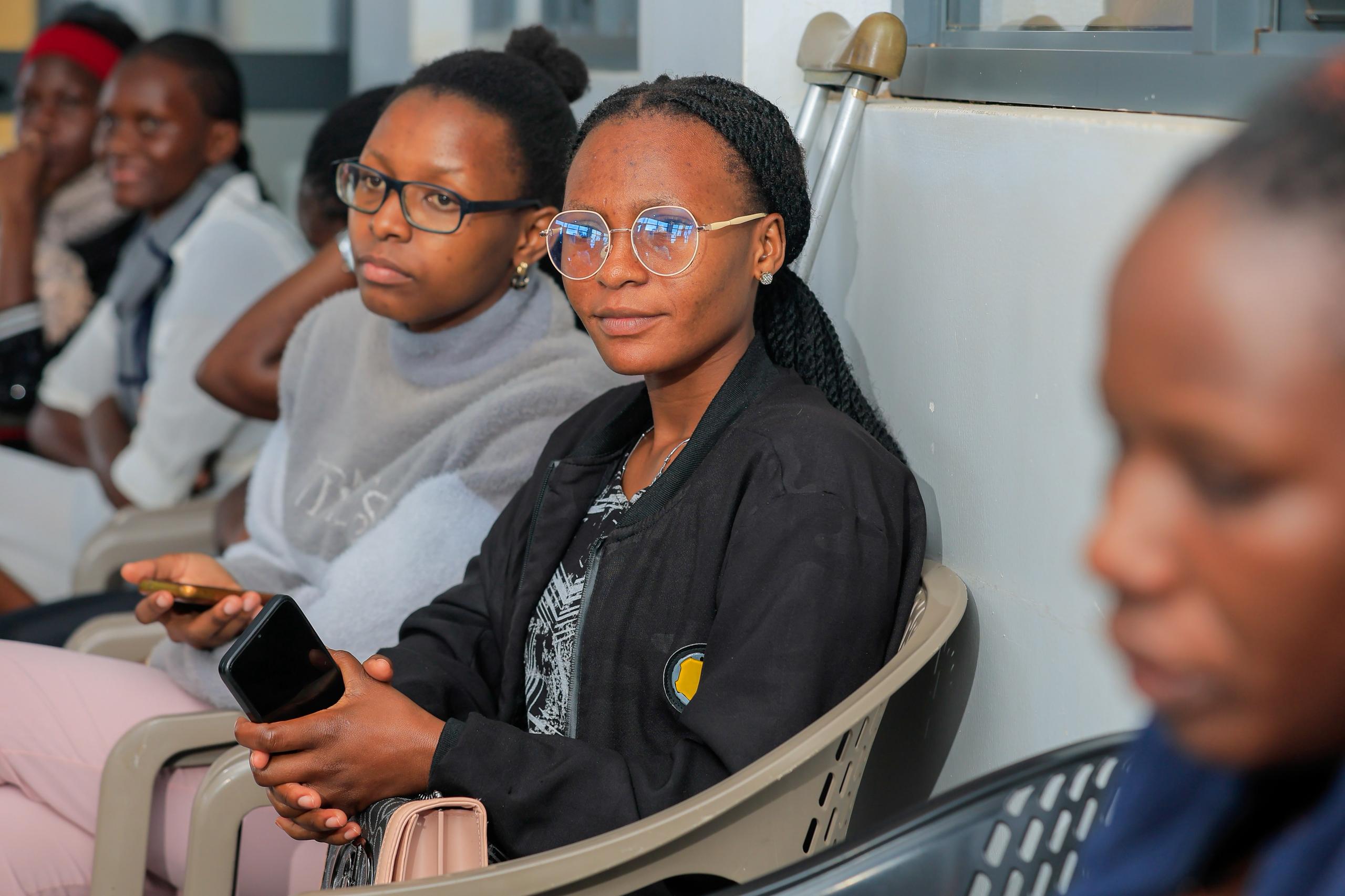
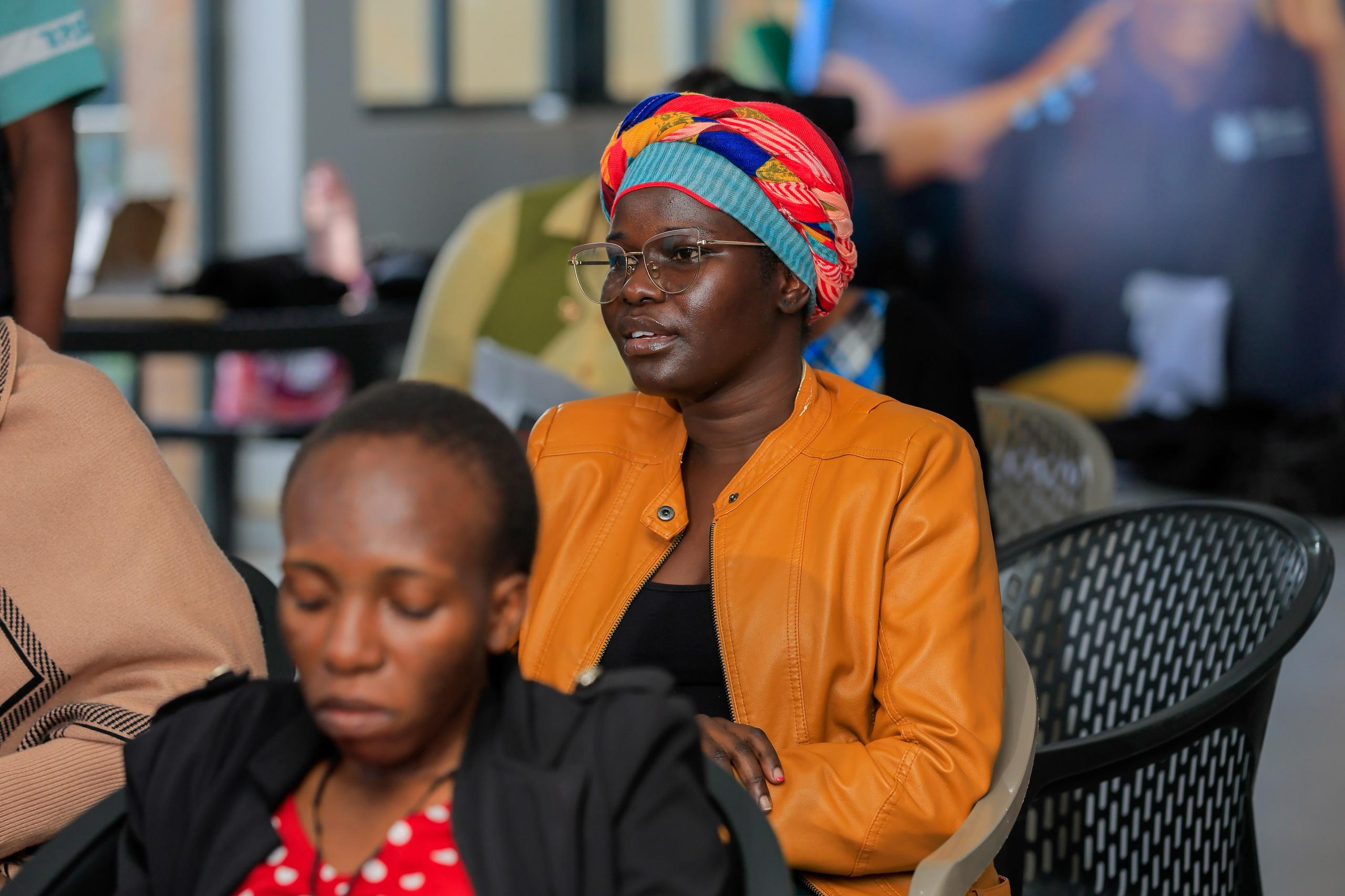
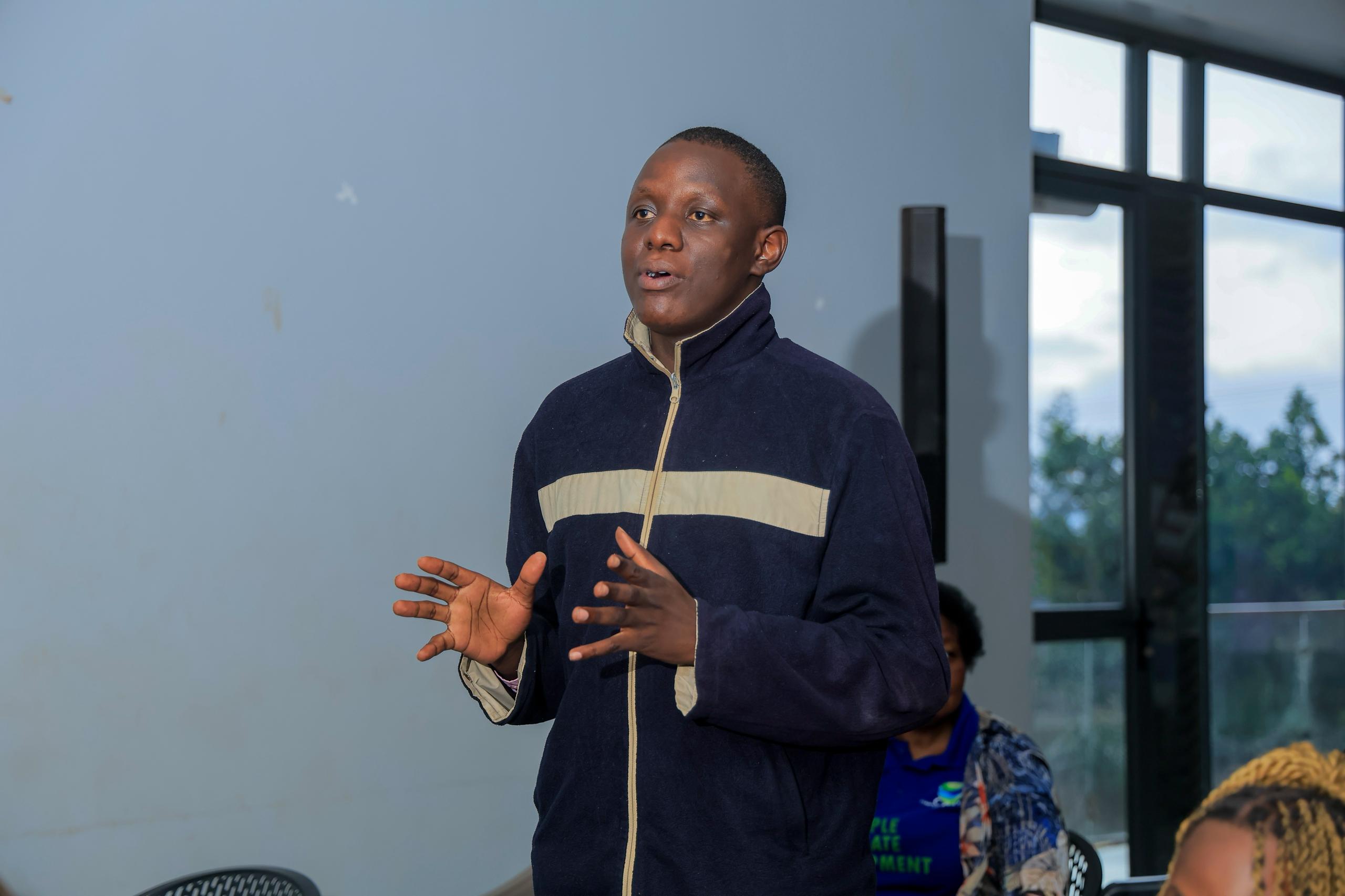
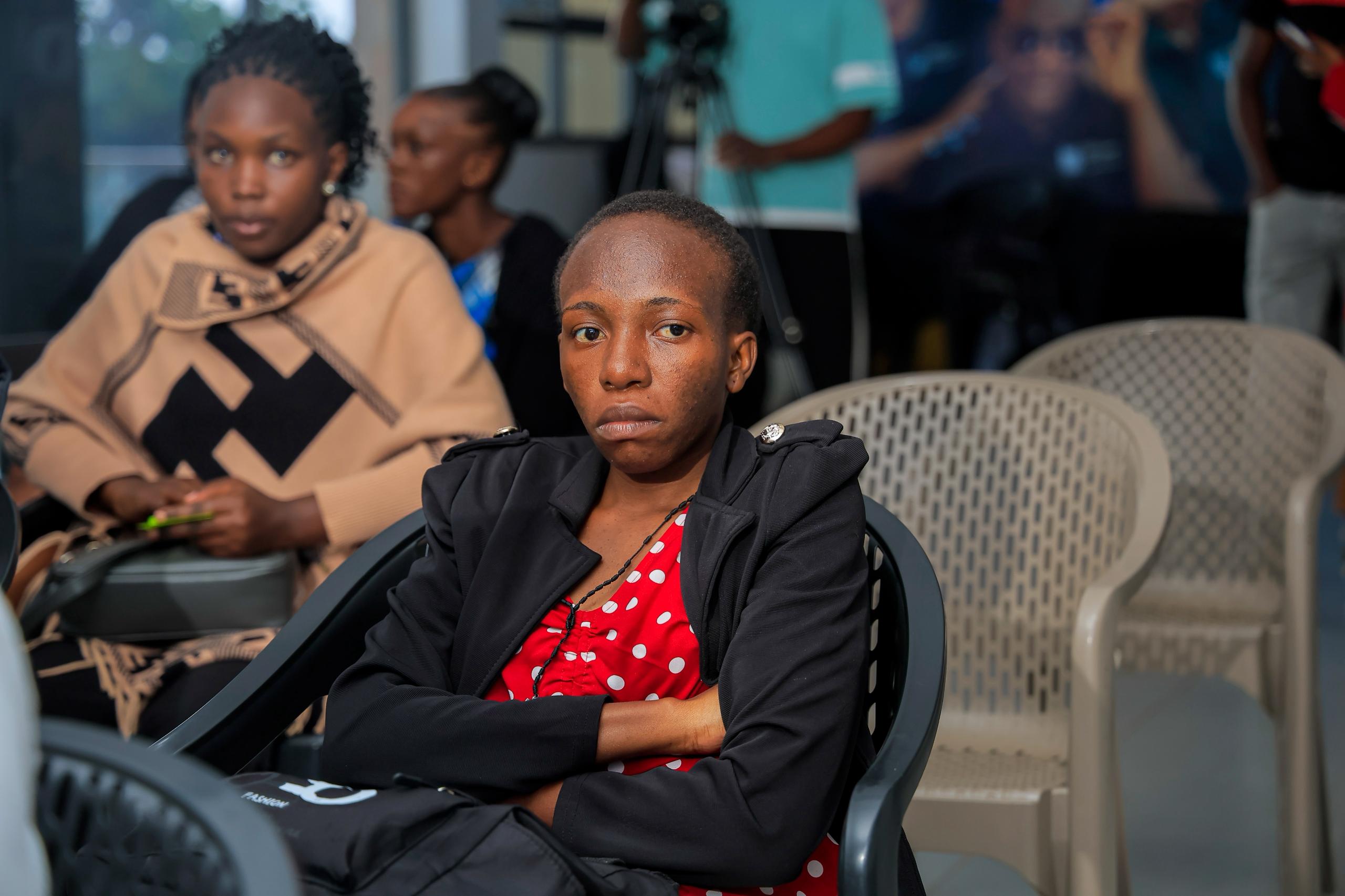
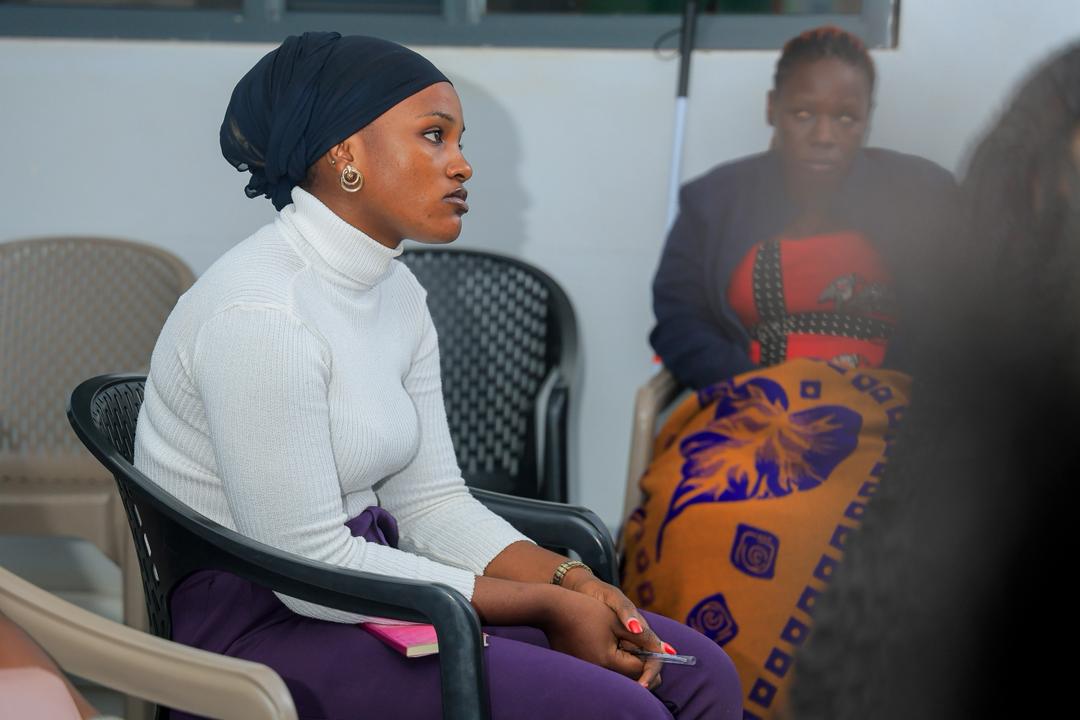
Despite heavy morning rains that tested attendees’ commitment, the venue buzzed with energy in the cozy, accessible space provided by RAHU. Participants — many of them young women and students living with disabilities — shared lived experiences, challenged systemic barriers, and pushed for genuine inclusion. The atmosphere was intimate yet powerful, blending personal storytelling with high-level policy discussions.
What Did Bernard Mujuni Say About Inclusion, Funding, and Partnerships?
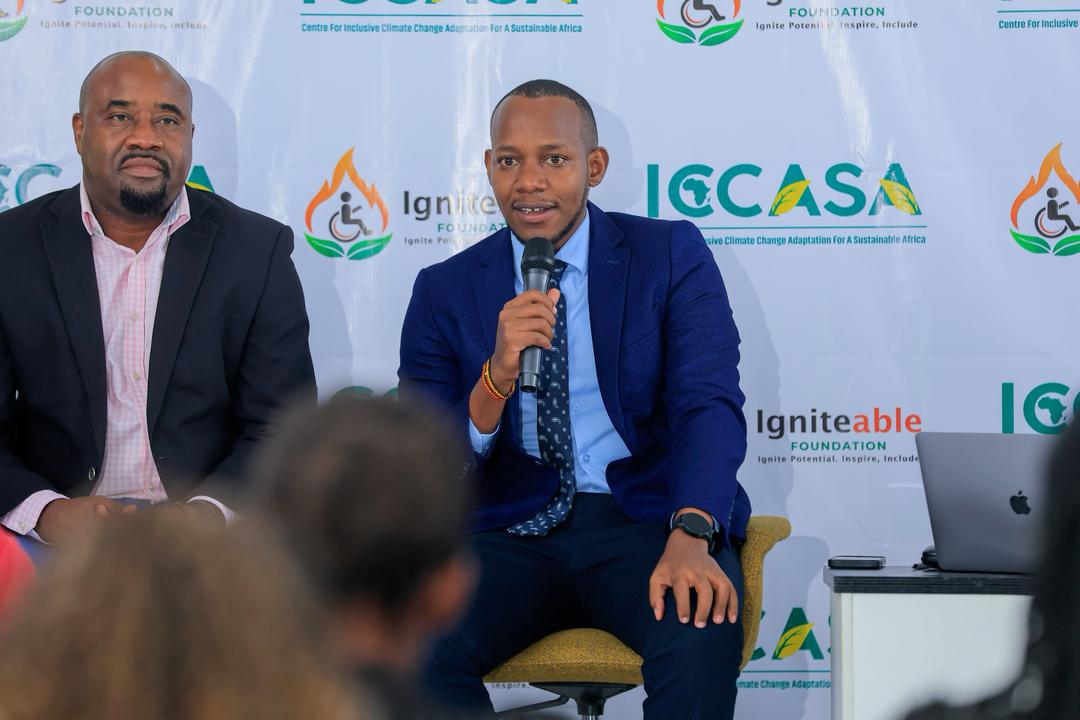
The keynote address was delivered by Benard Mujuni, Commissioner for Equity and Rights at Uganda’s Ministry of Gender, Labour and Social Development (MGLSD). A poet, author of three books, former entrepreneur, and seasoned policy expert with over 22 years of experience, Mujuni has played a key role in establishing the Equal Opportunities Commission and mediating cases for vulnerable workers.
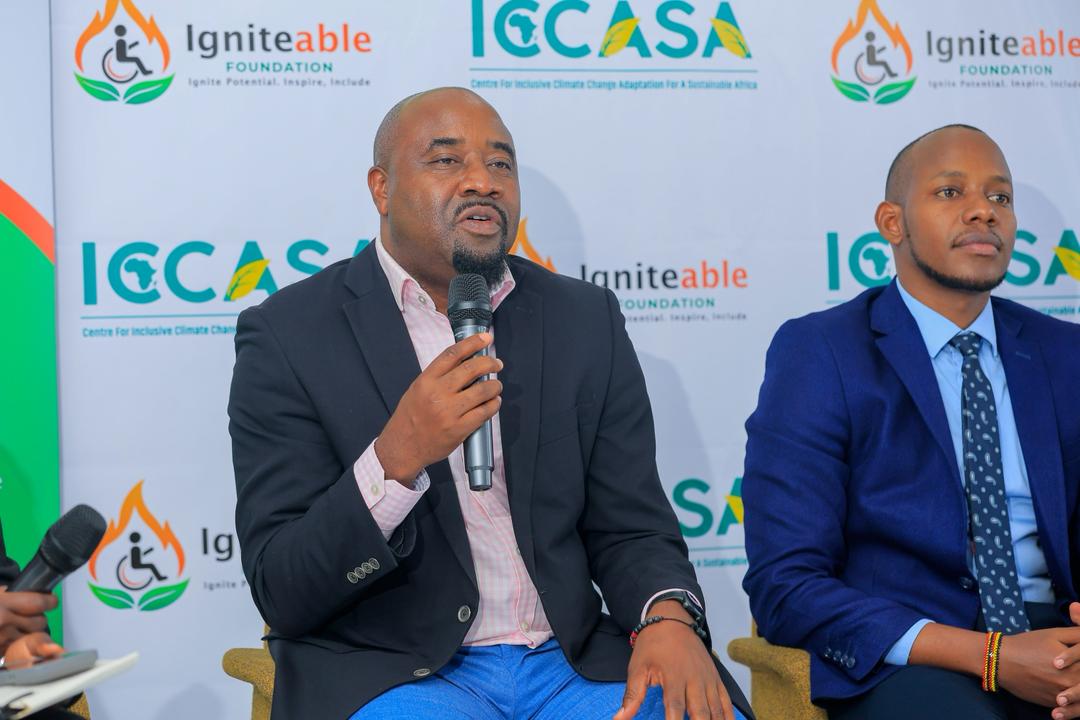
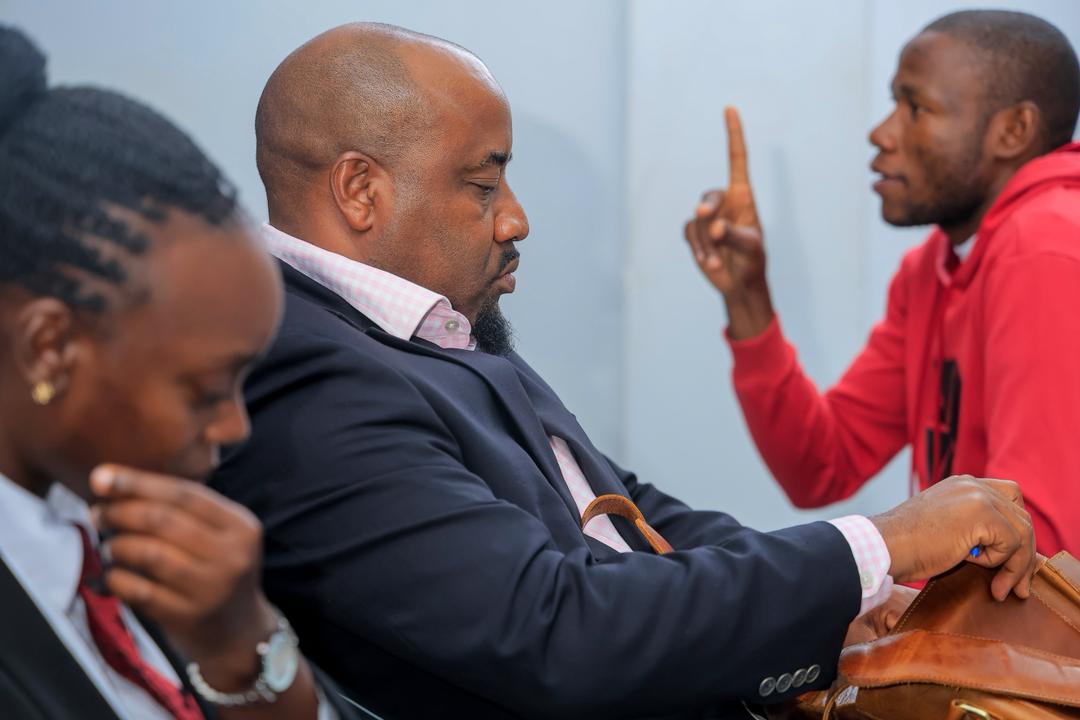
“Never underestimate yourself!” he told the audience, “I am proud of Phionah because, despite my busy schedule, she went ahead and invited me here. I have been at the Ministry for over 20 years, but even in my early years, I made drastic steps to cause changes in the system. At my current age, I don’t regret those decisions. The government is ready to work with organizations that support people with disabilities, and there are several funding opportunities.”
Mujuni went ahead and shared personal reflections on overcoming doubt and emphasized that individual actions can transform societal structures. He highlighted the importance of programs targeting vulnerable groups and affirmed that funding and support mechanisms exist for organizations working with marginalized communities, including women with disabilities. He also expressed his willingness to work with youth in media like Kampala Edge Times.
What did Phionah Boonabaana say as the organization’s CEO?
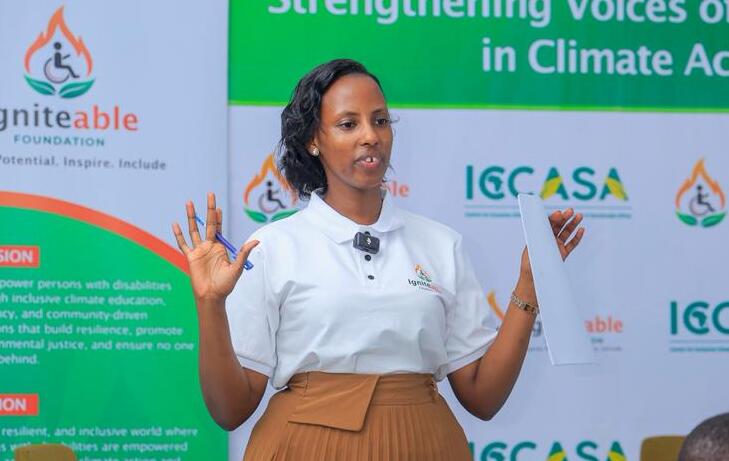
“I am really happy to see all of you here to witness this launch. I am very grateful to the representatives from the different organizations, especially Inclusive Climate Change Adaptation for a Sustainable Africa (ICCASA), the media, and the Ministry of Gender, Labour and Social Development. My name is Phionah Boonabaana, Founder of Igniteable Foundation. I am pursuing a Master of Science in Environment and Natural Resources at Makerere University.”
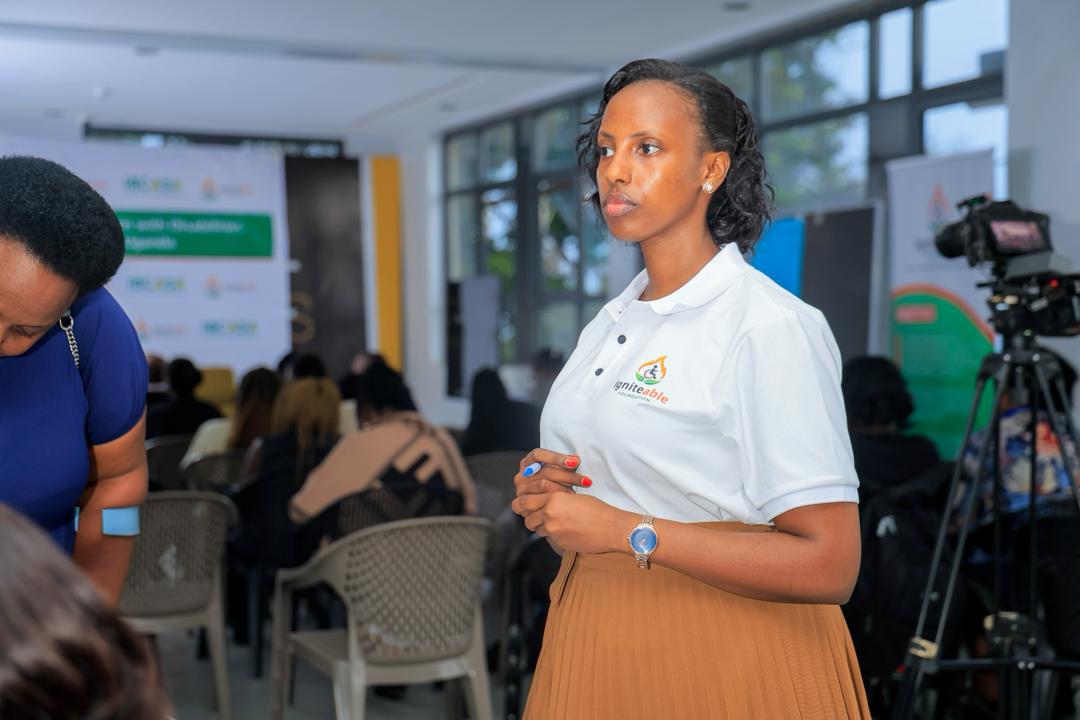
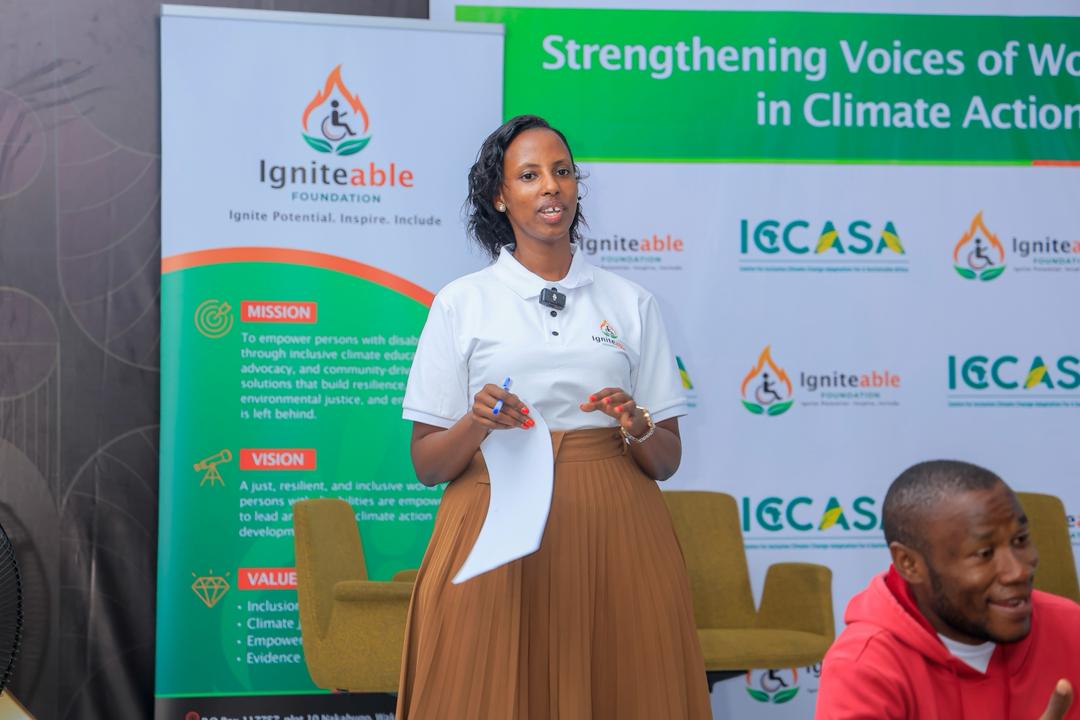
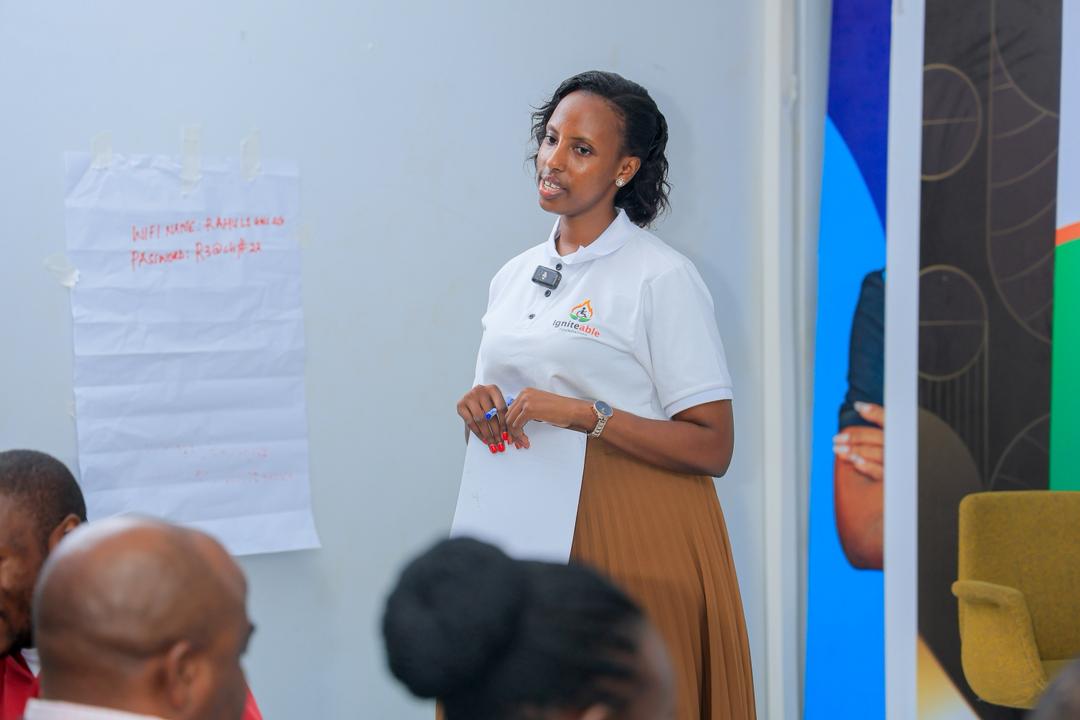
Phionah continued, “I studied at Busitema University back in the day for my undergraduate, and whenever it rained, the entire place would flood to waistline level. Unfortunately, for me as a person with a disability, it was very difficult to cross deep puddles and running water into the lecture halls and back to my residence. I always sat down and wondered how other people in my condition, without the privilege to study or get opportunities, were dealing with such challenges, and that’s how the idea for this organization was born.”
She drew from her own university experiences — navigating inaccessible infrastructure as a person with a disability — and heartbreaking stories from flood-prone areas like Kasese and the Elgon region, where persons with disabilities often face the highest risks of displacement, injury, or death during disasters.
Boonabaana stressed that inclusion is not charity but justice, and called for women with disabilities to claim their rightful place at decision-making tables rather than being treated as afterthoughts.
The launch marks a significant step forward for Boonabaana, who is a fellow in the BeVisioneers Mercedes-Benz Fellowship (a global program supporting young eco-innovators) and a participant in RAHU’s Impact Forge program — the second cohort of a youth leadership incubation initiative supporting around 15 young social entrepreneurs.
What Were the Main Discussions in the Panel on Legal Systems and Climate Justice?
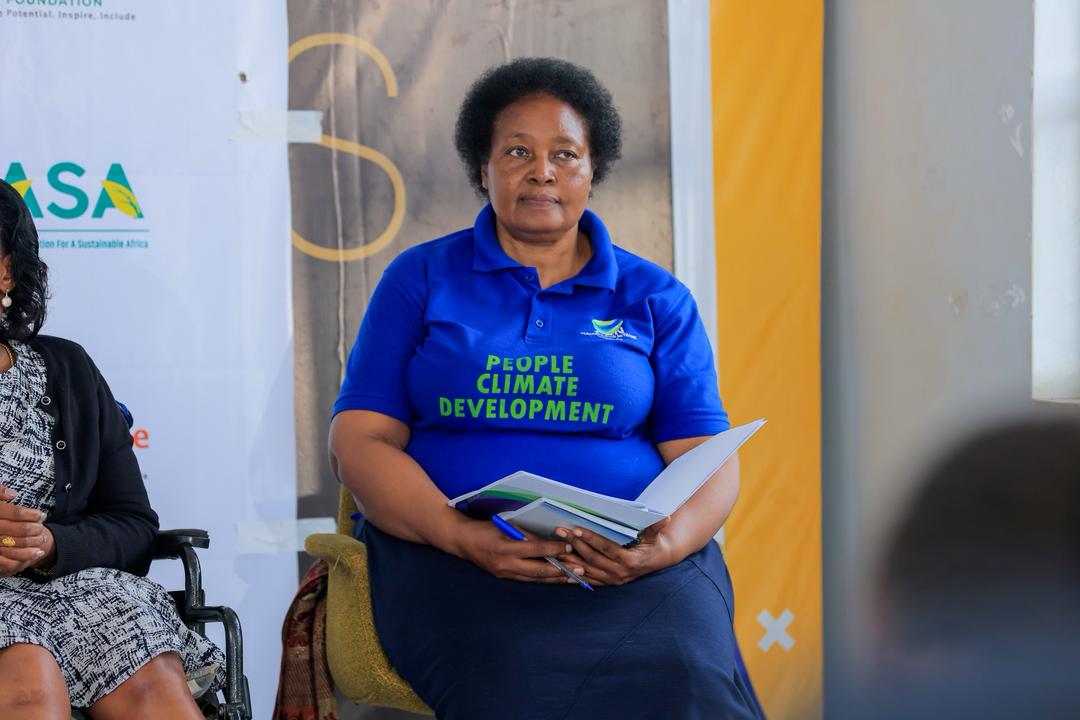
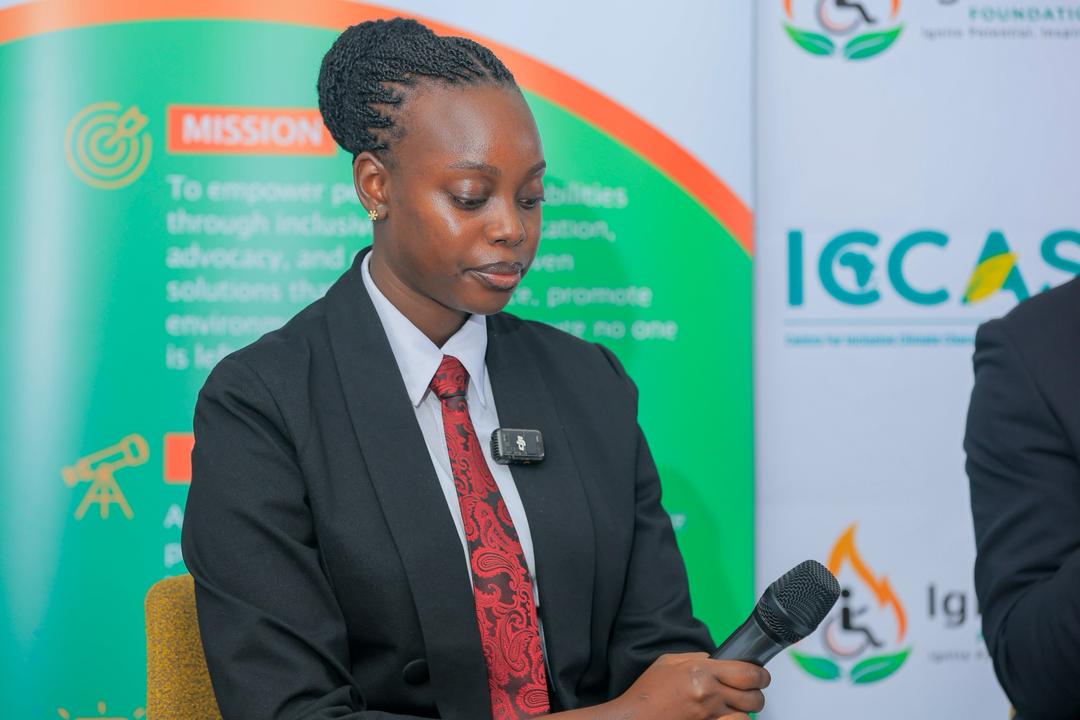
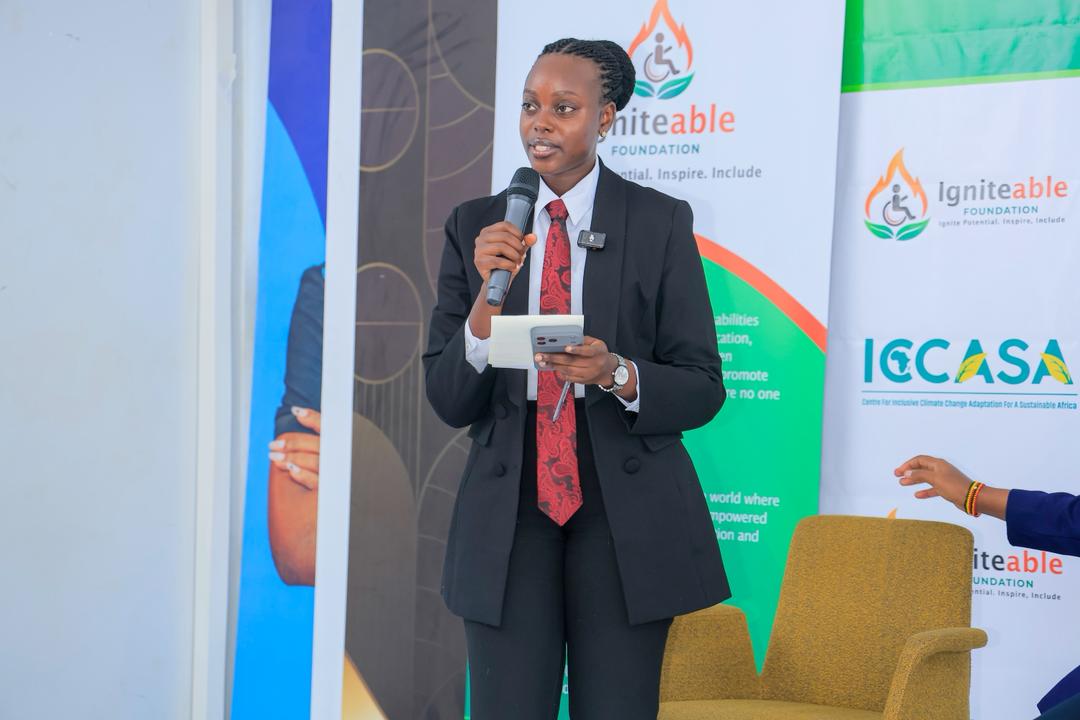
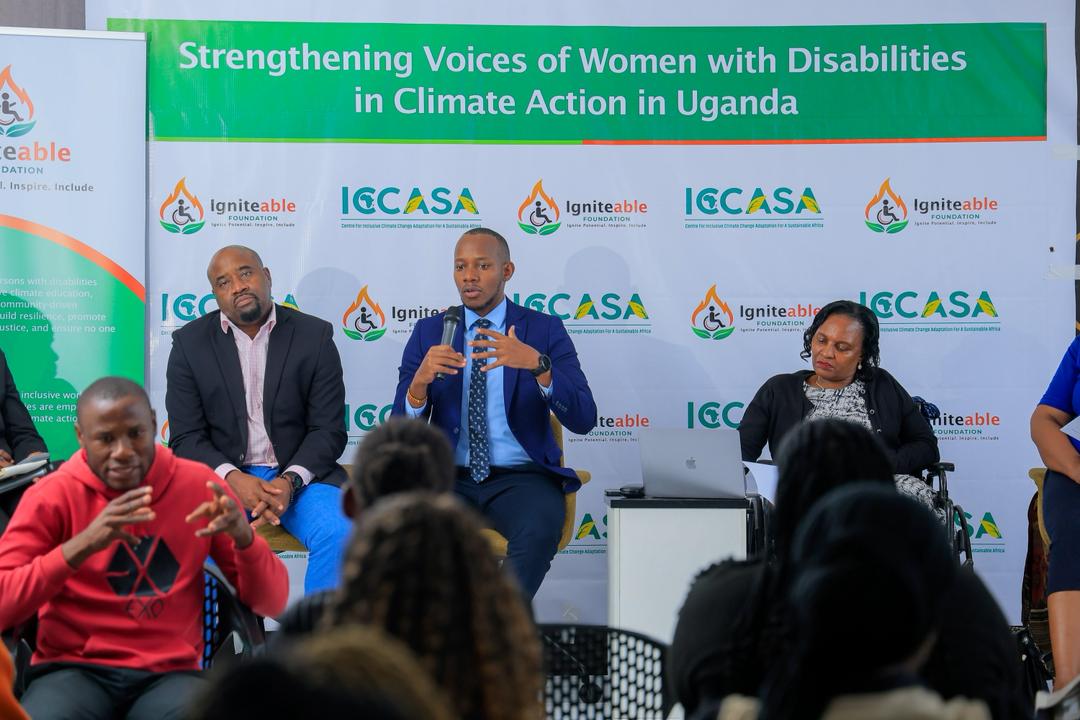
Moderated by Ayebare Denise, the panel dialogue on “Inclusive legal systems as drivers for gender & climate justice” featured Benard Mujuni (MGLSD), Crispus Mwemaho (Abayuuti), and Peace Sserunkuuma (Legal Action for Persons with Disabilities).
Peace Sserunkuuma was one of the most vocal panelists, “I want everyone to know that people with disability are absolutely capable, except if the environment limits their potential. For example, I am disappointed when people finish buildings without including accessibility facilities. That’s exactly how you find people with disabilities getting locked out when decision-making events are hosted in these places. That same case goes to the city planning authorities, who often design the infrastructure in a way that ignores us.”
Other panelists also added their ideas, for example, Crispus Mwemaho said one is usually one accident away from becoming a person with disability, and therefore we should take these dialogues very seriously. Benard Mujuni also spoke in the dialogue and informed the young people that the government has several opportunities for them.
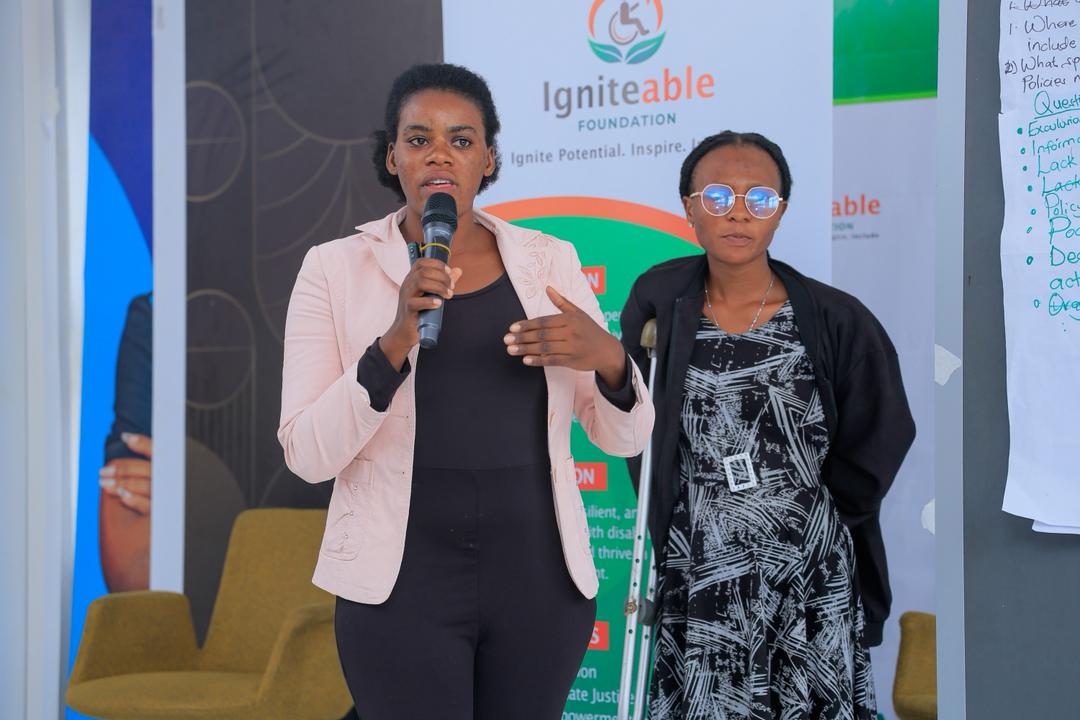
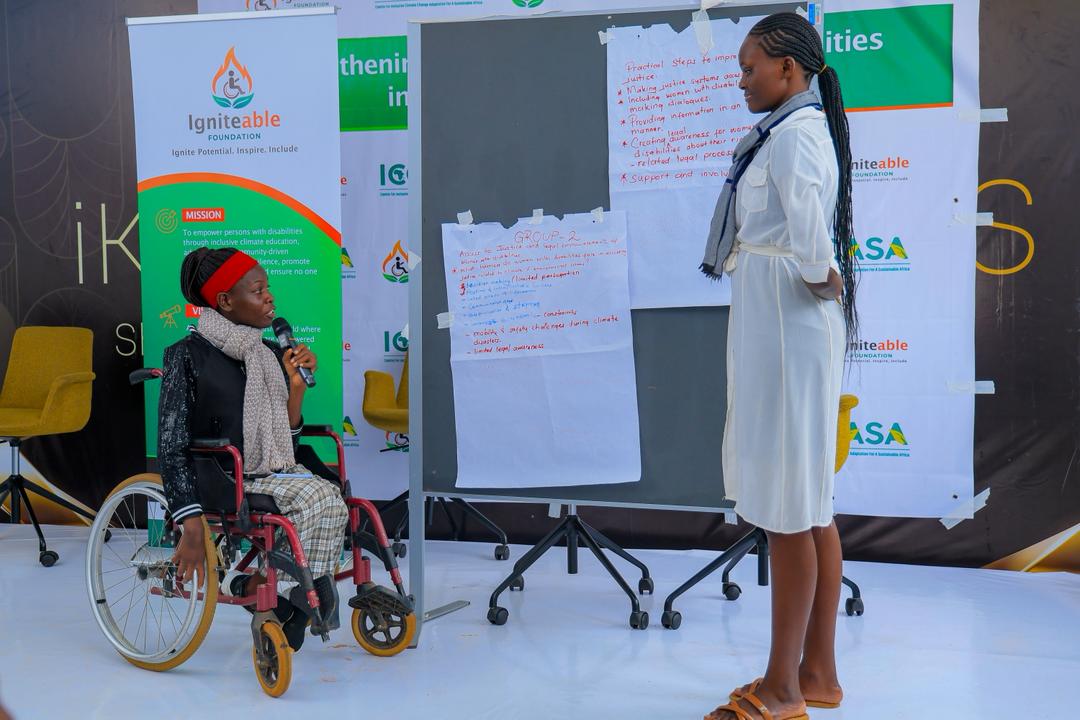
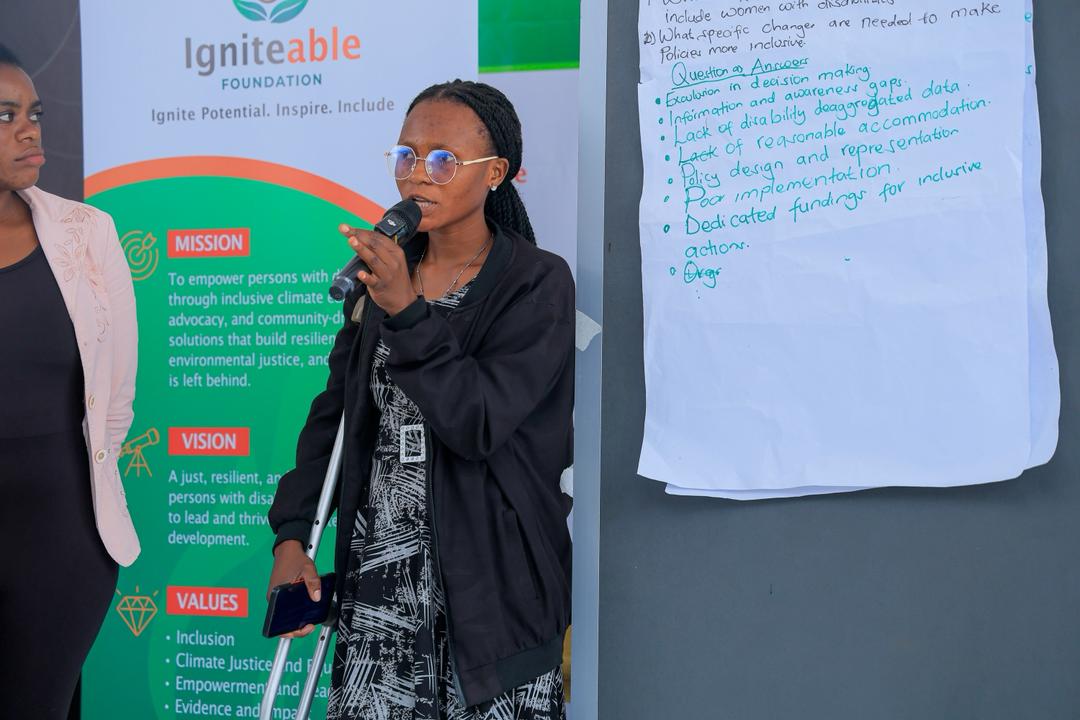
Panelists explored practical challenges, including barriers to reporting climate-related harms, accessing legal aid, and ensuring survivor-centered support — particularly for rural communities, refugees, and underserved groups. Audience members, many of them young women with disabilities, actively participated in the open Q&A, sharing real-life stories of exclusion, mobility challenges during floods and landslides, and the compounded effects of gender and disability discrimination.
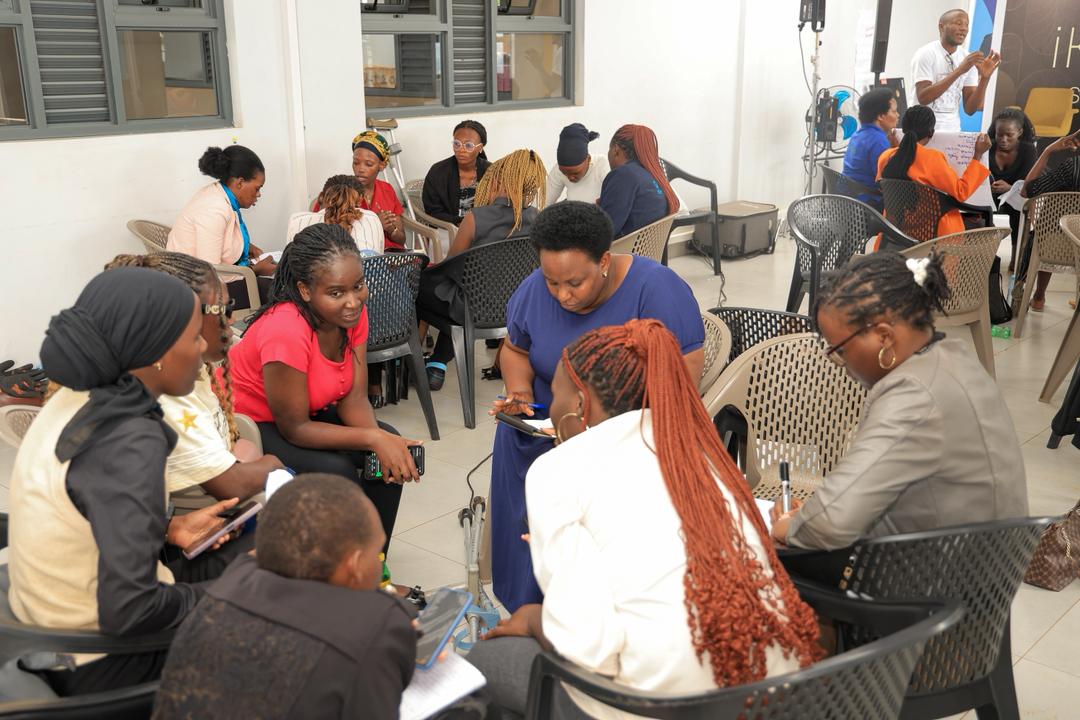
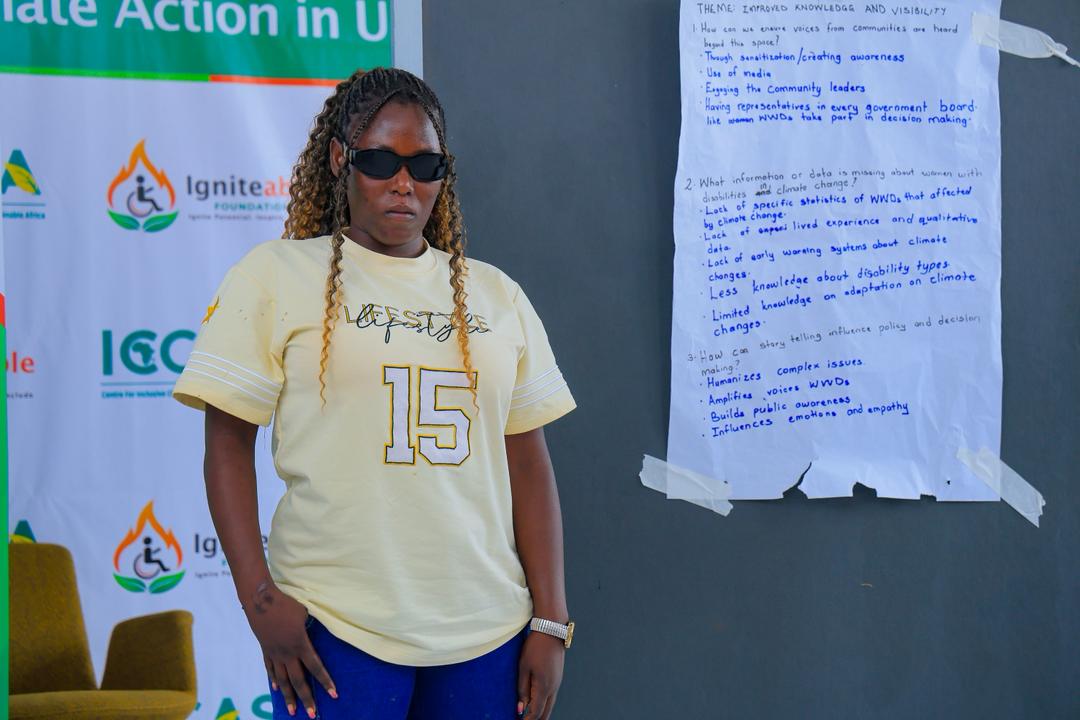
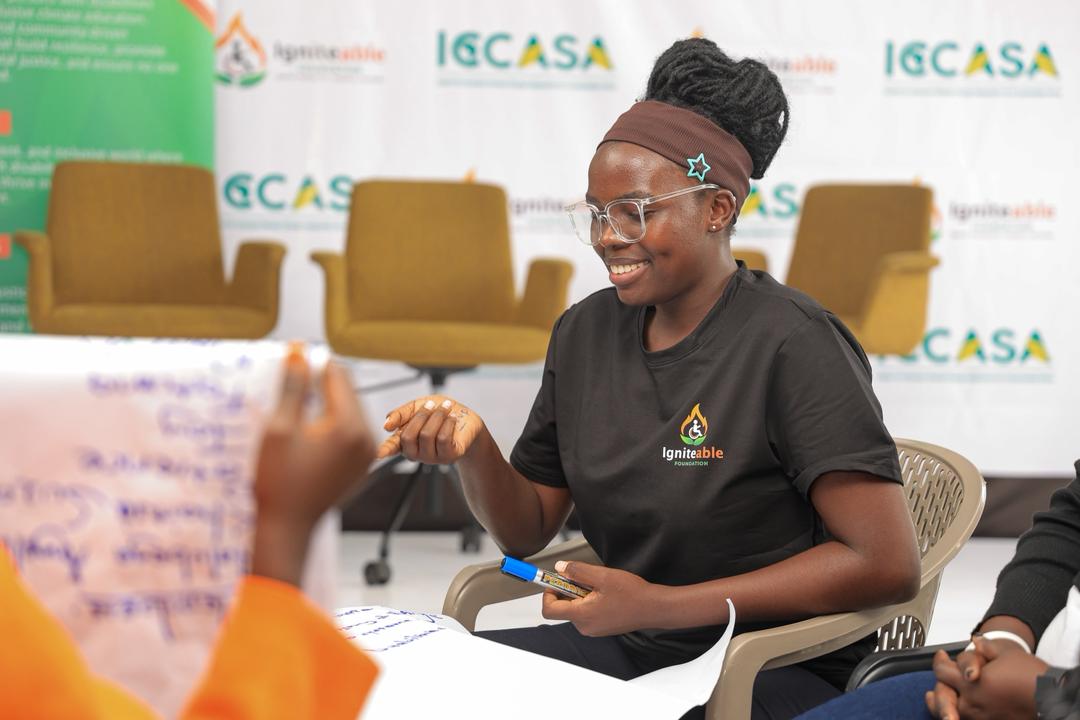
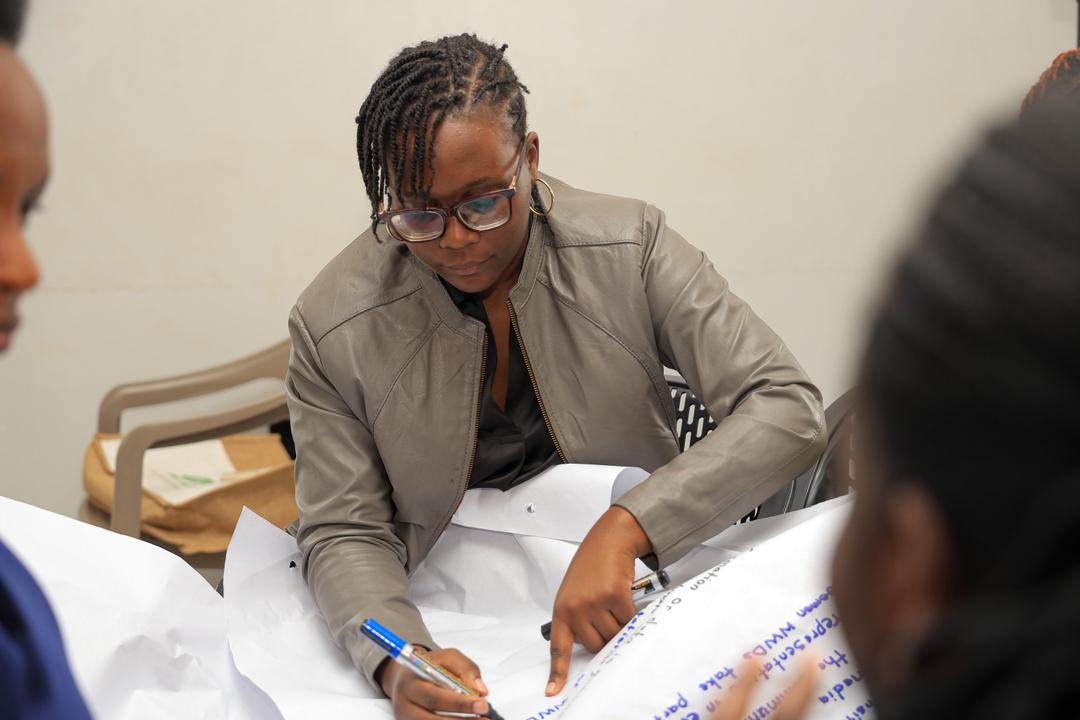
At the end of the day, they resolved that there’s a need to shift from derogatory or pity-based narratives to positive, empowering messages that recognize persons with disabilities as active contributors and leaders in climate resilience. Breakout sessions later delved deeper into three thematic areas: Access to Justice & Legal Empowerment; Climate Impacts, Mobility & Risk; and Improved Knowledge and Visibility.
How Did the Event Advance Inclusive Climate Policy in Uganda?
The dialogue generated concrete outcomes, including heightened awareness of the intersection between climate change, gender, and disability. It strengthened recognition that women with disabilities face amplified risks from floods, droughts, landslides, and unpredictable weather — often due to inaccessible infrastructure, limited early-warning systems, and socio-economic exclusion.
Stakeholders made commitments to integrate disability and gender perspectives into national climate planning. Plans were also announced for a position paper capturing key priorities and actions for inclusive climate governance, to be presented to national policymakers. Elizabeth presented the draft position paper, and the day closed with reflections and commitments from participants, emphasizing that “no one should be left behind” in Uganda’s climate response.
Why Does This Event Matter for Uganda’s Climate Action?
Uganda faces escalating climate threats, including intensified floods, prolonged droughts, and landslides. These impacts disproportionately harm women with disabilities through disrupted livelihoods, health risks, barriers to evacuation, and increased vulnerability to gender-based violence in the aftermath of disasters. Yet, their perspectives are rarely included in policy formulation or community responses.
Events like Resilient Voices directly address this gap by creating platforms for intergenerational dialogue, evidence-sharing, and accountability. By centering lived experiences and linking them to legal empowerment, governance, and visibility, the dialogue contributes to more effective, equitable climate solutions.
What’s Next for Igniteable Foundation and the Movement?
With partners like Inclusive Climate Change Adaptation for a Sustainable Africa (ICCASA) already supporting her work and connections established with government ministries (including Gender, Labour, and Social Development), Phionah Boonabaana and Igniteable Foundation are likely to drive meaningful change. The foundation aims to empower women with disabilities as leaders in climate adaptation, amplify their stories, and push for structural inclusion.
As Boonabaana concluded: “This is just the beginning of a louder and more intentional movement that resists exclusion, demands justice, and ensures no one is left behind.” As the dialogue wrapped up at 4 PM, the sense of accomplishment was palpable, and despite the rain, the discussions had ignited a flame of inclusion.
The Resilient Voices Dialogue was a declaration that climate justice in Uganda must be inclusive, or it will not be justice at all. We will continue following this important work and collaborating with stakeholders to keep these resilient voices at the forefront.