
Table of Contents
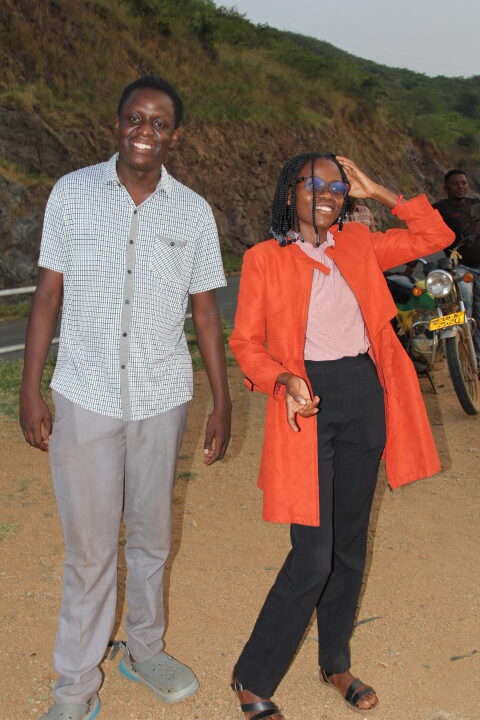
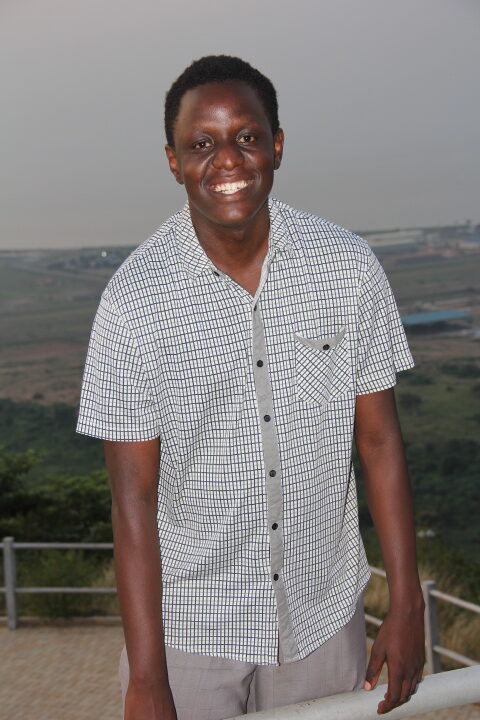
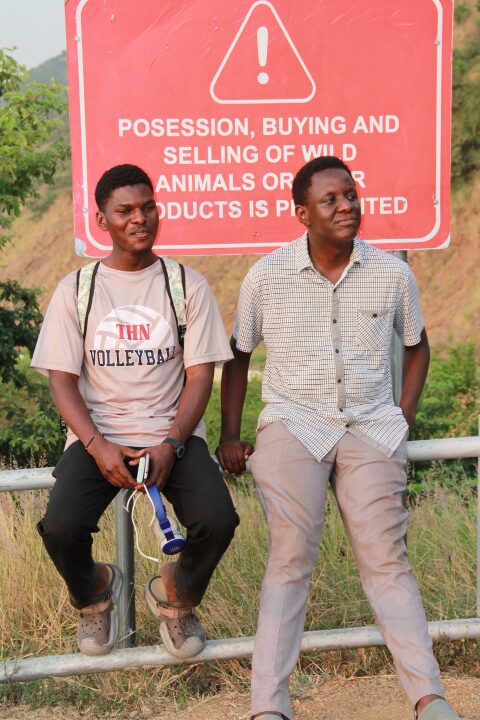
My first time in Western Uganda, Kyangwali, Kikuube District, near Hoima City
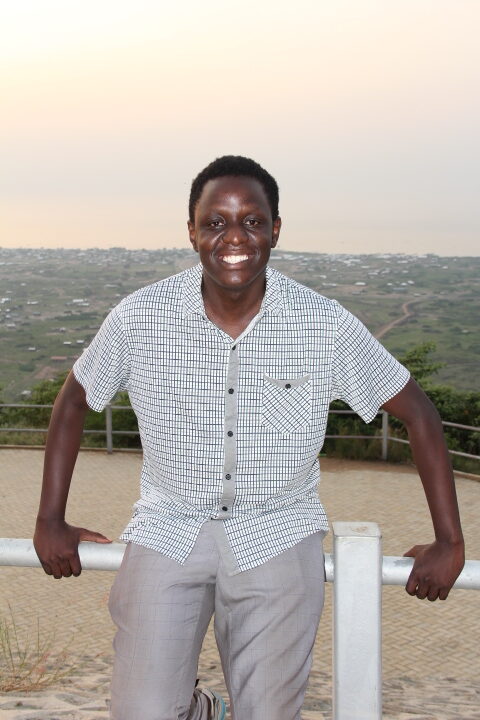
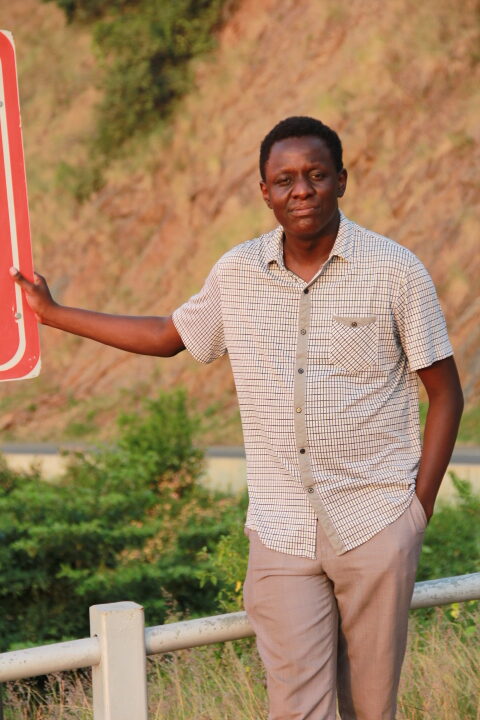
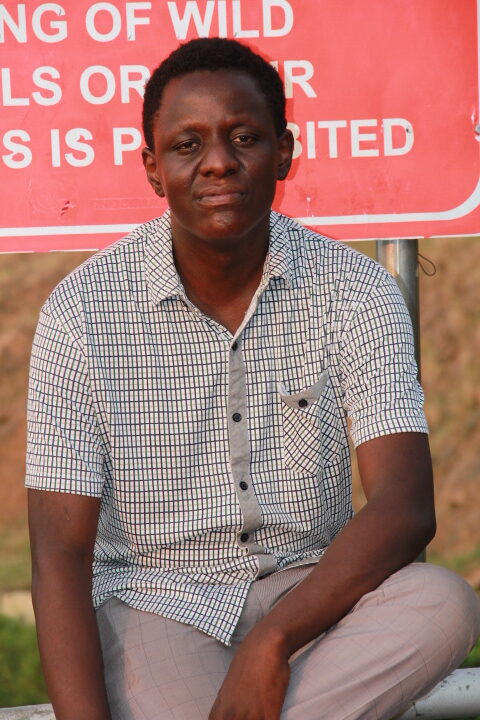
I swear, I had never set foot in Western Uganda. For the twenty-six years I have navigated this life, my compass has always been locked toward the East. My feet knew the rhythm of Jinja, the familiar breeze of the Nile as it births itself from Lake Victoria, and the rugged, storied landscape of my home district, Tororo. To me, the “West” was a distant rumor—a place of rolling hills and different dialects that I had only ever seen through the lens of a news report or the pages of a textbook.
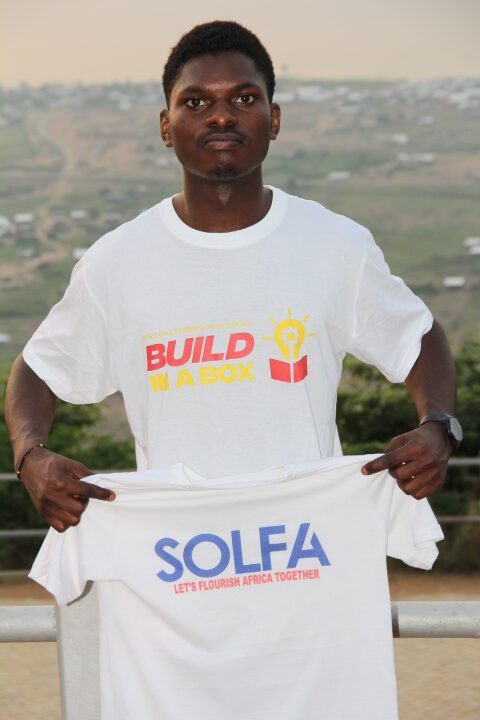
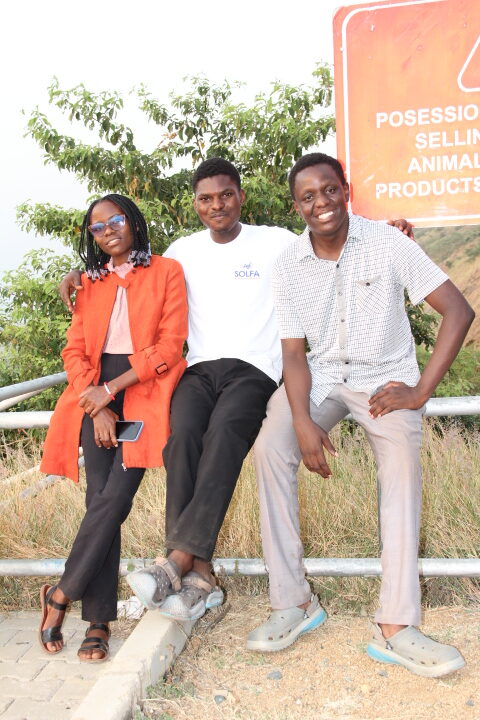
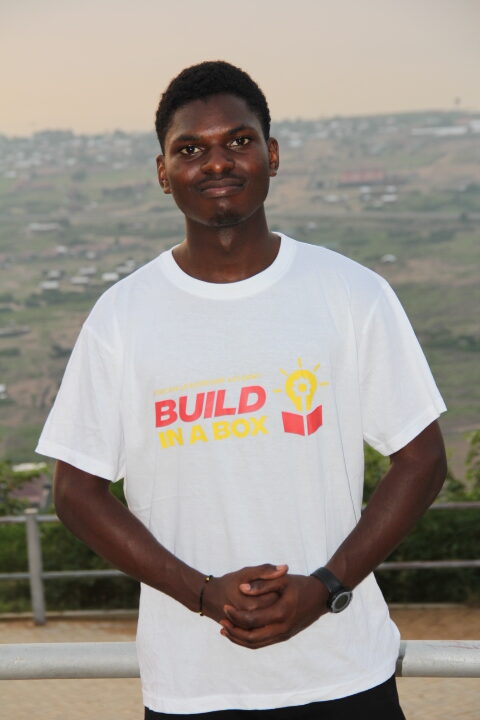
That changed when the ink dried on my most significant milestones. I hadn’t even harbored a vague idea of traveling that way until I officially registered Kampala Edge Times as a brand and a company. It was the birth of a legacy, and almost immediately, it was followed by a partnership that would bridge my digital world with the visceral reality of social impact: a contract with SOLFA Africa. That was the catalyst. That was how I found myself invited as the Chief Guest for the One Dream One Stage Festival. I wasn’t just going as a spectator; I was going as a witness to hope.
Why did the journey feel like a crossing of worlds before it even began?
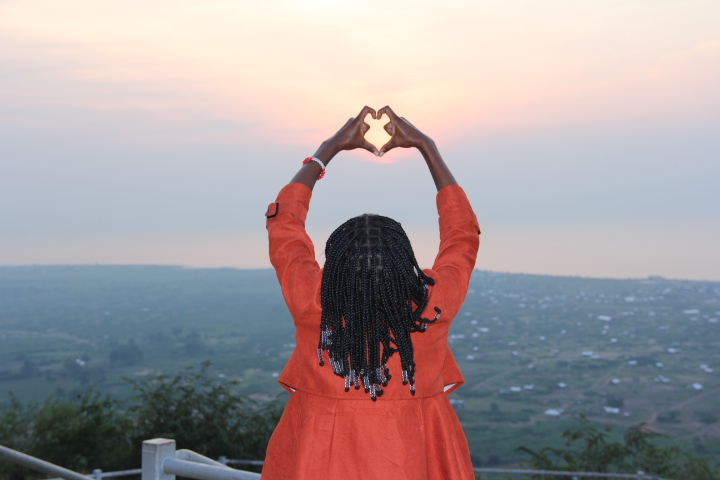
The switch from a digital strategist in the city to a guest of honor in a refugee settlement is not a simple leap; it is a slow transformation. As I prepared to leave, the weight of the responsibility settled into my bones. I was carrying the reputation of my new company and the expectations of a community I had never met. The nervousness wasn’t just about the speech I had to give; it was the realization that I was leaving the familiar “Rock City” vibes of the East for a frontier that felt entirely alien. I was crossing the Nile, not for a weekend getaway, but to encounter a version of Uganda I had only ever known in theory.
How did a “comedy of errors” turn a bus ride into a trial of endurance?
On 3rd January 2026, I was supposed to board a “Global Coach”—a name that suggests a certain level of dignity, a promise of a reclining seat, and perhaps a functional air conditioner. But the universe has a way of humbling those who travel with grand titles. Through a series of redirections and missed timings, I found myself ushered onto a different bus entirely.
The “Global” comfort I expected was replaced by the raw, unvarnished reality of a long-haul trek to Hoima. The seats had seen better decades, and the air was a thick mix of engine heat and the collective breath of travelers. As we pushed toward the Kikuube District, the road began to demand its toll. Every pothole was a reminder that I was no longer in the paved sanctuary of the city. The physical struggle was real—the swaying of the bus, the constant vibration, and the sheer length of a road that seemed to stretch into infinity. I sat there, a “Chief Guest” in a dusty seat, wondering if my tranquility would survive the trip.
Who was the invisible anchor during my descent into the unknown?
Traveling through Hoima, a district I knew absolutely nothing about, the sense of isolation could have been overwhelming. But in the middle of that vast, unfamiliar landscape, I had an anchor. Pierre Mulindi, the Operations Officer of SOLFA Africa, became the voice that bridged the gap between my anxiety and my destination.
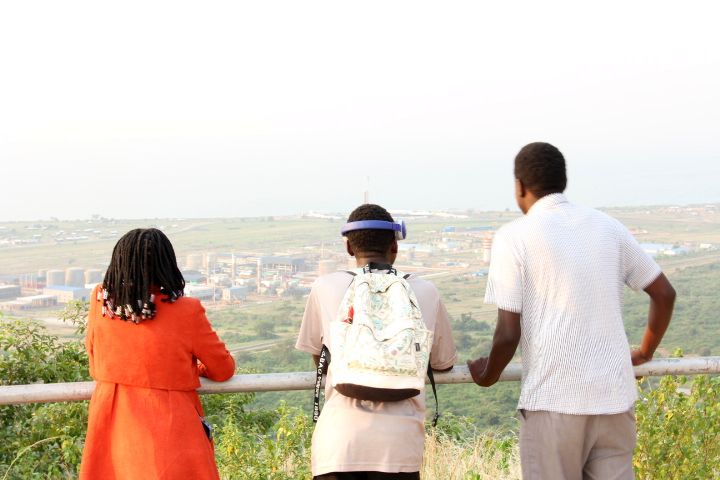
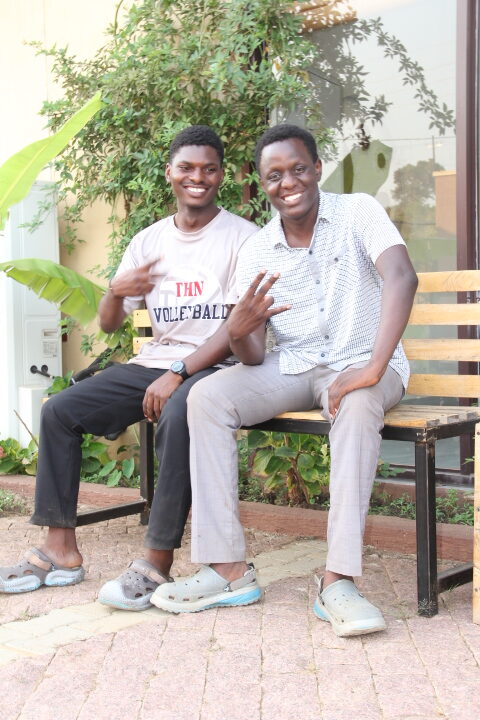
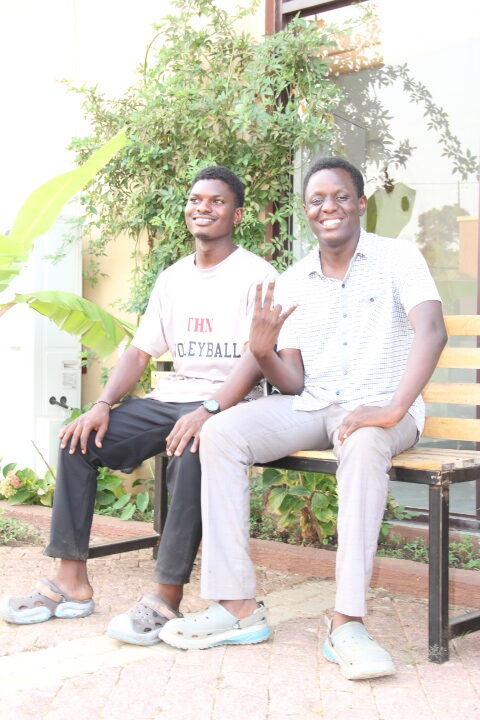
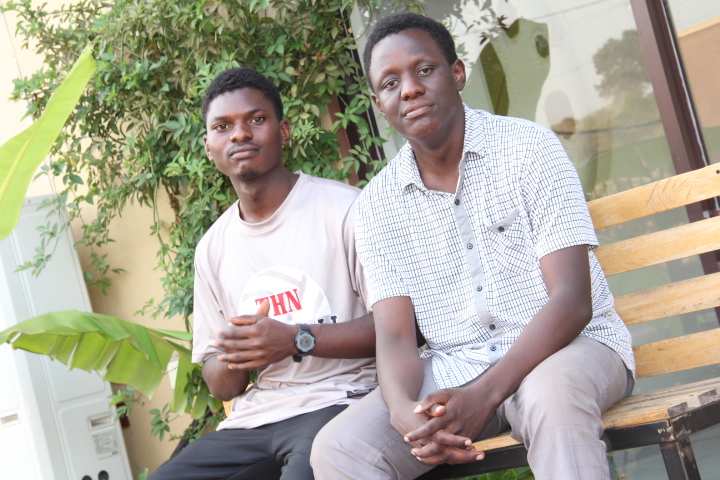
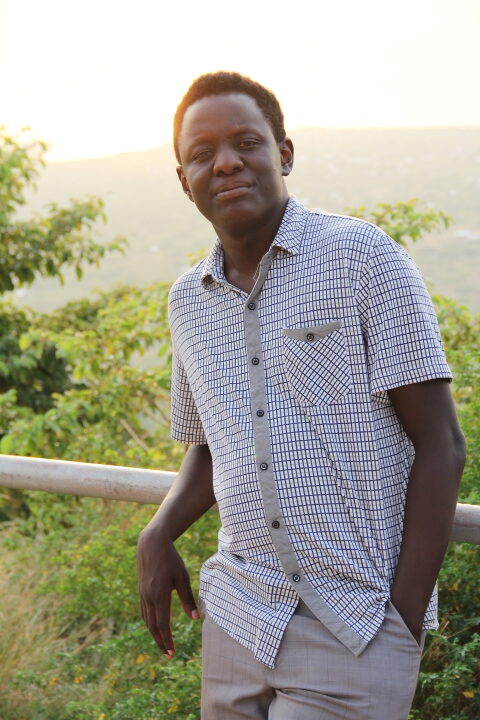
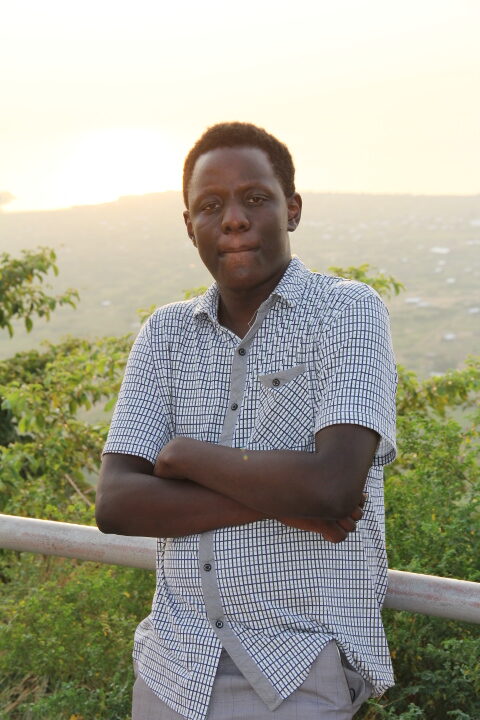
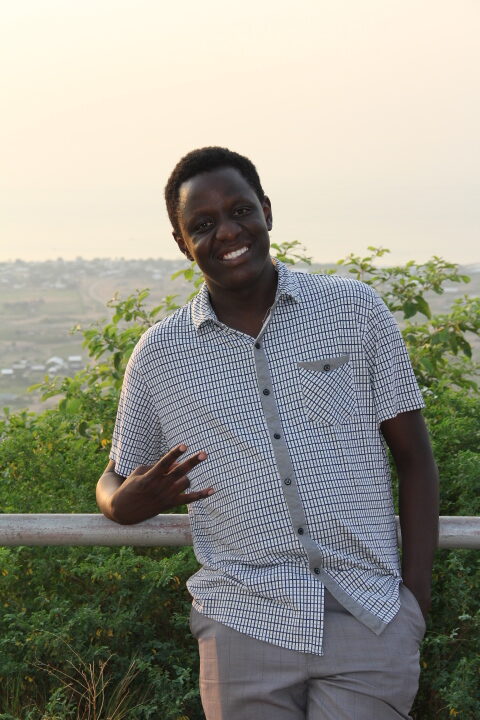
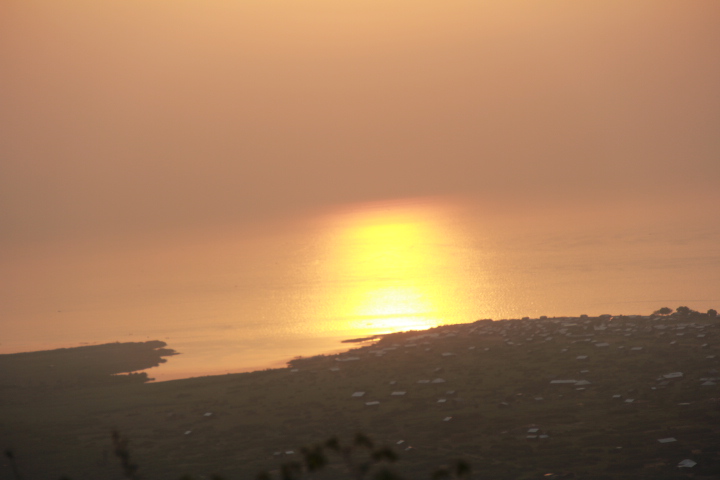
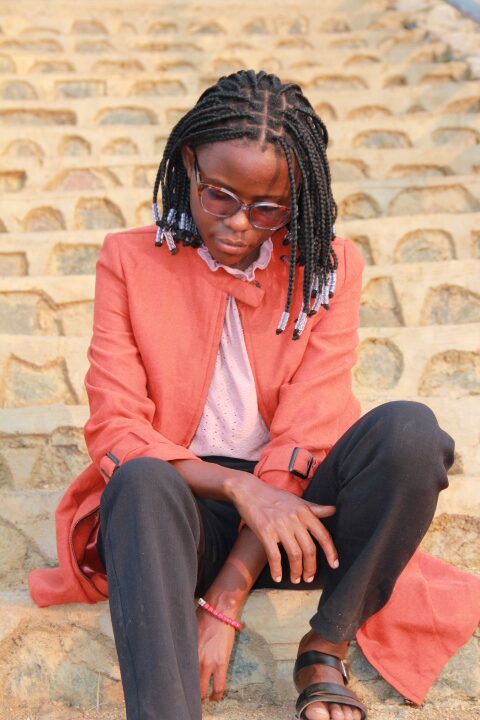
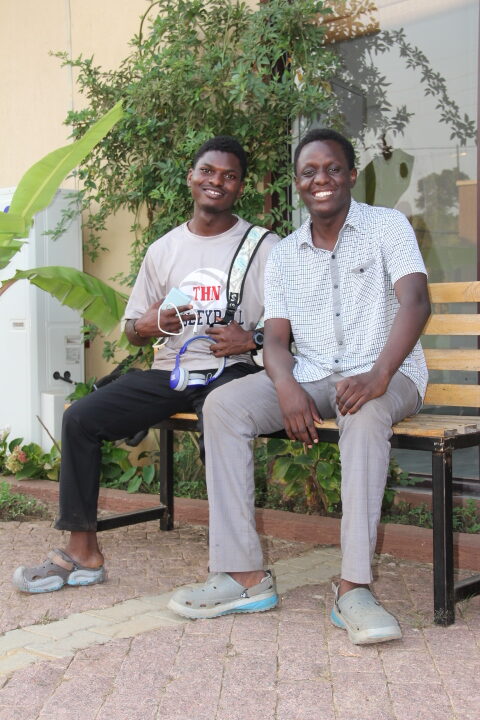
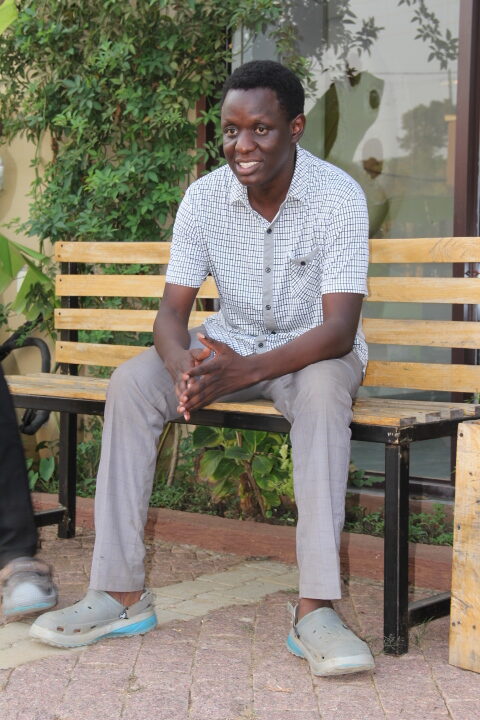
Every hour, like clockwork, my phone would buzz. It was Pierre. He wasn’t just checking my location; he was checking my spirit. “Are you okay? Have you lost your tranquility?” he would ask. His hospitality started long before I settled. Through those phone calls, I felt the DNA of the SOLFA team—a group of people who don’t just organize events, but who care for the human beings within them. Pierre’s voice was the thread that pulled me through the dust of Kikuube until the gates of Kyangwali finally appeared.
What happens when the dust settles and the “One Dream” begins?
Arriving in Kyangwali is a sensory overload. The red dust of the road finally gives way to the vibrant, pulsing life of the settlement. When I stepped into the Red Cross Main Hall, the exhaustion of the journey evaporated instantly. The heat inside was intense, yes, but it was nothing compared to the electric anticipation of the hundreds of young souls packed into that space.
South Sudanese, Congolese, Rwandese—the hall was a microcosm of the continent’s struggles and its incredible resilience. I took my place at the front, the “Chief Guest,” but as I looked at the faces in the crowd, I felt like a student. I was there to speak, but the atmosphere was already shouting a message of its own: We are here, and we will be heard.
Why did a rapper named “John Cee” feel like a mirror of my own journey?
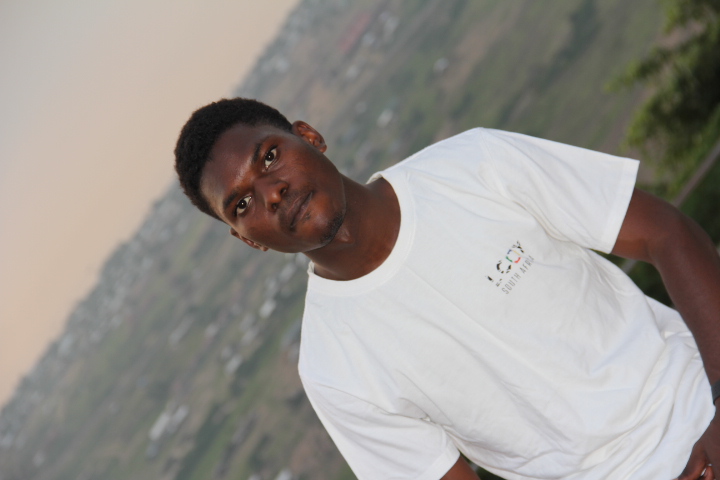
Of all the talent that graced that stage, one young man commanded the room with a force that stopped my heart. He was a Sudanese rapper known as John Cee. When he was introduced, I sat up a little straighter—he shared one of my names. But the connection went deeper than a name.
John Cee didn’t just perform; he occupied the stage with a professional “swagger” that felt like a shield against the hardships of refugee life. His lyrics, a blend of his heritage and modern hip-hop, weren’t a plea for pity. They were a declaration of excellence. Watching him, I realized that my journey from the East to the West, and my journey from a startup to a registered company, shared the same core frequency as his performance: the audacity to believe you belong on the big stage, no matter where you started.
How can a face from the past redefine the meaning of progress?
The surprises didn’t end with the music. As the debate and advocacy segment began, a young man walked up to the microphone, and I felt a jolt of recognition. It was Samuel Usabuwera, a former client of mine from 2024. Seeing him there, miles away from our last encounter, was a profound moment of “slow burn” realization.
In 2024, he was someone I was helping; in 2026, in the heart of Kyangwali, he was a powerful debater, an advocate, and a leader. His growth was a living testament to the fact that talent doesn’t just exist in refugee settlements—it thrives when given a platform. Seeing Samuel articulate his vision with such clarity was the highlight of my trip. It proved that the work we do in digital strategy and media isn’t just about clicks; it’s about the people who use those tools to change their own narratives.
What remains after the certificates are handed out and the lights go down?
The festival concluded with a colorful awards ceremony. As I stood there presenting certificates to the best performers—from the comedic genius of Maria Rosa to the athletic energy of the Hip-Hop Dancers—I felt a deep sense of alignment.
I came to Western Uganda as a stranger, a city-dweller wary of the dust and the distance. I left as a man who had seen the “One Dream” in its purest form. My journey to Kyangwali taught me that the most impactful stories aren’t found in the comfort of a “Global Coach.” They are found at the end of the difficult roads, in the voices of rappers like John Cee, and in the eyes of advocates like Samuel.
The “One Dream” of these young people is the same dream I carried when I registered my company: the simple, powerful, and immovable force of wanting to be seen, heard, and valued. Western Uganda is no longer a rumor to me; it is the place where I found the soul of my work.