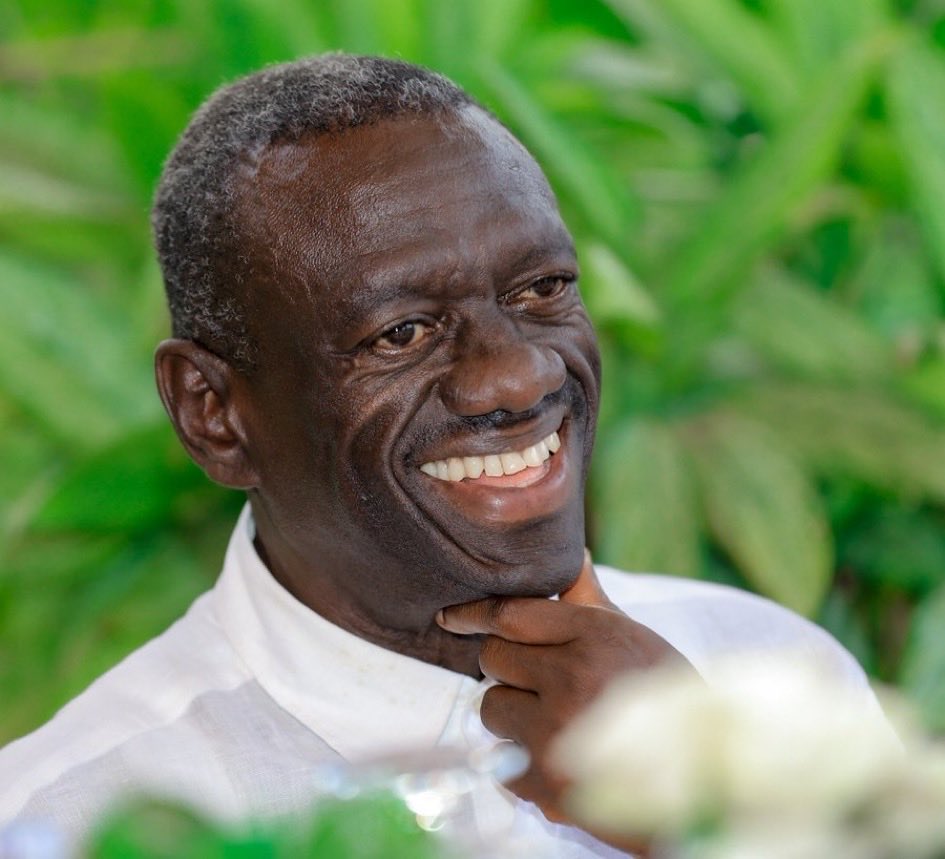

A coalition of East African human rights organizations and Kenyan civil society groups have announced nationwide protests set for Thursday, September 3, 2026, demanding the immediate release and emergency medical evacuation of jailed Ugandan opposition leader Dr. Kizza Besigye.
The demonstrations, organized by human rights watchdog Vocal Africa alongside regional pro-democracy movements, will center on Nairobi’s Central Business District (CBD), specifically targeting Kenya’s Ministry of Foreign Affairs and Ministry of Interior and National Administration.
The planned protests follow a dramatic deterioration in Besigye’s health inside Luzira Prison, alongside mounting outrage over Kenya’s admitted role in his November 2024 abduction and illegal cross-border rendition from Nairobi to Kampala.
Protesters are demanding an independent, time-bound international inquiry into Kenyan state complicity, immediate medical clearance for Besigye to travel to Geneva, Switzerland for specialized treatment, and accountability for top military commanders over alleged threats against his life.
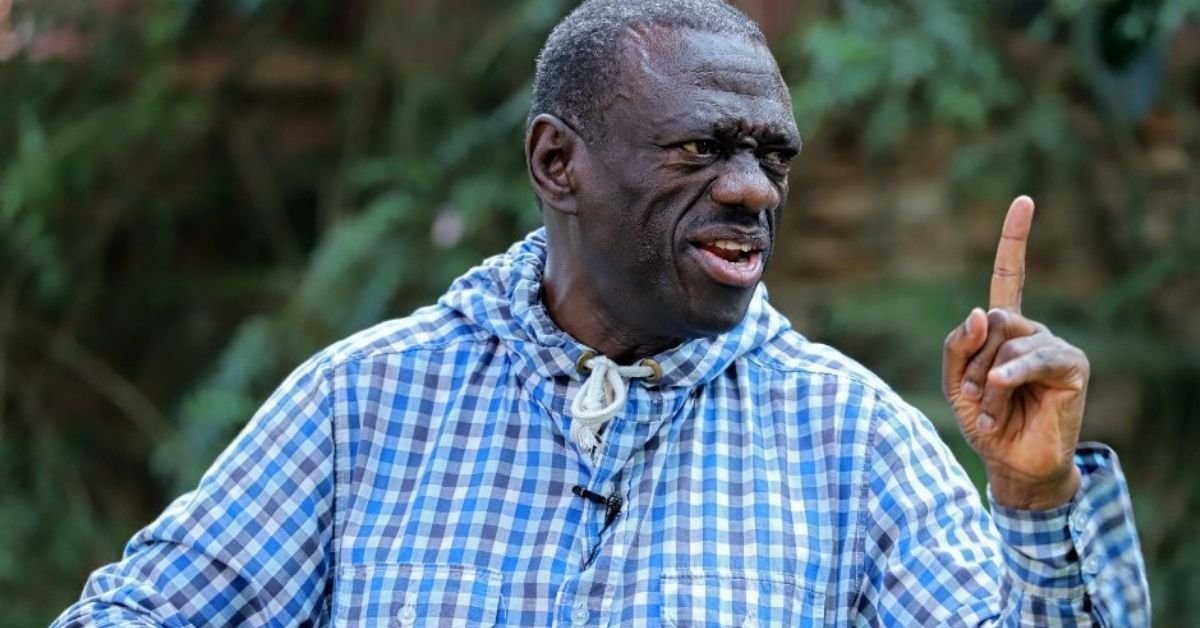
Why are Kenyan activists launching nationwide protests over Kizza Besigye?
Addressing a joint press conference in Nairobi on Wednesday, September 2, 2026, activist leaders accused the Kenyan government under President William Ruto of violating constitutional and international human rights frameworks by facilitating the cross-border abduction of foreign political dissidents.
Chief Executive Officer of Vocal Africa, Hussein Khalid, stated that Kenya’s security apparatus committed a grave breach of international law by handing Besigye over to Ugandan security agencies, where he faced torture and solitary detention.
“Under international law, it is the principle of non-refoulement that dictates a person is not supposed to be renditioned back to a country where they are going to face oppression, harassment, and torture,” Hussein Khalid declared. “Clearly, the Kenyan government violated that fundamental international principle.”
Renowned activist Julius Kamau emphasized that the protest campaign will not cease until formal criminal investigations are launched into Kenyan officials who authorized the operation:
“There must be an independent and time-bound investigation establishing who requested, authorized, facilitated, and concealed Dr. Besigye’s rendition,” Kamau urged. “All relevant communication, surveillance records, border logs, and operational orders must be preserved and disclosed immediately.”
Activist Muteti Mulingi warned that Besigye’s case reflects a dangerous trend of state-sanctioned cross-border repression expanding across the East African Community (EAC), pointing to similar abductions involving opposition figures from Tanzania, Rwanda, South Sudan, and Zambia.
In addition to demanding Besigye’s release, activists highlighted the systemic harassment of his legal defense team. Former Kenyan Minister for Justice Martha Karua, who traveled to Kampala to lead Besigye’s legal representation, was detained, declared persona non grata, and forcibly deported back to Kenya. Meanwhile, Ugandan co-counsel Erias Lukwago faces charges of misprision of treason, and human rights attorney Eron Kiiza remains remanded.
How did Kenya cooperate with Uganda in the arrest and rendition of Kizza Besigye?
The geopolitical crisis dates back to November 16, 2024, when Dr. Kizza Besigye and his aide, Hajji Obeid Lutale, were seized by armed plainclothes operatives from a residential apartment complex in Nairobi, where Besigye was attending a book launch.
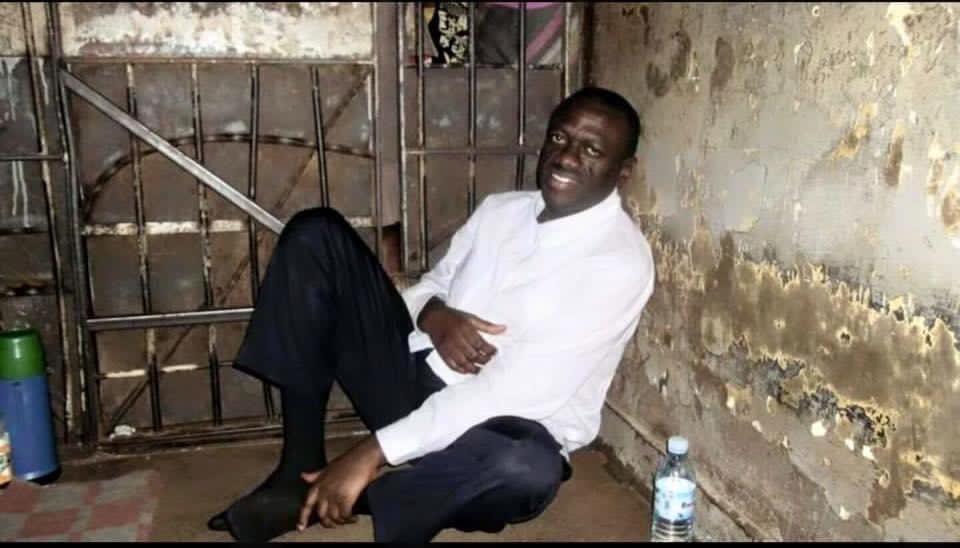
Held incommunicado for several days without access to legal counsel or diplomatic intervention, Besigye secretly surfaced before the General Court Martial in Makindye, Kampala, wearing a civilian suit alongside military guards.
Also read about Byanyima
Following a landmark ruling by Uganda’s Supreme Court prohibiting the trial of civilians in military courts, the State transferred Besigye’s case to the civilian High Court system, slapping him with treason charges.
| Date / Timeline | Key Event / Incident | Operational Details & Legal Impact |
| November 16, 2024 | Abduction in Nairobi | Besigye and Hajji Obeid Lutale seized in Nairobi CBD; forcibly rendered to Uganda. |
| December 2024 | Court Martial Appearance | Charged with security offenses at Makindye Court Martial before transfer to civilian courts. |
| May 2025 | Kenya Admission of Complicity | CS Musalia Mudavadi admits Kenya “cooperated” with Ugandan authorities in transfer. |
| July 29, 2026 | High Court Collapse & ICU | Besigye collapses inside Kampala High Court; admitted to Mulago Hospital ICU. |
| August 18, 2026 | Ruling on Absentia Trial | Justice Emmanuel Baguma orders trial to proceed despite Besigye’s speech/writing loss. |
| August 28 & 31, 2026 | Emergency Hospital Evacuations | Transferred under dark cover to JCRC hospital; second emergency evacuation from Luzira. |
| September 3, 2026 | Nationwide Nairobi Protests | Kenyan activists launch street protests at Foreign Affairs & Interior Ministries. |
For months, Kenyan security agencies denied involvement in the abduction. However, in May 2025, Kenya’s Cabinet Secretary for Foreign and Diaspora Affairs, Musalia Mudavadi, publicly acknowledged state involvement.
Speaking during a diplomatic briefing, Mudavadi confirmed that Kenya “cooperated with Ugandan authorities” in facilitating Besigye’s removal, claiming that Besigye had not formally applied for asylum and that his presence in Nairobi presented “unspecified security concerns.”
Legal experts and human rights organizations maintain that Mudavadi’s admission confirms state-sponsored extrajudicial extradition that bypassed Kenya’s Extradition Act and Article 33 of the 1951 Refugee Convention.
What is the health status of Kizza Besigye inside Luzira Prison and JCRC?
The urgency driving Thursday’s street demonstrations stems from a critical, life-threatening decline in Besigye’s physical condition.
On July 29, 2026, the 69-year-old politician collapsed inside the steel dock of the High Court in Kampala during a morning trial session. He was rushed under heavy military escort to the Intensive Care Unit (ICU) at Mulago National Referral Hospital.
Despite being returned to Luzira Maximum Security Prison, his wife, UNAIDS Executive Director Winnie Byanyima, confirmed that Besigye suffered severe neurological and muscular damage, leaving him unable to walk, speak, or write without extreme difficulty.
On Friday night, August 28, 2026, prison authorities executed a covert, late-night transfer, moving Besigye from Luzira Prison to the Joint Clinical Research Centre (JCRC) along Entebbe Road after his vital signs crashed. Three days later, on August 31, he required another emergency medical evacuation.
Winnie Byanyima has repeatedly petitioned the Ugandan Judiciary, the Ministry of Internal Affairs, and international diplomatic missions to grant her husband medical bail, allowing him to fly to Geneva, Switzerland for specialized neurological treatment.
“My husband is severely weak and unable to walk or speak normally,” Winnie Byanyima stated in a public appeal. “Holding a critically ill person in prison while forcing him through a treason trial in absentia is nothing short of slow state execution.”
Why is General Muhoozi Kainerugaba facing criticism from human rights groups?
As protests mount in Nairobi, Kenyan civil society groups have directed sharp criticism toward Uganda’s Chief of Defence Forces (CDF), General Muhoozi Kainerugaba, over public statements regarding Besigye’s detention.
Human rights advocates point to social media posts and public remarks attributed to the army commander, in which he discussed the opposition leader’s fate in captivity.
Activist Julius Kamau cited statements in which General Muhoozi allegedly declared that Besigye would leave prison “either in a coffin or on his knees begging for an apology.”
“Gen. Muhoozi Kainerugaba, the Ugandan CDF, must be held accountable,” Kamau told reporters in Nairobi. “He has publicly described Dr. Besigye as a ‘dead man walking.’ In any civilized society, such statements from the head of the military against a detained political rival constitute state-sanctioned death threats.”
Activists are appealing to the International Criminal Court (ICC), the African Commission on Human and Peoples’ Rights (ACHPR), and Western diplomatic partners to impose targeted travel bans and asset freezes on Ugandan military officers overseeing Besigye’s custody.
What is happening in the Kizza Besigye treason trial at High Court Kampala?
While Besigye lies incapacitated in medical facilities, his high-stakes treason trial continues inside the Criminal Division of the High Court in Kampala.
On August 18, 2026, presiding judge Justice Emmanuel Baguma ruled that court proceedings would continue in absentia. The judge cited specialist medical evaluations indicating that while Besigye could no longer speak or write normally, he possessed the cognitive ability to “understand proceedings.”
Besigye is co-accused alongside his aide Hajji Obeid Lutale (who remains in dock without legal representation) and Captain Denis Oola. The trio faces charges of plotting to overthrow President Yoweri Museveni’s government through armed force.
The State’s prosecution team—led by Chief State Attorney Richard Birivumbuka and Assistant Director of Public Prosecutions Thomas Jatiko—has relied almost entirely on the testimony of its star witness, American private security investigator Andrew Wilson.
Summary of State Witness Andrew Wilson’s Court Testimony
- Covert Power Bank Recording: Wilson testified that he used covert cameras disguised inside a portable power bank to secretly record meetings with Besigye and Swiss-based Ugandan associate Joel Wakayima in Geneva, Athens, and Switzerland throughout 2024.
- Alleged Coup Plot & Weapons: Wilson claimed the group sought to recruit 40 to 60 individuals for paramilitary training in Kisumu, Kenya, while attempting to acquire firearms, hand grenades, surface-to-air missiles, and ricin poison.
- Entebbe Drone & Cafe Javas Allegations: The witness alleged that discussions included using a drone to target commercial aircraft at Entebbe International Airport, detonating a hand grenade at Café Javas on Acacia Avenue in Kampala, and placing $5 million in a Dubai bank account.
- Econmic Destabilization Plan: Wilson claimed the group plotted to flood the Ugandan economy with counterfeit $5,000 banknote stacks to trigger hyperinflation.
However, Wilson’s evidence faced intense cross-examination and public skepticism during hearings on August 24 and September 1, 2026.
Multiple audio and video recordings played in open court suffered from severe distortion, loud static, and unidentifiable visuals, prompting defense observers to walk out of the courtroom.
Crucially, Wilson admitted under oath that video recordings from the specific November 16, 2024 meeting in Nairobi—where Besigye was subsequently abducted—were lost after Kenyan police officers intervened, seized his recording hardware, and forced him to flee the scene.
As Kenyan protesters prepare to march through the streets of Nairobi on Thursday, the convergence of street demonstrations, international legal scrutiny, and deteriorating medical health places Dr. Kizza Besigye’s trial at the center of East Africa’s defining political struggle.