
Table of Contents
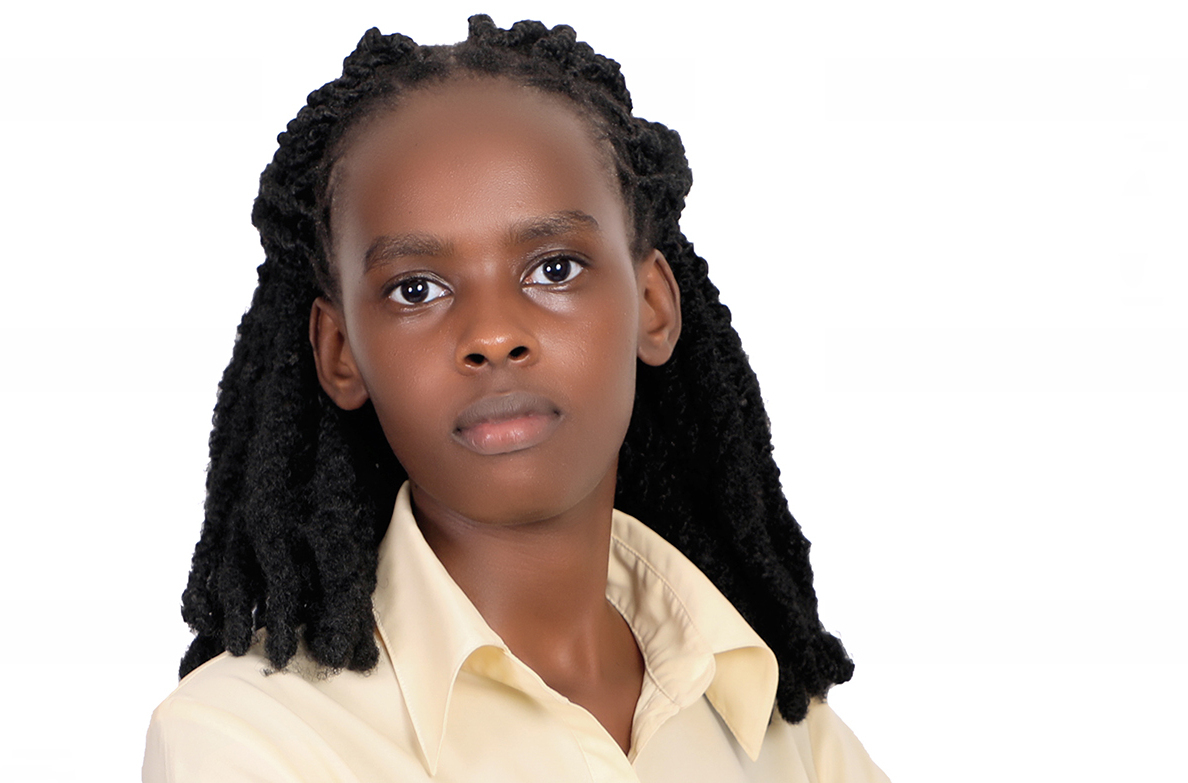
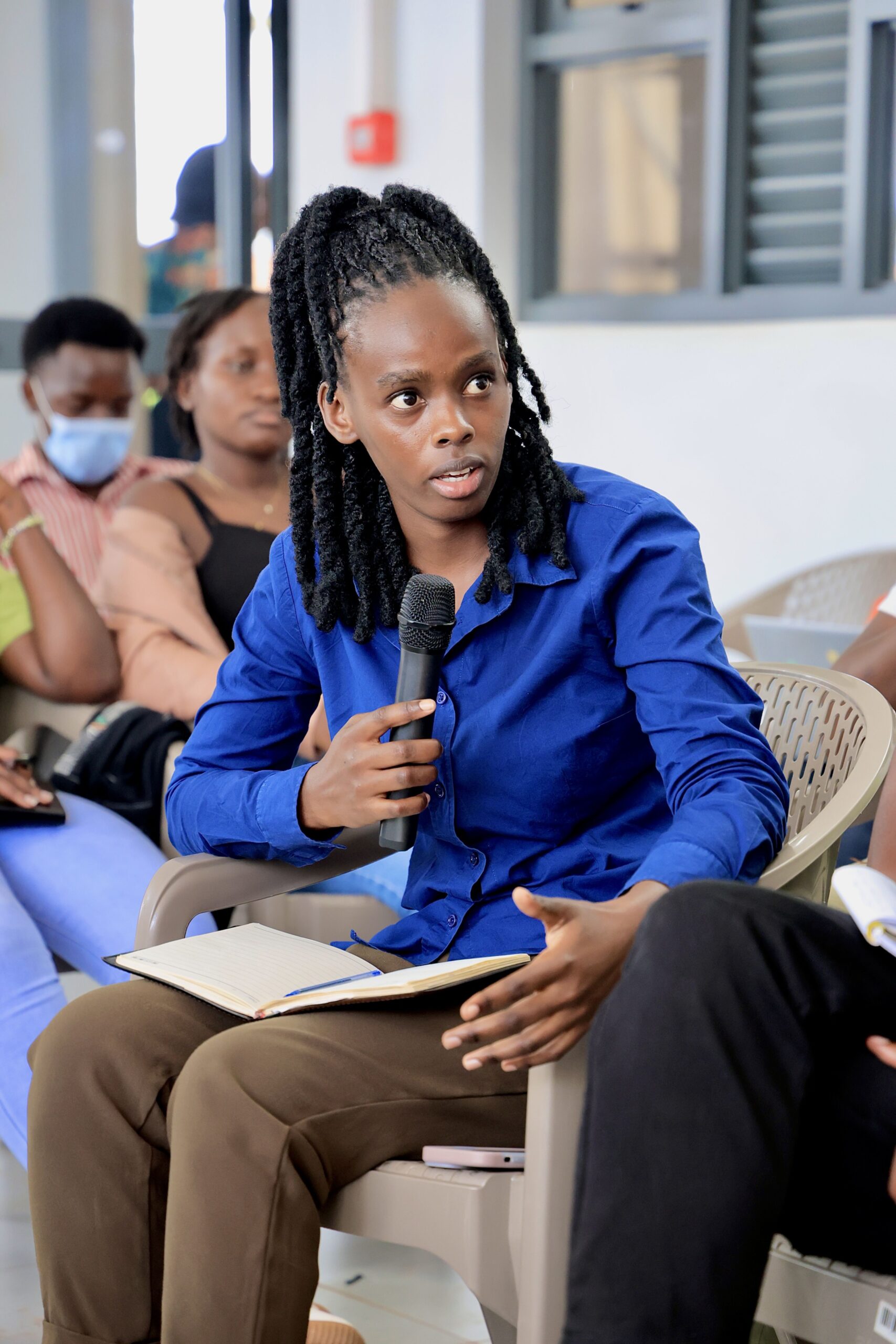
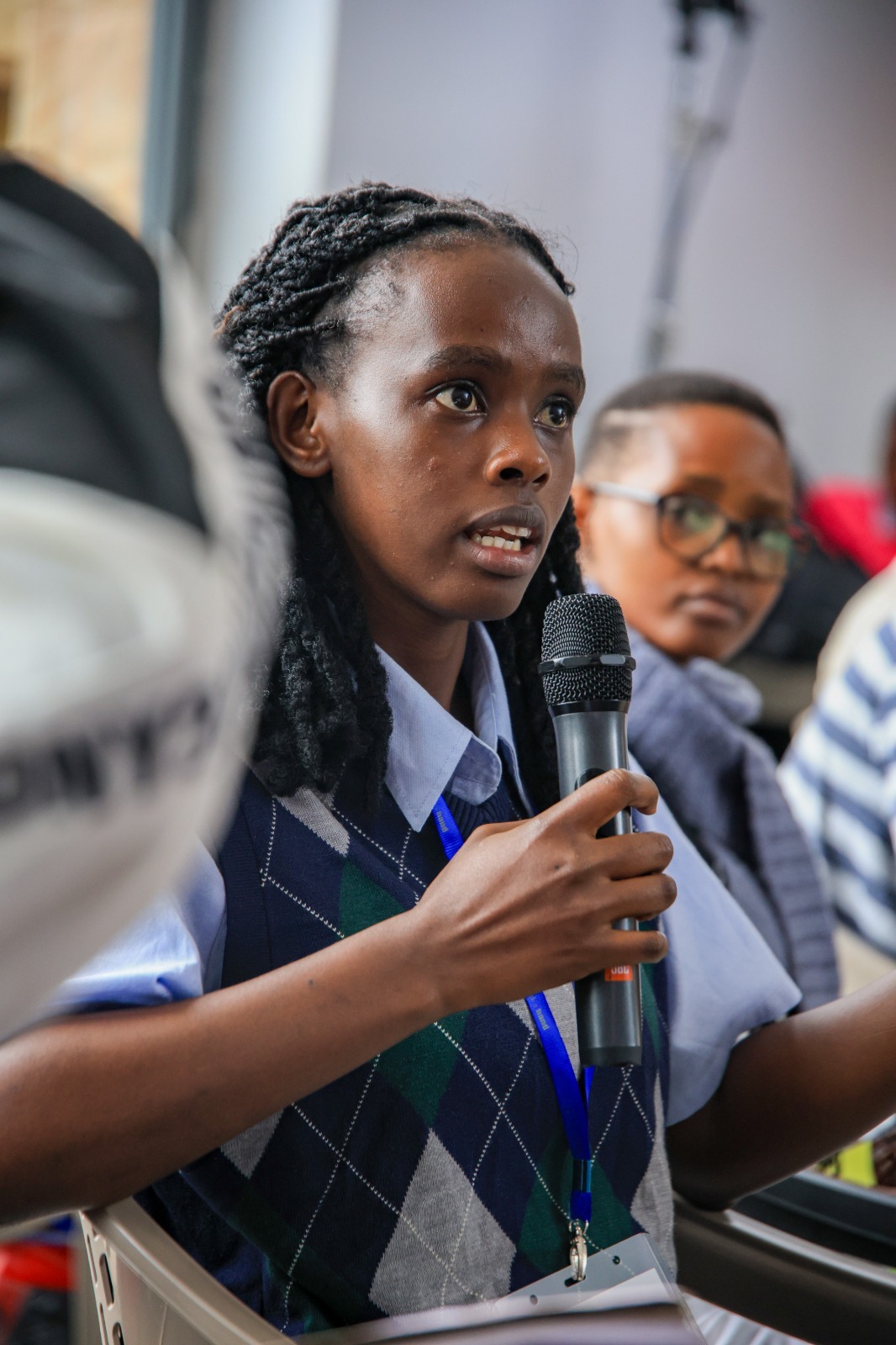
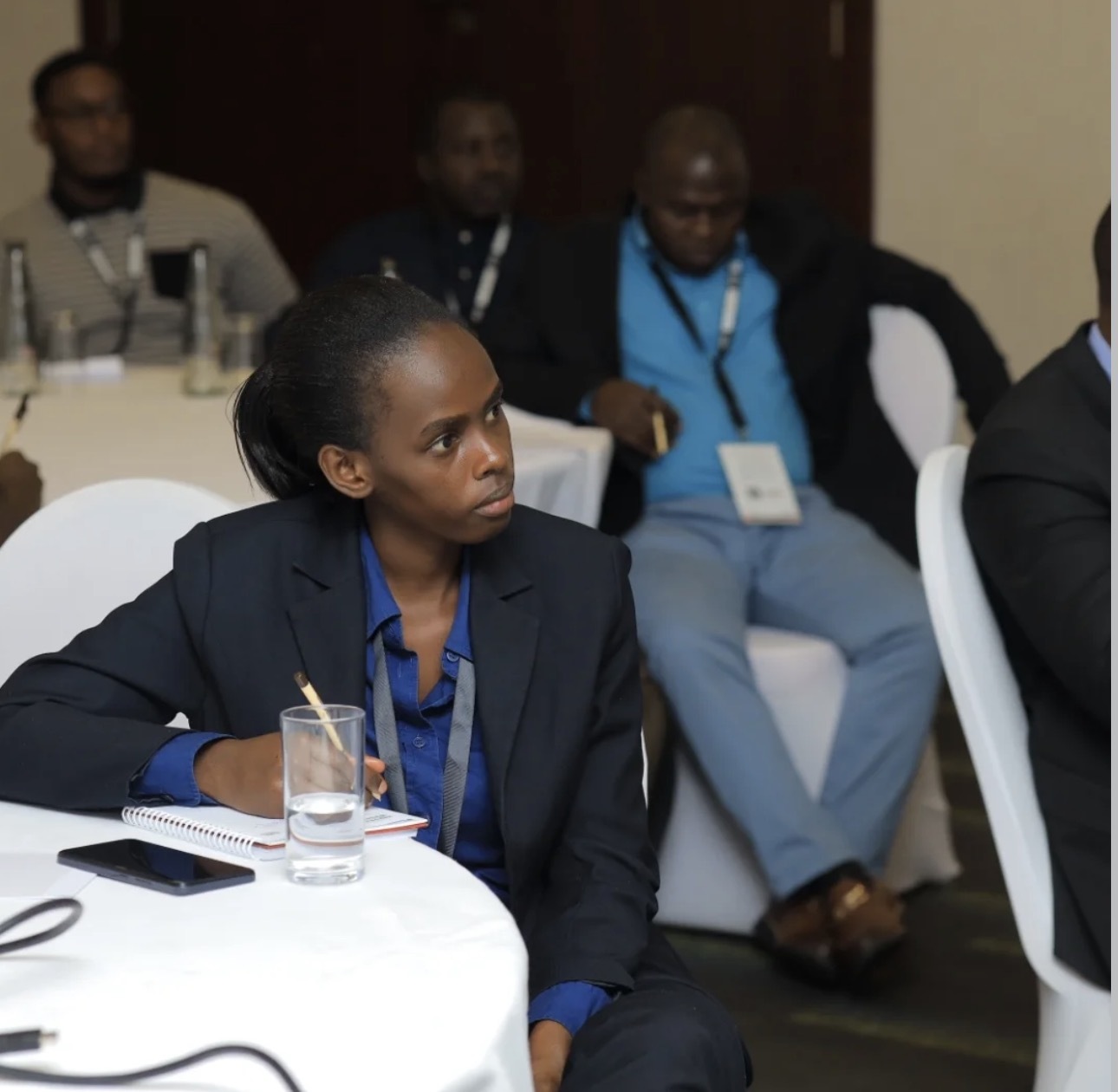
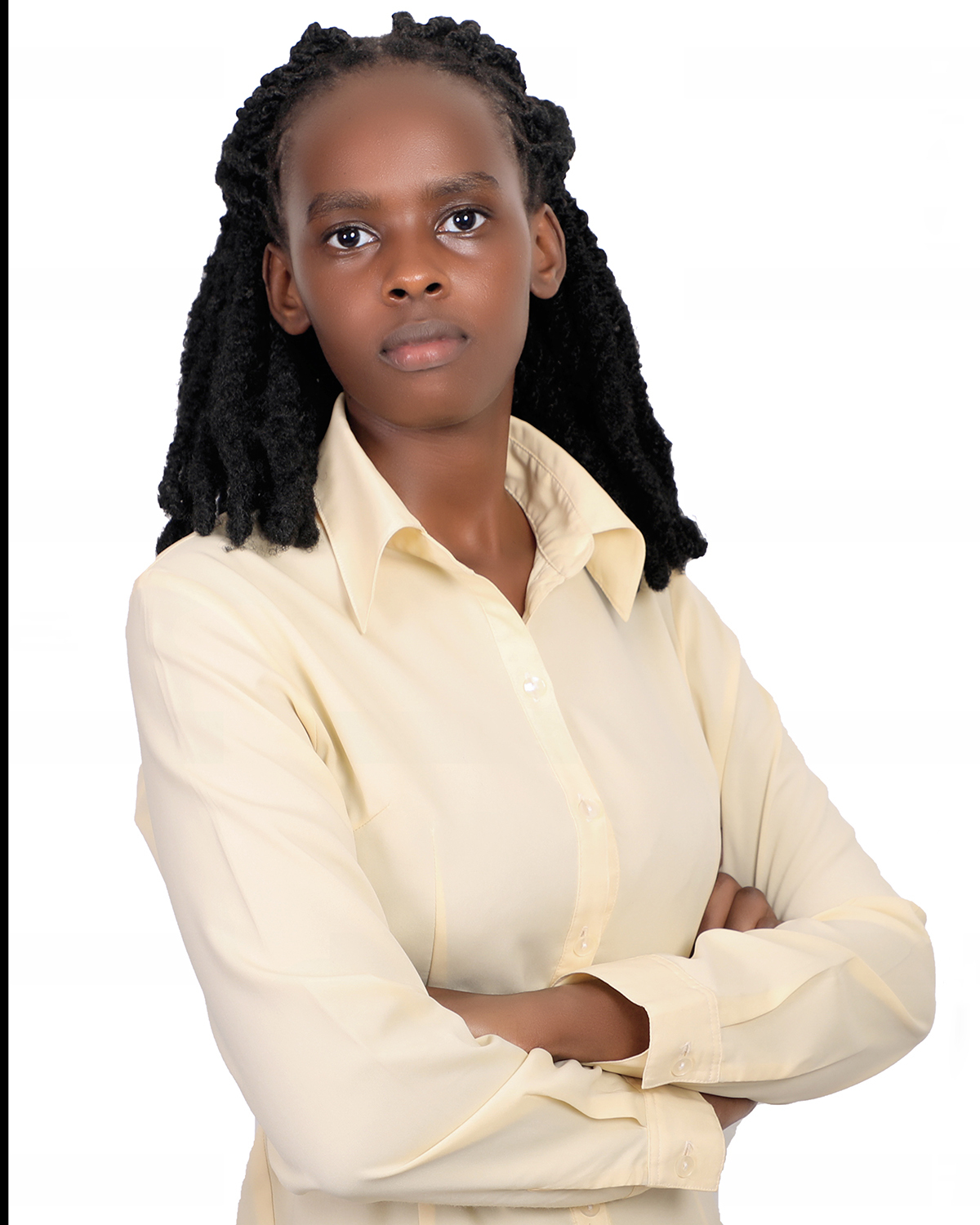
In this exclusive Q&A, Leticia Kobusingye Gashumba shares tells us her life story, her inspirations, and work as a Ugandan poet. Leticia Kobusingye is the team lead at Kelele Pen Tribe, a mental health advocate, and co-founder of Upshift Youth Empowerment Initiative. Through her responses, she reveals the personal experiences that fuel her passion for storytelling and youth empowerment. Follow her via LinkedIn here.
1. Who is Leticia Kobusingye? Can you tell us a bit about yourself and your background?
I am a Ugandan writer, poet, mental health advocate, and social entrepreneur. Currently, I am also pursuing a Bachelor of Laws at Kampala International University. At my core, I am a storyteller who believes in the transformative power of words. This belief drives my work in youth empowerment, where I use creative expression as a tool for healing, advocacy, and personal development.
2. When and where were you born?
I was born on 3rd March 2003 in Buikwe District. I like to call myself a small girl from a dusty road, ready to take on the world by storm.
3. Who are your parents, and what do they do or did they do professionally?
My parents are Mr. and Mrs. Gashumba. My mother dedicated her life to our upbringing as a stay-at-home mum, and she is a deeply creative and innovative woman. My father is a mechanic who empowered many young people in our community by teaching them his skills.
4. What is your family like? Do you have siblings?
I come from a large and vibrant family of twelve children, and I am the second last born. Growing up with so many older siblings meant I was always looked after and inspired. They became, and remain, my primary role models.
5. What is your educational background? What did you study and where?
I am currently pursuing a Bachelor of Laws at Kampala International University, a path inspired by my passion for justice and advocacy. I completed my high school education at Buikwe Secondary School. I remember it all too well how I struggled with insecurities because the road from our home to school was so dusty. My friends always made fun of me because I arrived with a dusty bag to boarding school.
However, it turns out that this was a beautiful story that led to where I am now. I even wrote an article about the ‘Dusty Road’ and how it led me to the promised land. My academic journey has provided me with a framework for understanding community dynamics and social issues, which directly informs my work with youth.
6. How did you first discover your passion for writing and poetry?
My passion found me early. As a quiet, introverted, and observant child, I discovered I could process the world around me, the beauty, the contradictions, the emotions more clearly through writing. Poetry became my private language for making sense of things. I used to carry a notebook with me everywhere.
7. What were some of the toughest moments in your life or career so far?
One of the toughest phases was navigating periods of self-doubt and societal pressure to follow a more conventional path, breaking away from the limits often set for girls who are dreamers. Starting Upshift and the Kelele Pen Tribe involved immense resource constraints, still does, and the challenge of convincing others and sometimes myself of the viability of using art as a core tool for empowerment. Personal journeys with mental health, including periods of depression, also profoundly altered how I see possibilities.
8. What do you consider your biggest achievements to date?
My biggest achievement has been learning to fully accept myself and finding the courage to be part of the solution to challenges facing young people like me.
9. Have you faced any major challenges in pursuing your creative work?
Absolutely. A significant challenge is that the communities I work with often do not see creative arts as something of tangible value, which can discourage young talents. Changing this perception is an ongoing effort.
10. How has your personal journey shaped who you are today?
My journey of introspection, healing, and finding my voice is the blueprint for Upshift’s work. I learned firsthand that unexpressed emotions and stories can become burdens, but when channeled creatively, they become sources of power and connection. My empathy and drive are direct results of my own path.
11. Can you tell us about your early life and what inspired you to become a poet and writer?
My early life was steeped in Uganda’s rich oral and literary traditions, from folk tales to contemporary African authors. I was inspired by stories’ ability to preserve culture, challenge injustice, and explore the human spirit. My brother, Moses, a poet himself, helped me realize that poetry could distill complex feelings about identity, society, and hope into something palpable and powerful.
12. What are some of your favorite books or authors that have influenced your work?
I am deeply influenced by my brother, who first told me I had a “poetry spirit.” He is a great writer and one of my role models, though most of his work remains unpublished. For advocacy poetry, I draw inspiration from Alhan Islam, whose work I find incredible.
13. How did you get involved in mental health advocacy?
My advocacy is rooted in personal experience, having silently battled depression and anxiety for years. Writing became my coping mechanism and my way of sending an SOS to the world. Through Kelele Pen Tribe, I saw how writing circles naturally became safe spaces where young people unpacked their anxieties and stress. We realized we weren’t just cultivating writers, we were facilitating peer support and healing. This compelled us to intentionally integrate mental health advocacy into our methodology.
14. What themes do you often explore in your poetry?
I often explore themes of identity and belonging, the silent resilience of women, mental and emotional landscapes, social justice, and the redefinition of home. I am fascinated by the intersection of the personal and the political.
15. Can you share a short excerpt from one of your favorite poems?
Certainly. This is from a poem titled “Breathe”
16. What is your writing process like on a typical day?
I am less about rigid routines and more about capturing moments. I keep a journal and notes on my phone for sudden lines or ideas. My most dedicated writing happens in quiet morning hours or late at night. It begins with free-writing to clear mental clutter, often leading to a specific image or emotion that I then refine.
17. What is the Kelele Pen Tribe, and how did it start?
The Kelele Pen Tribe is a vibrant community and creative incubator for young writers in Uganda. “Kelele” means “noise” in Swahili. It started from a simple need for young people to be unapologetic about who they are. We wanted to move beyond isolated creation to collective noise a kelele of authentic voices.
18. Who can join the Kelele Pen Tribe, and what activities do members do?
Any young person with a love for creative expression passionate and purpose-driven, whether seasoned or just curious is welcome.
19. How has the Kelele Pen Tribe impacted writers in Uganda?
It has created a definitive home for emerging literary talent. Many members have published their first works through the tribe, gained confidence to perform, and built critical skills. More importantly, it has fostered a supportive ecosystem that demystifies writing and positions it as a valid, powerful pursuit.
20. What is Upshift Youth Empowerment Initiative all about?
Upshift Youth Empowerment Initiative is a community-based organization I co-founded to empower young people with public health information, livelihood skills, and access to quality education.
21. As co-founder of Upshift Youth, what are your main roles?
I lead our creative strategy and program development, focusing on integrating arts-based methodologies. I also serve as the Administrator and lead our advocacy initiatives.
22. How does Kelele Pen Tribe fit into Upshift Youth’s work?
Kelele Pen Tribe is the beating heart of Upshift’s creative arm. It is the practical manifestation of our belief in expressive arts for development. The Tribe provides the safe space, the toolkit of writing, and the community support that allows youth to explore identity, build resilience, and advocate for change.
23. What are your future plans for Kelele Pen Tribe?
We aim to establish “Kelele Hubs” in more regions across Uganda and digitally to reach a wider audience. We’re developing more structured mentorship pathways, seeking partnerships for larger publishing projects, and creating bridges to professional opportunities in the creative industries for our members.
24. What advice do you have for young aspiring writers?
Start where you are. Your story and your perspective are unique and needed. Write consistently, even if it’s imperfect. Find your tribe, community is the antidote to doubt. Read voraciously and widely. And most importantly, honor your voice. Don’t try to sound like someone else, the world needs the sound only you can make.
25. Is there anything else you’d like to share about your journey?
I would like to emphasize that this work is a testament to collective spirit. Every young person who bravely shares their story in our spaces is a co-creator of this vision. My journey is not a solitary one, it is woven from the threads of countless conversations, shared vulnerabilities, and triumphant moments witnessed in others. We are building a new narrative, one story, one young person at a time.
What else you need to know about Leticia
Leticia Kobusingye Gashumba is also a dedicated Peer Educator with Reach A Hand Uganda (RAHU), where she actively engages in youth-led initiatives focused on sexual and reproductive health and rights (SRHR). This role involves facilitating community outreach, such as the #GhettoConnect program, which delivers SRHR information to young people in ghetto communities through interactive platforms like sports and creative expression.
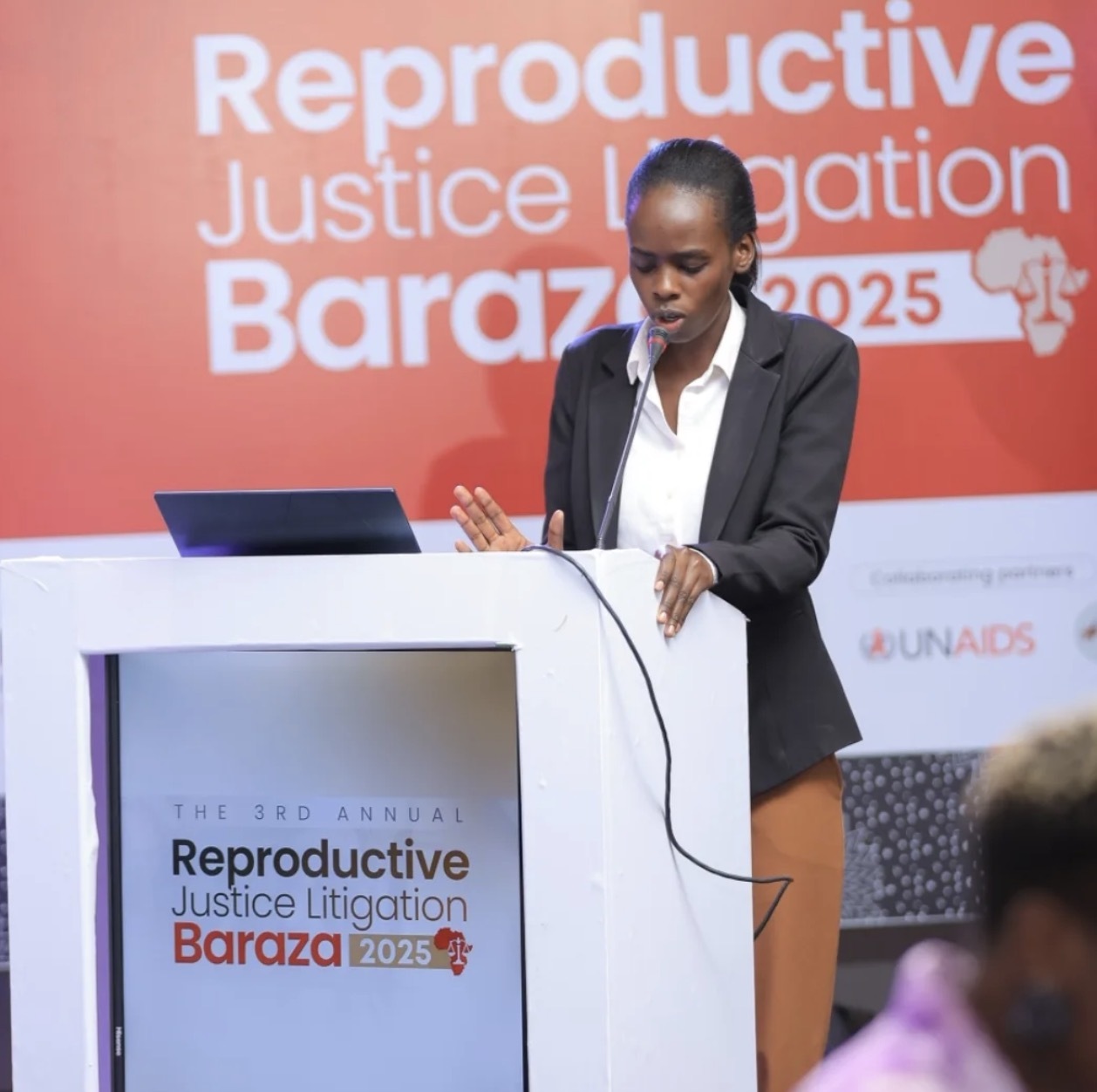
Additionally, she serves as a Youth Ambassador for the World Literacy Foundation, promoting literacy and education as tools for empowerment globally. Her advocacy extends to reproductive justice; she has participated in events like the Reproductive Justice Litigation Baraza 2025, organized by Afya na Haki Uganda, where she performed poetry to highlight inequalities in access to reproductive services, particularly for incarcerated individuals.
Leticia has also been involved in campaigns addressing non-communicable diseases, using sports to raise awareness among youth.
Regarding the Kelele Pen Tribe, it functions as a youth-led creative hub that integrates poetry and storytelling with mental health support and social advocacy. Beyond the writing circles and peer support mentioned, the tribe participates in events like the #GNtrybe Brave Girls Festival, aimed at celebrating young women’s potential and encouraging them to “make their noise” on issues like gender equality and self-expression. They also associate with organizations such as RAHU and Sauti Plus Media for broader outreach, including digital hubs and mentorship programs.
The tribe has facilitated poem uploads and performances, such as Leticia’s dedications to women’s resilience, and emphasizes using creative arts as therapy for silent struggles like depression and anxiety.