
Table of Contents
Africa arrived at the expanded FIFA World Cup with representation the continent had never seen before, and as the tournament reached the Round of 16, only two African nations remained standing. Earlier, nine African teams had reached the Round of 32, a historic breakthrough that sparked optimism from Casablanca to Cairo, Kampala to Cape Town, before the harsh reality of knockout football began reducing the continent’s numbers.
Days later, football’s knockout reality has cut that list sharply. As the tournament enters the Round of 16, only Morocco and Egypt remain standing.
For millions of African supporters, the story is both a celebration and a painful reminder of football’s margins. A few missed chances, one penalty shootout, one defensive lapse, and an entire campaign can disappear.
The bigger question now sits over the tournament: can either Morocco or Egypt stretch Africa’s run deeper into the World Cup?
How far did Africa’s nine World Cup teams progress?
The direct answer is that seven African teams have already exited while Morocco and Egypt remain alive. The expanded 48-team tournament initially looked like a major opportunity for African football.
More qualification places meant more exposure, more competition, and a larger stage for emerging football systems.
African representation in the knockout phase looked like this:
| African Team | Round of 32 Outcome |
| Morocco | Defeated Netherlands |
| Egypt | Defeated Australia on penalties |
| South Africa | Lost to Canada |
| Senegal | Defeated |
| Ghana | Defeated |
| Algeria | Defeated |
| Cape Verde | Lost to Argentina |
| DR Congo | Defeated |
| Ivory Coast | Defeated |
Also Read: From Underdogs to Contenders: 9 African Nations Qualify for the 2026 World Cup Round of 32
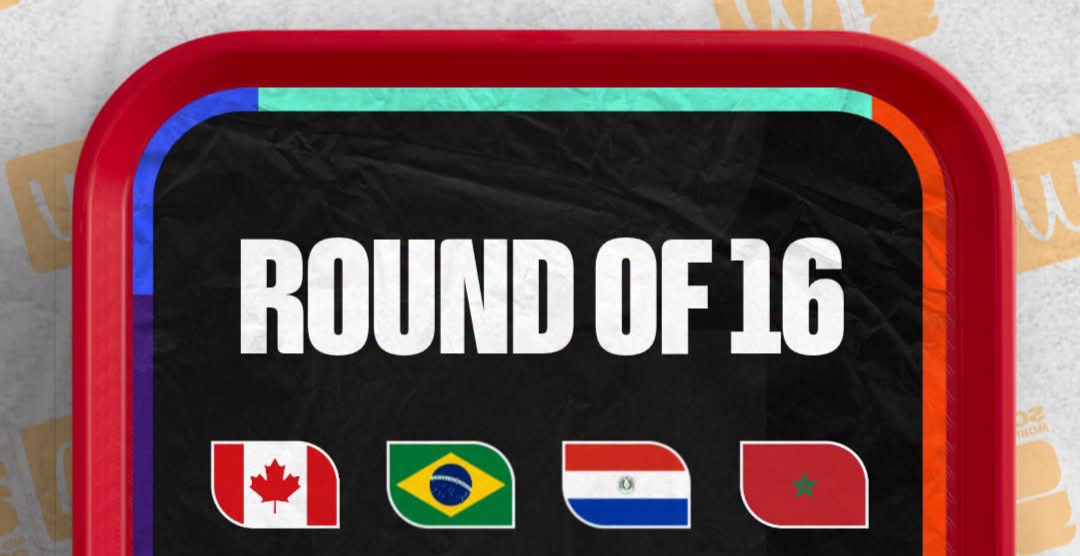
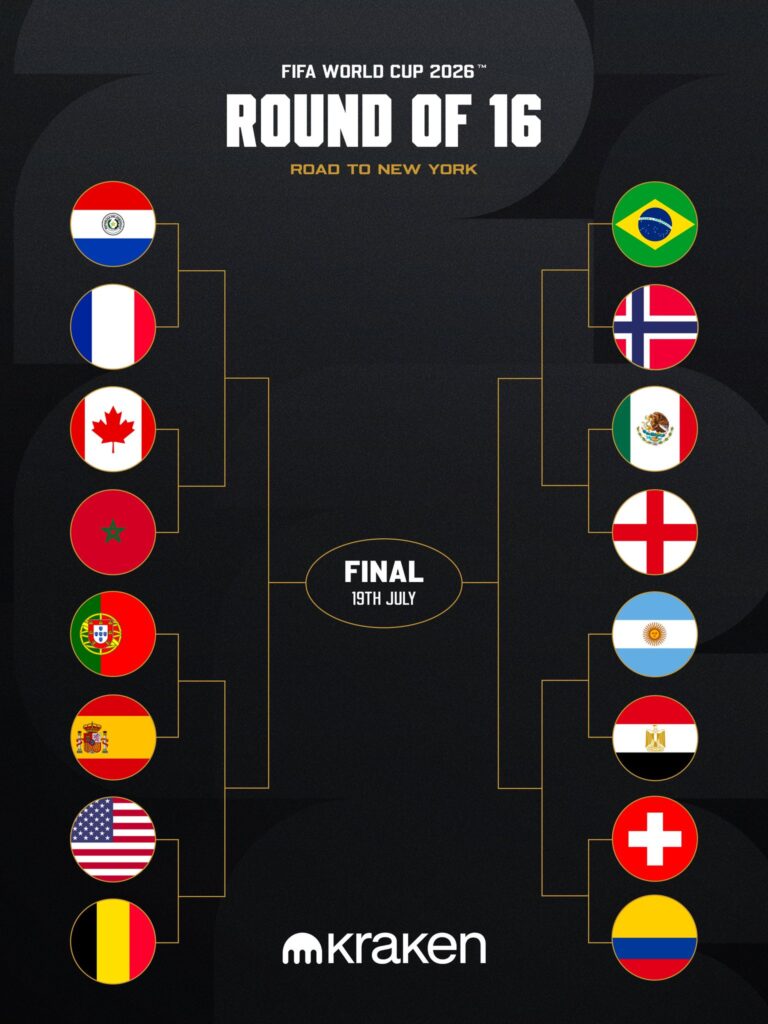
Can Morocco overcome Canada in the Round of 16?
The direct answer is yes, but Morocco face one of the tournament’s trickier matchups.
Morocco continue to build on the momentum generated by their historic World Cup performances in recent years. Their structure remains difficult to break down, with disciplined defensive organization and quick transitions still forming the spine of their football identity.
Morocco’s challenge is straightforward:Stop Canada’s pace before Canada’s pace controls the game.Canada have looked energetic and aggressive moving forward. Morocco’s success could depend heavily on controlling midfield spaces and preventing quick attacking transitions.
The North Africans have repeatedly shown they are comfortable playing without dominating possession.
Can Egypt Defy the Odds Against Argentina in the Round of 16?
The direct answer is that Egypt enter as underdogs, but World Cup history has repeatedly punished teams that underestimate determined opponents.
Egypt survived a tense Round of 32 encounter and now confront one of football’s biggest names.

What does this tournament say about the future of African football?
The direct answer is that African football appears deeper than ever, even if results reduced the continent’s numbers. The expanded World Cup did not simply create additional seats at the table. Several African nations earned their places through strong performances rather than luck.
The continent may not have eight or nine teams remaining, but the performances have suggested that African football’s ceiling continues to rise.The remaining mission now belongs to two nations.
Morocco carry the confidence of recent World Cup history, Egypt carry belief that football occasionally ignores predictions. And across the continent, millions of supporters will watch hoping that Africa’s story in this tournament still has another chapter.