
Table of Contents
KAMPALA, Uganda — Long before luxury yachts sailed through Spain’s Malaga coast, before Dragon Boat festivals became a multi-million-dollar industry in Guangzhou, and before Scotland commercialized its Royal Regatta, the kings of Buganda were already commanding competitive war canoes across the waters of Lake Nalubale (Lake Victoria).
On Saturday, August 22, 2026, that ancient water heritage rewrites history as the Buganda Royal Regatta (Empaka za Amaato ga Kabaka) officially explodes into action at Bunjako White Sand Beach in Buwama.
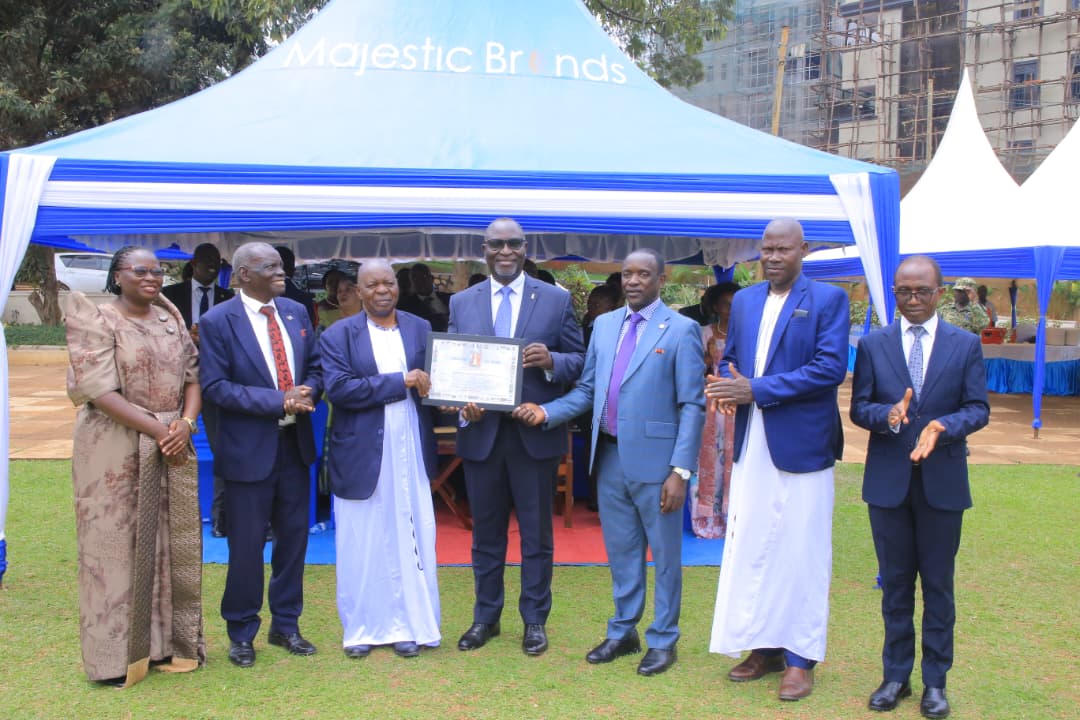
Sailing under the royal mandate of His Majesty Kabaka Ronald Muwenda Mutebi II and spearheaded by sports leader, investor, and commentator Joseph Mbazzi Muguluma (Immanuel Ben Misagga), the revived championship marks a major shift to turn Buganda’s century-old water traditions into a global sporting, commercial, and tourism powerhouse.
The grand event will be officially flagged off by the Katikkiro of Buganda, Owek. Charles Peter Mayiga, who will introduce standardized royal canoes and unified racing rules to elevate the traditional sport to international professional standards.
What are the military origins of Buganda’s royal water racing?
The Buganda Royal Regatta is not merely a modern leisure sport; its roots are deeply anchored in the military defense and strategic expansion of the Buganda Kingdom over a millennium ago.
To secure the kingdom’s extensive coastlines along Lake Nalubale, the Ssekabakas (past kings) established the Mpingu—an elite, highly trained Royal Lake Guard. These were not casual fishermen, but formidable water warriors tasked with patrolling the vast stretches of the lake from Mulungu landing site, past Kalangala in the Sese Islands, all the way to Kalagwe in modern-day Tanzania.
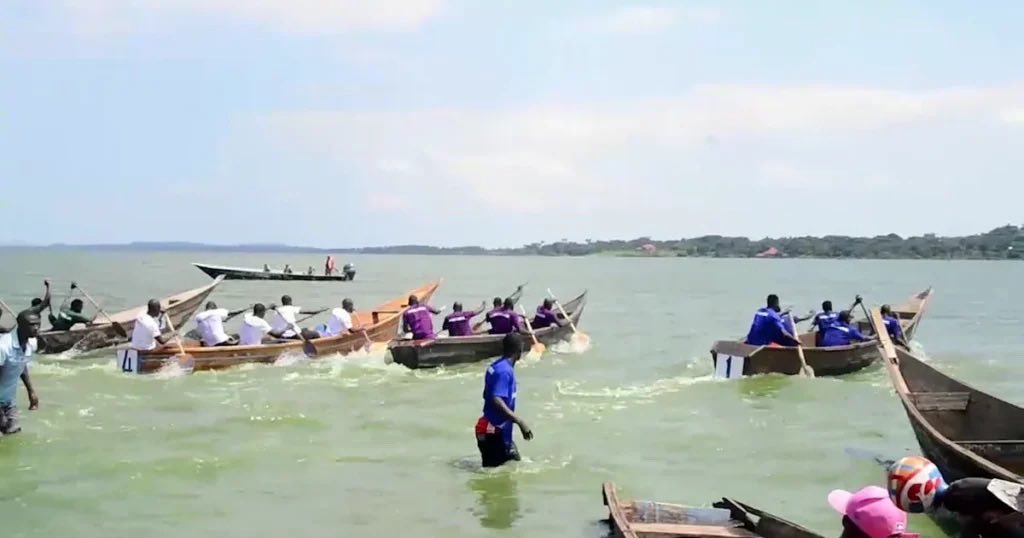
Competitions were organized between different Masaza (counties) and Ebika (clans) to test speed, endurance, and naval readiness. The core objective was tactical: determining which clan could reach emergency frontiers fastest to protect the throne.
The Custodians of the Waters
- The Mamba Clan & The Gabunga: The hereditary leadership of the Mamba (Lungfish) Clan, headed by the Gabunga, were appointed as the supreme custodians of the Kabaka’s fleet, overseeing naval logistics, boat craft, and water rituals.
- Akayanja ka Kabaka (Kabaka’s Lake): When Ssekabaka Mwanga II sought direct, secure water access from his palace in Lubaga to Lake Nalubale, thousands of loyal subjects hand-dug Akayanja ka Kabaka in Ndeeba using hand tools—a monument to collective labor and royal devotion that remains the largest man-made lake in Uganda.
What will happen at Bunjako White Sand Beach on August 22, 2026?
The August 22 championship at Bunjako White Sand Beach introduces a modern, standardized racing framework designed to ensure absolute fairness and high-octane spectacle across all competing clan and county teams:
- Standardized Royal Canoes: Six custom-built, identical Buganda-made canoes engineered to balance weight, hydrodynamic speed, and structural safety across all racing lanes.
- Uniform Oar Specifications: Paddling teams will utilize oars of identical dimensions and weight, eliminating material advantages and ensuring victory relies strictly on athletic stamina, technique, and team synchronization.
- Universal Game Rules: Formally unveiled by Katikkiro Charles Peter Mayiga, the new regulatory framework aligns traditional Ganda canoeing with international rowing standards, laying the groundwork for Ugandan paddlers to compete in global water tournaments.
- Spiritual & Cultural Invocation: Traditional rites honoring the lake spirits and ancestors—including invocations to Kyukyu and Ssalambwa—will precede the launch of the boats, maintaining the deep spiritual connection between the Ganda people and Lake Nalubale.
How will the Buganda Royal Regatta turn culture into a multi-billion shilling economy?
Writing on the commercial vision behind the revival, Ben Misagga emphasizes that cultural heritage must generate tangible economic benefits for local communities to remain sustainable.
Drawing comparisons with successful global water sports economies, Misagga outlines how Buganda can package its 1,000-year-old tradition into a lucrative commercial asset:
| Country / Region | Water Event / Sport | Economic & Tourism Impact |
| China | Dragon Boat Festivals | Generates over $50 Million annually in TV rights, city branding, and tourism. |
| Spain (Malaga) | Coastal Water Sports | Forms the backbone of the regional summer hospitality and restaurant economy. |
| Zambia | Kuomboka Festival (Lozi People) | Transforms Mongu into a global cultural stage attracting international tourists and media. |
| Buganda (Uganda) | Amaato ga Kabaka | Targeting multi-billion shilling growth in sponsorships, media, and lake conservation. |
To unlock this potential, the Buganda Royal Regatta is built upon three strategic pillars:
1. A World-Class Tourism Tournament
Packaging Bunjako White Sand Beach as East Africa’s premiere coastal destination. The festival combines competitive canoe racing with royal pageantry, clan villages, traditional cuisine, and beachside hospitality, targeting domestic travelers and international cultural tourists.
2. A Commercial Business Platform
Providing a high-visibility sponsorship venue where commercial banks, telecommunications giants, beverage companies, airlines, and sportswear brands engage directly with millions of passionate sports fans and Buganda loyalists.
3. A Social Impact Engine
Transforming sports gatherings into community health and environmental interventions. The event will actively mobilize fishing communities along Lake Nalubale to participate in free HIV/AIDS testing, water safety education, life jacket distribution drives, and environmental conservation campaigns to protect Lake Victoria’s ecosystem.
What does the ‘Omutima Omuyanja’ appointment mean for Ben Misagga?
Appointed by Kabaka Ronald Muwenda Mutebi II as a key leader within the regatta steering committee under his clan identity (Omutima Omuyanja—a son of the lake), Misagga describes his assignment as a sacred calling to serve both king and country.
Referencing the ancient proverb of the Mamba clan—“Ekifa mu Nyanja, omuvubi y’abika” (What dies in the lake, the fisherman buries)—Misagga stresses that the kingdom will no longer allow its rich water traditions or coastal youth to be abandoned to poverty.
“This is not sport alone. This is a covenant. This is a royal calling,” Misagga states, invoking the wisdom of the Kifuuta Oracles: “Kwata enkanga, oke munyanja oleme kulya maluma” (Hold the paddle, cross the lake, and you shall not eat bitterness).
Calling upon all Ugandans, corporate partners, and sports enthusiasts to gather at Bunjako on August 22, Misagga concludes with a rallying cry for economic self-reliance:
“AMAATO GA KABAKA is not just a race. It is Buganda’s Scott Regatta. It is Africa’s Dragon Boat. Come feel the drums on the waves. Come watch six canoes, one lake, one kingdom. Back the Kabaka. Back the clans. Back the business. The water belongs to us.”