
Table of Contents
Which music giants are coming to Kenya?
Three of the world’s leading music powerhouses—Sony Music, Universal Music Group (UMG), and Warner Music Group (WMG)—have agreed to establish official operations in Nairobi.
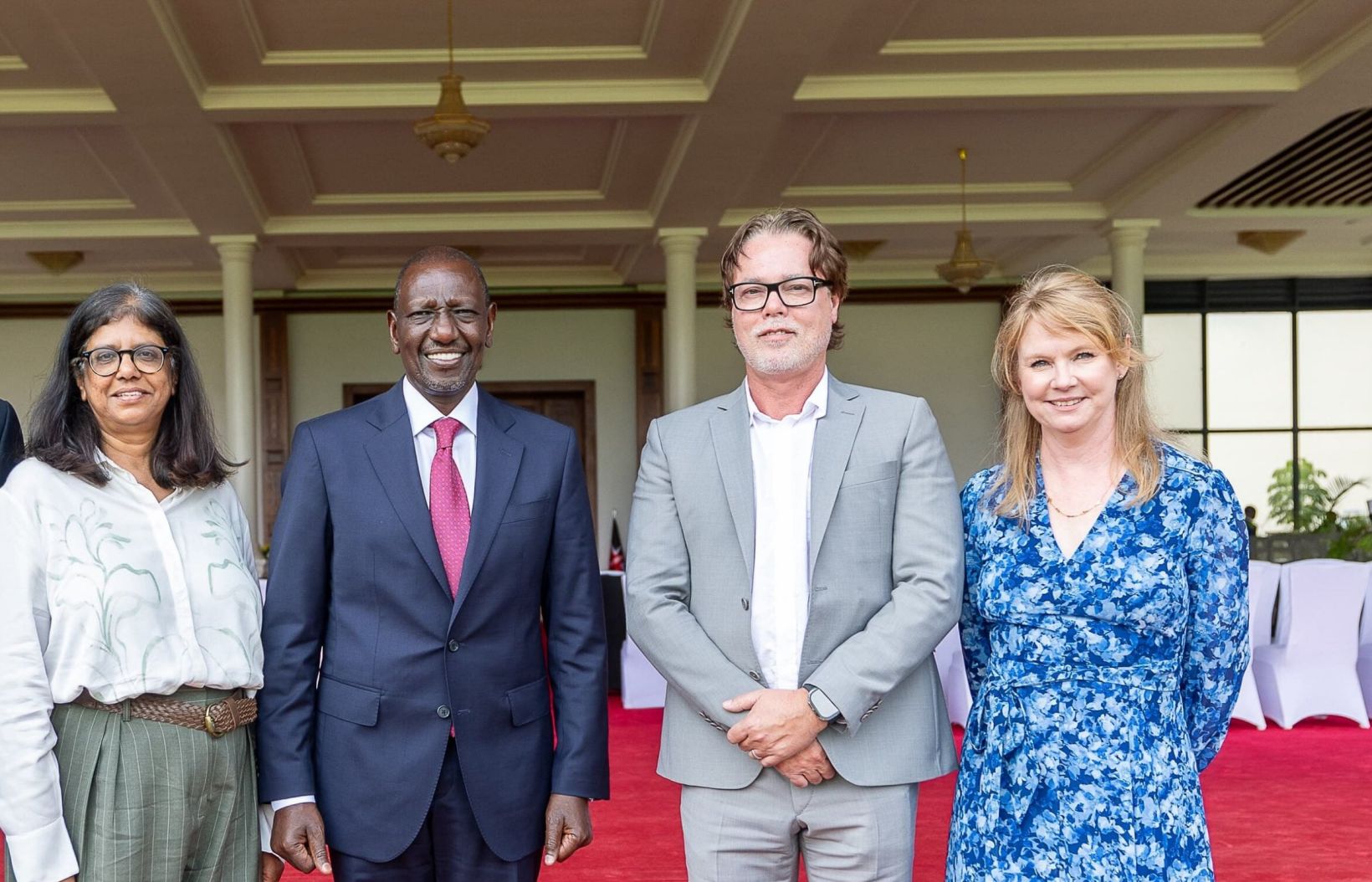
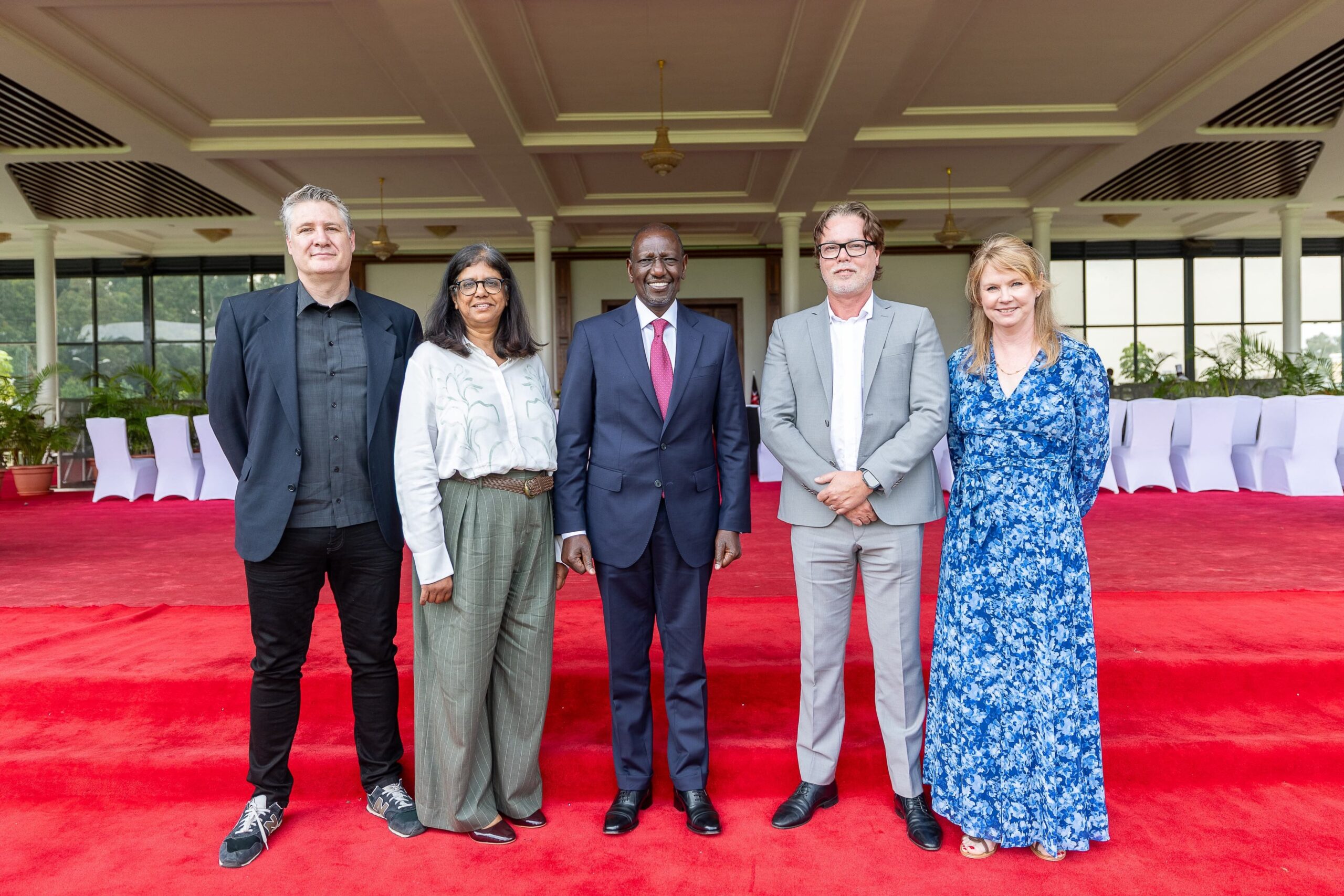
The breakthrough development was officially announced by Kenyan President William Ruto on Tuesday, July 21, 2026, following a high-level meeting at State House with Victoria Oakley, Chief Executive Officer of the International Federation of the Phonographic Industry (IFPI). The entry of the global “Big Three” record labels represents a major vote of confidence in East Africa’s creative talent, clear policy direction, and ongoing structural reforms aimed at positioning Nairobi as Africa’s next premier capital for the recorded music industry.

Why are Sony, Universal, and Warner Music expanding to Nairobi?
The decision by the multinational record labels follows extensive discussions between the Kenyan government and the London-headquartered IFPI, which represents more than 8,000 record companies globally.
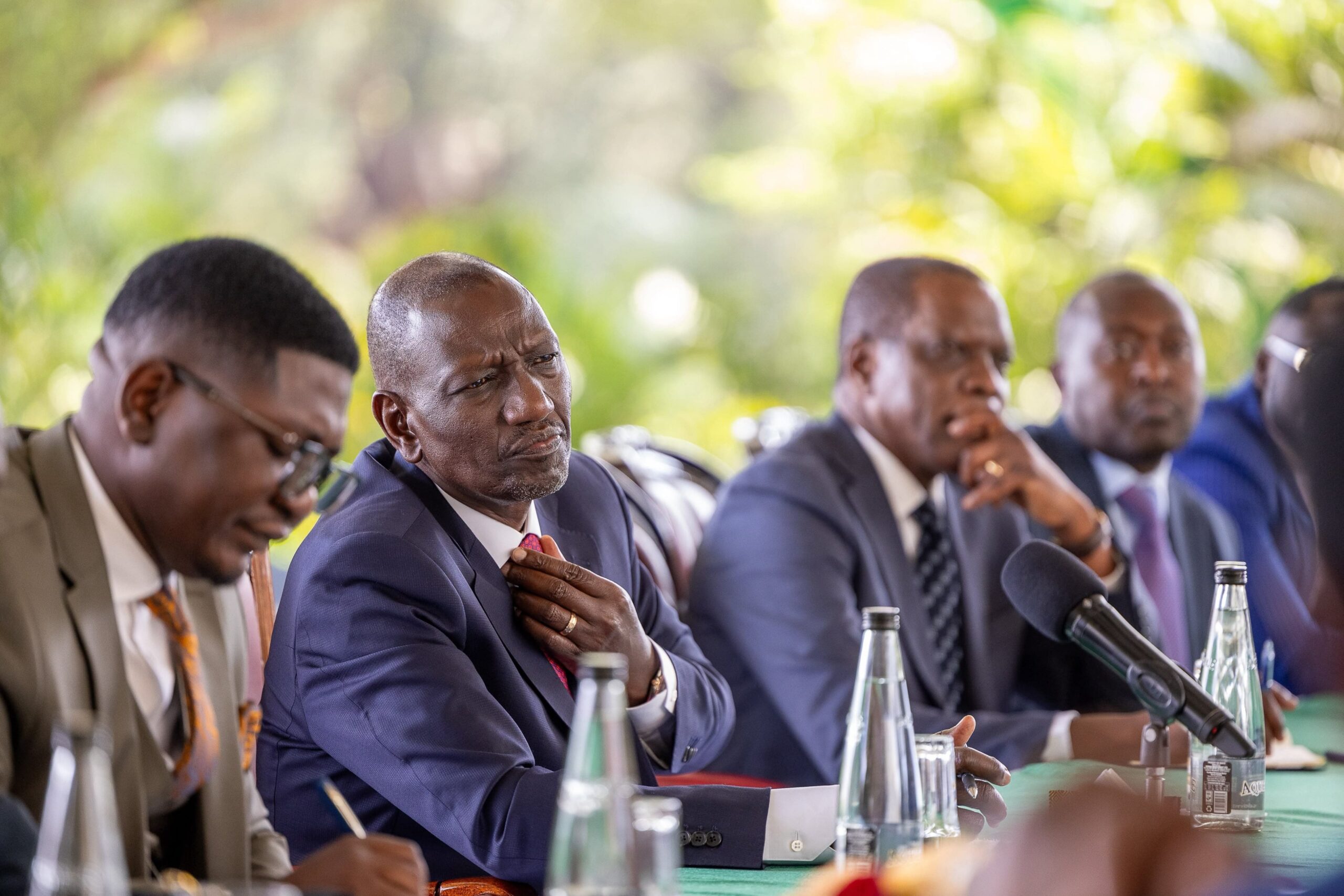
Speaking after the State House engagement, President Ruto emphasized that securing corporate bases for global music titans is a critical first step in transforming local talent into a sustainable, foreign revenue-generating economic sector.
“I’m encouraged by the shared commitment to strengthening Kenya’s creative economy and positioning Nairobi as Africa’s next major hub for the recorded music industry,” President Ruto stated. “I am particularly delighted that Sony Music, Universal Music Group, and Warner Music Group have all agreed to establish a presence in Nairobi. This is a significant vote of confidence in Kenya’s creative talent, our policy direction, and the reforms underway to build a globally competitive music ecosystem.”

How will major record labels impact local African artists and producers?
The physical establishment of Sony, Universal, and Warner Music in the region is expected to drastically streamline talent discovery, music distribution, copyright protection, and publishing deals for creatives across East Africa.
Also read about Ghetto Kids and Shakira at 2026 FIFA World Cup finale
Rather than local musicians relying on distant regional hubs or indirect licensing arrangements, having direct corporate infrastructure in Nairobi bridges the gap between African artists and global markets. The move builds on an already accelerating trend of major label activity in East Africa:
- Sony Music: Signed prominent Kenyan singer and songwriter Nyashinski to its roster in 2025.
- Universal Music Group (UMG): Recently signed hip-hop mogul King Kaka, releasing his latest album, ‘Year of The Pen’, through the major label framework.
- International Footprint: Rising regional stars such as Bien, Nikita Kering, Njerae, and Bridget Blue have consistently secured continental awards and international collaborations, proving the global demand for East African soundscapes.
What is Sony Music Entertainment and why is its arrival in Nairobi a big deal?
Tracing its historical roots all the way back to 1887 with Columbia Records—the oldest surviving brand in recorded music—Sony Music Entertainment (SME) was officially formed under its current corporate banner after Japan’s Sony Corporation acquired CBS Records for $2 billion in 1988. Today, as the second-largest record company in the world with a valuation exceeding $25 billion, Sony Music operates in over 60 countries and controls legendary flagship labels including Columbia Records, RCA Records, Epic Records, Arista, and The Orchard distribution network.
Sony Music has produced, mastered, and distributed some of the most monumental audio projects in human history, including Michael Jackson’s Thriller (the highest-selling album of all time), Bruce Springsteen’s Born in the U.S.A., Adele’s record-breaking 21, and Beyoncé’s Lemonade. Its roster features a constellation of global superstars such as Adele, Beyoncé, Travis Scott, Harry Styles, SZA, and Future, alongside African trailblazers who signed global deals through Sony/RCA, including Wizkid and Davido.
For African musicians, getting signed or distributed by Sony Music opens the door to world-class global distribution networks, massive production budgets, access to advanced streaming analytics, high-value sync licensing for Hollywood soundtracks, and the international corporate muscle needed to secure Grammy considerations and stadium-sized world tours.
What is Universal Music Group (UMG) and how does it dominate the global music market?
Originally originating from the American branch of Decca Records established in 1934 and long associated with Universal Pictures, Universal Music Group (UMG) was officially rebranded in its modern corporate form in 1996. Headquartered between Hilversum, Netherlands, and Santa Monica, California, UMG is undisputed as the largest music company on the planet, commanding over 30% of the entire global music market. Its legendary frontline label family includes Def Jam Recordings, Interscope Geffen A&M, Republic Records, Capitol Music Group, Motown, and Island Records.
Universal’s catalog houses historic masterpieces ranging from The Beatles and Bob Marley & The Wailers’ Exodus, all the way to modern streaming juggernauts like Drake’s Scorpion and Taylor Swift’s re-recorded Taylor’s Version discography. Its active roster is unmatched in commercial power, boasting titans like Taylor Swift, Drake, Justin Bieber, Billie Eilish, Eminem, Rihanna, Post Malone, and African superstars like Tiwa Savage and King Kaka.
When an artist aligns with UMG, they gain access to the most aggressive playlisting clout in the streaming industry, unmatched international radio promotion, massive upfront advances, and global merchandising infrastructure through UMG’s Bravado division. This corporate backing routinely transforms regional musicians into multi-million-dollar global brands.
What is Warner Music Group (WMG) and what makes its expansion to East Africa historic?
Launched in 1958 as the record division of the iconic Warner Bros. movie studio, Warner Music Group (WMG) built its music empire by acquiring Frank Sinatra’s Reprise Records in 1963, Atlantic Records in 1967, and Elektra Records shortly after. Operating as the third titan of the global “Big Three,” WMG’s frontline family is anchored by Atlantic Records, Warner Records, and Warner Chappell Music—the world’s third-largest music publishing company.
Warner Music Group has been the creative home for culture-defining albums that shaped modern pop and rock, including Madonna’s Like a Virgin, Fleetwood Mac’s Rumours, Prince’s Purple Rain, Led Zeppelin’s catalog, and Ed Sheeran’s record-shattering ÷ (Divide). Its current roster features heavyweights such as Ed Sheeran, Bruno Mars, Dua Lipa, Cardi B, Coldplay, and Zach Bryan, alongside African global icons like Burna Boy (signed through Atlantic Records) and CKay.
The primary advantage WMG brings to creators is a historically artist-centric philosophy focused on long-term career longevity, coupled with elite global publishing rights management via Warner Chappell. Through WMG, local East African songwriters, producers, and vocalists can protect their intellectual property globally, collect international royalties seamlessly, and collaborate directly with mainstream Western superstars to turn localized rhythms into worldwide crossover hits.
What is the economic scale of Kenya’s creative sector and the global music market?
The government’s strategic push to attract global entertainment conglomerates aligns with broader economic reforms designed to position film, music, fashion, and digital content as primary employment drivers for youth.
According to the IFPI’s 2026 Global Music Report, global recorded music revenues expanded to US$31.7 billion in 2025, largely fueled by the rapid surge in paid music streaming.
| Economic Indicator | Financial Metric / Statistic |
| Global Recorded Music Market Value (2025) | US$31.7 Billion |
| Creative Economy Contribution to Kenya’s GDP | Approximately 5% |
| Kenya 2026/2027 Budget Allocation (Digital & Creative Economy) | Ksh 8.6 Billion |
To maximize this global market, President Ruto noted that the focus now shifts to full execution and policy implementation.
“The next phase is implementation, creating an environment where artistes, producers, publishers, and investors can thrive together, generating jobs, exports, and new opportunities for Kenyan creatives,” Ruto added. “Kenya is open for music. Nairobi is ready.”
Why is Nairobi emerging as Africa’s next global creative and tech hub?
Nairobi’s rise as an entertainment center coincides with its growing status as Sub-Saharan Africa’s premier technology and investment gateway. Beside the arrival of the music industry giants, the capital city continues to attract global Artificial Intelligence (AI) labs, business process outsourcing (BPO) firms, and venture capital funds seeking a stable, highly skilled talent pool.
By pairing a booming digital ecosystem with corporate music infrastructure, the establishment of Sony, Universal, and Warner Music in Nairobi marks a defining shift—one where African creators can build lucrative, globally protected careers directly from home soil.