
Table of Contents
I sat glued to my television set yesterday evening, watching the entire broadcast live on UBC TV, and to say I was blown away is a massive understatement when we talk about the Triplets Ghetto Kids. July 19, 2026, will forever be etched in history as the night Spain conquered the football world, but for any true Ugandan, the real magic happened before the final whistle even blew.
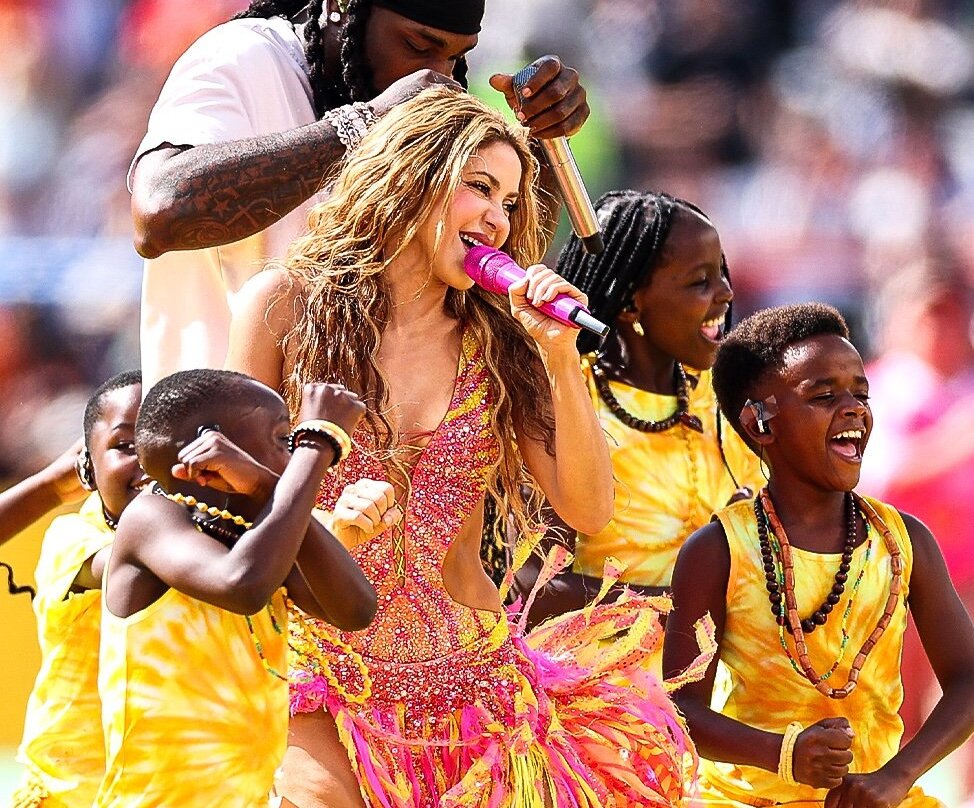
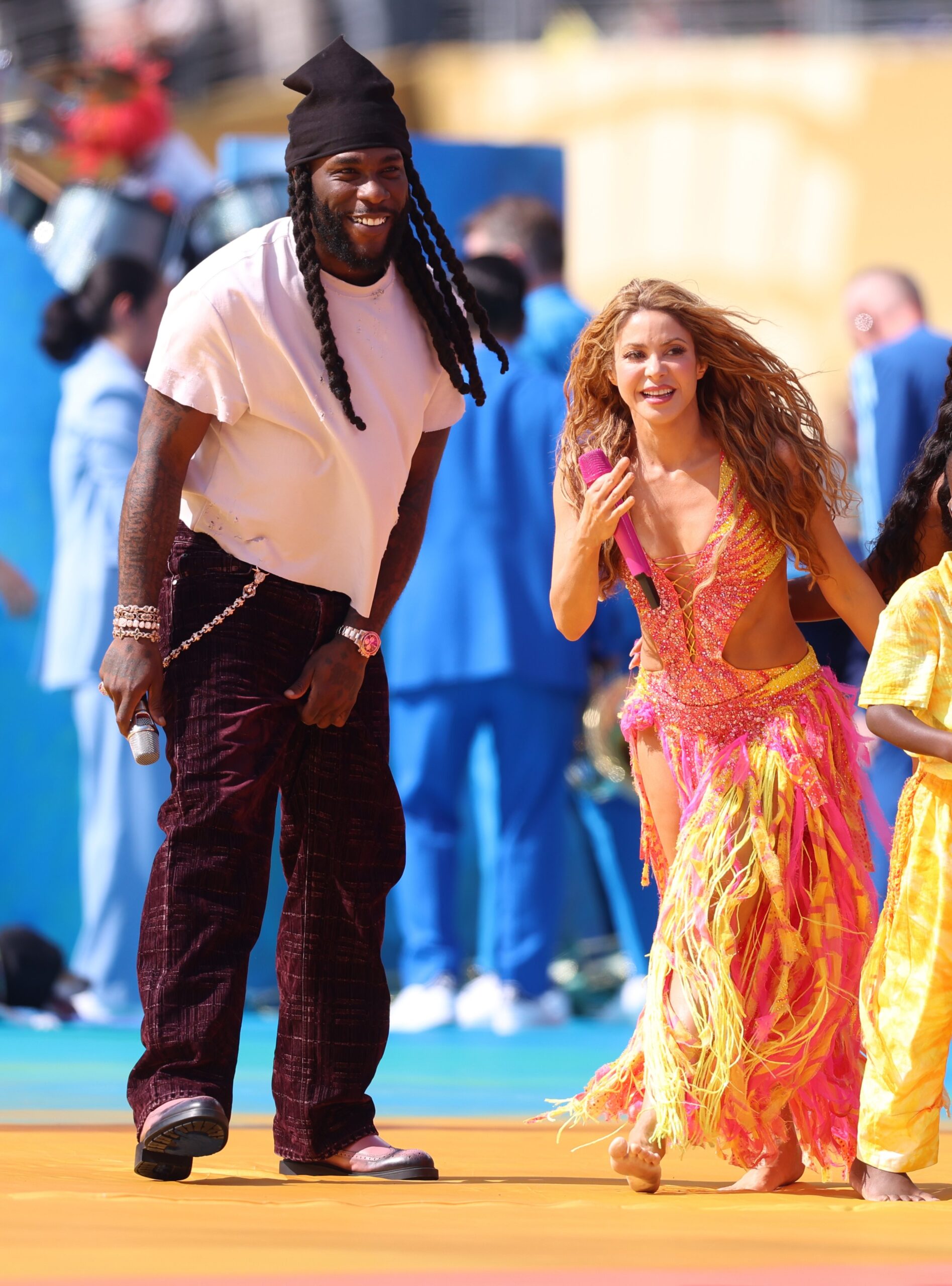
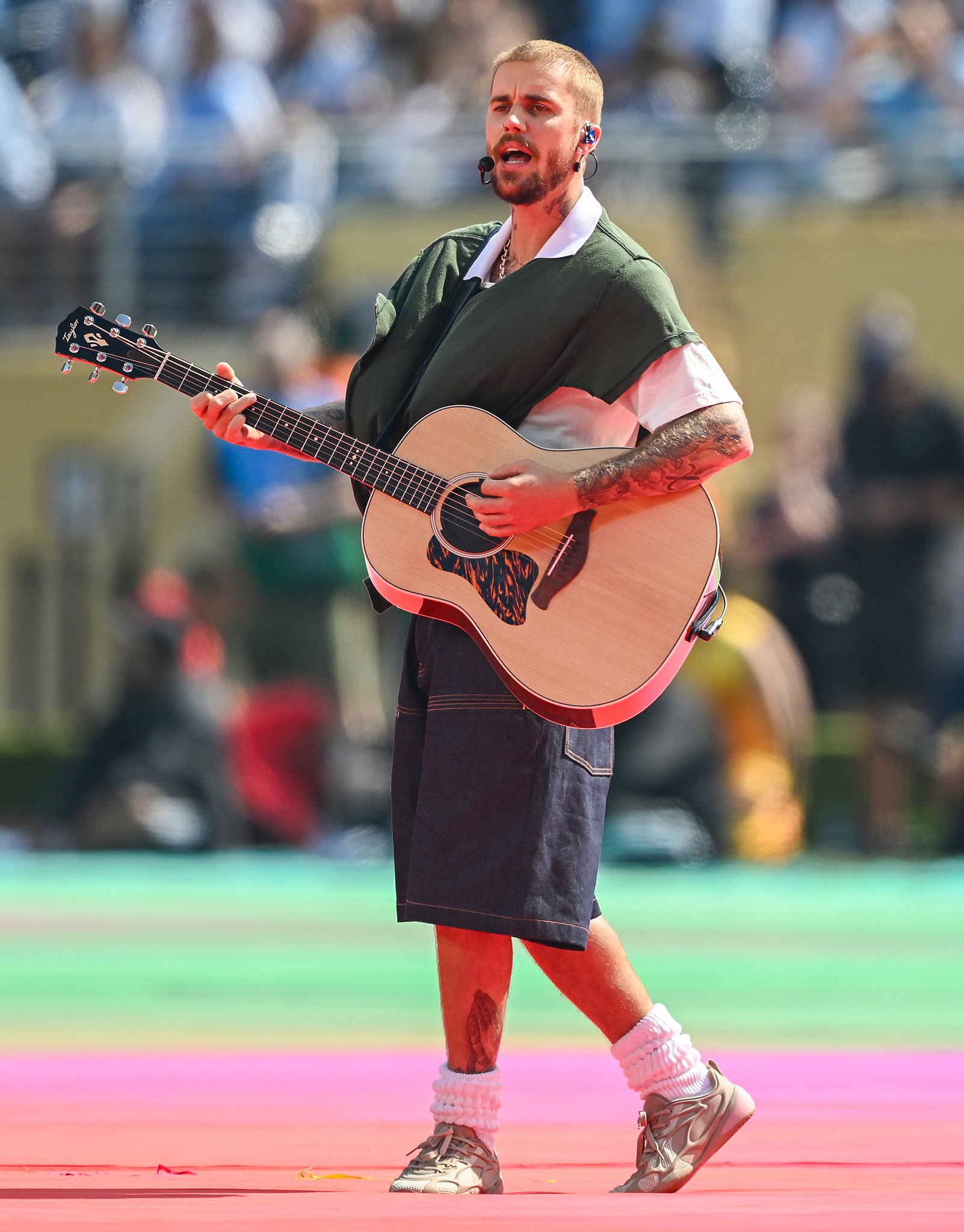
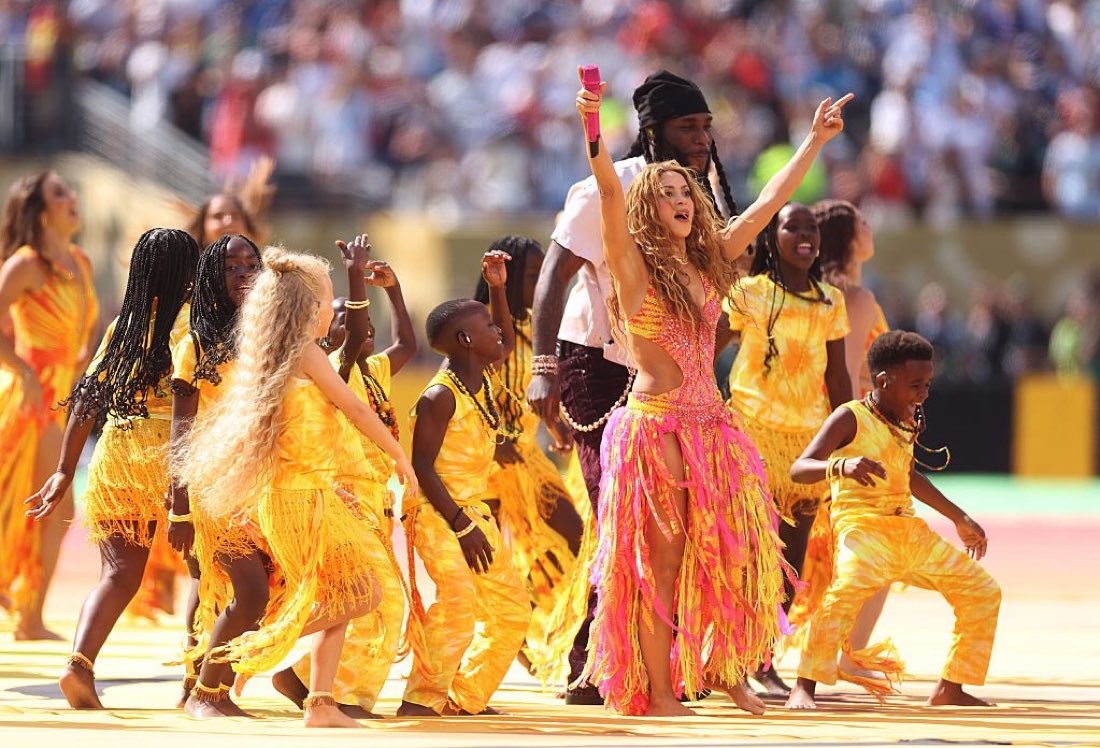
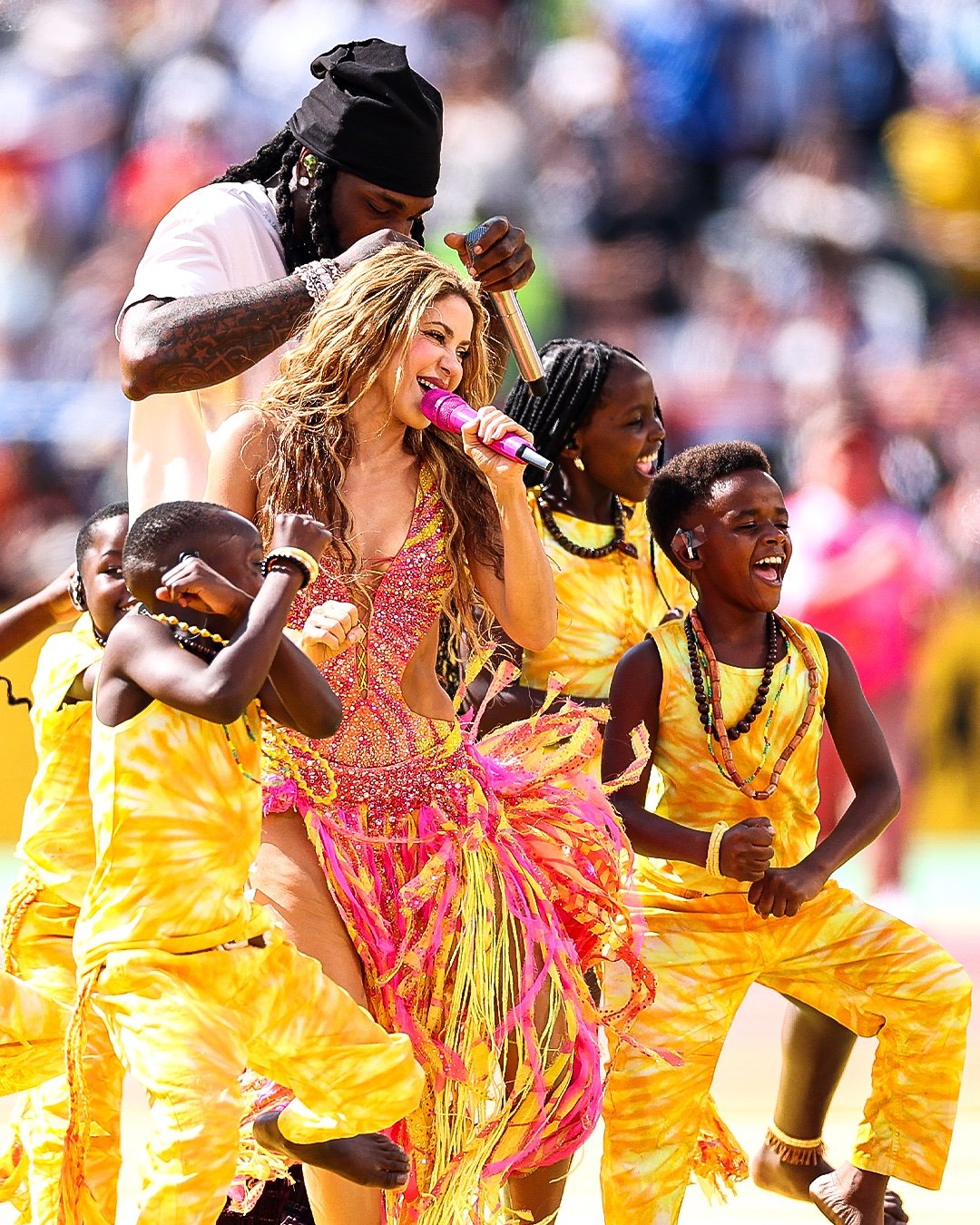
On the biggest, most populated sporting stage on the planet—the New York New Jersey Stadium in East Rutherford—our very own Triplets Ghetto Kids didn’t just perform; they completely stole the show. Standing side-by-side with global icons like Shakira, Burna Boy, Madonna, and a guitar-wielding Justin Bieber, these young dancers from Kampala proved that talent knows no boundaries. It was a beautiful, spectacular moment of pure national pride.
Yet, it feels deeply bittersweet. As I watched these children lift the Ugandan flag high in front of billions of global viewers, a wave of sadness hit me. It is incredibly tragic that right now, our country lacks its premier independent media houses to properly cover such an incredible milestone.
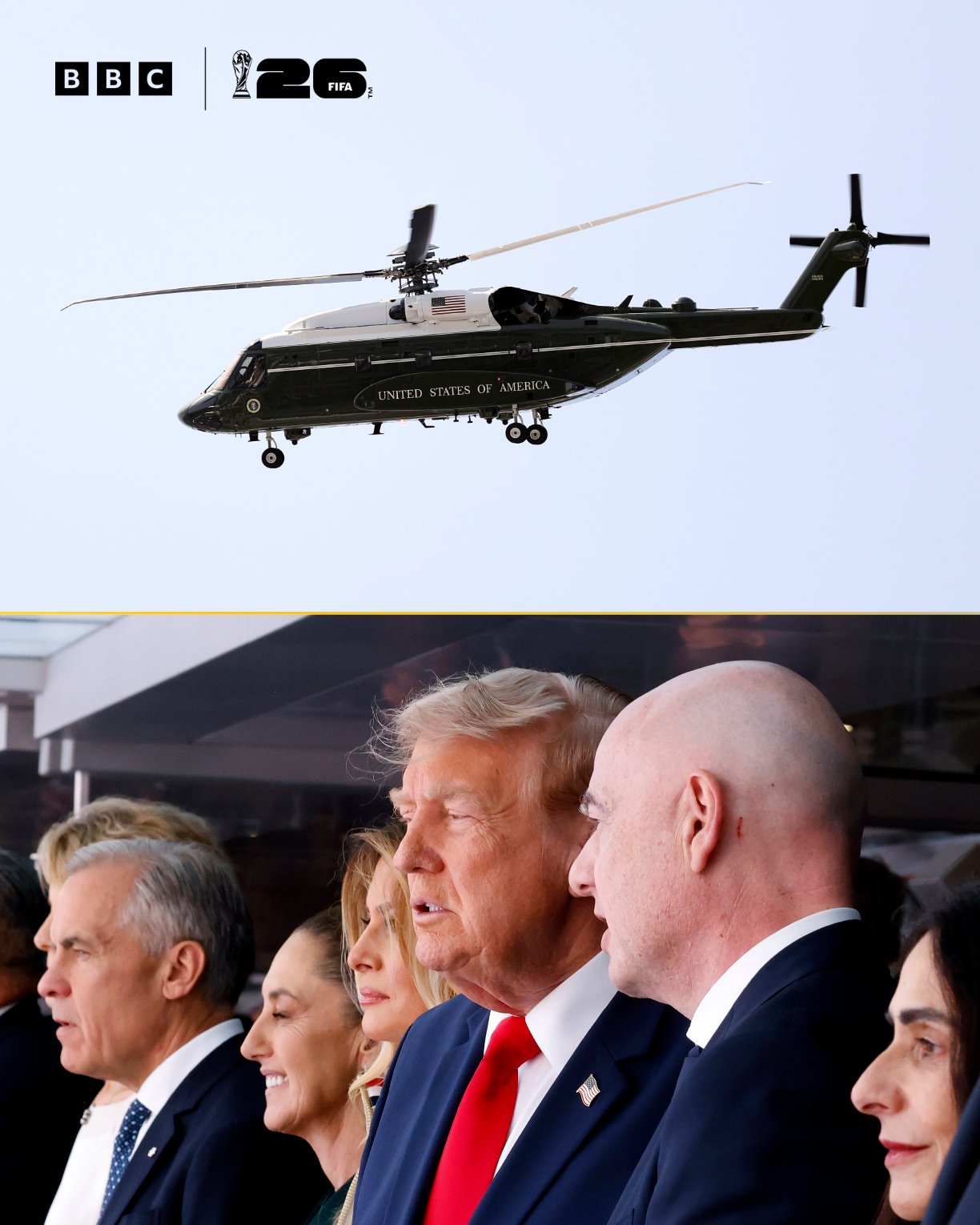
If the Daily Monitor and our other closed sister stations were fully operational today, this breathtaking story would be plastered across every front page and morning talk show in the country. Instead, the legacy of our finest talents rests on the independent digital spaces like Kampala Edge Times to ensure this moment gets the historic documentation it deserves.
Who are the Triplets Ghetto Kids?
The Triplets Ghetto Kids are a world-renowned street dance and philanthropic group founded in 2014 by local activist and educator Dauda Kavuma. Based in the heart of the Makindye slum in Kampala, the group was created to rescue street children, orphans, and vulnerable youth, using the power of dance to grant them access to formal education, healthcare, and safe housing. They catapulted to global fame over a decade ago when their homemade dance video for Eddy Kenzo’s hit song “Sitya Loss” went massively viral.
What makes the Ghetto Kids truly unique is their structure as an ageless, revolving academy. Because children naturally grow up and move on to transition into independent careers, advanced choreography roles, or university studies, the group continuously onboard younger generations of vulnerable kids.
This brilliant management structure ensures that while individual faces evolve, the youthful, raw energy of the Ghetto Kids brand remains permanently intact. By recycling passion into an elite survival mechanism, they have grown from local slum kids into international entertainment icons, culminating in yesterday’s historic performance.
What happened during the historic World Cup 2026 closing show performance?
The 2026 FIFA World Cup halftime and closing entertainment lineup was an absolute star-studded powerhouse, featuring heavyweights like Justin Bieber, Madonna, and BTS. But the undisputed emotional peak of the evening belonged to the high-energy Afro-pop and Latin fusion set. Just before walking out onto the pitch, the BBC caught up with the Ghetto Kids backstage, where the children were radiating pure, uncontainable joy, telling reporters how incredibly happy and excited they were to represent the motherland on the world’s absolute biggest stage.
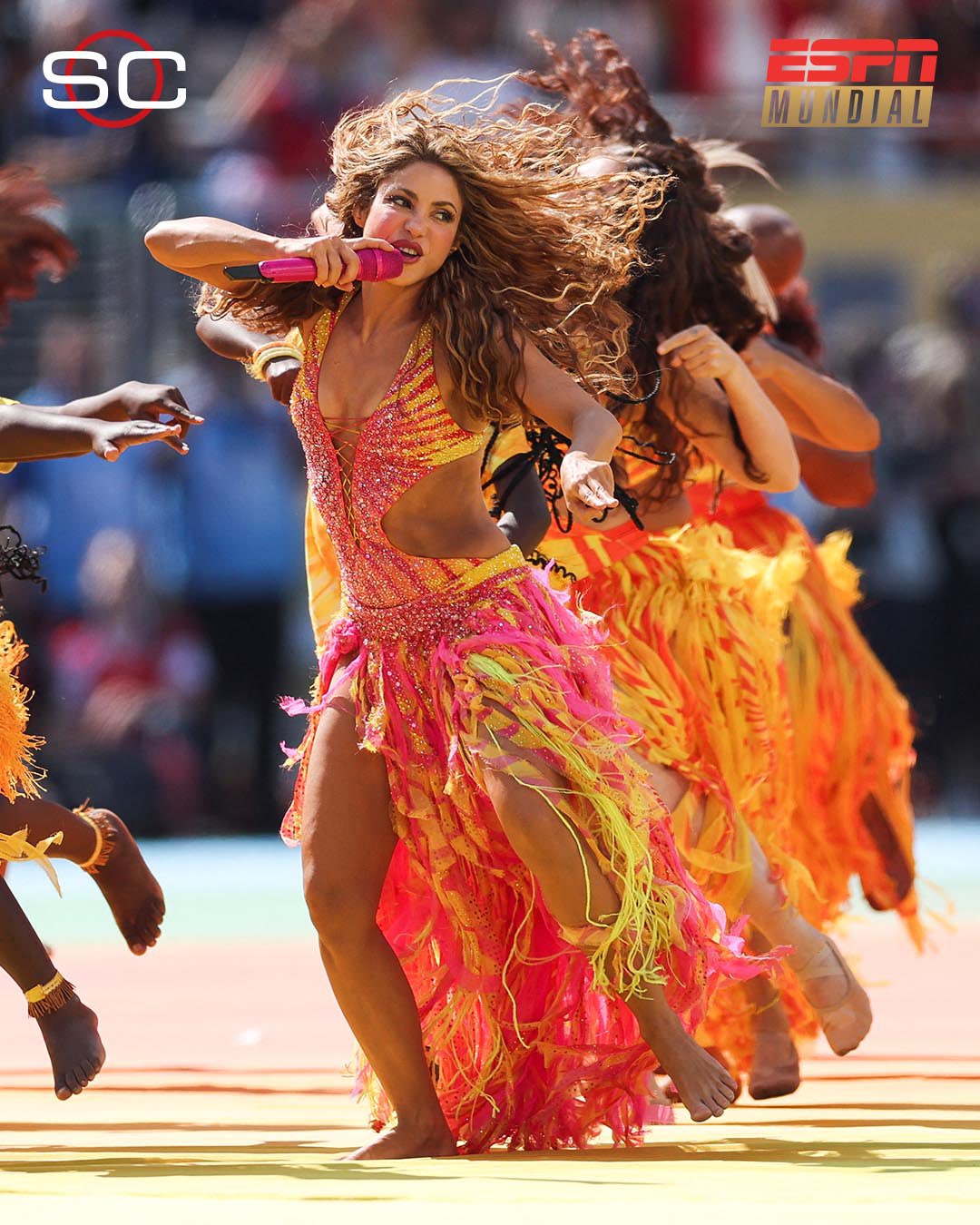
When the performance kicked off, the Ghetto Kids matched the global stars step-for-step. They shared the main stage directly with Colombian pop queen Shakira and Nigerian afro-beats giant Burna Boy, electrifying the stadium with their signature high-velocity Ugandan dance routines.
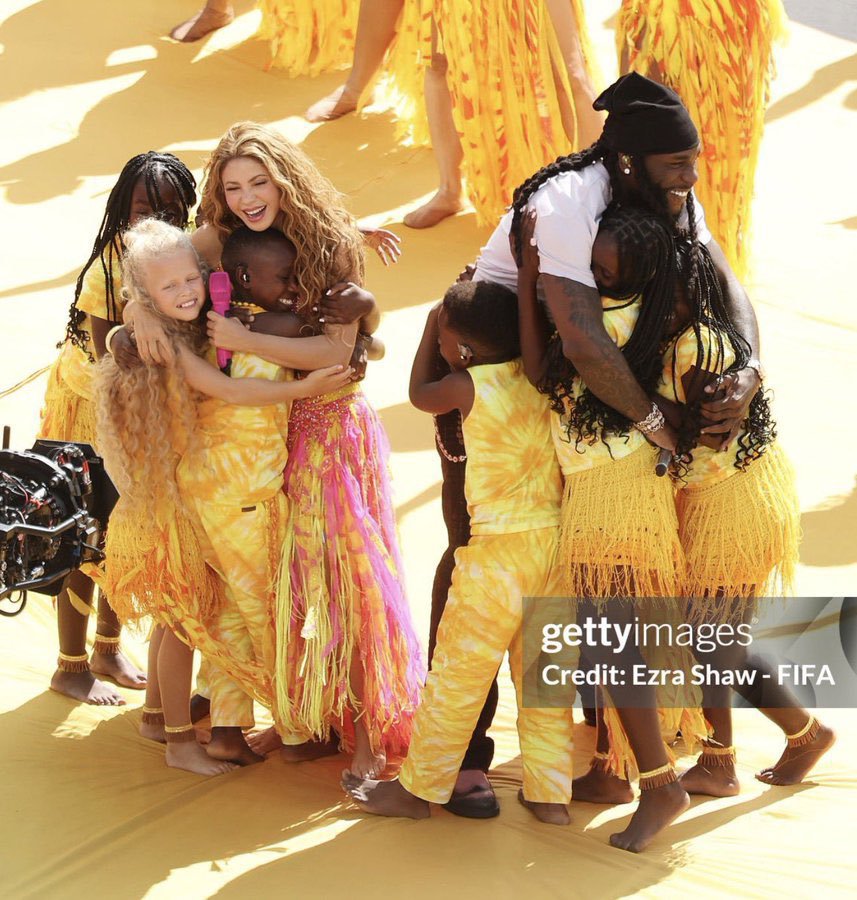
The chemistry on stage was palpable—Shakira was visibly captivated by the children’s raw rhythm and charisma, and as the spectacular performance came to a close, she turned around and tightly hugged the kids in a beautiful moment of artistic appreciation. Surrounded by Justin Bieber strumming his guitar and Madonna cheering them on, our Kampala dancers stood at the literal center of the entertainment universe.
How did Spain defeat Lionel Messi and Argentina to win the World Cup?
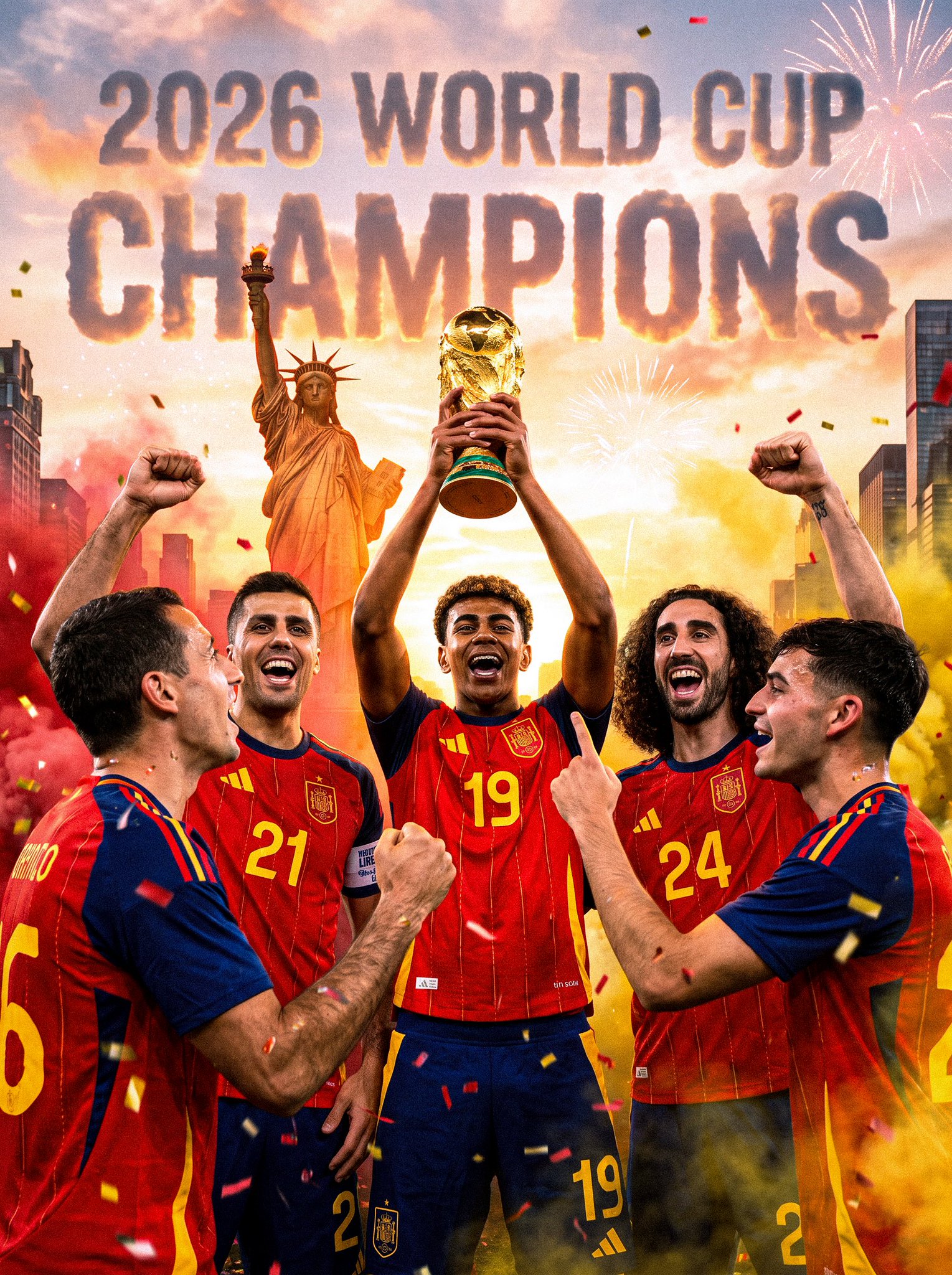
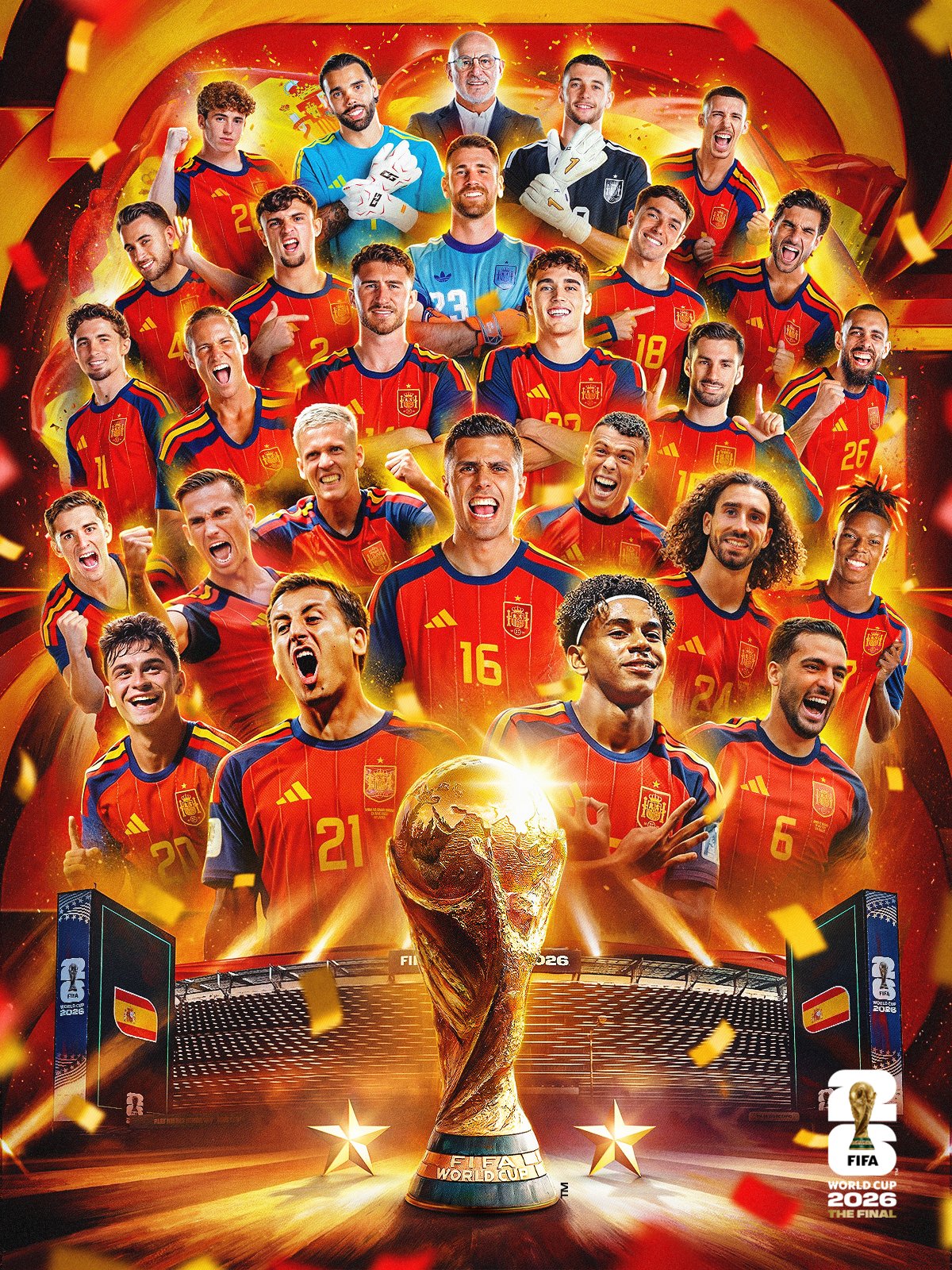
Once the dust settled from the entertainment spectacle, the pitch transformed into a tactical war zone where Spain secured their second World Cup title with a dramatic, hard-fought 1-0 extra-time victory over reigning champions Argentina. The match was a masterclass in suffocating, unselfish defensive play by La Roja, who completely shut down Lionel Messi and forced the South Americans into chasing the game through desperate long balls. Spain achieved a historic tournament record of seven clean sheets while conceding only one goal across the entire competition, completely neutralizing both Kylian Mbappé and Lionel Messi within a six-day span.
Despite being completely outplayed in the midfield, Argentina was kept alive solely by a heroic, legendary performance from goalkeeper Emiliano “Dibu” Martinez. Martinez single-handedly frustrated the Spanish attackers by making 11 spectacular saves to force the game into extra time.
The structural collapse for Argentina came in the third minute of normal-time stoppage time when midfielder Enzo Fernandez picked up his second yellow card for a brutal challenge on center-back Pau Cubarsi, leaving the defending champions to play the entirety of extra time with only 10 men. Spain finally broke the deadlock in the 106th minute of the second extra-time period.
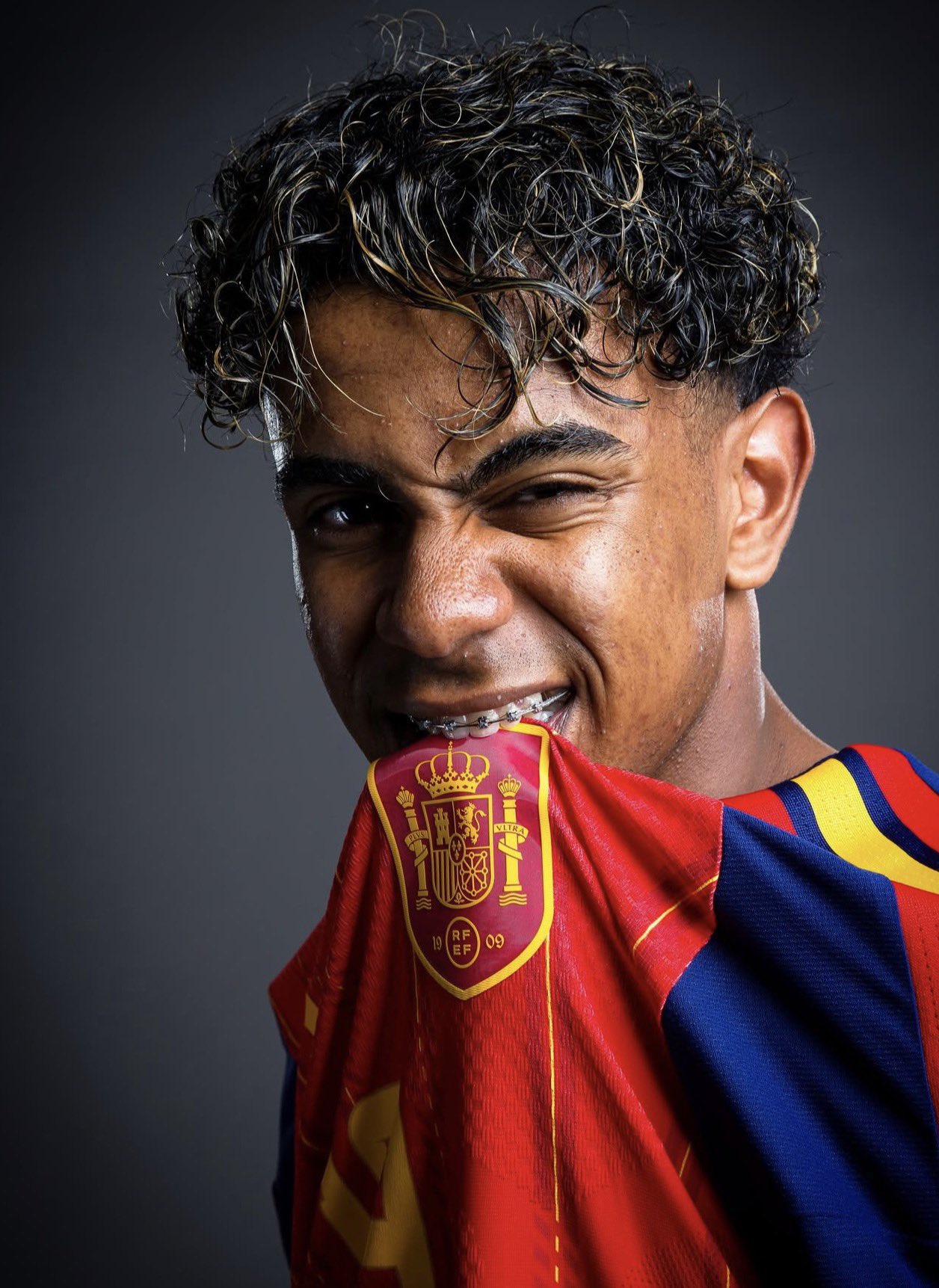
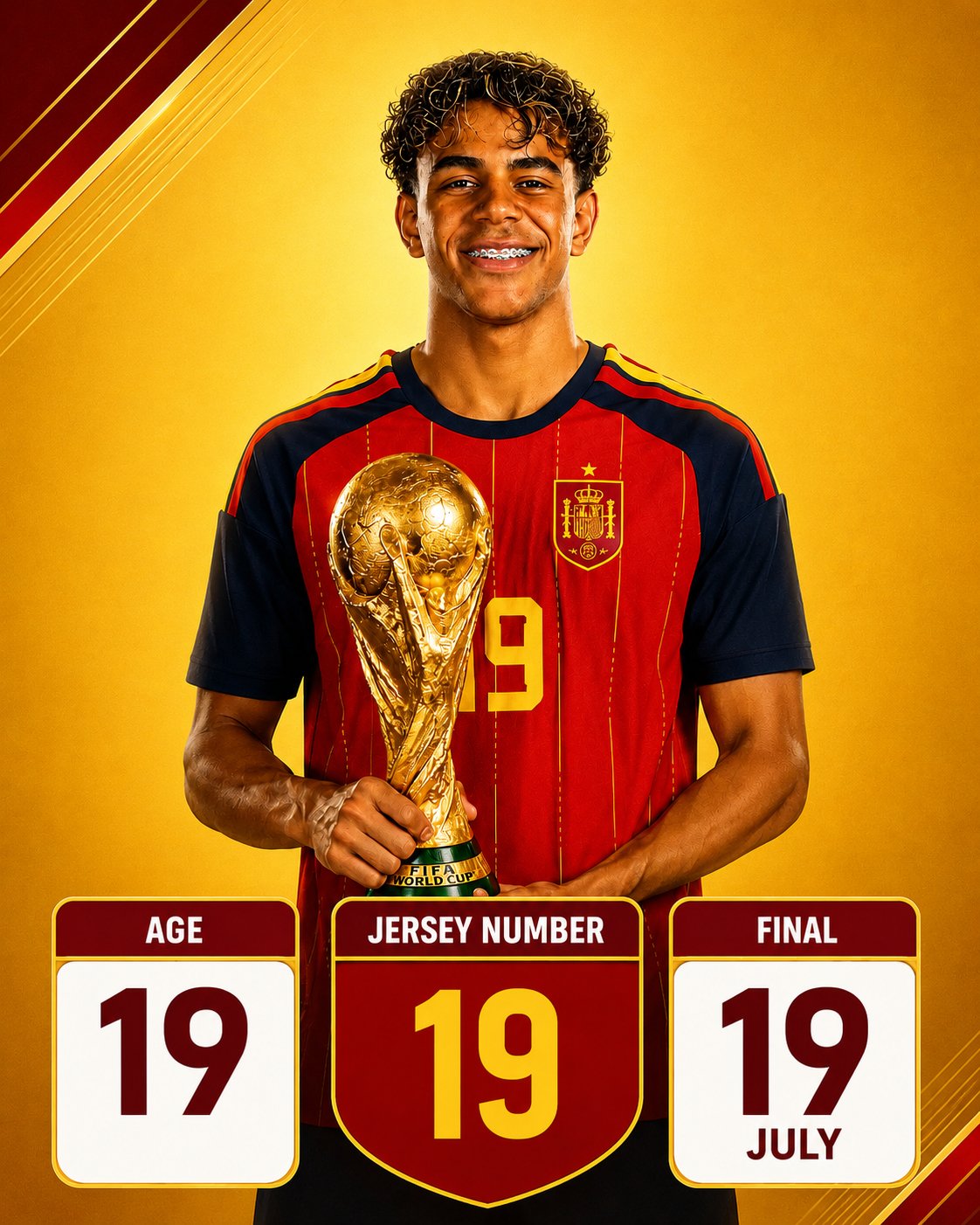
Nineteen-year-old sensation Lamine Yamal initiated a rapid counter-attack, finding Pedro Porro, who whipped a cross to Nico Williams. Williams perfectly headed the ball back into the center of the box for substitute forward Ferran Torres, who drilled a powerful left-footed volley past a helpless Martinez into the roof of the net to seal the championship.
FIFA World Cup 2026 Final: Official Match & Tournament Overview
To understand the sheer scale of the tournament our Ghetto Kids were a part of, the official statistics and award winners from yesterday’s final at MetLife Stadium are detailed below:
| Category / Award | Winner / Technical Metric | Statistical Highlight & Details |
|---|---|---|
| World Cup Champions | Spain | Second title in national history (First since 2010) |
| Match Scoreline | Spain 1 – 0 Argentina (AET) | Decisive goal scored by Ferran Torres (106′) |
| The Golden Ball (MVP) | Rodri (Spain) | Captain who anchoring the midfield after recovering from an Achilles rupture |
| The Golden Glove | Unai Simon (Spain) | Kept a cup-record 7 clean sheets, conceding only 1 goal in 8 matches |
| The Golden Boot | Kylian Mbappé (France) | Finished as the tournament’s top scorer with 10 goals |
| Tournament Runner-Up | Lionel Messi (Argentina) | Finished second in scoring with 8 goals and 5 assists |
| Match Disciplinary | Enzo Fernandez (Argentina) | Sent off in the 93rd minute after picking up a second yellow card |
| Goalkeeper Saves | Emiliano Martinez (Argentina) | Recorded 11 saves during normal and extra time to keep Argentina afloat |
| Following the final whistle, an emotional Argentina head coach Lionel Scaloni openly wept at the post-game press conference, praising his team as warriors who fought to the absolute limit against an amazing, dominant Spanish squad. A dejected, 39-year-old Lionel Messi—the oldest player to ever compete in a World Cup final—frankly admitted that Spain was simply the better team on the night. | ||
| While the sporting world begins analyzing the end of the Messi international era and the rise of Spain’s golden generation, the people of Uganda will remember July 19th for a different reason. It was the night our children from the streets of Makindye danced on top of the world, reminding us all of the endless potential trapped within our communities, waiting for a chance to shine. |