
Table of Contents
For years, the dream of “universal connectivity” in Uganda has been hampered by our geography. From the rolling hills of Kabale to the remote stretches of Karamoja, “No Signal” has been a frustrating reality for travelers, farmers, and rural entrepreneurs. However, the arrival of Starlink Airtel Uganda is set to change this narrative, bridging the digital divide by bringing satellite-powered signals to the most unreachable corners of the country.
But that is about to change, following successful trials in Kenya just last month, the Starlink x Airtel “Direct to Cell” service is officially on the horizon for Uganda. Here is everything you need to know about the technology that is turning satellites into cell towers in the sky.
What is Starlink Airtel Uganda “Direct to Cell”?
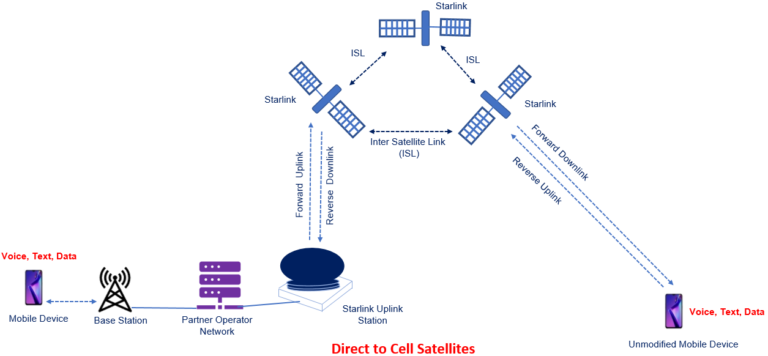
Unlike the standard Starlink service that requires a $600 satellite dish (the “Dishy”) and a clear view of the sky, Direct to Cell (DTC) works directly with the device already in your pocket.
Through a landmark partnership between Airtel Africa and Elon Musk’s SpaceX, Starlink’s newer “Gen2” satellites are equipped with advanced modems that act like a cell tower in space. This allows a standard 4G or 5G smartphone to connect to the internet without any extra hardware, special apps, or firmware updates.
The Kenya Trials: A Glimpse into Uganda’s Future
In late March 2026, Airtel Africa completed successful field tests in Kenya’s “zero-connectivity” zones. The results were groundbreaking:
- Seamless Connection: Standard smartphones automatically picked up the satellite signal where terrestrial towers failed.
- App Performance: Users successfully made WhatsApp calls, sent messages via Facebook Messenger, and completed Airtel Money transactions.
- Broadband Evolution: While the first phase focuses on text and light data, the next phase (using Starlink V2 technology) is expected to deliver high-speed broadband and voice calling directly to mobiles.
The Regulatory Landscape in Uganda
The Uganda Communications Commission (UCC) has clarified the rollout model. Unlike other countries where Starlink sells directly to consumers, Uganda is adopting an operator-led model.
This means you won’t buy Starlink directly; instead, Airtel Uganda will integrate Starlink’s satellite capacity into its own network. This ensures that the service remains compliant with local regulations while giving Airtel customers the most resilient network in the country.
The Road to Approval: Uganda Enters the “Final Stretch” for Starlink Airtel Uganda Licensing
The journey to bring satellite internet to Uganda has been a rollercoaster. In early January 2026, the Uganda Communications Commission (UCC) made headlines by cracking down on the illegal importation and use of Starlink kits, citing a lack of regulatory approval. For many, it seemed like the door to high-speed satellite internet was closing.
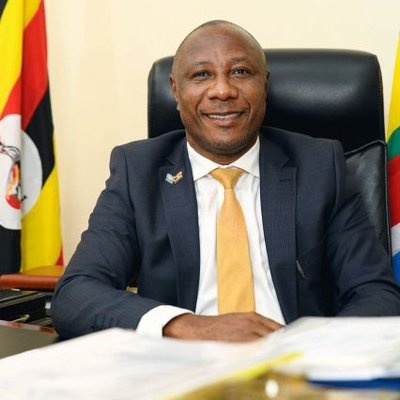
However, the narrative has shifted dramatically. As of April 17, 2026, the Minister of State for ICT, Godfrey Baluku Kabbyanga, confirmed that the government is now in the “final stretch” of discussions to officially license Starlink.
This massive update marks a transition from a direct-to-consumer model to a more structured, operator-led approach. By licensing Starlink Airtel Uganda to work through existing infrastructure, the government ensures that the service complies with national security and data privacy laws while finally giving Ugandans the connectivity they’ve been waiting for. This move is expected to bridge the digital divide once and for all, turning “No Signal” from a daily frustration into a thing of the past
When Will Starlink Airtel Uganda Be Available?
Commercial rollout is targeted for late 2026. The service is expected to be a “hybrid” experience—your phone will use standard Airtel towers when they are available and automatically switch to the Starlink satellite link when you wander into a dead zone.
More details here
Why This Matters for You
For the average Ugandan, this isn’t just a tech gimmick. It means:
- Safety: Never being stranded on a remote road without the ability to call for help.
- Business: Rural shops and farms can now access digital markets and mobile banking 24/7.
- Education: Students in remote areas can access the same digital resources as those in Kampala.
The era of the ‘Dead Zone’ is coming to an end. As Airtel and SpaceX finalize the licensing stages with the UCC, Starlink Airtel Uganda ensures our nation is positioned to become a leader in the African digital revolution, proving that connectivity is no longer a luxury, but a right for every Ugandan