

Table of Contents
The shifting architecture of youth representation in Uganda took a definitive, institutional step forward this week. Renowned climate justice advocate, youth diplomat, and community organizer Denise Ayebare has officially been sworn in as the Secretary for External Relations of the National Youth Council (NYC) of Uganda.
We did another story about her here
The high-profile ceremony, which formalized the assumption of office for the council’s newly elected National Executive Committee (NEC), lands at a critical socioeconomic juncture. As the country’s massive youth demographic increasingly demands transparent governance, localized climate mitigation, and international employment pipelines, Ayebare’s ascension positions a tested grassroots technician at the absolute center of statutory youth diplomacy.
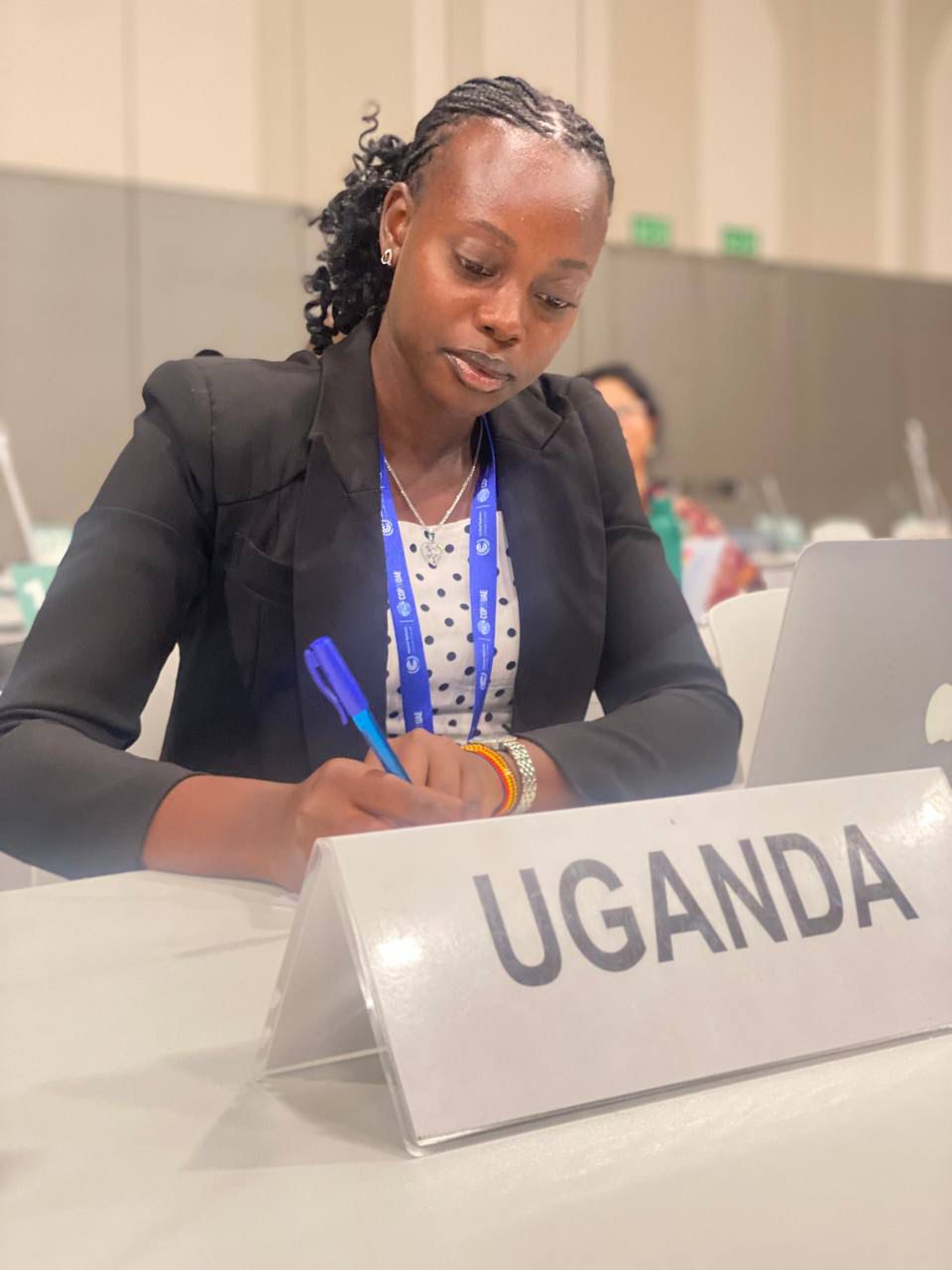

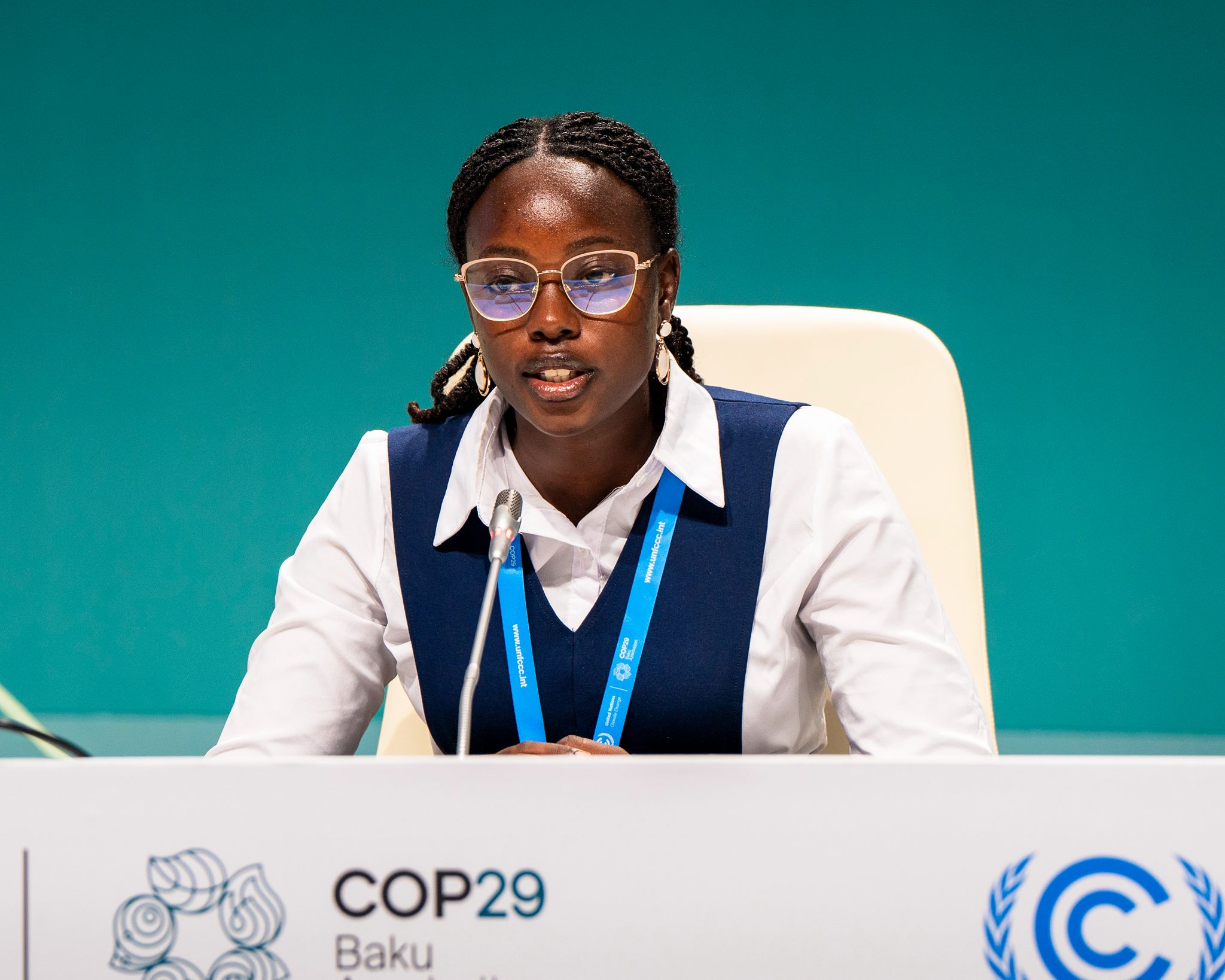
Who is Denise Ayebare and what is her mandate within the National Youth Council?
Denise Ayebare is a seasoned youth leader and international diplomat who has built a formidable reputation by bridging the raw realities of marginalized communities with elite global policy frameworks. Entering public advocacy as a teenager, she has systematically engineered cross-border networks focused on sustainable development, ecological resilience, and civic inclusion. Following her formal oath-taking, Ayebare described the transition into statutory public service as an intense, humbling responsibility.
As the Secretary for External Relations, Ayebare takes charge of the council’s foreign desk. Her structural mandate involves managing international partnerships, designing cross-border youth exchange programs, and executing youth-led bilateral diplomacy. In an era where global opportunities in the green economy, digital transformation, and international fellowships are highly competitive, her office will serve as the primary institutional pipeline connecting ordinary Ugandan youth to regional and international development desks.
How did her work with BetterLife International establish her grassroots credibility?
Long before her election to the apex of Uganda’s formal youth governance structure, Ayebare established solid operational credibility as an independent civil society actor. She is the founder of BetterLife International Organization, a prominent youth-led initiative that has scaled its operations across multiple African countries to tackle systemic environmental and economic vulnerabilities.
[Grassroots Vulnerability Identification] ➔ [BetterLife Localized Interventions] ➔ [Institutional NYC Policy Integration]
Under her strategic direction, BetterLife International has engineered high-impact interventions across highly sensitive ecosystems, focusing heavily on:
- Climate-Smart Agriculture: Training rural youths and smallholder farmers to maximize crop yields using climate-resilient agrarian techniques.
- Clean Energy Adoption: Expanding off-grid solar and clean cooking alternatives into energy-impoverished communities to mitigate deforestation.
- Refugee and Host Community Livelihoods: Designing economic self-reliance frameworks inside major refugee settlements—such as Bidi Bidi—to empower displaced women and youth through sustainable income generation.
- Environmental Literacy: Integrating practical environmental protection modules into rural school curricula to foster community-led conservation.
Why does her transition from independent activism to formal governance matter for Uganda?
Ayebare’s transition from independent civic activism into a statutory body managed under the Ministry of Gender, Labour, and Social Development represents a profound evolution in Ugandan youth politics. Historically, there has been a sharp divide between independent grassroots advocates operating in civil society and the formal administrative structures of state governance.
| Operational Sphere | Legacy Youth Advocacy Posture | The Ayebare Institutional Transition Angle |
| Civil Society & Activism | External lobbying, protest, NGO dependency, localized project execution. | High-level global exposure, UN Climate Conference (COP) negotiations, and raw policy design. |
| Statutory Governance (NYC) | Bureaucratic inertia, perceived political symbolism, centralized administration. | Direct deployment of grassroots experience into state budgets, institutional partnerships, and formal state diplomacy. |
Her presence within the National Executive Committee proves that the gatekeeping mechanisms of traditional governance are slowly yielding to a new generation of technocratic, advocacy-hardened leaders. For years, Ayebare has commanded respect on international stages, representing African youth interests at various United Nations Climate Change Conferences (COP) and global policy forums.
By bringing this international experience into a state institution, her tenure challenges the legacy perception of youth councils as merely symbolic bodies, transforming the NYC into an active engine for practical policy execution.
What lies ahead for youth diplomacy and inclusive development under her foreign policy desk?
With the official oath of office now secure, Ayebare faces the immediate task of translating her global networks into tangible local outcomes. Her colleagues and supporters have continuously lauded her rare capacity to navigate both the complex technicalities of international climate finance and the immediate, raw survival needs of rural youth. Her foreign desk is expected to immediately prioritize structuring transparent agreements with international development partners, securing green job quotas for Ugandan youths, and amplifying the African youth narrative in international climate justice debates.
Ultimately, Ayebare’s swearing-in is a clear statement that youth leadership must transcend standard tokenism. By insisting that young people should not just sit at decision-making tables as passive participants but actively draft national development priorities, she is setting a rigorous new standard for public leadership. For millions of young Ugandans tracking her professional trajectory, her new role offers clear proof that institutional spaces can be systematically reformed when competent, grassroots-tested visionaries step up to command the state machinery.