
Table of Contents
What has Heart to Harvest and UNDP done at Kyambogo?
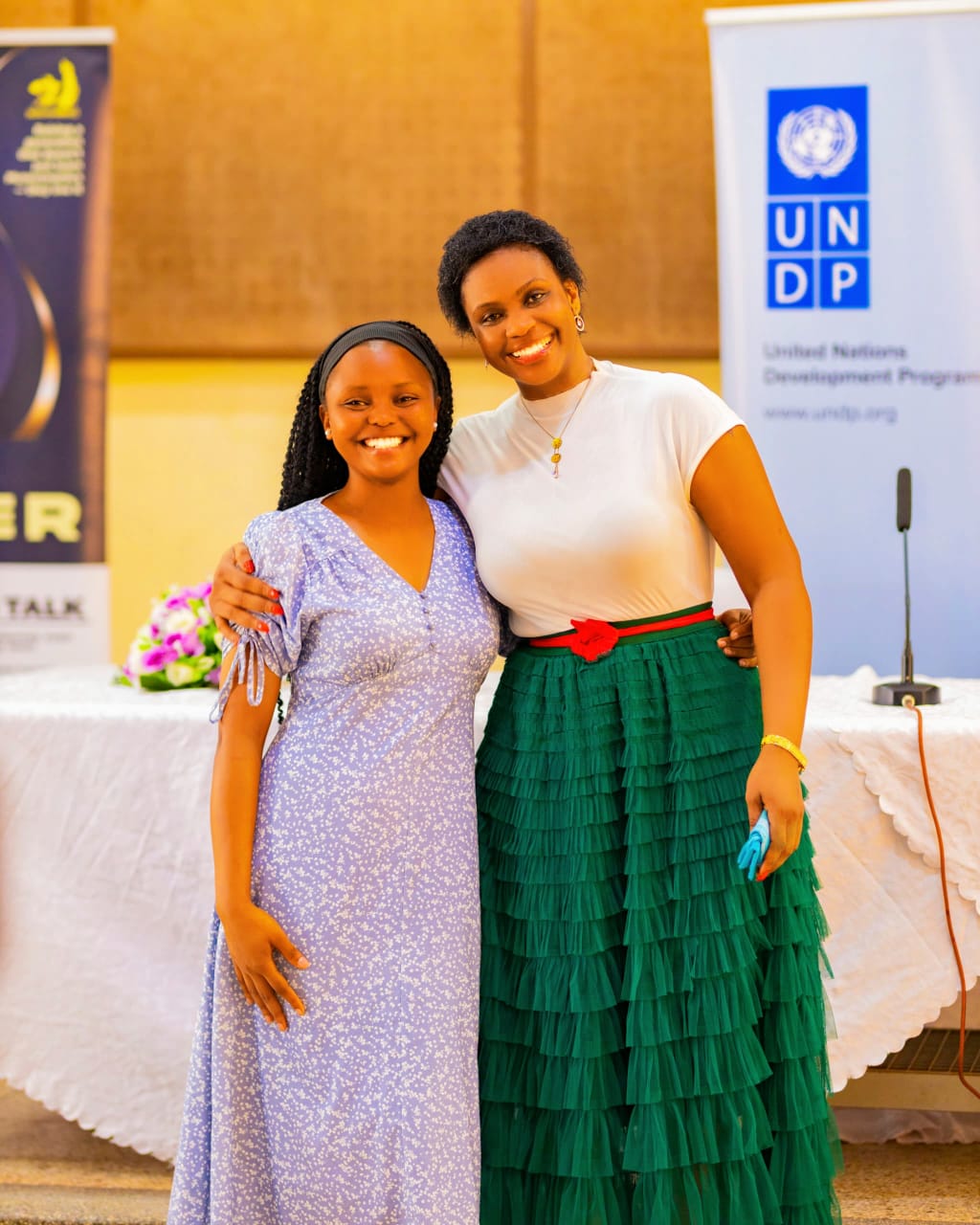
The traditional boundaries of academic instruction were completely redefined at Kyambogo University this week as hundreds of students gathered for a high-intensity youth economic empowerment summit. Supported by the United Nations Development Programme (UNDP), the latest edition of the Heart to Harvest Lecture Series transformed standard lecture halls into active strategic war rooms focused on dismantling psychological dependence and rebuilding the economic direction of Uganda’s younger demographic.
The atmosphere inside the packed venue was marked by intense concentration, where smartphones were completely repurposed from passive scrolling platforms into critical note-taking tools. From the front-row enclosures to the back of the auditorium, the level of engagement was absolute.
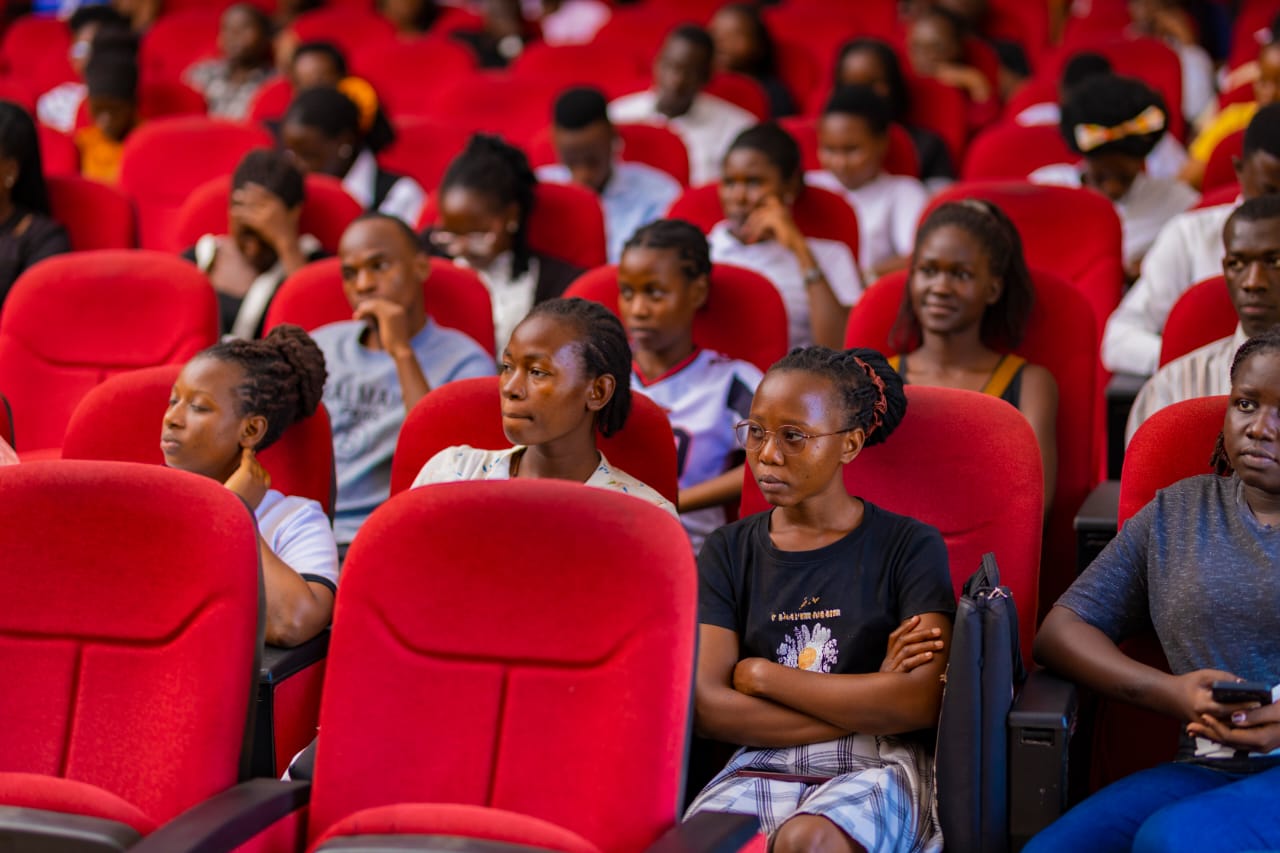
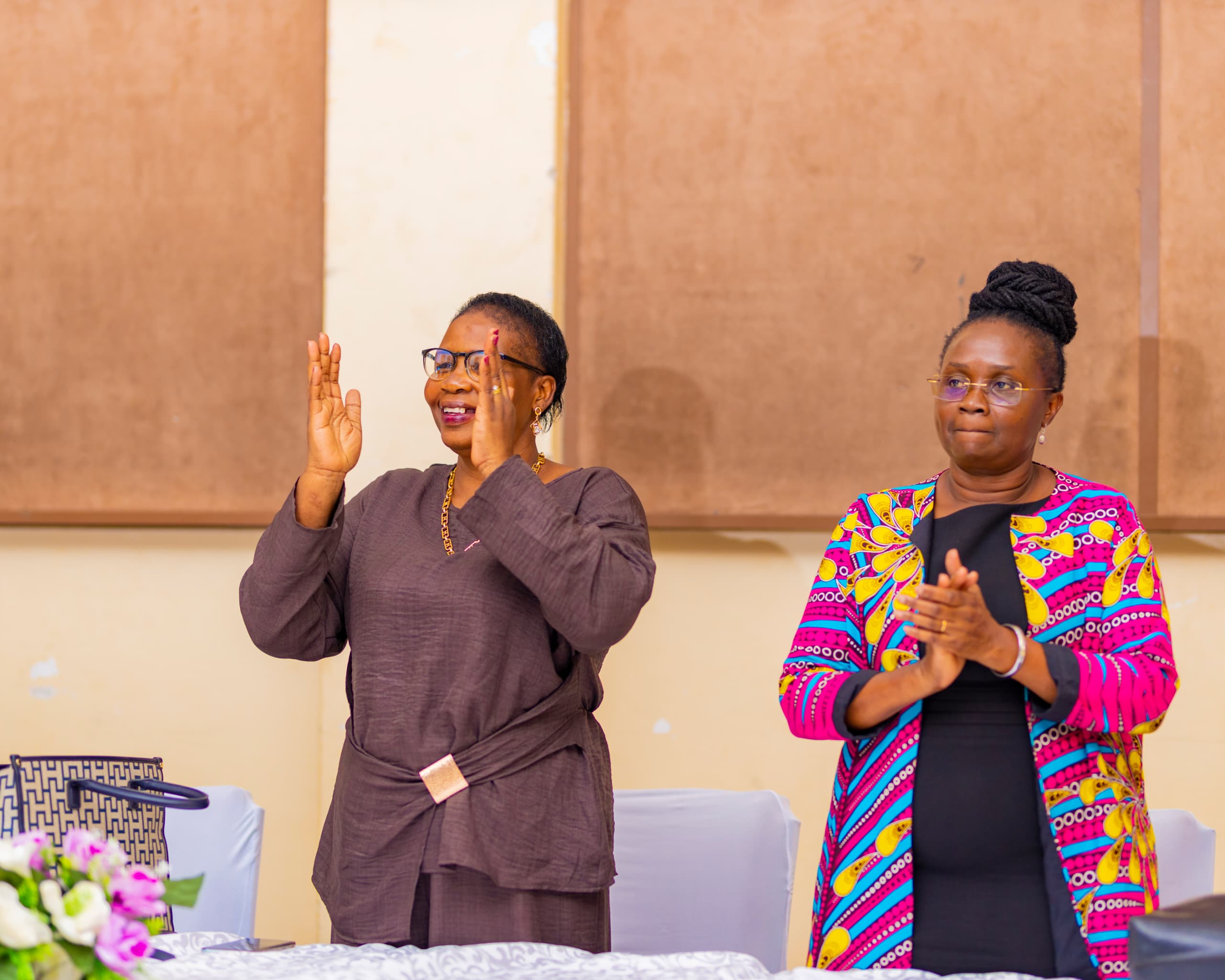
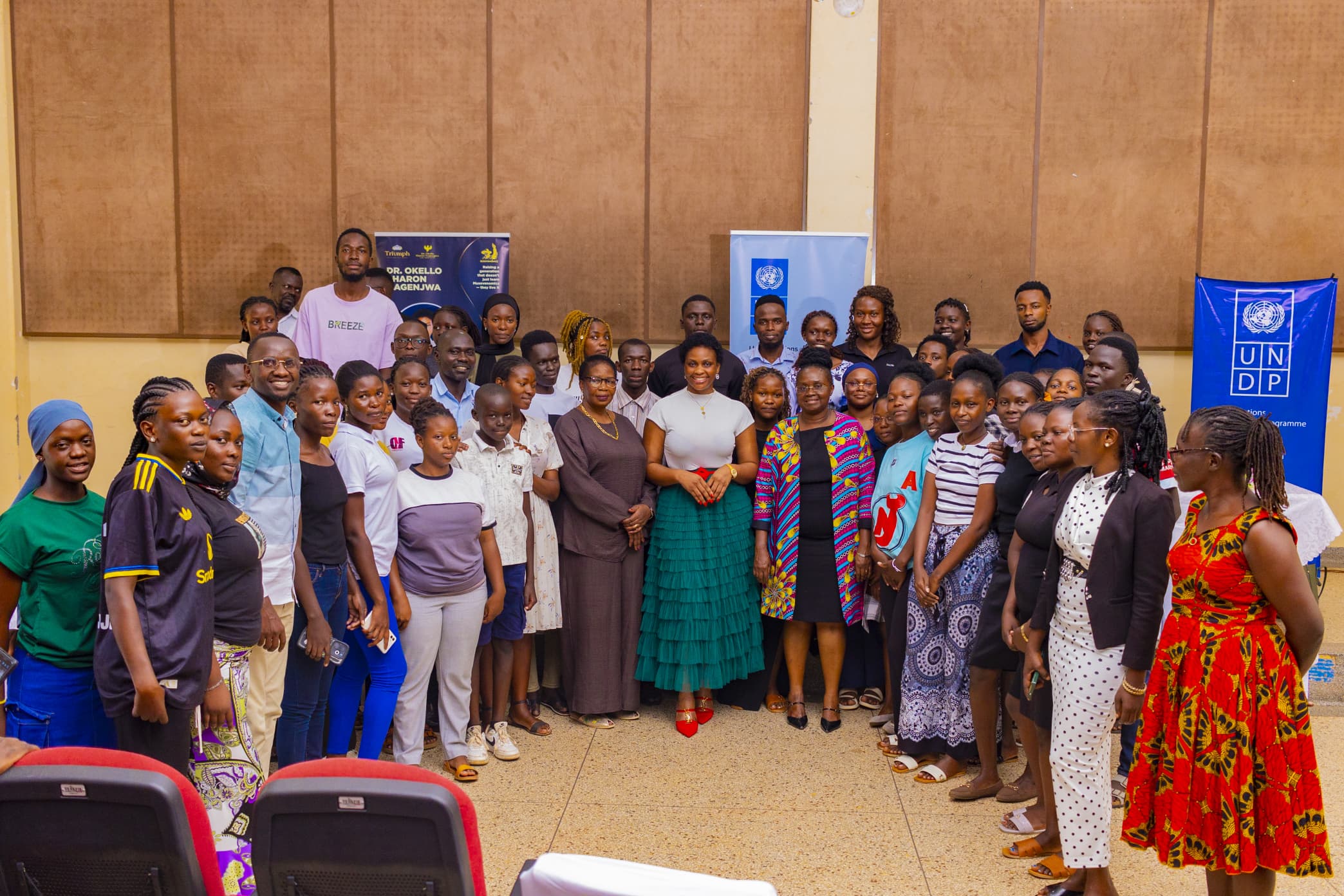

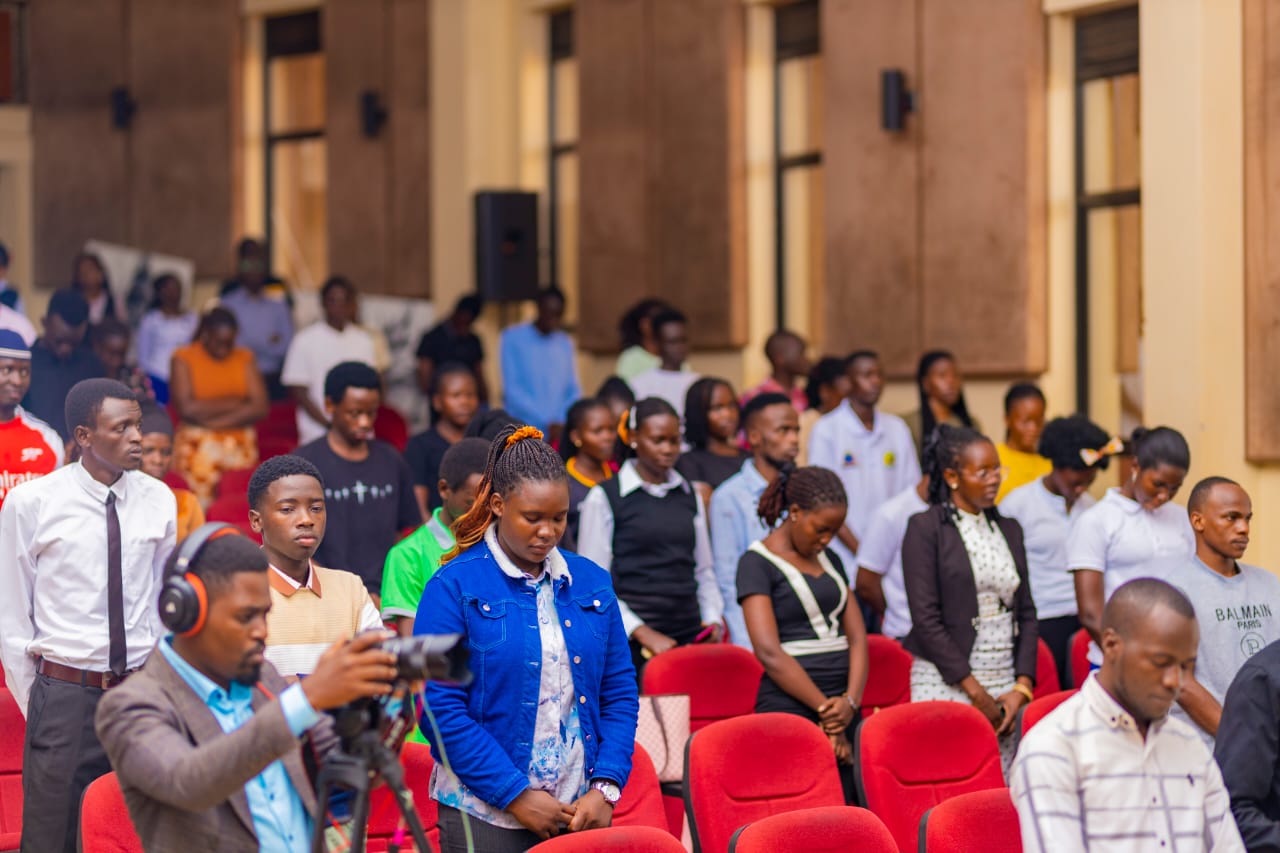
Crucially, the active participation of students with disabilities, including an undergraduate named Honest, underscored the core baseline of the entire event: that cognitive potential, entrepreneurial innovation, and economic output are universal traits completely free of physical limitations.
What is the role of the UNDP in Kyambogo University’s youth economic empowerment initiative?
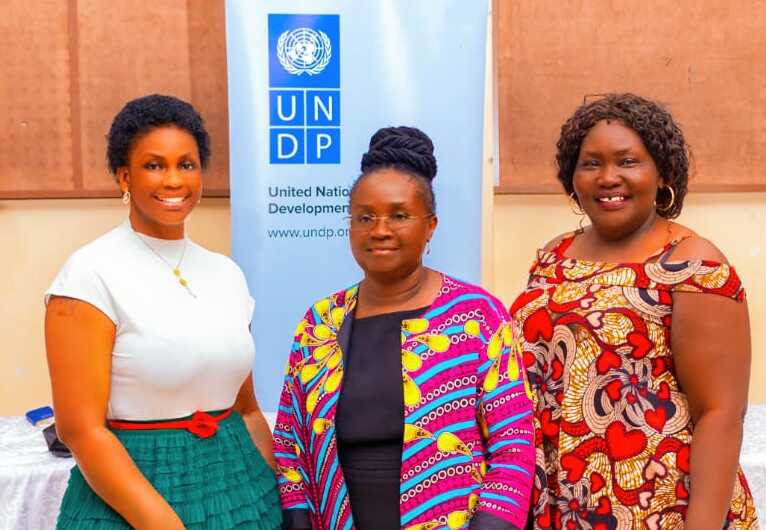
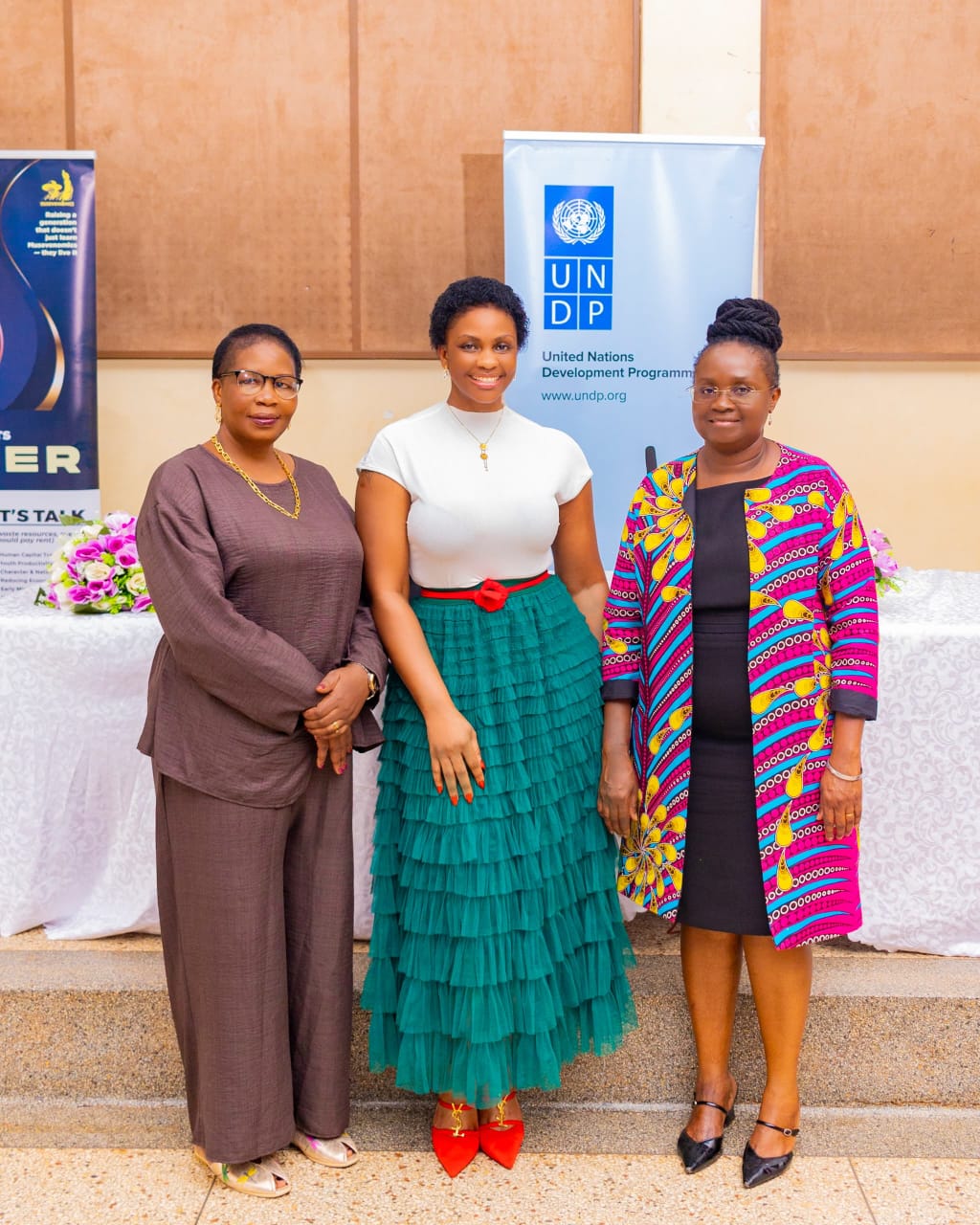
The intensive engagement at Kyambogo University highlights the UNDP’s structural commitment to youth development, sustainable livelihoods, and the creation of resilient economic pathways across East Africa. Delivering a centralized address on behalf of the UNDP Resident Representative, Mrs. Nwanne Vwede Obahor, senior representative Annette Mbabulungi placed an uncompromising emphasis on the foundational virtues of hard work, strict personal discipline, operational consistency, and intentional self-growth.
Mbabulungi forcefully challenged the student body to shed passive expectations of state or corporate safety nets and instead assume absolute ownership of their personal economic trajectories. She noted that the contemporary global economy does not reward mere academic certification, imploring the youth to actively leverage their immediate knowledge, localized opportunities, and emerging digital skill sets to directly uplift their families and broader communities.
How does Dr. Sharon Okello’s “How to Make Money Without Money” strategy work for students?
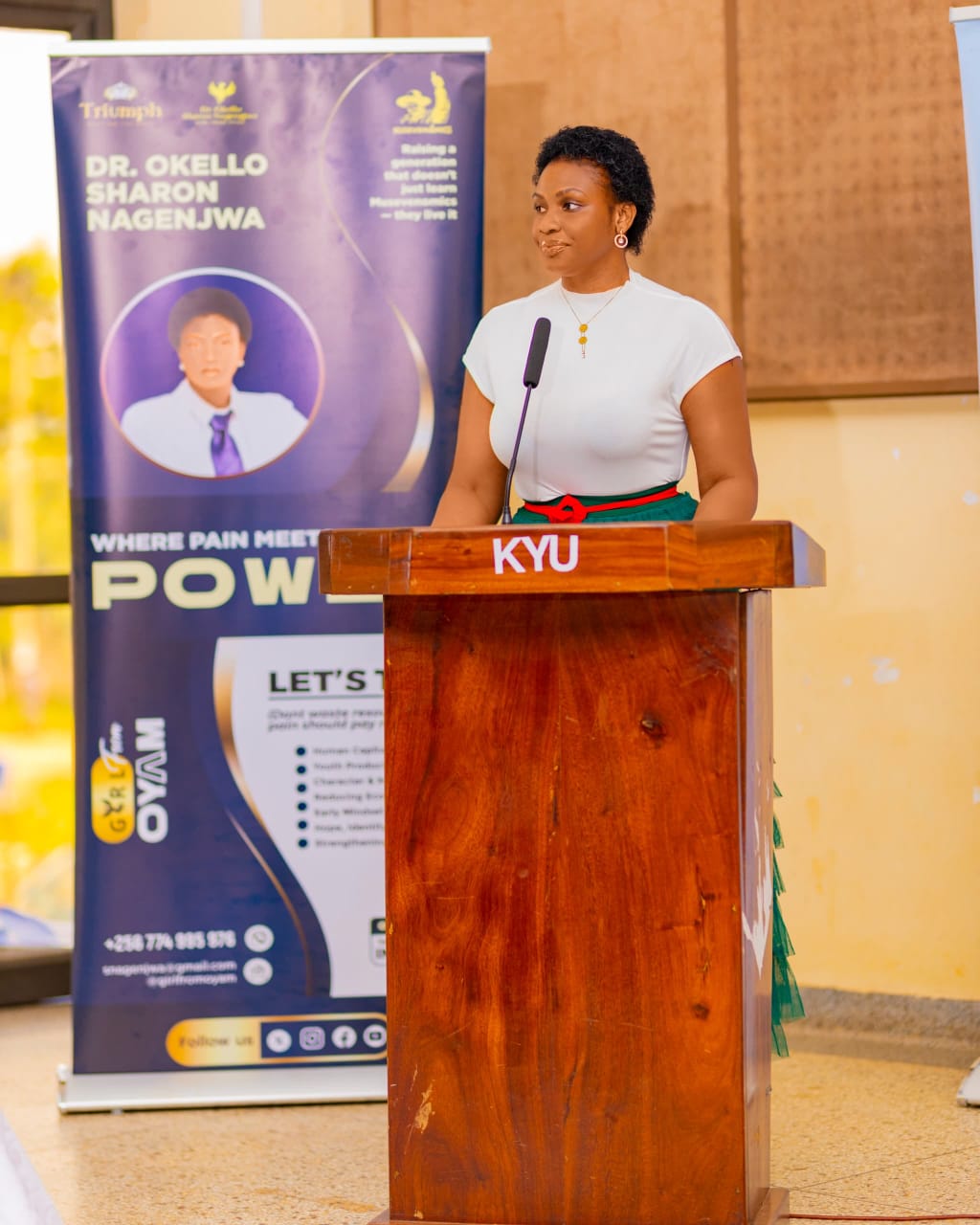
The technical blueprint of the session was delivered through a keynote masterclass by the CEO of Triumph Women Uganda and founder of the Heart to Harvest Lecture Series, Dr. Okello Sharon Nagenjwa. Running under the definitive execution theme of “How To Make Money Without Money,” Dr. Nagenjwa utilized a highly interactive framework to dismantle the conventional, corporate-dependent mindsets that trap modern African graduates.
| Core Strategic Pillar | Operational Definition & Execution | Required Intangible Capital |
| Self-Activation | Transitioning the mind from a passive job seeker to an active, self-contained economic asset. | High Psychological Assertiveness |
| Value Creation Matrix | Identifying immediate community vulnerabilities and designing localized solutions. | Creative Problem Solving |
| Asset Optimization | Repurposing existing consumer hardware and networks for commercial monetization. | Strict Lifestyle Discipline |
| Structural Resilience | Developing the psychological endurance required to survive early-stage business volatility. | Uncompromising Focus |
Dr. Nagenjwa urged the audience to permanently stop categorizing themselves as helpless job seekers and instead audit themselves as high-value, productive assets capable of generating immediate economic value. To drive this point home, she highlighted a profound societal paradox regarding mobile technology, observing that two individuals can own the exact same smartphone hardware, yet their economic outcomes remain diametrically opposed.
While one innovative mind leverages the device to build revenue, manage logistics, and capture digital markets, another uses the same data networks exclusively for endless gossip and tracking personal WhatsApp statuses. She likened the latter to “a government surveillance project operating with absolutely no salary attached.”
“The problem is not always a lack of resources,” Dr. Nagenjwa explained to the packed hall. “Sometimes it is completely underutilized potential.”
Why is inclusivity and resilience critical to Uganda’s youth development programs?
The multi-hour strategy session proved that when macroeconomic theories are translated into human-centered, relatable language, the psychological response from young people is instantaneous. A vital layer of this transformation was highlighted by civil society leader Sedrick Otolo, who shared his raw personal trajectory of rising above severe structural limitations and navigating hostile economic environments.
Otolo’s biographical testimony served as an inspiring case study for the students, reinforcing the reality that a young person’s current geographic or socio-economic background lacks the power to permanently restrict their final professional destination, provided they maintain unyielding focus and internal resilience.
Ultimately, the Heart to Harvest framework at Kyambogo University succeeded because it rejected tokenistic motivation in favor of deep structural alignment. By ensuring that students with disabilities were fully integrated into the mainstream economic dialogue, the forum established a new benchmark for inclusive development in Uganda’s higher education spaces.
The collective takeaway echoing across the campus by the end of the summit was clear and definitive: the youth of Uganda are not empty vessels waiting for external financial handouts; they are highly potent, untapped centers of economic value waiting for strategic activation.