

Table of Contents
As the dust settles on the 2025 Primary Leaving Examinations (PLE) results, thousands of Ugandan families are turning their attention to the critical next step: securing a spot in Senior One (S1). Released on January 30, 2026, by the Uganda National Examinations Board (UNEB), the PLE outcomes revealed a mixed bag of achievements. While there was a notable increase in candidates passing in Division One—up by 7,689 from 2024—the number of top performers scoring Aggregate 4 dipped significantly. This shift has rippled through the admissions process, prompting schools across the country to adjust their cutoff points in ways that could reshape access to quality secondary education.
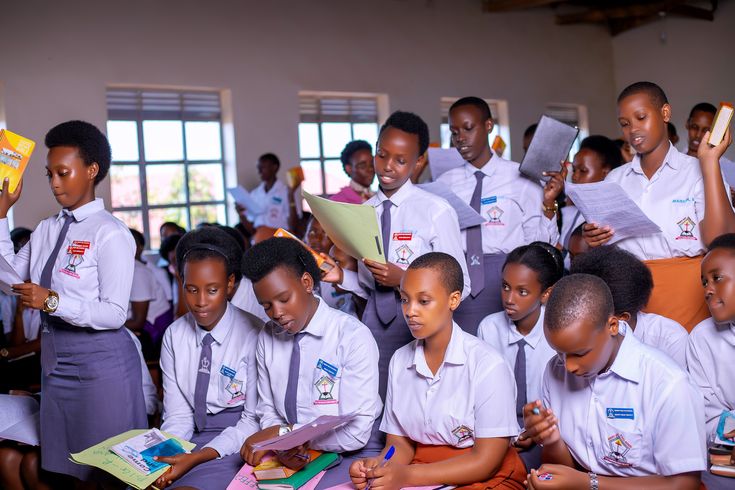
In this comprehensive article, we delve into the intricacies of S1 cutoff points for 2025, drawing on official data from the Ministry of Education and Sports, insights from headteachers during the national selection exercise at the Uganda Manufacturers Association (UMA) Grounds in Lugogo, and analyses from education experts. As Kampala Edge Times, we aim to equip parents, students, and educators in the Central Region and beyond with the knowledge needed to make informed decisions. We’ll explore key questions surrounding this year’s admissions, including a detailed reproduction of a widely circulated table highlighting cutoff points for select schools.
What Are Senior One Cutoff Points?
Senior One cutoff points refer to the maximum aggregate scores from the PLE that a school will accept for admission into its first year of secondary education. In Uganda’s grading system, PLE aggregates are calculated based on performance in four core subjects: English, Mathematics, Science, and Social Studies. Each subject is graded from 1 (distinction) to 9 (fail), with the aggregate being the sum of these grades. A lower aggregate indicates stronger performance—Aggregate 4 is the pinnacle, achieved by earning a 1 in every subject.
Cutoff points act as a threshold: students with aggregates at or below the cutoff (i.e., better or equal performance) are eligible for admission, provided they selected the school as one of their choices during the PLE registration process. For instance, if a school’s cutoff is set at Aggregate 6 for boys, only male candidates with aggregates of 4, 5, or 6 will be considered. These points are crucial because they determine access to prestigious institutions, which often boast better resources, experienced teachers, and higher success rates in subsequent exams like the Uganda Certificate of Education (UCE).
In 2025, cutoff points have become a hot topic due to their role in balancing school capacities with the pool of qualified candidates. According to UNEB Executive Director Dan Odongo, over 92% of the 2025 PLE candidates—approximately 700,000—passed and are eligible for secondary school. However, with limited slots in top-tier schools, cutoffs help prioritize placements based on merit and student preferences.
How Are Cutoff Points Determined in Uganda?
The determination of S1 cutoff points is a collaborative yet structured process overseen by the Ministry of Education and Sports. It begins with schools declaring their available vacancies and preferred entry standards during the national selection exercise, which for 2025 took place on January 29-30 at UMA Grounds in Lugogo, Kampala. Headteachers from across Uganda convene to review applicant data, but the final cutoffs are set using an automated computerized system managed by the ministry.
This system factors in several elements: the overall PLE performance distribution, the number of applicants listing a school as their first choice, school capacity, and historical admission trends. As explained by State Minister for Primary Education Dr. Joyce Moriku Kaducu during the exercise’s opening, the algorithm ensures fairness by allocating spots primarily to top performers who prioritized the school. “The cut-off points usually adjust based on performance,” Minister Muyingo noted in a related context, emphasizing that strong national results can tighten (lower) cutoffs, while dips in top grades lead to relaxation (higher cutoffs).
Schools have some autonomy in proposing their thresholds, but the ministry intervenes to prevent exclusionary practices. For example, elite schools might aim for Aggregate 4-6 to maintain high standards, while others accommodate up to Aggregate 20 or higher to fill seats. Gender considerations also play a role, with many schools setting slightly higher cutoffs for girls to promote equity, aligning with national policies like the Gender in Education Policy. In 2025, the process was scrutinized for integrity, with Dr. Kaducu dismissing doubts about UNEB’s marking procedures, affirming that all standards were upheld.
Why Did Many Schools Adjust Their Cutoff Points in 2025?
The 2025 adjustments stem primarily from a decline in ultra-high performers despite an overall uptick in Division One passes. UNEB data shows fewer candidates achieved Aggregate 4 compared to 2024, attributed to factors like curriculum challenges and regional disparities in education quality. This scarcity at the top prompted widespread relaxation of cutoffs—meaning schools raised their maximum acceptable aggregates to accommodate more students.
Reports from the selection exercise indicate that traditional powerhouses, which typically set stringent cutoffs, either maintained or slightly relaxed them. For instance, King’s College Budo shifted from Aggregate 4 for boys and 5 for girls to 5 for both, while St. Henry’s College Kitovu moved from 6 to 7. As Mike Opio of The Kampala Report noted, “The lowering of cut-off points has affected all schools, including traditional ones, with some reducing requirements to as low as 8 aggregates.” This move aims to prevent under-enrollment and ensure broader access, especially in a year where male candidates outperformed females and recorded lower failure rates.
Education analysts argue that these adjustments reflect broader systemic issues, such as uneven resource distribution. In regions like the north and east, cutoffs are often higher (more relaxed) due to lower average performances, while Central and Western Uganda schools remain competitive. The ministry has pledged research into the drop in Aggregate 4 scorers, as announced by Minister Kaducu, to address root causes like teacher shortages or exam preparation gaps.
What Are the Cutoff Points for Some Key Schools in 2025?
Based on data compiled from the national selection process and shared during the Lugogo exercise, cutoff points vary widely. Top performers like Gayaza High School, Mt. St. Mary’s Namagunga, and St. Mary’s College Kisubi maintained cutoffs between Aggregates 4-7, reflecting their status as academic beacons. Other schools, such as Masaka SS and Iganga SS, relaxed to 9-14 to fill slots.
A detailed table circulating among education stakeholders—sourced from official placements and verified through ministry channels—provides a snapshot for some schools. This table, which we’ve reproduced in full below, highlights cutoffs for boys and girls across various institutions. Note that blank entries typically indicate single-gender schools or unavailable data for that category.
| School | Boys | Girls |
|---|---|---|
| Ntare School | 7 | |
| Nabisunsa Girls | 7 | |
| King’s College Budo | 5 | 5 |
| Kawempe Muslim SS | 7 | 8 |
| Makerere College | 6 | 6 |
| St. Mary’s College-Kisubi | 5 | |
| Namilyango College | 7 | |
| St. Mary’s Kitende | 5 | 6 |
| Mt. St. Mary’s Namagunga | 7 | |
| Gayaza High School | 6 | |
| Trinity College Nabbingo | 6 | |
| Jinja SS | 7 | 8 |
| Immaculate Heart Girls, Ruk. | 6 | |
| Kibuli SS | 6 | 7 |
| Ndejje SS | 7 | 7 |
| Mary Hill High School | 6 | |
| St. Peters Nsambya | 9 | 9 |
| Bweranyangi Girls SS | 8 | |
| Gombe SS | 8 | 8 |
| Kitunga High School | 8 | |
| St. Leo’s Kyegobe | 8 | |
| St. Henry’s College Kitovu | 7 | |
| St. Joseph’s College Layibi | 8 | |
| Mutyuera High School | 8 | |
| Kyeizooba Girls | 9 | |
| Busoga College Mwiri | 8 | |
| Dr. Obote College | 9 | |
| Sacred Heart SS | 9 | |
| St. Mary’s College Rushoroza | 8 | 10 |
| Masaka SS | 12 | 14 |
| St. Kalemba SS Kayunga | 10 | 12 |
| Hamony High School, Semuto | ||
| Y.Y. Okot Memorial College | 19 | |
| Wanyange Girls | 10 | |
| Masheruka Girls | 10 | |
| Nabumali High School | 11 | 13 |
| Teso College Aloet | 12 | |
| Budini SS Kaliro | 15 | |
| St. Peter’s College, Tororo | 10 | |
| St. Paul College | 11 | 12 |
| Iganga High School | 12 | 14 |
| Mengo SS | 7 | 7 |
| Kisoko HS Tororo | 17 | 18 |
| Kamonkoli College Budaka | 15 | |
| St. Paul’s College Mbale | 12 | 13 |
| Luzinga SS Kamuli | 20 | 22 |
| Katikamu SDA SS | 12 | 12 |
| Madinah Islamic SS, Nsangi | ||
| Tororo Girls SS | 10 | |
| Mbale SS | 15 | 17 |
| Masaba SS | 13 | 15 |
| Bukedi College Kachonga | 15 | 18 |
| Kigezi High School | 12 | |
| Mbale College | 11 | 12 |
| Kashaka Girls | 12 | |
| Kigezi College Butobere | 19 | |
| Kibubura Girls | 12 | |
| St. Paul’s SS Bukinda | 19 | 20 |
| Kinyasano Girls Rukungiri | 12 | |
| Bwogyera Girls S Ntungamo | 15 | |
| Nyakasura School | 10 | 11 |
| Kakungulu Memorial – Kibuli | 10 | 10 |
| Lubiri SS | 9 | 10 |
| Ruyonza School | 11 | 13 |
| Nyabubale SS | 11 | 14 |
| Bukoyo SS | 11 | 13 |
| Makobore High School | 12 | |
| Old Kampala SS | 11 | 13 |
| Nganwa High School | 12 | |
| Mityana Town SS | 15 | 16 |
| St. Joseph SS Kyankwanzi | 13 | 13 |
| St. Joseph’s College, Ombachi | 13 | |
| Iganga SS | 9 | 9 |
| Ngora Girls | 15 | |
| Lango College | 16 | |
| Kotido SS (Upper) | 16 | 27 |
| St. Charles Lwanga, Koboko | 19 | |
| Kotido SS (Lower) | 28 | 28 |
| Target College | 20 | 22 |
| Kitgum HS | 23 | 23 |
| Arivu SS | 21 | 26 |
| St. Mary’s College, Lacor | 20 | 28 |
| Kennedy SS, Kawuku | 15 | 15 |
| Butaleja SS | 15 | 20 |
This table, based on 2025 placements, underscores the competitiveness of urban schools in Kampala and surrounding areas, where cutoffs are generally lower (stricter) compared to rural counterparts.
Are There Gender Differences in Cutoff Points?
Yes, gender-specific cutoffs are common in Uganda to address historical imbalances in education access. In 2025, many schools set higher cutoffs for girls—meaning they accept female students with slightly weaker aggregates—to encourage enrollment and comply with affirmative action policies. For example, at Kibuli SS, boys need up to Aggregate 6, while girls can go up to 7. UNEB data shows males outperformed females overall, with lower failure rates, but girls’ cutoffs help bridge this gap.
Experts like those from Radio Sapientia highlight that this approach has boosted female participation in STEM fields at secondary levels. However, critics argue it can sometimes lead to perceptions of lowered standards, though evidence from past years shows no long-term dip in school performance.
What Impact Do These Cutoff Points Have on Education Quality?
Relaxed cutoffs in 2025 could democratize access to better schools, allowing more students from diverse backgrounds to benefit from superior facilities. Schools like St. Florence SS, which raised its cutoff from 21 to 26, exemplify this by offering opportunities to mid-tier performers. However, headteachers warn of potential strains on resources, such as overcrowded classrooms, which could dilute teaching quality.
Long-term, experts from Daily Monitor suggest that maintaining strict cutoffs in top schools preserves excellence, as seen in consistent UCE and UACE rankings. The ministry’s planned research into performance drops could lead to reforms, like enhanced primary teacher training, to elevate overall aggregates.
What Options Exist for Students Who Miss the Cutoff?
If a student misses their preferred school’s cutoff, all is not lost. The ministry generates three placement lists: merit-based first-choice admissions, second-choice reallocations, and open slots for lower performers. Private admissions are another avenue, where schools may accept students beyond government quotas for fees. Parents in Kampala can explore alternatives like international curricula schools or vocational programs under the Skilling Uganda initiative.
Advisors recommend appealing through district education offices or considering community schools with higher cutoffs but strong local support. As the first term commences on February 17, 2025, prompt action is key—check posted lists at schools immediately after selection.
In conclusion, the 2025 S1 cutoffs reflect a dynamic education system adapting to performance trends. For Kampala families, this means heightened competition but also expanded opportunities. Stay tuned to Kampala Edge Times for updates on admissions and education policy.