
Table of Contents
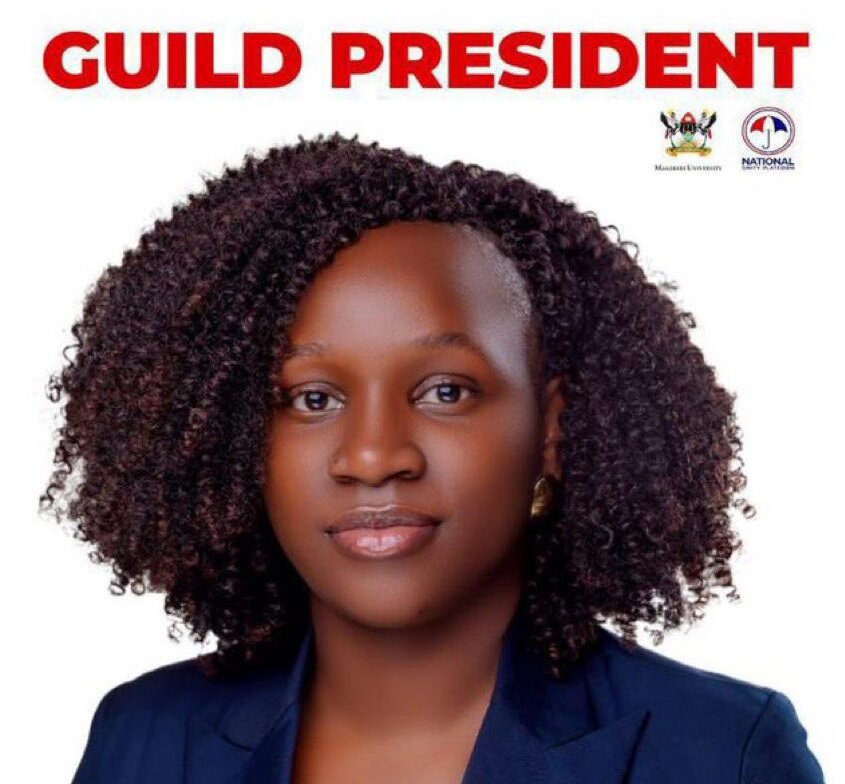
The “Ivory Tower” has spoken, and its voice remains draped in the signature red of the National Unity Platform (NUP). In a high-stakes election that pitted grassroots political activism against national celebrity, Ms. Gracious Kadondi emerged victorious as the 92nd Guild President of Makerere University.
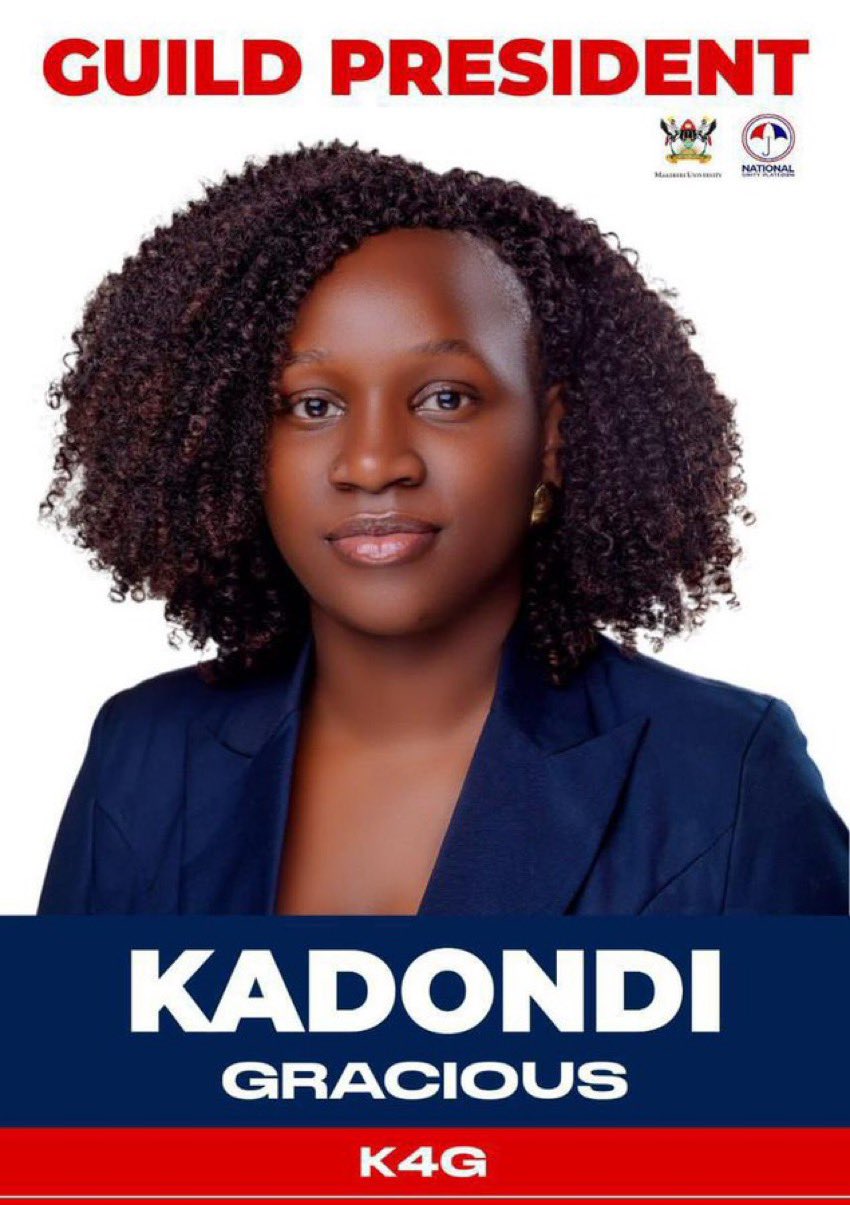
The atmosphere at the Yusuf Lule Central Teaching Facility on Thursday evening was electric, characterized by a mix of digital anxiety and traditional political fervor. As the University Electoral Commission projected the virtual tally results, it became clear that Kadondi had not just won; she had successfully defended a political fortress that has become the crown jewel of opposition student politics in Uganda.
Who is Gracious Kadondi and how did she clinch the 92nd Guild Presidency?
Gracious Kadondi, a name that was relatively obscure outside the gates of Makerere just months ago, has now etched her name into the history books as the 92nd leader of the university’s student body. Running on the National Unity Platform (NUP) ticket, Kadondi’s victory is being viewed as a masterclass in student mobilization.
Securing 6,801 votes, Kadondi tapped into the core “People Power” ideology that has dominated Makerere for the last half-decade.
Her campaign focused on the “common student”—those struggling with the complexities of the university’s online systems, missing marks, and the perceived “militarization” of campus life. While her rivals focused on glamour and high-level policy, Kadondi’s team hit the halls of residence (Mitchell, Mary Stuart, and Lumumba) with a message of “restoration.”
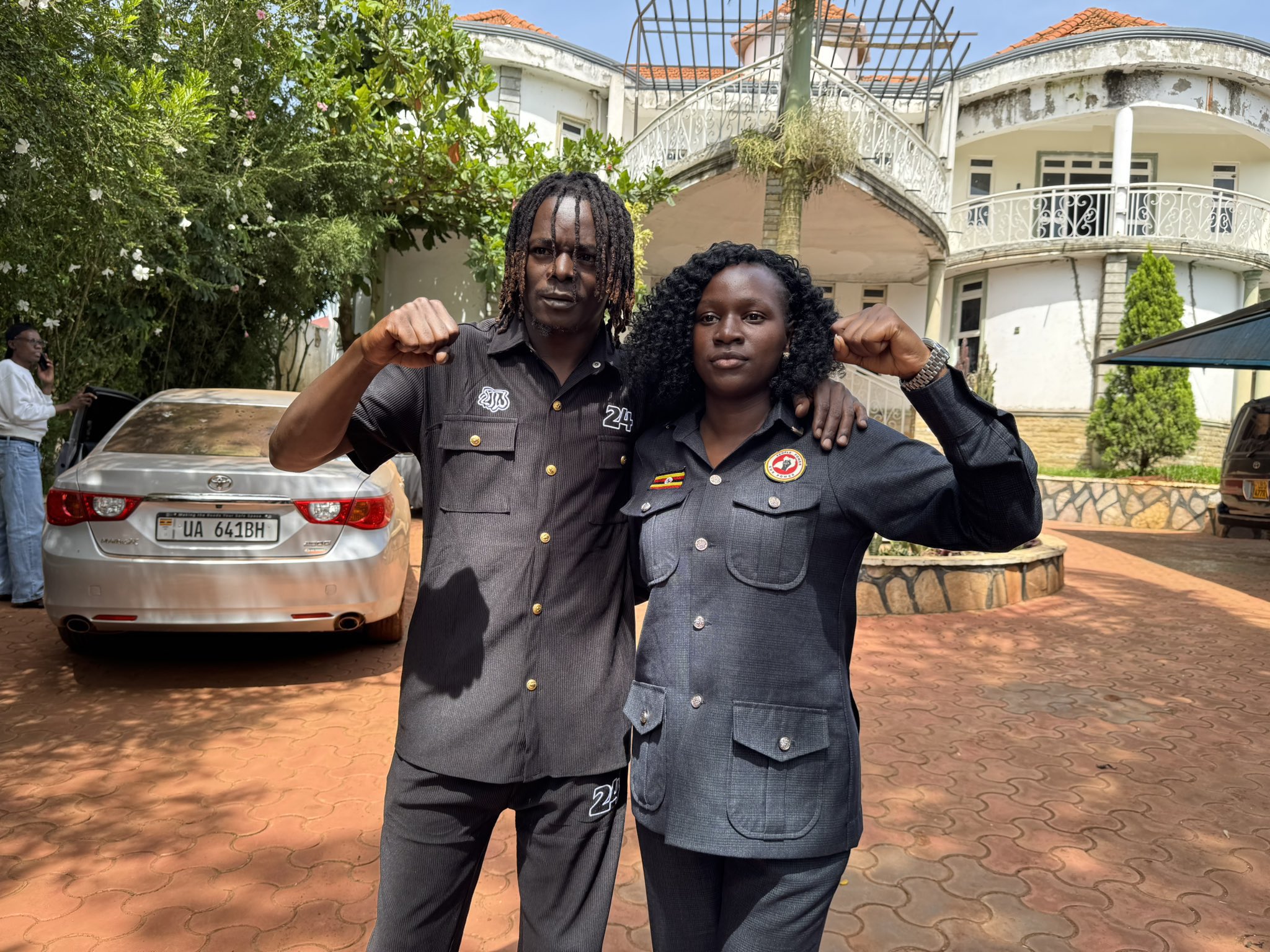

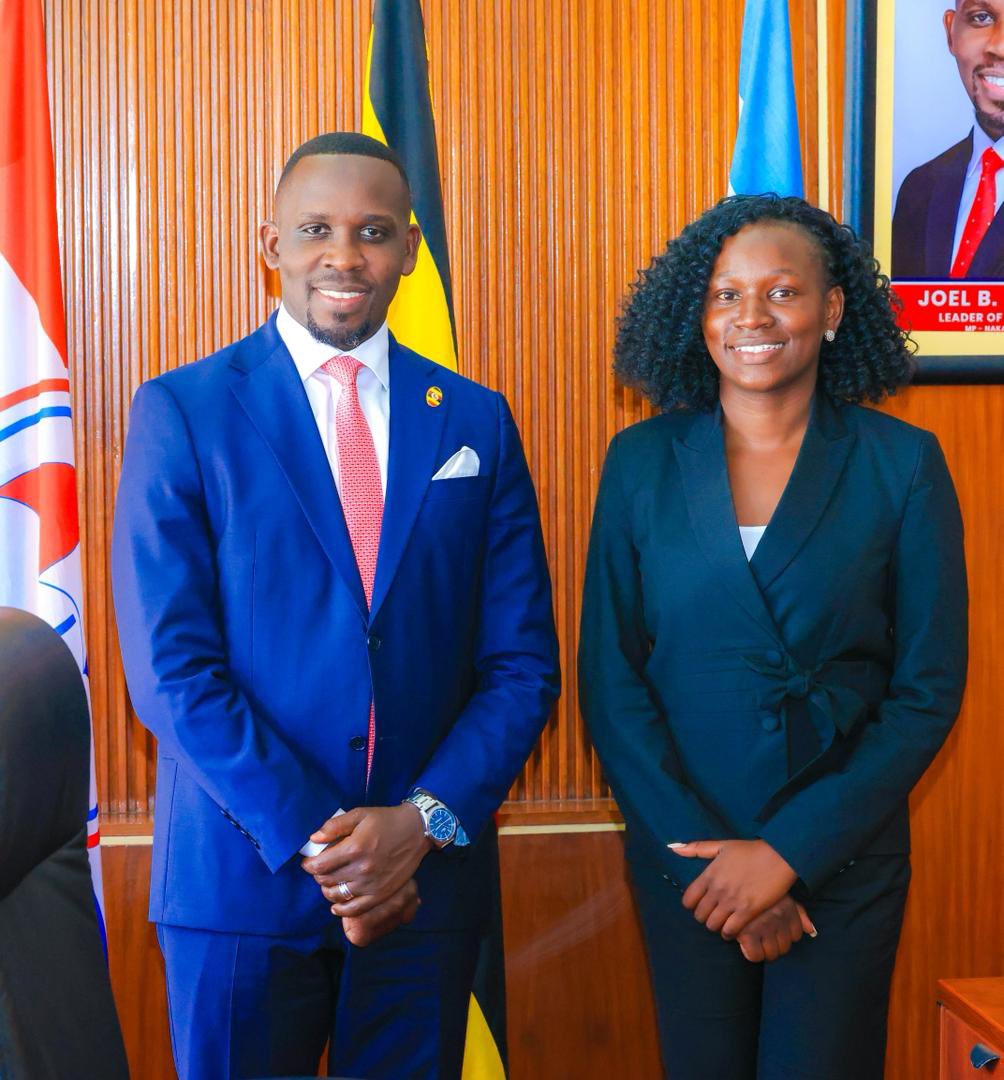
Her victory marks her as the fifth president elected under the university’s controversial electronic voting system, a digital shift that many students still view with skepticism. In her victory speech, Kadondi didn’t just celebrate; she challenged the very system that brought her to power, promising to fight for a return to physical voting to ensure “validation and transparency.”
Why did the fame of former Miss Uganda, Hannah Karema, fail to secure the student vote?
One of the most talked-about dynamics of this race was the candidacy of Hannah Karema. As the former Miss Uganda (2023/24) and a Top 8 finalist at Miss World, Karema brought a level of national fame rarely seen in guild elections. However, despite a strong showing of 5,787 votes, she fell short of the top spot.
The result highlights a growing divide between “National Fame” and “Campus Politics.” In the broader Ugandan political landscape, a celebrity status often translates into instant influence.
However, Makerere University operates on a different frequency. Students at the “Hill” tend to reward candidates who embody the “struggle”—a political identity that Kadondi leveraged effectively.
Karema, though running as an Independent, was frequently associated by campus pundits with a more polished, establishment-friendly image. In University politics, especially at Makerere, being the “favored” or “elite” candidate can often be a liability. While Karema’s “Reboot the Ivory Tower” campaign resonated with thousands, it could not dismantle the well-oiled NUP machinery that views Makerere as its primary training ground for future national leaders.
What do the final results and statistics reveal about the 2026 Makerere Guild race?
The 2026 election was a crowded field with 13 contestants, but it quickly narrowed down to a two-horse race. The sheer gap between the top two and the rest of the field is staggering, suggesting a highly polarized student body.
| Candidate | Political Affiliation | Total Votes |
|---|---|---|
| Gracious Kadondi | NUP | 6,801 |
| Hannah Karema | Independent | 5,787 |
| Peter Kyanja Claveri | Independent | 1,493 |
| Daniel Nyaika | Independent | 1,147 |
| Mark Nzanga | Independent | 595 |
| Mike Mujuzi Flugensio | Independent | 408 |
| Jimmy Tebakor | NRM | 184 |
| Tracy Mbabazi | Independent | 148 |
| Ashraf Ssemanda | Independent | 121 |
| Timothy Sserunkuuma | Independent | 68 |
| Jackson Lubango | Independent | 65 |
| Timothy Bulumba | Independent | 61 |
| Cohen Atuha | Independent | 35 |
| The National Resistance Movement (NRM) candidate, Jimmy Tebakor, managed only 184 votes, a statistic that underscores the continued difficulty the ruling party faces in gaining a foothold among the elite youth at Uganda’s premier university. |
How has the National Unity Platform (NUP) maintained its grip on Makerere politics?
To understand Kadondi’s win, one must look at the historical context of the last few years. Since the 88th Guild, the NUP (and its predecessor “People Power”) has held a virtual monopoly on the Presidency.
| Guild Year | President | Party Affiliation | Key Note |
|---|---|---|---|
| 92nd (2026) | Gracious Kadondi | NUP | First woman NUP President since Nambassa. |
| 91st (2025) | Ssentamu Churchill James | NUP (leaning) | Narrow victory over Baptist Rukundo. |
| 90th (2024) | Vincent Lubega Nsamba | NUP | Massive margin; reinforced NUP dominance. |
| 89th (2023) | Robert Maseruka | NUP | Transition year following e-voting rollout. |
| 88th (2021) | Shamim Nambassa | NUP | Won with over 5,000 vote margin. |
| The NUP’s success at Makerere is not accidental. It is built on a “cell-based” mobilization strategy. Even when physical rallies were banned this year due to security concerns, Kadondi’s team used encrypted messaging apps and hall-to-hall “whisper” campaigns to ensure voter turnout. For the NUP, Makerere is more than a university; it is a symbol of resistance. |
What challenges did students face with the Makerere electronic voting platform this year?
While the University administration praised the electronic system for its efficiency and for preventing the physical violence that marred previous elections (notably the 2022 incident that led to the death of a student), the students remain divided.
Throughout the voting day, several students reported technical glitches. Common issues included:
- System Latency: Slow response times when trying to log into the voting portal.
- Authentication Errors: Students failing to receive the required “One Time Password” (OTP) on their registered mobile numbers.
-
Digital Divide: Concerns that students without high-end smartphones or stable data connections were disenfranchised.
Kadondi herself addressed these issues moments before the final tally, stating:
“We need a system that provides clear validation and evidence, including declaration forms, so that every candidate and voter has confidence in the outcome.”
Her platform included a strong stance against “virtual leadership,” arguing that the digital barrier between the students and the electoral process weakens the democratic fabric of the Ivory Tower.
Why did the “National Movement” strategy fail in University politics?
In the lead-up to the election, many political analysts predicted that Hannah Karema would benefit from the “National Movement” style of campaigning—using high-profile endorsements, celebrity appeal, and a massive social media presence. In the national arena, this often secures victory.
However, Makerere students are notoriously protective of their “autonomous” political culture. The sentiment on the ground was that Karema was “too polished” for the gritty reality of campus struggles. On the other hand, Kadondi embraced the identity of a “Foot Soldier.”
The distinction is vital: while national politics often relies on the perception of power, university politics relies on the perception of proximity. Kadondi was seen as someone who sits in the same crowded lecture rooms and eats the same “Kikomando” as the average student, whereas Karema was viewed through the lens of her Miss Uganda crown—a symbol of a different, more distant world.What are the immediate reforms Gracious Kadondi has promised for the Guild?
Now that the celebrations have moved from the Yusuf Lule facility to the hostels of Kikoni and Wandegeya, the real work begins for the 92nd Guild President. Kadondi has laid out a rigorous agenda for her first 100 days:
- Restoration of Physical Campaigns: Lobbying the University Council to lift the ban on physical rallies and traditional voting.
- Transparency in the Tallying Process: Pushing for a system where agents can manually verify digital logs in real-time.
- Welfare Reforms: Addressing the long-standing issues of “missing marks” and the delayed disbursement of government allowances.
- Security Accountability: Negotiating a reduced presence of heavy-duty security (UPDF/FFU) during non-volatile campus activities.
As the sun sets on another historic election at Makerere, one thing is certain: Gracious Kadondi has not just won an office; she has inherited the mantle of a political movement that continues to define the pulse of Ugandan youth. The 92nd Guild Presidency will be a test of whether a student leader can truly bridge the gap between digital governance and the raw, physical demands of student activism.
For now, the Hill remains Red.
Kadondi Gracious biography
Gracious Kadondi is a Ugandan student leader, political activist, and the democratically elected 92nd Guild President of Makerere University. Running under the official endorsement of the National Unity Platform (NUP), she secured her historic student victory with a massive 6,801 vote margin, anchoring her leadership platform on student welfare reforms, systems transparency, and structural validation layout changes across the university campus.
Kadondi Gracious parents
Though her professional campaign mobilization strategies are highly visible across regional media channels, details regarding her parents and immediate family structure remain entirely private. Her team emphasizes that her political alignment and identity are grounded heavily within grassroots student advocacy, lecture room welfare challenges, and direct student solidarity groups at the Ivory Tower.