
Table of Contents
Seventeen years after his passing, Michael Jackson has reclaimed his throne, ascending to #1 on the Global Digital Artist Ranking. In a digital landscape dominated by streaming giants and viral social media sensations, the “King of Pop” has managed to surpass modern icons like Justin Bieber, BTS, and Taylor Swift.
This resurgence isn’t just a nostalgic spike; it is a full-scale cultural takeover fueled by a record-shattering biopic, a new wave of visual releases, and a global audience that continues to choose Jackson’s artistry over the narratives provided by mainstream media.
Why is Michael Jackson number 1 on the Digital Artist Ranking in 2026?
As of May 1, 2026, Michael Jackson sits at the top of the Kworb Global Digital Artist Ranking with 8,477 points, comfortably leading over Justin Bieber (7,997 points). This ranking aggregates performance across iTunes, Spotify, YouTube, and other digital platforms worldwide.
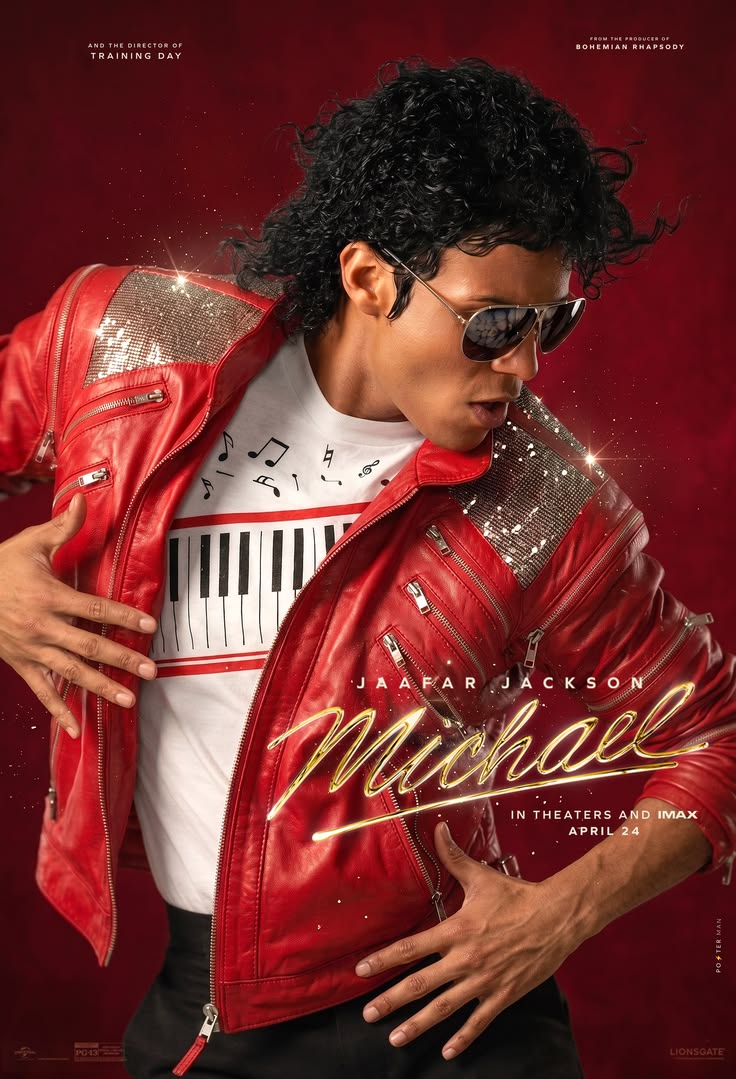
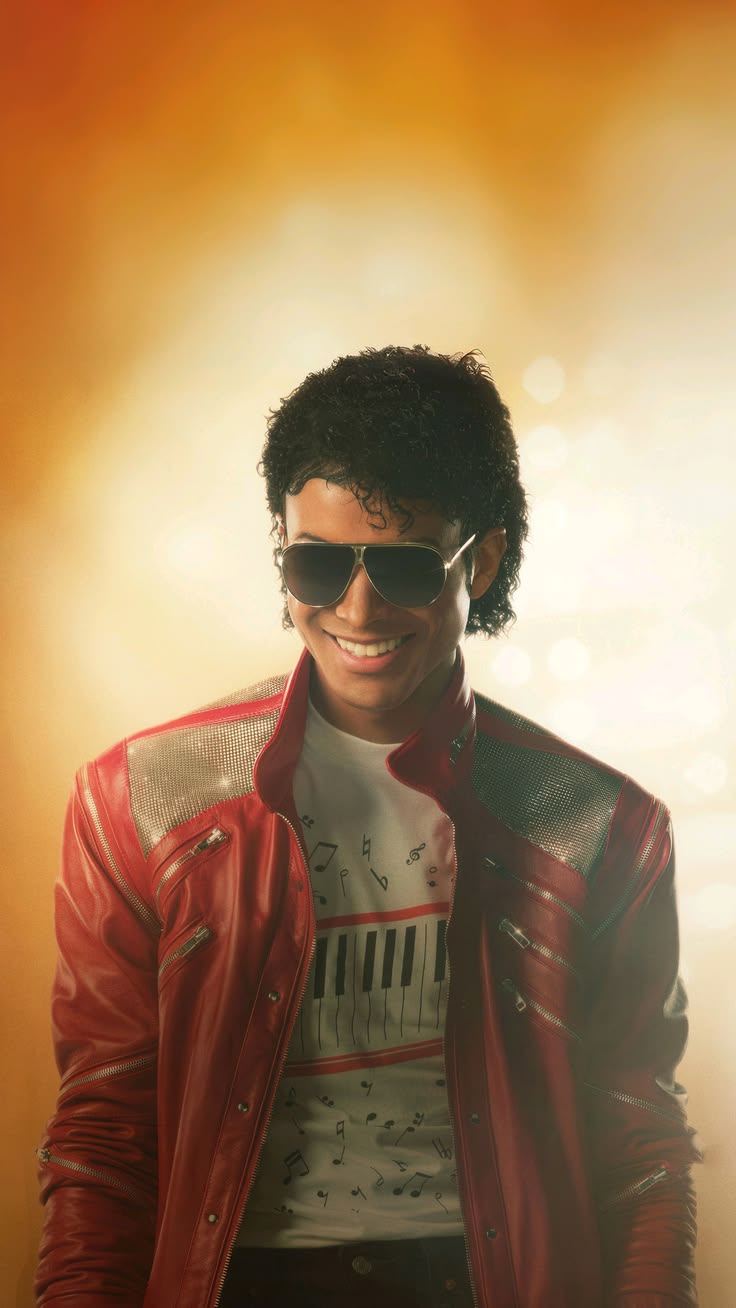
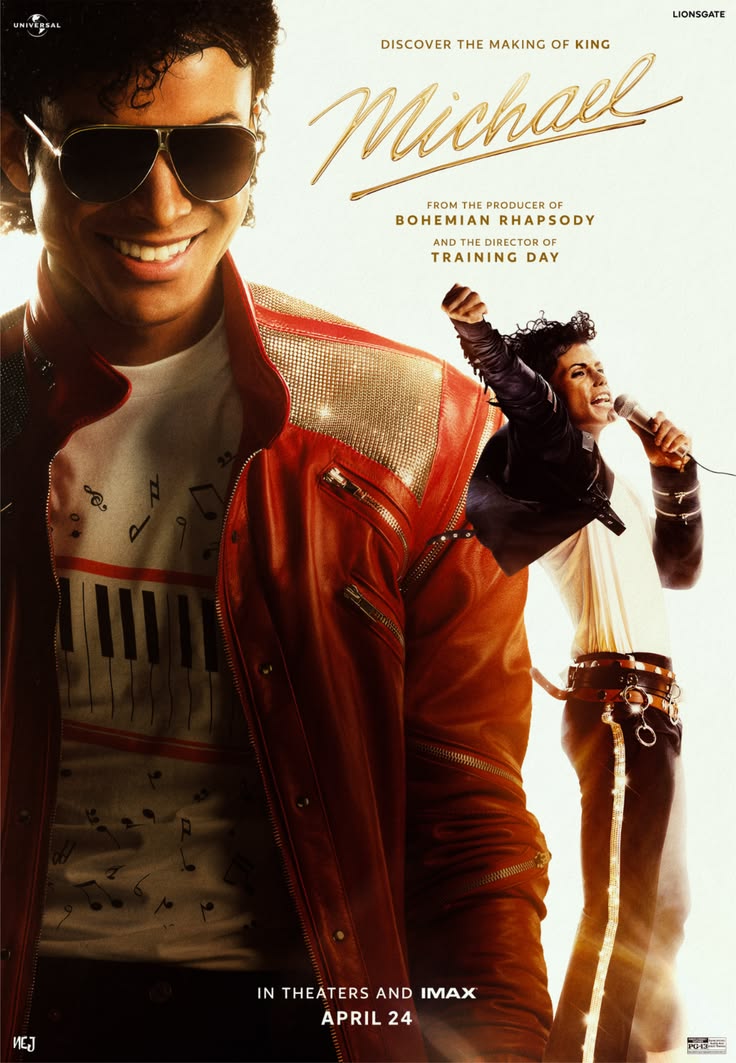
The primary catalyst for this historic surge is the global release of the biopic Michael. The film has acted as a massive discovery tool for Gen Z and Gen Alpha, while simultaneously reigniting the passion of lifelong fans.
When a blockbuster of this magnitude hits theaters, every song featured in the film—from “I Want You Back” to “Man in the Mirror”—immediately floods global playlists. Jackson’s ability to dominate the charts nearly two decades after his death is being described by industry insiders as “defying the matrix,” proving that his brand of entertainment is immune to the standard lifecycle of a celebrity.

How much money did the Michael movie make at the box office?
The financial performance of the Michael biopic has been nothing short of staggering. In its opening weekend alone, the film brought in $218.7 million globally, with $97.1 million coming from the domestic North American market. These figures have officially made Michael the biggest music biopic opening of all time, comfortably surpassing the records previously held by Bohemian Rhapsody and Oppenheimer.
Current projections suggest the film is on track to become the first biopic in history to cross the $1 billion mark. In international markets, particularly across Europe and Latin America, the film has seen unprecedented “legs,” with many theaters reporting sold-out screenings weeks after the premiere. The film’s success isn’t just a win for the estate; it is a signal to Hollywood that the public’s appetite for Michael Jackson’s story is far greater than critics had estimated.
What is the Michael biopic about and who stars in it?
Directed by Antoine Fuqua and produced by Graham King (the man behind Bohemian Rhapsody), Michael is an expansive, high-budget look at the life of the most famous man on the planet. The film stars Jaafar Jackson, Michael’s own nephew, in a performance that has been lauded for its eerie accuracy in movement, voice, and spirit.
The movie covers the full spectrum of Jackson’s life:
- The grueling rehearsals and childhood stardom in Gary, Indiana.
- The creative explosion of the Thriller era.
- The architectural creation of Neverland Ranch.
- The intense legal battles and the crushing weight of global fame.
The production utilized many of the actual locations from Michael’s life and featured choreography and costumes that were meticulously recreated from archival footage. The result is a film that feels less like a traditional movie and more like a visceral experience of pop history.
Who was Michael Jackson from birth to death?
To understand the 2026 resurgence, one must look at the foundation laid by the man himself. Michael Joseph Jackson was born on August 29, 1958, in the small industrial town of Gary, Indiana. He was the eighth of ten children in a working-class African-American family.
By age six, Michael was the lead singer of the Jackson 5, a group managed with military precision by his father, Joe Jackson. The group made history as the first act to have their first four singles hit #1 on the Billboard Hot 100. However, it was Michael’s solo transition that changed the world.
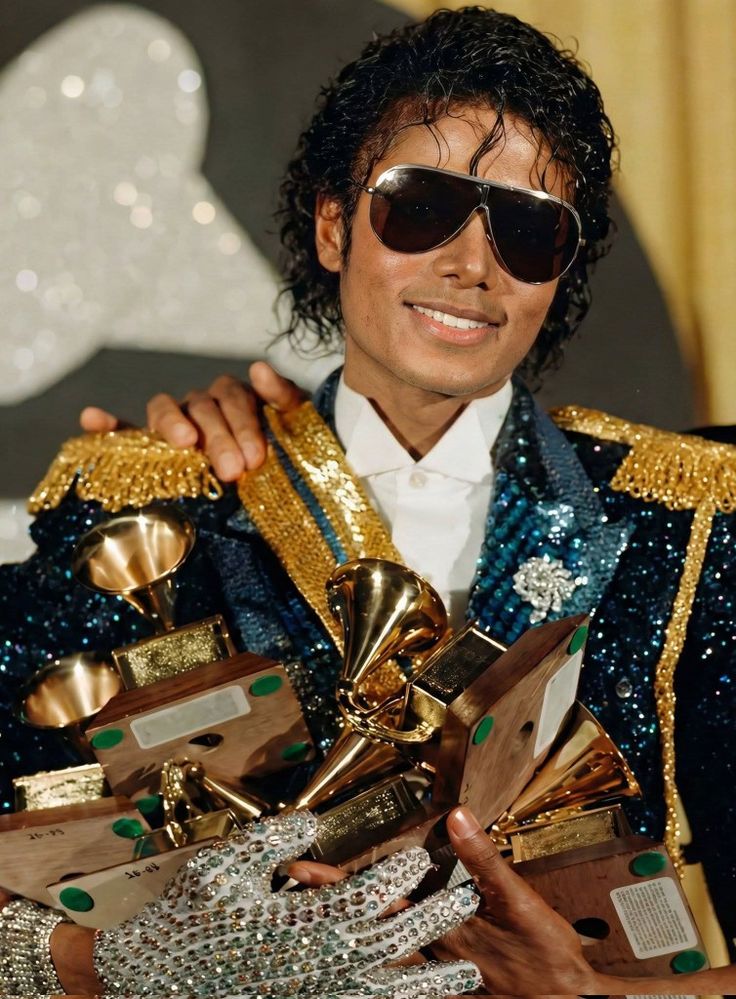
- The Golden Era: With the release of Off the Wall (1979) and Thriller (1982), Michael broke the “color barrier” on MTV and redefined the music video as an art form. Thriller remains the best-selling album in the history of music, with estimates reaching over 70 million copies.
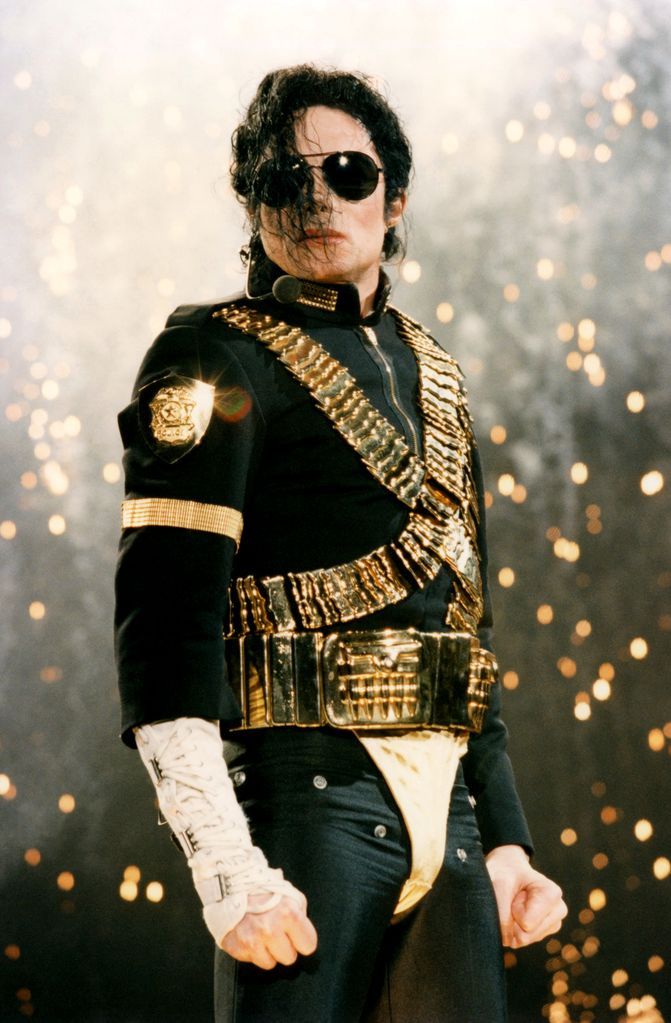
- The Moonwalk: In 1983, during the Motown 25 special, Michael performed the “moonwalk” for the first time, a moment that paralyzed the world and cemented his status as a supernatural entertainer.
- The Struggles: The 1990s and 2000s were marked by health struggles, including the skin condition vitiligo, and two highly publicized legal battles regarding allegations of child molestation. Jackson was acquitted of all charges in a 2005 criminal trial, yet the shadow of the accusations followed him until his final days.
- The End: On June 25, 2009, while preparing for his This Is It comeback tour, Michael Jackson died of cardiac arrest caused by acute propofol intoxication. His death sparked a global wave of grief that briefly crashed the internet—a fitting end for a man who lived his life in the digital and analog spotlight.
Why is mainstream media being criticized for its coverage of the Michael biopic?
Despite the film’s massive box office success and a 90%+ audience score on several platforms, mainstream media outlets like The New York Times and The Guardian have faced intense backlash from the public. Fans and cultural commentators have accused these outlets of “hate-watching” the film—reviewing it with a pre-determined bias intended to deconstruct Jackson’s legacy rather than evaluate the film’s merit.
Headlines from major publications have been described as “designed to underlook Michael,” focusing almost exclusively on the controversies while ignoring the artistry and the record-breaking numbers. Critics from these outlets have labeled the film “sanitized” and “sugar-coated,” claiming it avoids the “darkness” of Jackson’s life.
However, audiences have fired back, pointing out that the movie does depict the strip searches, the trials, and the media hounding. The disconnect between the “elitist” critics and the general public has never been wider, with fans arguing that the media is simply frustrated that they can no longer control the narrative of Michael Jackson.
Why did the new Human Nature music video receive mixed reactions?
In a surprise move to coincide with the film’s success, the Michael Jackson Estate released a “new” official music video for the 1983 classic “Human Nature.” This release sparked a heated debate among the “Moonwalker” community.
The video uses a blend of never-before-seen archival footage from the Bad and Dangerous tours, intercut with modern dance performances featuring a diverse cast of global dancers.
- The Praise: Many fans loved the 4K restoration of Michael’s live movements and the inclusive, airy vibe that matches the song’s introspective lyrics.
- The Criticism: Some purists felt that the modern dance segments distracted from Michael himself, arguing that a “new” video should only feature the man who made the song legendary.
- Others criticized the Estate for not using the vast amount of high-definition footage they reportedly have in the vaults, opting instead for a “collage-style” tribute.
Regardless of the mixed reception, the video trended at #1 on YouTube for three days, contributing significantly to the points that pushed MJ to the top of the digital rankings.
Can any artist ever beat Michael Jackson’s records?
The question of whether a living artist can reach the heights of Michael Jackson remains the ultimate debate in music. While Justin Bieber held the #1 spot for a significant portion of early 2026, his numbers are largely driven by current radio play and recent collaborations.
Michael Jackson, however, is competing with a catalog that is decades old. No other artist—alive or dead—has been able to maintain a #1 global position 17 years after their passing. Jackson’s “Triple Threat” status (singer, songwriter, and the greatest dancer in history) creates a barrier to entry that modern stars struggle to overcome.
In the era of “fast music,” Jackson’s “perfectionist” approach ensures his songs remain timeless. As he overtakes the likes of Bieber and Swift, the industry is forced to admit that the “King of Pop” isn’t just a title—it’s a permanent statistical reality.
Is MJ Defying the Matrix?
The rise of Michael Jackson to the #1 global digital artist in 2026 is more than just a successful movie marketing campaign. It is a testament to a legacy that has survived the most intense scrutiny in human history. By reclaiming the charts, Jackson has “defied the matrix” of the modern celebrity cycle.
He has proven that even in an age of cancel culture and media gatekeeping, the voice of the people is the ultimate decider. Michael Jackson didn’t just moonwalk across the stage; he moonwalked through time, and in 2026, the world is still watching.