
Table of Contents
Who Is Tim Cook and Why Did He Step Down as Apple CEO on September 1, 2026?
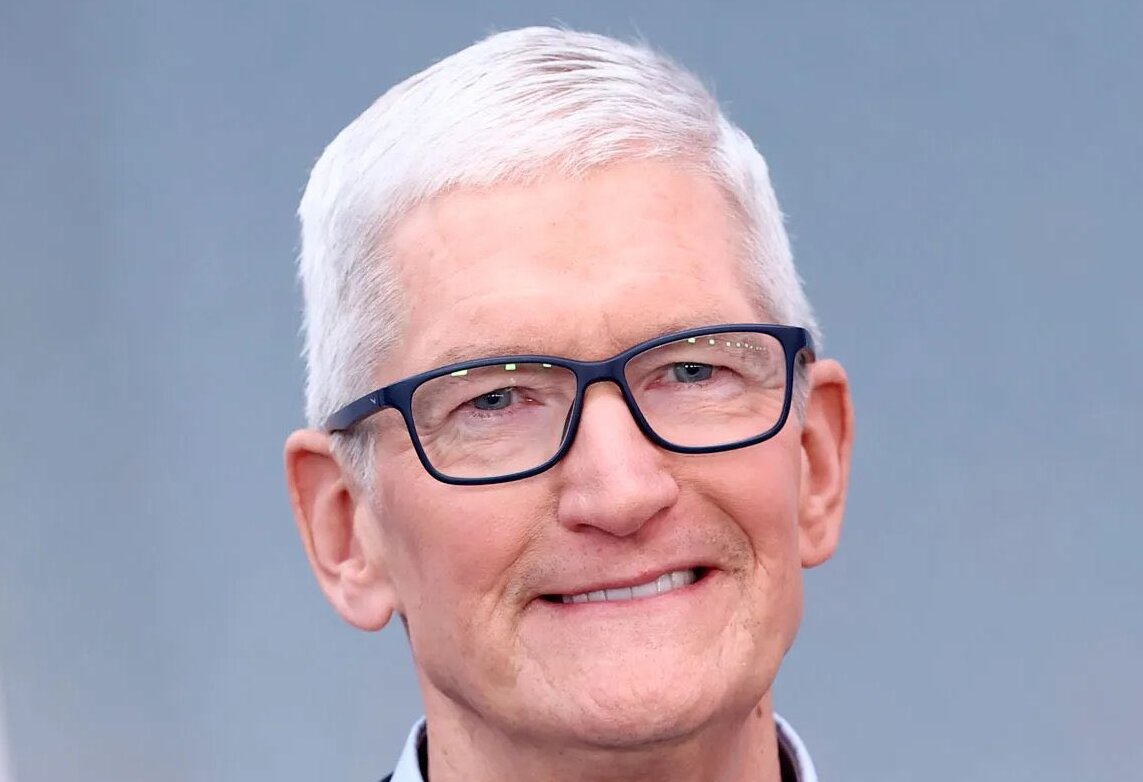
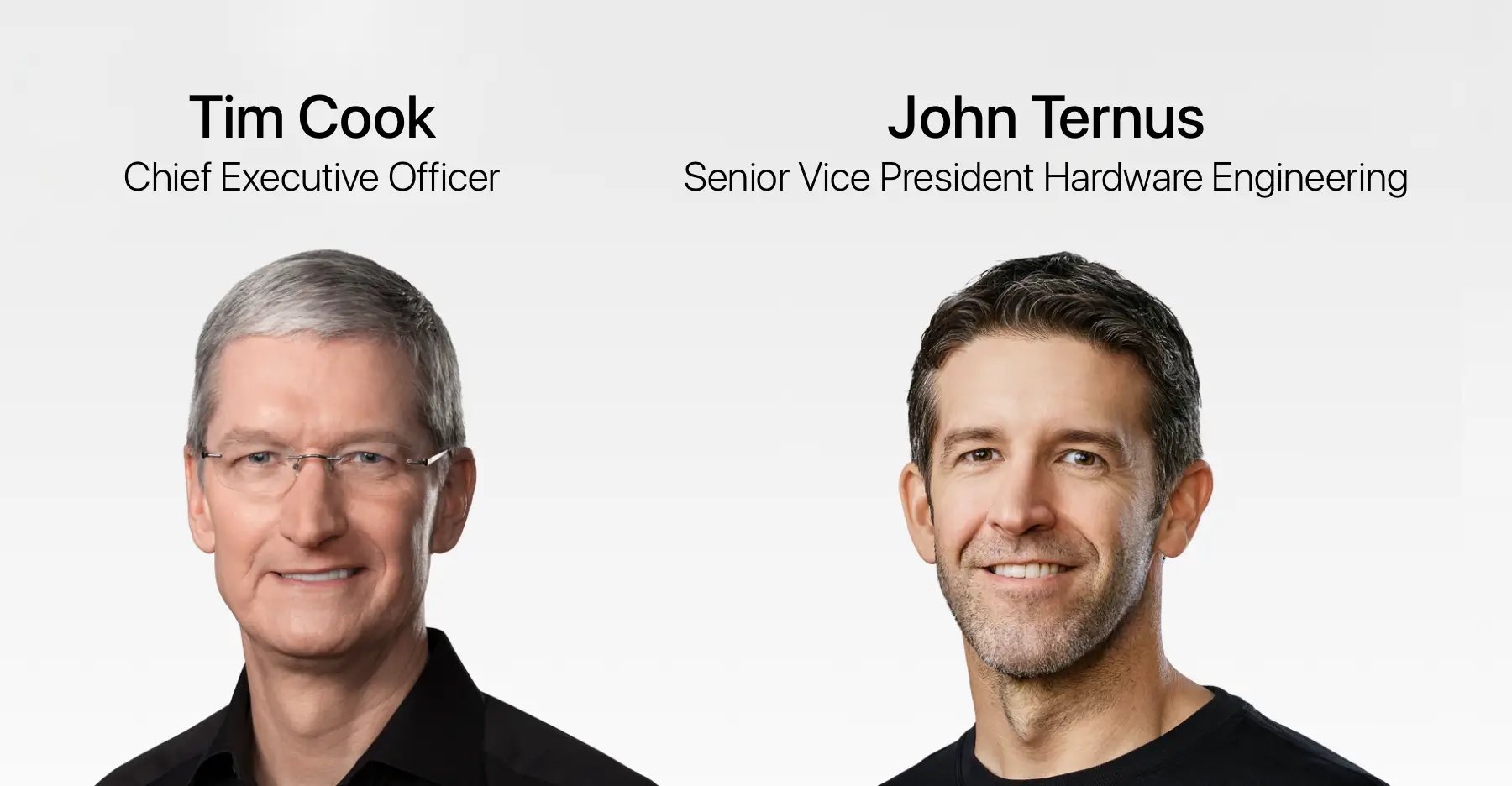
Apple announced on April 20, 2026, that CEO Tim Cook would step down from the top job effective September 1, 2026. The 65-year-old executive, who has led the company for nearly 15 years, will transition to the role of executive chairman of Apple’s board of directors. He will remain actively involved, particularly in global policymaking and ensuring a seamless handover.
Cook described the decision as the culmination of a “thoughtful, long-term succession planning process.” In his statement, he called his time as CEO “the greatest privilege of my life” and praised his successor as “an innovative and principled leader who has been instrumental in shaping Apple’s products and culture.”
No dramatic boardroom drama or health concerns were cited. Instead, this appears to be a carefully orchestrated, Steve Jobs-style transition designed for continuity at the world’s most valuable company.
When and How Was Tim Cook Appointed CEO of Apple?
Tim Cook officially became Apple’s CEO on August 24, 2011—the day Steve Jobs resigned due to declining health. Jobs, battling pancreatic cancer, handpicked Cook as his successor months earlier. Jobs died just weeks later on October 5, 2011.
At the time, Apple was already a powerhouse thanks to the iPhone, but few imagined it could thrive without its visionary founder. Cook, then chief operating officer, had quietly run day-to-day operations for years, stepping in as interim CEO during Jobs’ medical leaves in 2004 and 2009. His appointment marked the first time in Apple’s history that a non-founder would lead the company.
What Was Tim Cook’s Early Life and Education Before Joining Apple?
Timothy Donald Cook was born on November 1, 1960, in Mobile, Alabama, and grew up in the small town of Robertsdale. The son of a shipyard worker and a homemaker, Cook learned the value of hard work early. His first job at age 11 was delivering newspapers for $1.10 an hour.
He excelled academically, earning a Bachelor of Science in industrial engineering from Auburn University in 1982. He later obtained an MBA from Duke University’s Fuqua School of Business. Cook’s early career was rooted in operations and supply-chain management—skills that would later define his success at Apple. He spent 12 years at IBM, rising through the ranks in manufacturing and procurement, before moving to Intelligent Electronics as chief operating officer of the reseller division and then to Compaq as vice president for corporate materials.
How Did Steve Jobs Recruit Tim Cook to a Near-Bankrupt Apple in 1998?
In March 1998, Steve Jobs—freshly returned to a struggling Apple on the brink of bankruptcy—personally recruited Cook. At the time, Cook was comfortably employed at Compaq with a strong salary and stock options. Jobs’ pitch was simple but compelling: join a company that could change the world.
Cook later recalled trusting his gut despite friends warning him against the risky move. He accepted a role as senior vice president for worldwide operations with a $400,000 base salary and $500,000 signing bonus. It proved to be one of the most consequential hires in tech history.
How Did Tim Cook’s Relationship With Steve Jobs Shape His Career at Apple?
Cook and Jobs formed a classic yin-yang partnership. Jobs was the mercurial visionary obsessed with product design and user experience. Cook was the operational genius who fixed supply chains, slashed inventory, and turned Apple into a logistical powerhouse.
Their bond was built on mutual respect. Jobs trusted Cook completely with the business side of the company, allowing him to focus on creativity. Cook has often credited Jobs with teaching him to “simplify” and to “never settle.” When Jobs took medical leaves, Cook stepped in seamlessly as interim CEO—twice—earning the founder’s full confidence.
Cook has described Jobs as a mentor who changed how he thought about leadership. Their relationship was professional yet deeply personal; Cook was one of the few executives invited into Jobs’ inner circle during his final years.
What Key Milestones Marked Tim Cook’s Rise From Operations Chief to CEO?
Cook joined Apple in 1998 as SVP of worldwide operations. He quickly streamlined manufacturing and distribution, closing warehouses and reducing inventory from months to days. By 2005 he was promoted to chief operating officer. He oversaw the Macintosh division and built unbreakable supplier relationships that allowed Apple to scale the iPhone globally.
His calm, data-driven style complemented Jobs’ intensity. When Apple faced its biggest test—Jobs’ death—Cook was ready. He took the helm at a pivotal moment and immediately proved he could deliver results without replicating Jobs’ showmanship.
How Did Tim Cook Transform Apple Into a $4 Trillion Company Over 15 Years?
When Cook became CEO in 2011, Apple’s market capitalization stood at roughly $350 billion. By April 2026, it had surpassed $4 trillion—an increase of more than 1,000 percent.
Under Cook, Apple:
- Scaled the iPhone into the world’s most profitable consumer product.
- Launched the Apple Watch (positioned as a health device that has saved lives), AirPods, and Apple TV+.
- Grew the services business (App Store, Apple Music, iCloud) into a second major revenue engine.
- Expanded into wearables, entertainment, and health technology.
- Navigated the COVID-19 pandemic by closing stores early and securing supply chains.
- Managed complex geopolitical issues, including U.S.-China trade tensions and recent tariff pressures.
Cook also championed privacy as a core value, environmental sustainability, and diversity. Apple’s stock performance made it the most valuable company on earth for much of his tenure.
What Are Analysts, Industry Leaders, and the Public Saying About Tim Cook’s Performance and Legacy?
Reactions to Cook’s departure have been overwhelmingly positive, with a touch of nostalgia.
Sam Altman, CEO of OpenAI, called Cook “a legend” and thanked him for everything he has done for Apple and the industry.
Wedbush analyst Dan Ives noted the timing is surprising amid Apple’s AI push but praised Cook’s legacy. Forrester’s Dipanjan Chatterjee said Cook “transformed Apple into a durable, resilient financial powerhouse” even if he didn’t deliver another iPhone-level breakthrough.
On social media and financial forums, users highlight the 10x+ growth in market value and Cook’s steady hand. Some analysts point to challenges—delayed AI features, the niche status of Vision Pro, and reliance on the iPhone—but most agree Cook leaves the company stronger and more stable than he found it.
Critics occasionally joked about the Magic Mouse or slow AI progress, but the dominant sentiment is gratitude for turning Apple into a cultural and financial colossus.
Who Is John Ternus, the Man Stepping In as Apple’s Next CEO?
John Ternus, 50, has been Apple’s senior vice president of hardware engineering since 2021. He joined the company in 2001 on the product design team and has played a central role in developing the iPad, AirPods, Apple Watch, Vision Pro, and the recently launched low-cost MacBook Neo.
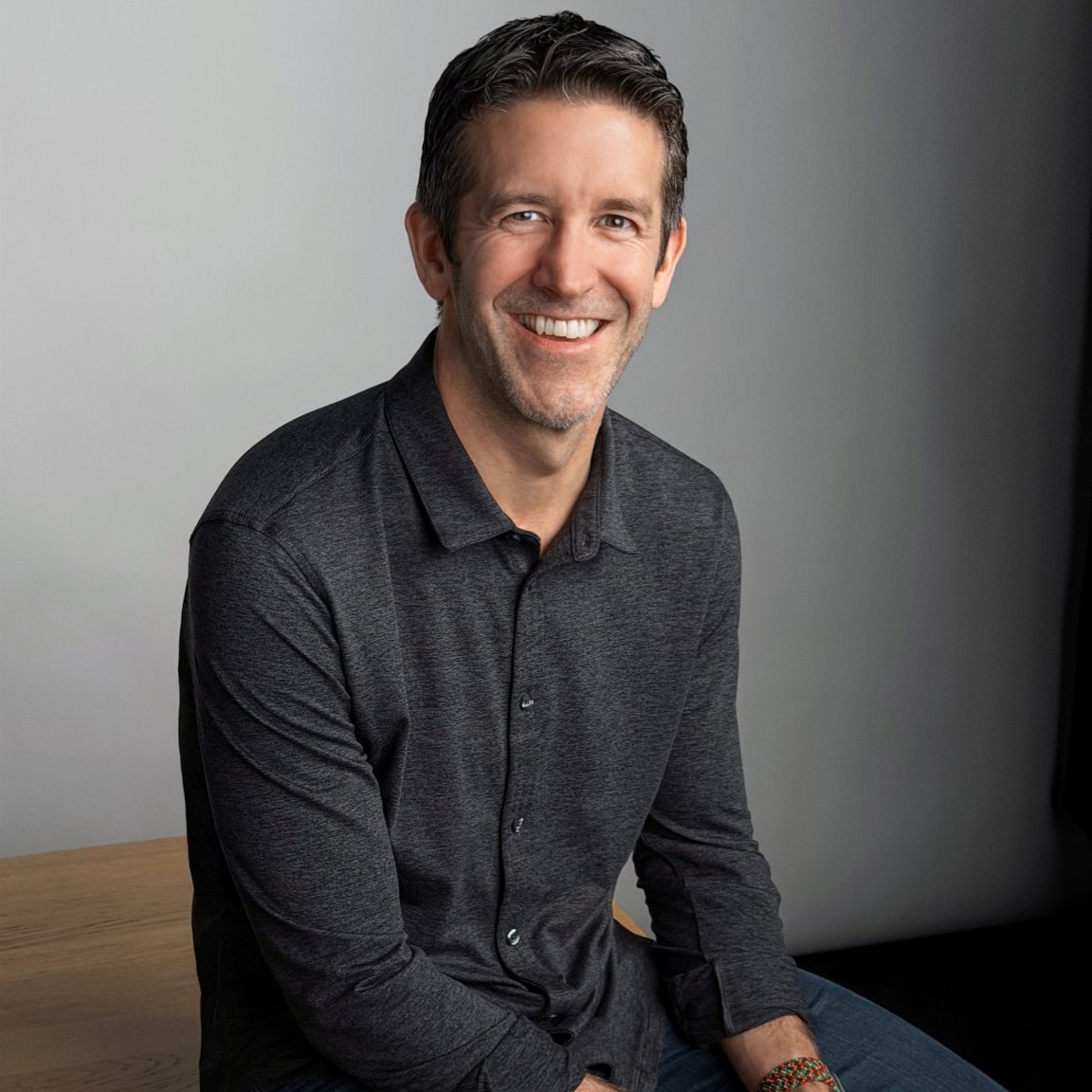
A mechanical engineer with a degree from the University of Pennsylvania, Ternus was once a competitive swimmer. Colleagues describe him as meticulous, well-liked, and a “judicious executive.” He has been widely viewed as the frontrunner for the top job for over a year.
Ternus will become Apple’s eighth CEO on September 1, 2026, and will also join the board of directors.
What Can We Expect From Apple Under John Ternus?
Apple has emphasized continuity. Ternus has spent more than two decades steeped in Apple’s culture and values. Insiders say he will maintain the focus on premium hardware, services, and privacy while accelerating AI and new product categories.
Cook will stay on as executive chairman, providing guidance—especially on global policy and relationships with governments. The transition is designed to be the smoothest in tech history.
Why Tim Cook’s Departure Marks the End of an Extraordinary Chapter in Tech History
From a paperboy in rural Alabama to the leader of the most valuable company on the planet, Tim Cook’s journey is a masterclass in operational excellence, quiet leadership, and long-term thinking. He took Steve Jobs’ creations and turned them into an ecosystem that billions rely on daily.
As Cook steps back and John Ternus steps forward, Apple enters a new chapter—but one clearly built on the rock-solid foundation Cook spent 15 years perfecting. The iPhone era defined the last decade and a half. The next chapter—whatever it brings—will carry Tim Cook’s unmistakable imprint.