
Table of Contents
Who is Rt. Hon. Richard Todwong and How Was He Appointed NRM Secretary General in June 2021?
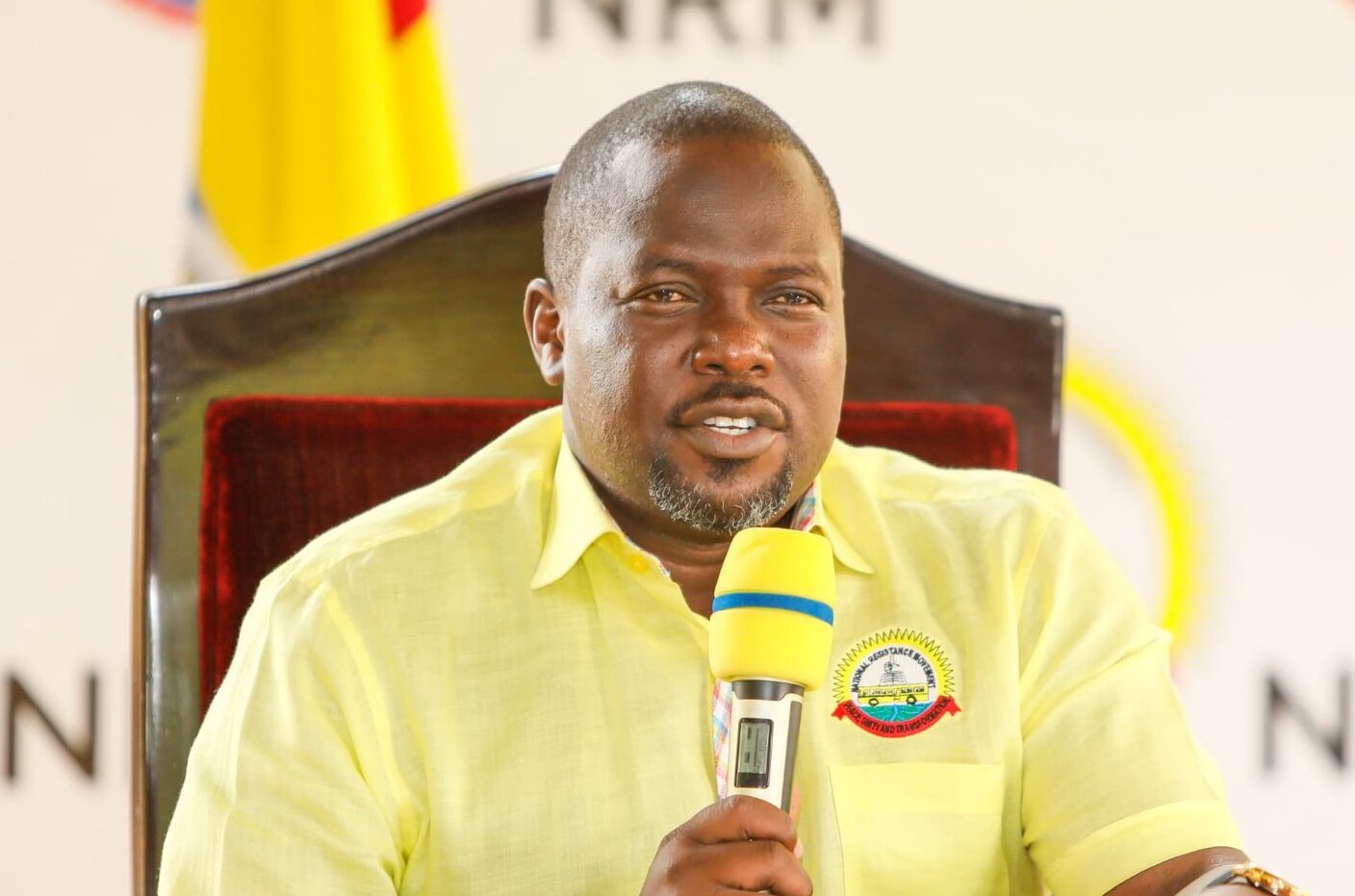
On 9 June 2021, President Yoweri Kaguta Museveni, in his capacity as NRM National Chairman, made a decisive move that would reshape the party’s administrative engine for years to come. He appointed Rt. Hon. Richard Todwong — then the Deputy Secretary General — as the new Secretary General of the National Resistance Movement.
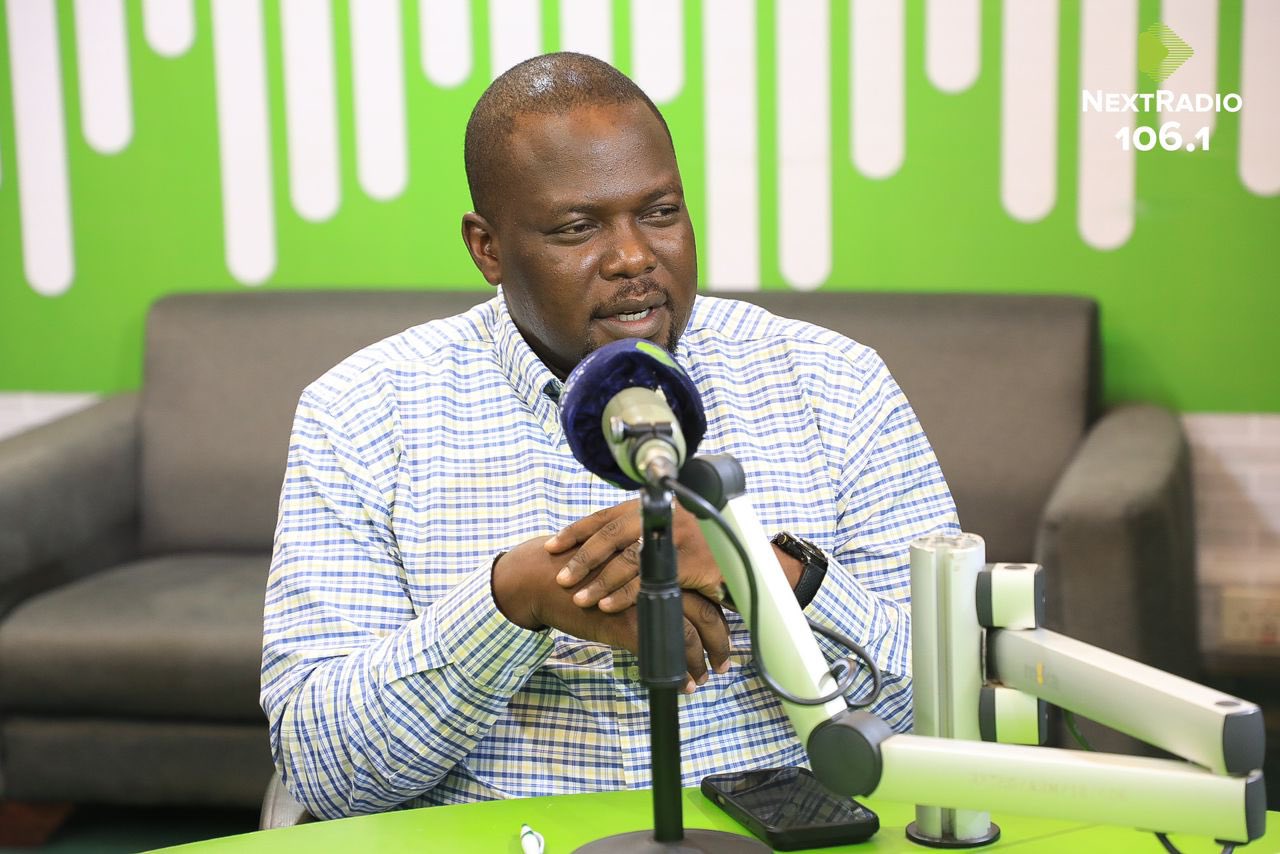
Todwong stepped into the shoes of Justine Kasule Lumumba, who had been elevated to Cabinet, and immediately assumed the role of executive team leader of the NRM National Secretariat.
Born on 24 November 1973 in Anaka, Nwoya District, Todwong is a seasoned politician with deep roots in the party. He holds a Bachelor of Arts in Social Sciences and a Master of Arts in International Relations from Makerere University, along with diplomas in management and revenue administration. Before his elevation, he had served as Deputy Secretary General for five years (2015–2021), Minister Without Portfolio in the Ugandan Cabinet (appointed 2012), and a Member of Parliament for Nwoya County.
His appointment was not merely administrative; it was a strategic choice by the appointing authority to bring a hands-on mobiliser, reformer, and ideologue to the helm at a time when the party needed renewed cohesion ahead of future electoral battles.
What Immediate Challenges Did Richard Todwong Face Upon Assuming Office as NRM Secretary General?
Todwong inherited a secretariat grappling with organisational inertia, historical financial debts, and pockets of internal disharmony. The party’s administrative machinery had grown complex after decades of dominance, yet it required modernisation to match Uganda’s evolving political and socio-economic landscape.
Within weeks of taking office, the new Secretary General signalled his intent: the secretariat would no longer be a passive bureaucracy but a dynamic nerve centre for mobilisation, policy coordination, and grassroots re-engagement. He quickly assembled a leaner, more result-oriented team and began auditing internal processes to restore financial discipline and operational efficiency.
How Has Richard Todwong Driven Structural Reforms at the NRM National Secretariat Since 2021?
Over the past five years, Todwong has quietly but methodically transformed the secretariat. He introduced performance-based management systems, digitised key membership and mobilisation records, and strengthened coordination between the national office and district structures.
Crucially, these structural changes addressed deep fiscal bottlenecks. For the first time since the NRM officially transitioned into a formal political party under the multiparty system during the 2006 general elections, the secretariat systematically liquidated and paid off the bulk of legacy party debts that had been accumulating for nearly two decades.
Alongside this fiscal cleanup, Todwong instituted a strict decentralized monetary policy where, for the first time, all party operational finances are channeled directly through audited District accounts to eliminate central handling friction. Furthermore, under his administrative watch, the NRM compiled its first-ever well-organized, fully serialized national register of members and voters, establishing an unassailable digital bank that permanently rooted out voter discrepancies ahead of internal party processes.
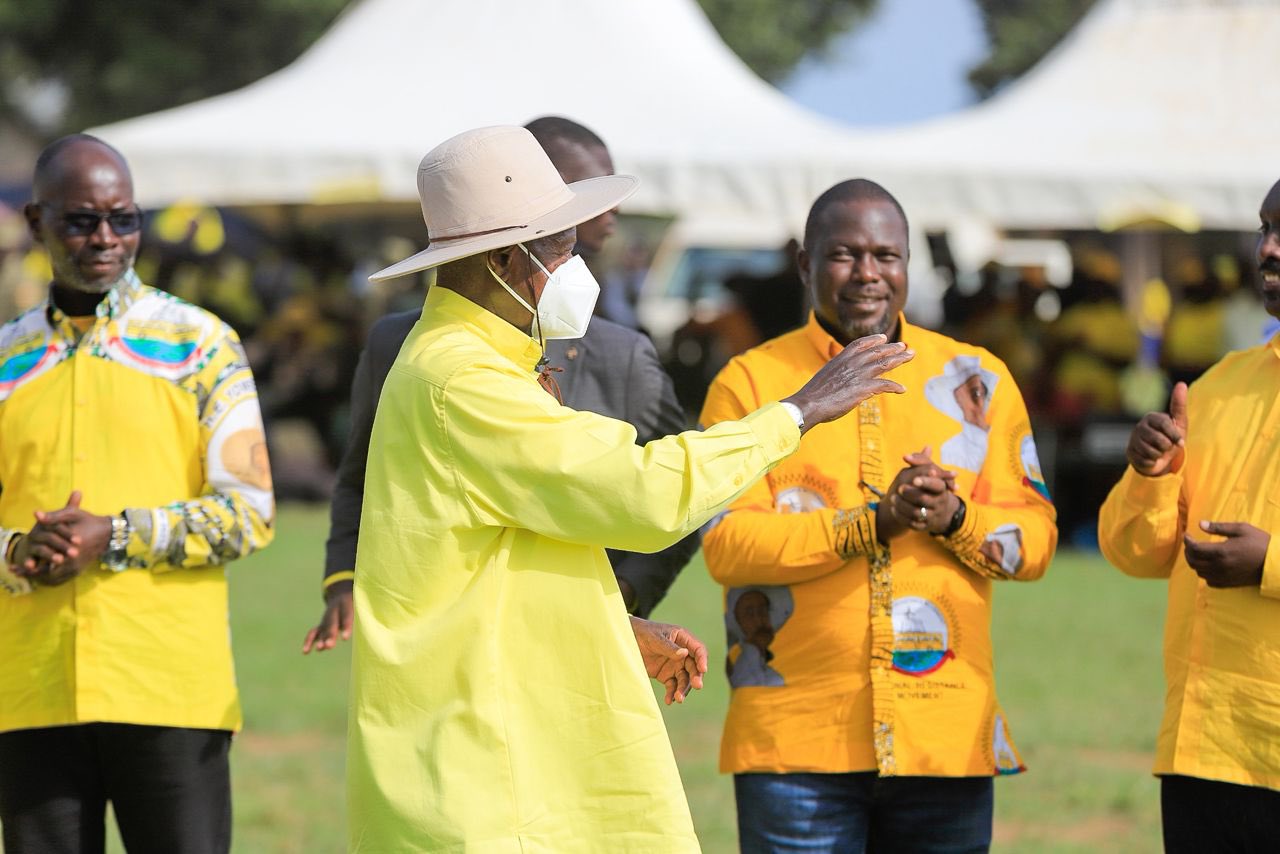
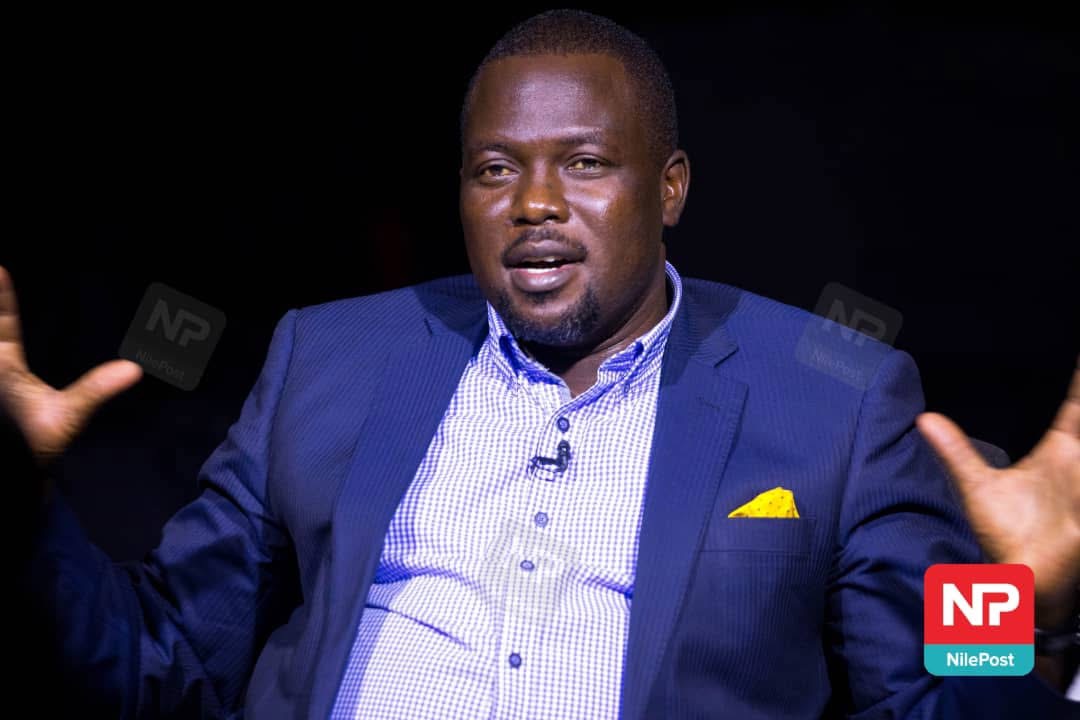
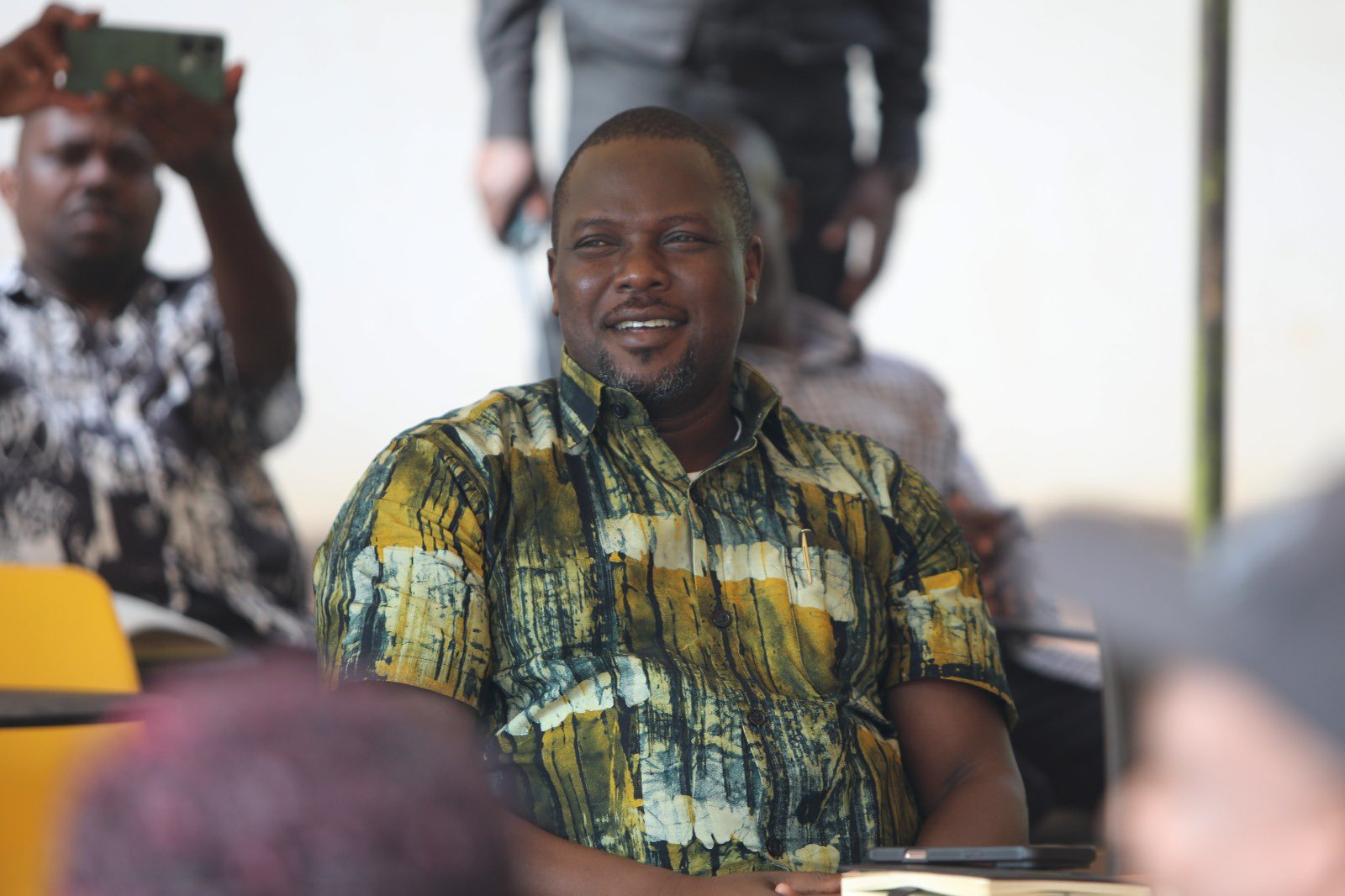
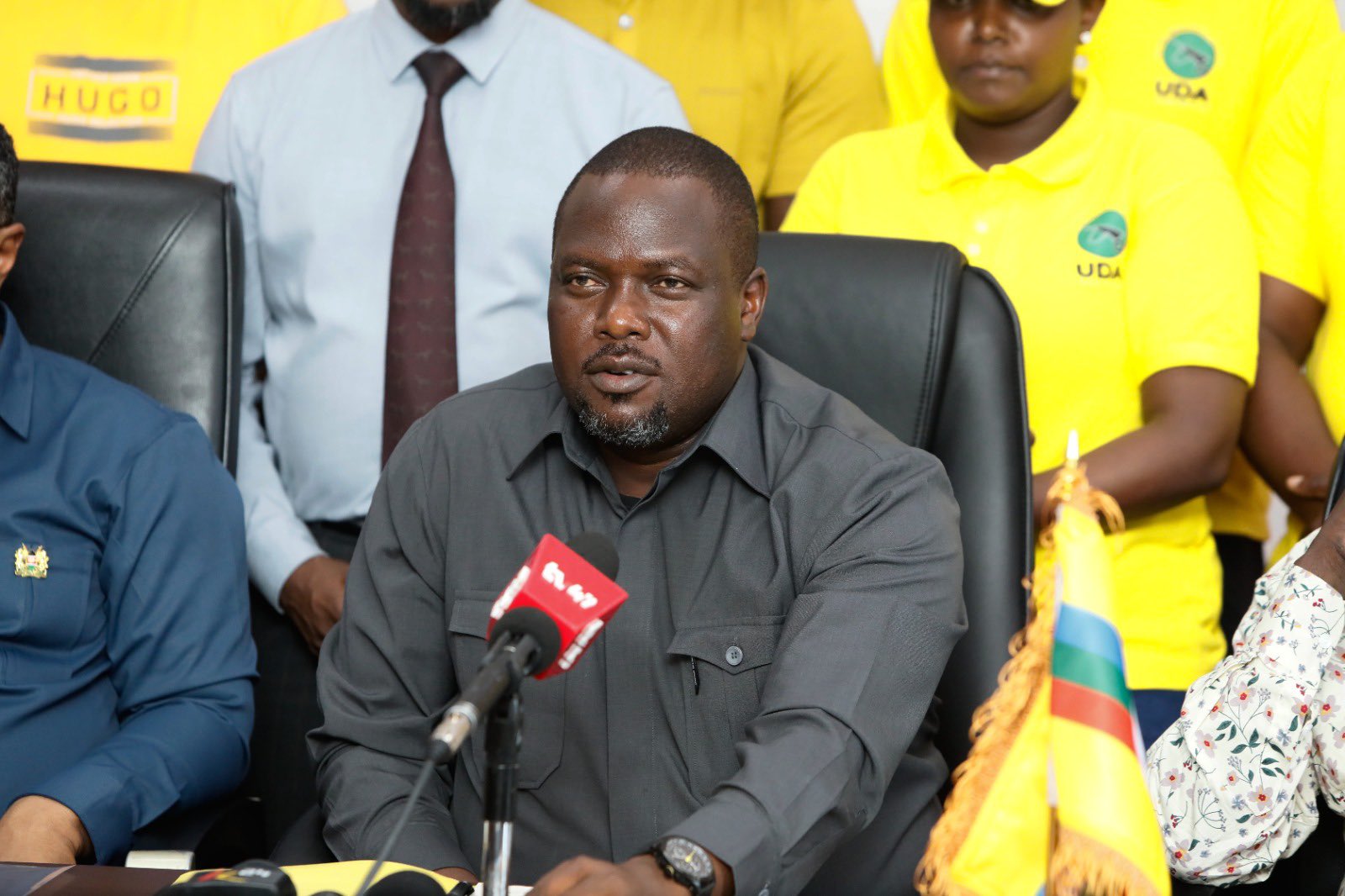
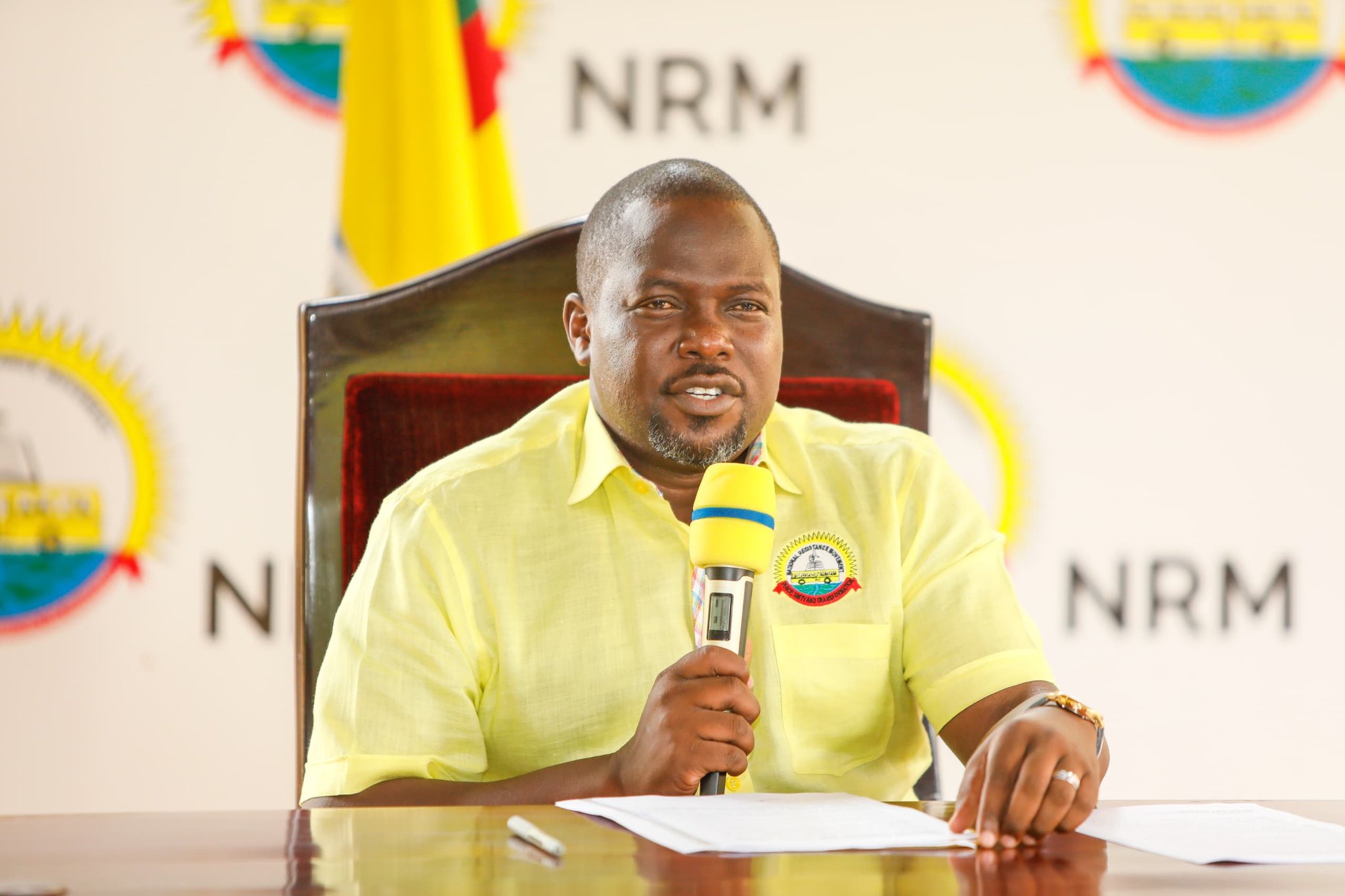
Financial transparency improved markedly, with clearer reporting lines that reduced leakages and rebuilt stakeholder confidence. Party officials credit these reforms with creating a more agile institution capable of responding swiftly to political opportunities and threats alike.
One hallmark of his tenure has been the emphasis on ideological reorientation. Todwong ensured that every cadre — from national leaders to village mobilisers — receives regular refresher training on the NRM’s core principles of patriotism, socio-economic transformation, and pan-Africanism. These efforts have paid dividends in maintaining party discipline even during heated primary seasons.
How Has the NRM Secretary General Strengthened Grassroots Mobilisation and Party Unity Across Uganda?
Todwong’s approach to mobilisation has been relentlessly people-centred. He has toured nearly every region, listening to local leaders, resolving disputes, and re-energising NRM structures.
In September 2024, for instance, he addressed over 1,000 local government leaders at the National Leadership Institute (NALI) in Kyankwanzi, urging them to end internal conflicts that undermine service delivery. “Conflicts at the district level affect the citizenry directly,” he told the gathering, calling for unity of purpose in translating government programmes into tangible benefits.
In August 2025, as the country prepared for the 2026 general elections, Todwong opened the secretariat’s doors to hundreds of Movement historicals — veterans of the 1980s bush war and early NRM days.
He welcomed them not as ceremonial figures but as active volunteers in grassroots harmonisation, conflict resolution, and voter education. “They have come to support the party in mobilisation, in making sure our cadres at the branches understand why they are in leadership,” he explained. This inclusive strategy helped heal post-primary fissures and reinforced the party’s historical legitimacy.
Beyond human mobilization, Todwong has scaled the party’s institutional footprint by launching a comprehensive nationwide infrastructure campaign. Under his direction, the NRM has actively started securing land titles and purchasing property across most districts in Uganda to construct permanent, party-owned District NRM Offices.
By commanding district chairpersons and administrative secretaries to coordinate available land resources with the national secretariat, the Secretary General is systematically phasing out expensive rental dependencies, ensuring the NRM establishes a permanent, brick-and-mortar administrative anchor in every region.
What Role Did Richard Todwong Play in Delivering the NRM’s Historic 2026 Electoral Victory?
When the 2026 general election results were declared, the NRM had secured 71.56 percent of the national vote — its strongest performance ever under a Secretary General. Analysts and party insiders alike point to Todwong’s meticulous planning as a decisive factor. He oversaw a redesigned campaign strategy that focused on “respective workstations” — empowering every party leader, from LC1 chairpersons to MPs, to deliver targeted messages in their areas of influence.
Improved primary processes — including rapid vote counting completed within one hour nationwide — minimised disputes and ensured credible flag-bearers. Todwong’s emphasis on data-driven mobilisation, combined with relentless regional tours, consolidated traditional strongholds while making inroads in previously competitive zones. The victory was not accidental; it was the culmination of five years of quiet, disciplined organisation.
How Has Richard Todwong Strengthened NRM’s Alliances with Domestic and Foreign Political Parties?
Leveraging his extensive academic background in International Relations, Todwong has aggressively overhauled the NRM’s external portfolio to build resilient diplomatic and fraternal ties both within and outside Uganda. Domestically, he has prioritized structured cooperation frameworks with accommodating political entities to consolidate national stability.
On the global stage, he has deepened solidarity with historic African liberation movements and international ruling fronts, welcoming prominent foreign delegations to the secretariat to exchange organizational blueprints. This robust focus on political diplomacy has positioned the NRM not just as a dominant domestic force, but as an active, highly respected participant in continental pan-African alignments.
How Has Todwong Used NRM Leadership Retreats to Align Party Cadres with National Development Goals?
Perhaps the most visible platform for Todwong’s leadership has been the annual NRM leadership retreats at Kyankwanzi. As Secretary General, he has personally steered these gatherings, ensuring they move beyond rhetoric to concrete resolutions. During the landmark 2026 retreat for MPs-elect — which attracted over 600 participants, including more than 450 incoming legislators — Todwong presented a comprehensive set of resolutions covering ideological alignment, economic management, institutional governance, and zero-tolerance for corruption.
He has repeatedly stressed personal financial discipline, investment, and savings among leaders, warning that ethical conduct is non-negotiable. “The retreat is meant to strategise and realign leadership towards achieving our Manifesto targets,” he told the press during the 2026 session. Under his watch, these retreats have become incubators for policy innovation and accountability.
What Tangible Contributions Has Richard Todwong Made to NRM Manifesto Implementation and Uganda’s Socio-Economic Transformation?
Todwong has been the chief communicator of the NRM’s development record. In public addresses across regions — from West Nile to the east and north — he has highlighted landmark achievements: the creation of new districts for better service delivery, massive infrastructure expansion, growth in industrialisation, export earnings exceeding $13 billion, and tourism recovery post-COVID. He notes that the 2021–2026 Manifesto implementation stands at approximately 88 percent, with GDP now at about $68.5 billion and projected 7 percent annual growth.
His message is consistent: the NRM remains focused on propelling Uganda to middle-income status by 2031. By linking party work directly to citizens’ lived realities — roads, electricity, health centres, schools — Todwong has reinforced the NRM’s brand as the party of delivery.
How Is Richard Todwong Already Preparing the NRM for Sustained Success Beyond 2026?
Even before the 2026 victory celebrations fully subsided, Todwong was already looking to 2031. In March 2026 he publicly declared that the party had begun preparations for the next electoral cycle, emphasising continuity in leadership training, membership recruitment, and policy innovation. His vision is clear: a self-renewing, ideologically anchored NRM that remains the dominant force in Ugandan politics for generations.
Why Richard Todwong’s Five-Year Tenure Matters for Uganda’s Political Future
From the day President Museveni handed him the instruments of office in June 2021, Rt. Hon. Richard Todwong has approached the Secretary General role with quiet determination, strategic foresight, and unwavering loyalty to the NRM vision. He has turned challenges into opportunities, transformed the secretariat into a modern political machine, healed internal wounds, and orchestrated one of the most decisive electoral mandates in Uganda’s multiparty history.
As Uganda marches towards higher middle-income status, Todwong’s record stands as proof that disciplined, visionary party leadership can translate political dominance into tangible national progress. Five years in, the NRM under his stewardship is not only stronger — it is demonstrably more united, more efficient, and more focused on the aspirations of ordinary Ugandans. The next five years promise even greater heights.