
Table of Contents
KAMPALA — In a historic and emotionally charged ruling that has brought a somber sense of closure to the Ggaba community and the nation at large, the High Court has today, April 30, 2026, sentenced Christopher Okello Onyum to death for the brutal murder of four toddlers.
Presiding Judge Alice Komuhangi Khaukha delivered the conviction this morning during a heavily guarded session of the mobile court held at the scene of the crime. Following a brief recess, the court reconvened to finalize the fate of the 39-year-old Ugandan-American. At precisely 17:15 (5:15 PM), the judge handed down the maximum penalty, marking a rare but firm stance against the heinous nature of the crimes.
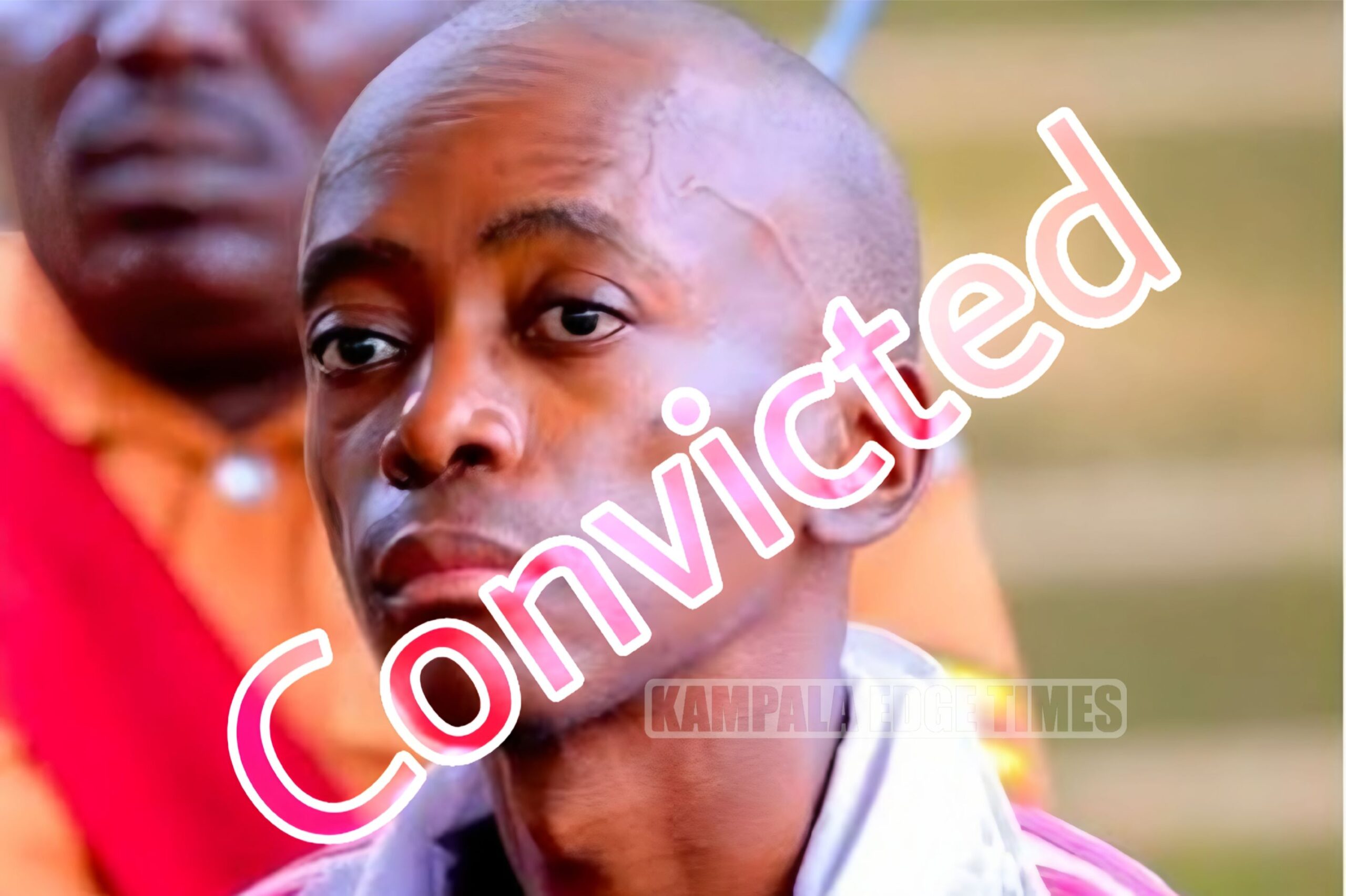
What happened on April 2, 2026, at the Ggaba Daycare?
The tragedy began on the morning of Thursday, April 2, 2026. Christopher Okello Onyum reportedly accessed the Ggaba Early Childhood Development Centre, located within the Maranatha Community Church compound. Investigations revealed that Onyum had visited the school two days prior, on Tuesday, March 31, ostensibly seeking a vacancy for a child. When he returned on Thursday morning, he forced his way into a room where several toddlers were resting.
Armed with a machete and knives, Onyum launched a horrific attack on the defenseless children. The victims—Eteku Gideon, Keisha Agenorwoth Otim, Sseruyange Ignitius, and Odeke Ryan—were aged between 15 months and 2.5 years. The screams of the children and staff alerted the community, but the damage was already done. Onyum was apprehended at the scene by locals and police, narrowly escaping a lynch mob that had gathered within minutes of the news breaking.
How did Christopher Okello Onyum plan the daycare murders?
During the trial, the prosecution, led by Chief State Attorneys Jonathan Muwaganya and Anna Kiiza, presented chilling evidence of premeditation. They argued that Onyum did not act on a whim but had meticulously planned the “shit,” as described by some observers of his calculated movements and cold demeanor.
- Weapon Preparation: Police recovered six knives from Onyum’s bag and residence, which forensic experts linked to the wounds found on the victims.
- Reconnaissance: His visit to the school on the Tuesday prior was identified as a scouting mission to understand the layout and the timing of the school’s activities.
- Motive: While Onyum initially pleaded not guilty, the prosecution suggested the killings were linked to dark rituals or “human sacrifice for wealth,” though the convict’s own testimony often drifted into bizarre claims of past crimes, including an alleged attempt to rob a bank and the previous murder of his own brother in 2016.
Why did the suspect claim he was “possessed” during the trial?
In a desperate unsworn defense earlier this month, Onyum claimed he was “possessed” by external spirits and acted under the control of other individuals. He told the court that on the day of the massacre, he was not in his right mind and did not intentionally commit the killings.
However, a court-ordered psychiatric assessment debunked these claims. Medical professionals testified that Onyum was mentally stable and fully aware of his actions at the time of the offense. This finding was a turning point for Justice Komuhangi, who noted in her ruling today that the suspect’s behavior—including his call to 112 for police protection from the mob—demonstrated a clear understanding of the consequences of his actions.
What are the public reactions to the conviction of Okello Onyum?
The trial has been a focal point of public debate, with reactions ranging from profound grief to calls for extreme retribution.
- The Call for the Death Penalty: Many family members and Ggaba residents have openly demanded the death sentence. “Life for a life,” one parent cried out during a court break. The sheer vulnerability of the victims—toddlers who could not run or fight back—fueled a demand for the maximum punishment allowed under Ugandan law.
- Mob Justice vs. Rule of Law: Some community members expressed frustration with the legal process, stating they would have “leached” (lynched) him on the day of the crime if the police hadn’t intervened. The sentiment remains high that the brutality of his actions warrants the ultimate price.
- Social Media Outrage: The case also saw a wave of misinformation, including AI-generated images circulating online that falsely showed Onyum receiving “luxury treatment” in court. These images sparked widespread anger before being debunked by fact-checkers, highlighting the high emotional stakes of the trial.
What were the final details of the death sentence ruling?
At 5:15 PM (17:15) today, Justice Alice Komuhangi Khaukha brought the proceedings to a close by confirming that Christopher Okello Onyum is to suffer death in the manner prescribed by law. The judge noted that the extreme depravity of the crime—targeting innocent infants in a place of safety—outweighed any mitigating factors.
The court has provided Onyum with 14 days to appeal the sentence if he so chooses. As the sun sets over Ggaba today, the community has begun to disperse, with many expressing that while nothing can bring back Gideon, Keisha, Ignitius, and Ryan, the law has finally spoken with the weight that this tragedy demanded. The ruling stands as a firm deterrent and a testament to a justice system that moved swiftly to address an act of unimaginable violence.